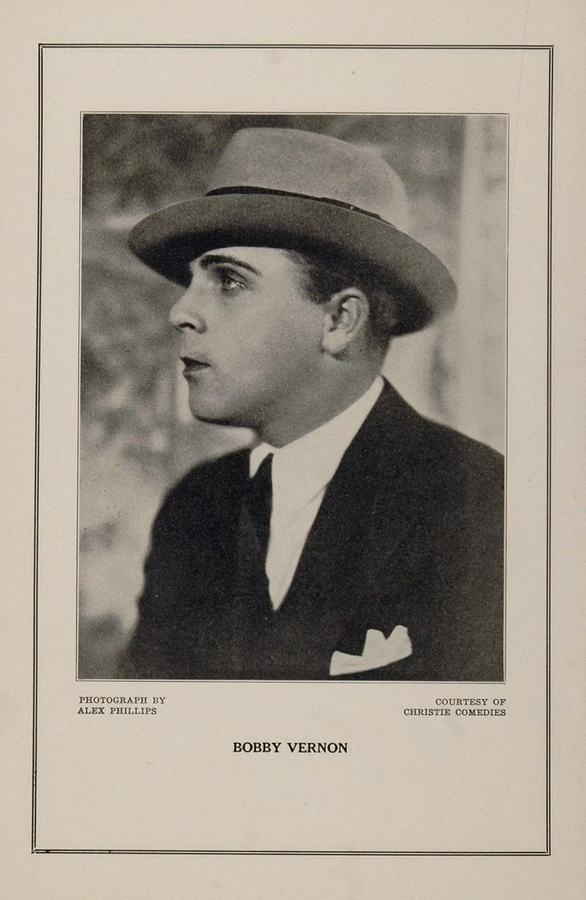
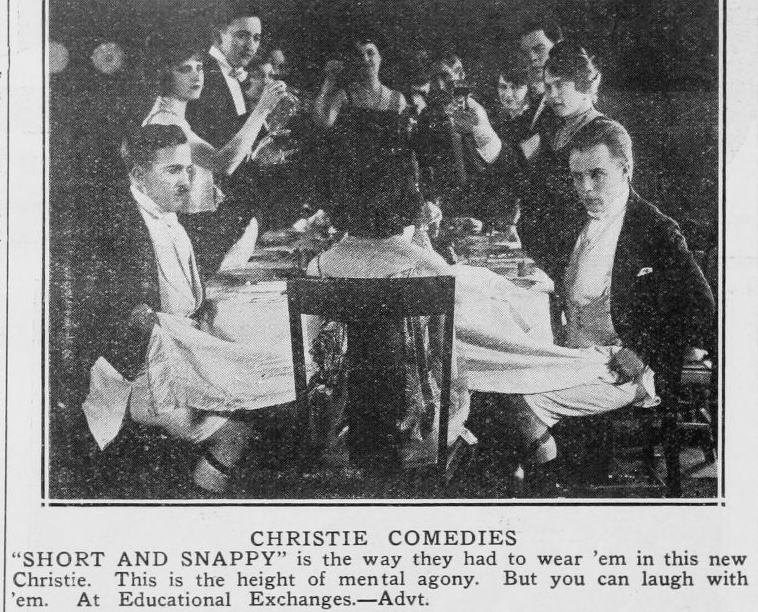
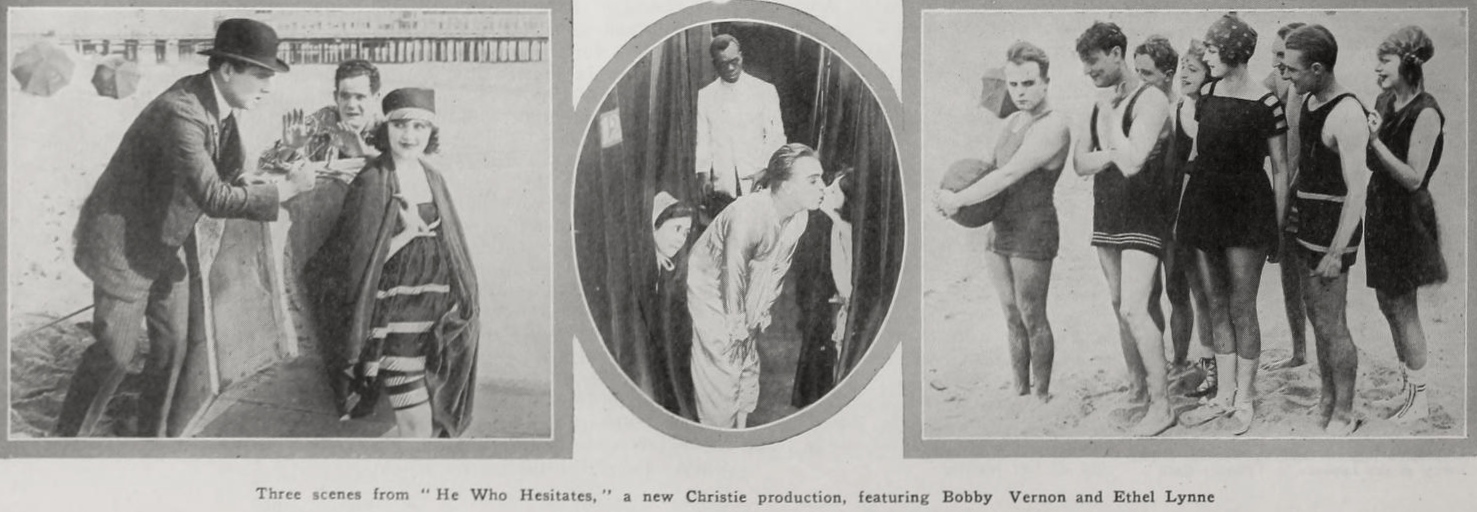
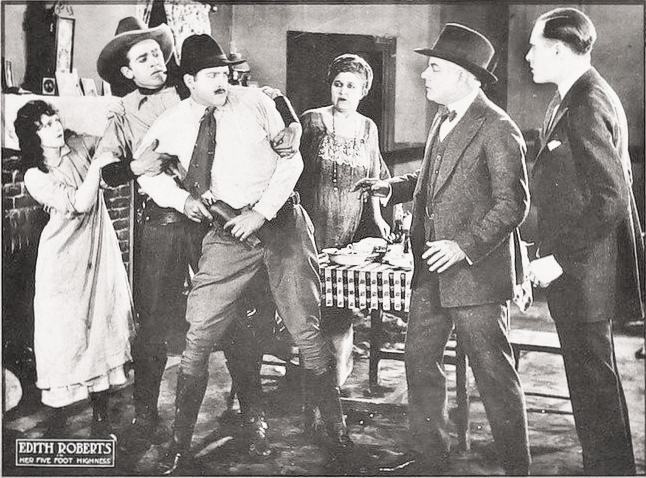
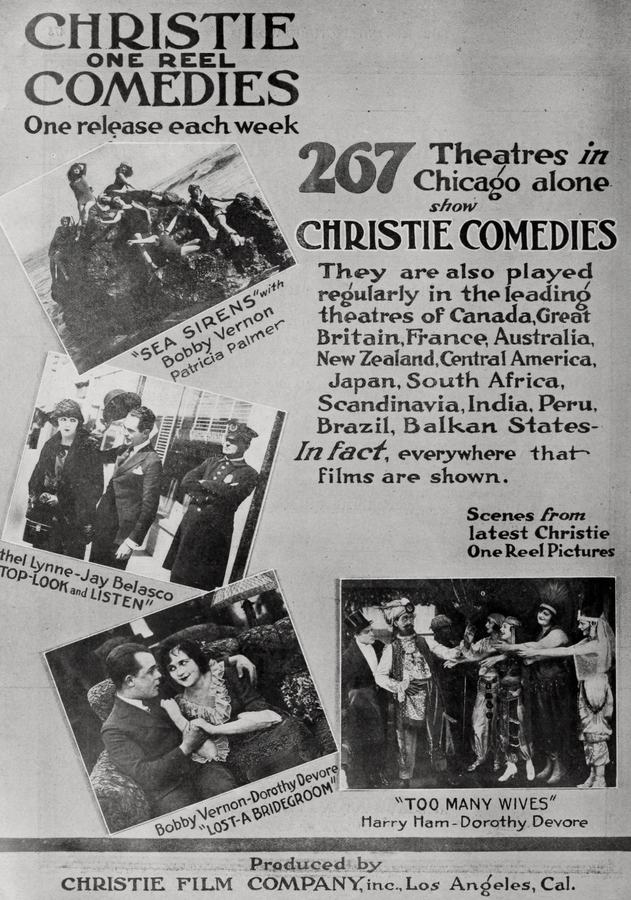
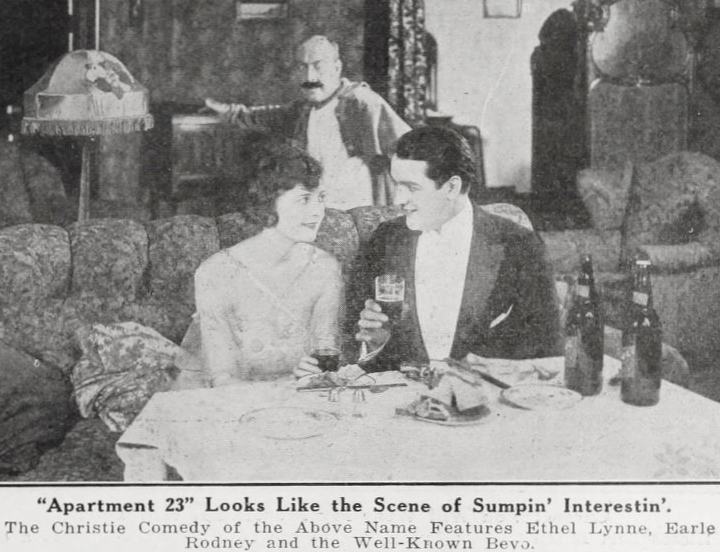
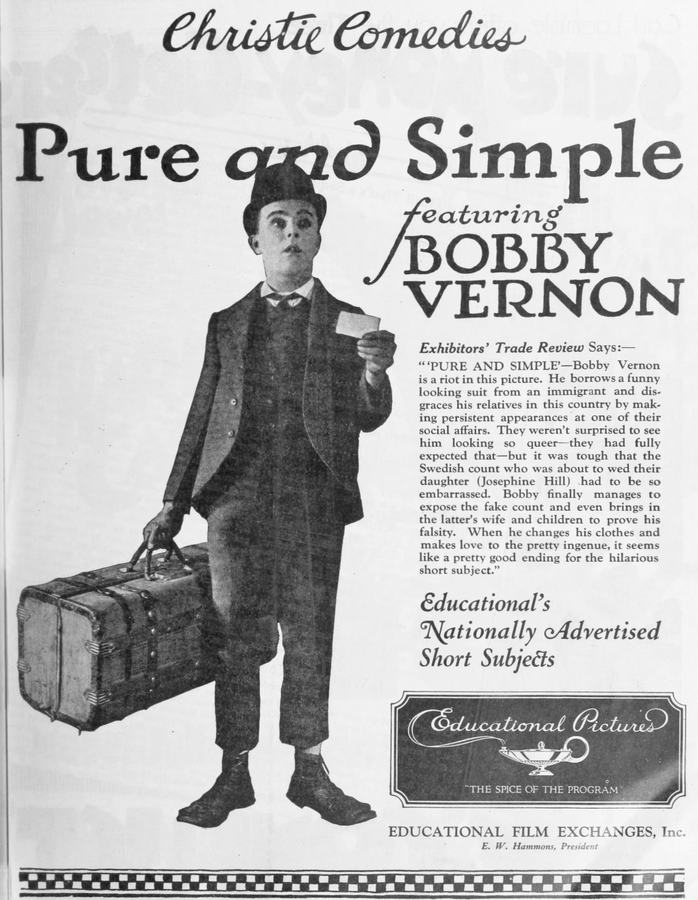
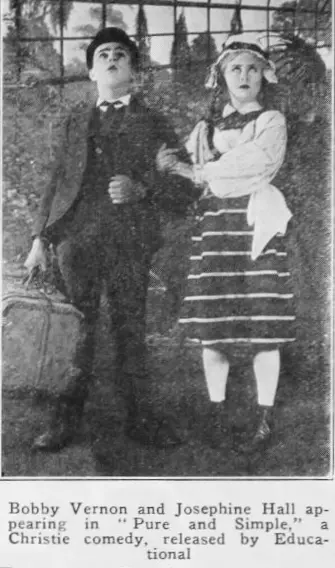
Bobby borrows a funny looking suit from an immigrant and disgraces his relatives in this country by making persistent appearances at one of their social affairs. They weren't surprised to see him looking so queer - they had fully expected that - but it was tough that the Swedish count who was about to wed their daughter had to be so embarrassed.
Imagine, if you will, a tuxedo that looks as though it were tailored during a thunderstorm by drunken origami cranes—every seam a nervous breakdown, every button a cry for help. Now imagine Josephine Hill’s patrician nostrils flaring at the mere approach of said garment, the way a thoroughbred snorts at the scent of s...
still_frame
still_frame
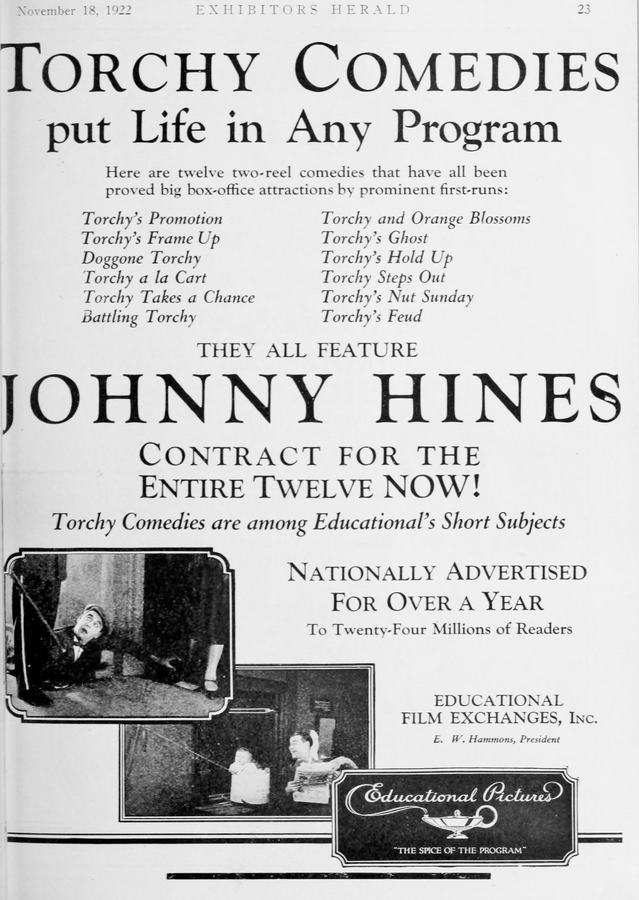
Comparing the cinematic DNA and archive impact of two defining moments in cult history.
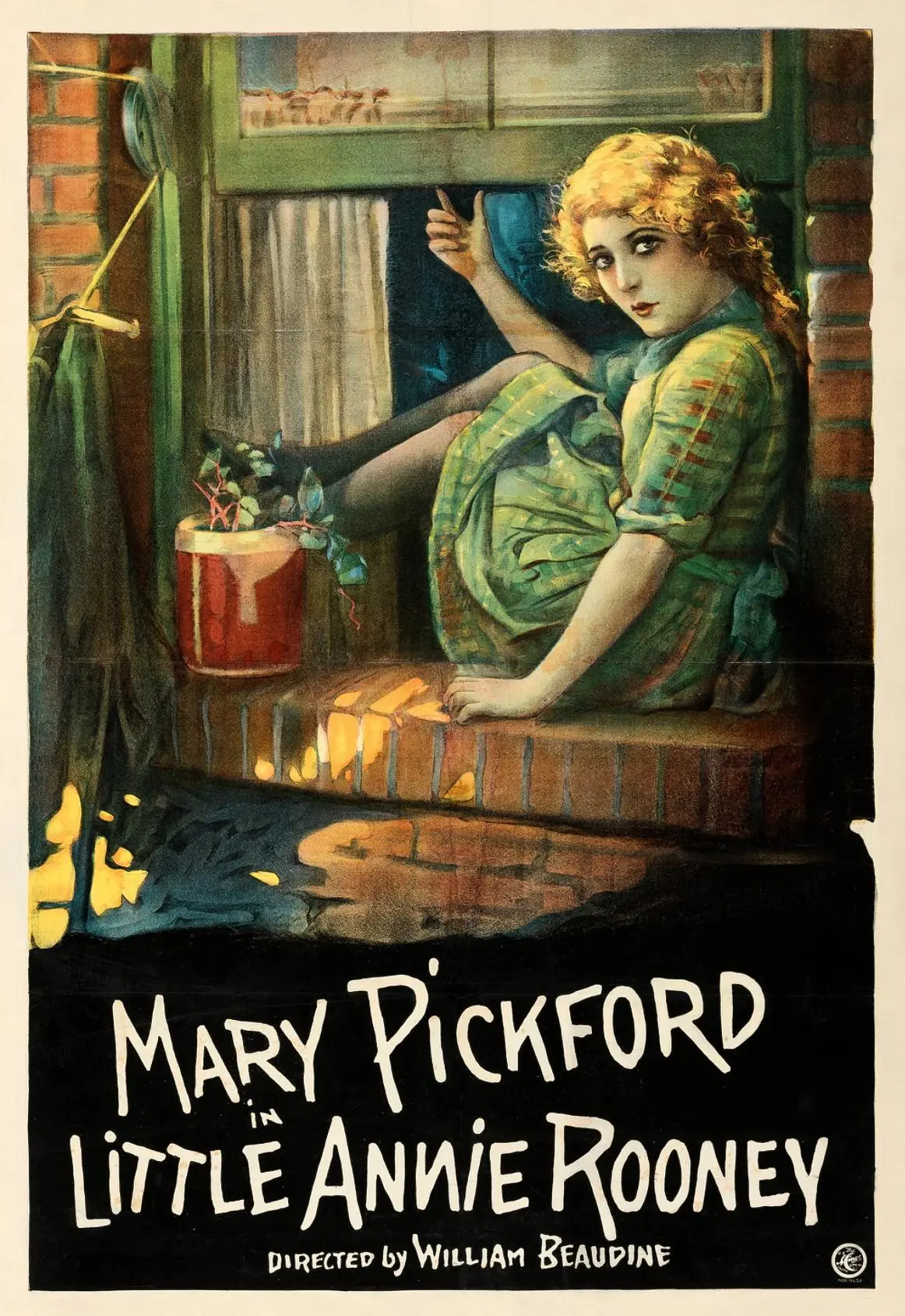
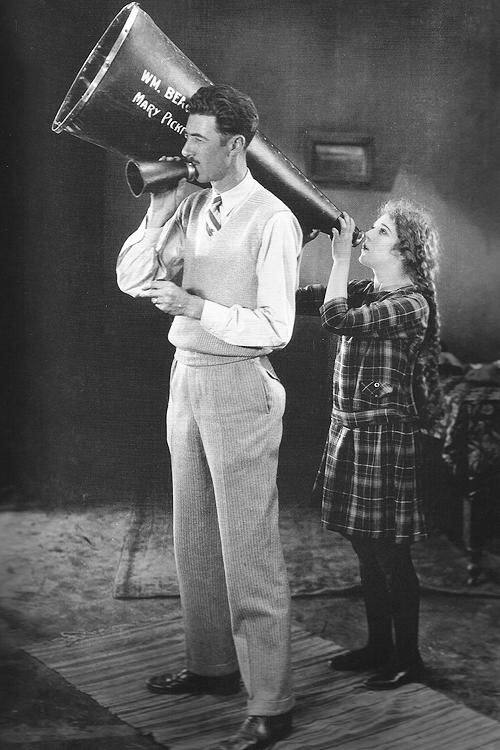
William Beaudine
Reggie Morris
Community
Log in to comment.
" Imagine, if you will, a tuxedo that looks as though it were tailored during a thunderstorm by drunken origami cranes—every seam a nervous breakdown, every button a cry for help. Now imagine Josephine Hill’s patrician nostrils flaring at the mere approach of said garment, the way a thoroughbred snorts at the scent of singed glue. That image alone is the whole silent-era thesis of Pure and Simple: America’s old money meets new mischief, and the encounter is corseted in farce so tight it leaves br..."
Ward Caulfield
Frank Roland Conklin
United States
Deep dive into the cult classic
Discover similar cinematic experiences
A Directorial Spotlight on William Beaudine