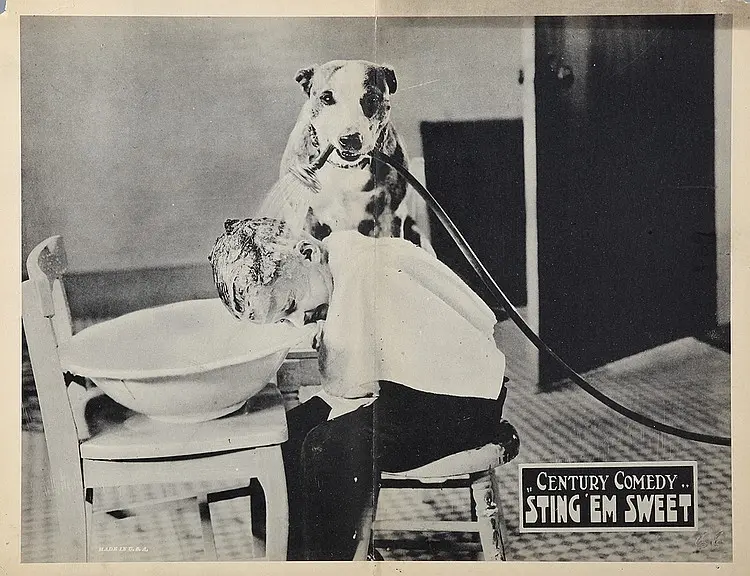
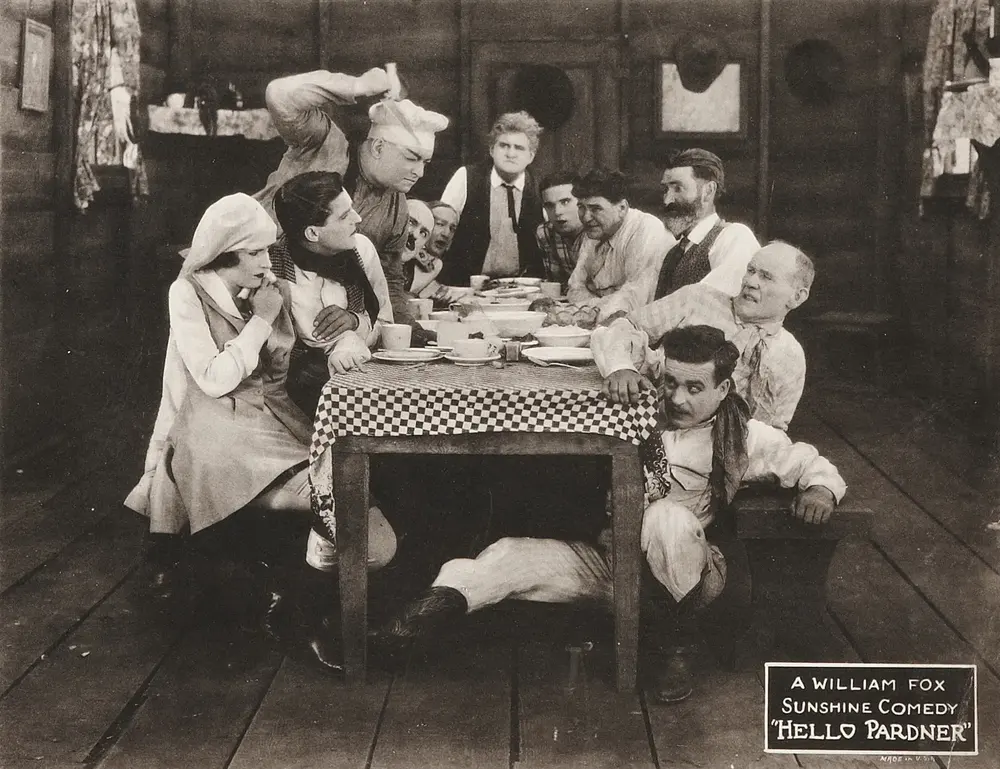
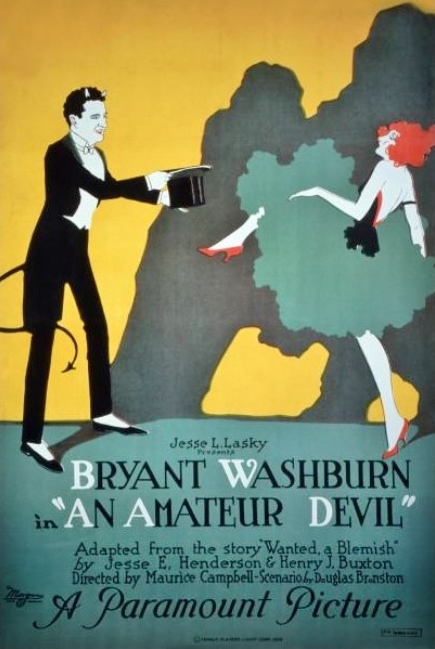
The Hallroom boys play "Put and Take" until their top is discovered to have all its sides marked "Take All.".
United States
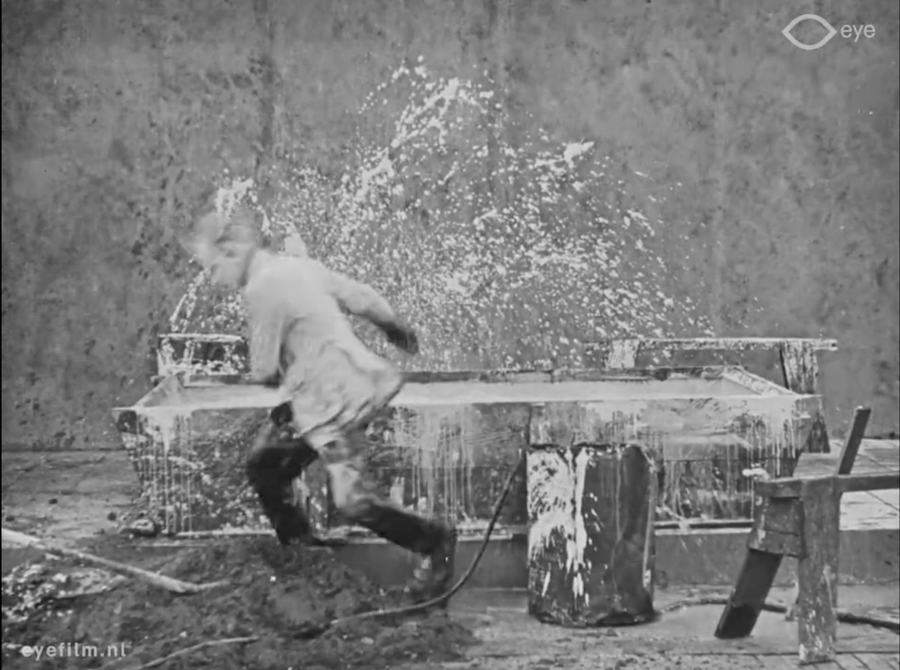
Imagine, if you will, a toy so innocuous it could be mistaken for a child’s bauble—yet inside its lacquered belly lurks a manifesto of cupidity. Put and Take (1921) weaponizes that very object, turning a parlor pastime into a miniature morality play where the American dream is minted on a copper disc and every flip o...



Comparing the cinematic DNA and archive impact of two defining moments in cult history.
Herman C. Raymaker

Herman C. Raymaker
Community
Log in to comment.
" Imagine, if you will, a toy so innocuous it could be mistaken for a child’s bauble—yet inside its lacquered belly lurks a manifesto of cupidity. Put and Take (1921) weaponizes that very object, turning a parlor pastime into a miniature morality play where the American dream is minted on a copper disc and every flip of the wrist rewrites the social contract. The Hallroom Boys, those rag-tag harlequins of the screen, become unwitting disciples of a zero-sum gospel, and the film’s brevity—scarcel..."
Comedy, Short
still_frame
still_frame

Deep dive into the cult classic
Discover similar cinematic experiences
A Directorial Spotlight on Herman C. Raymaker