DbcultAccessing Vault...
Cult Review
Senior Film Conservator
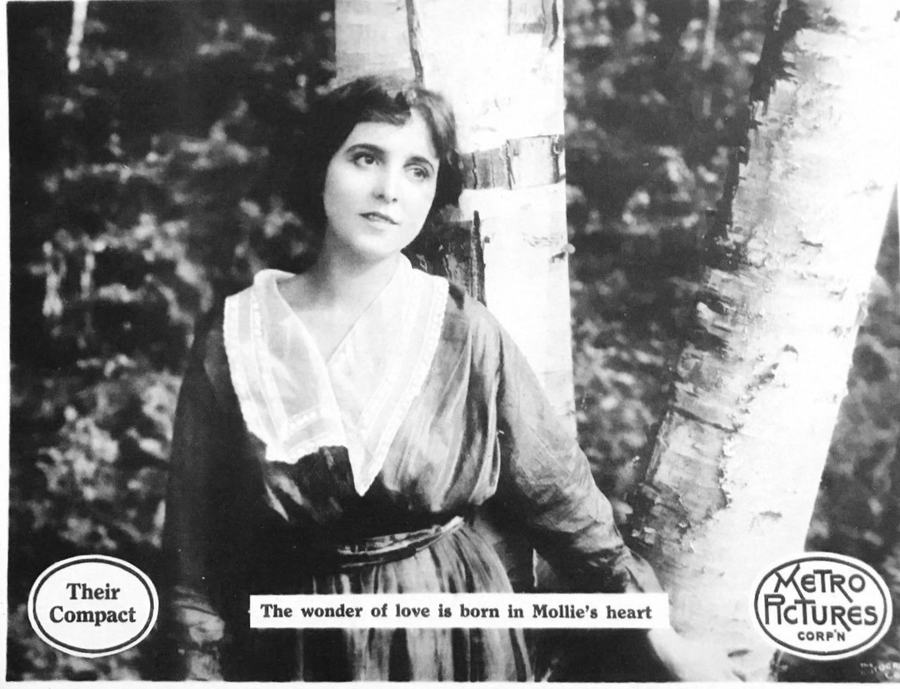
Stepping into the rugged, untamed landscapes of the American West, 'Their Compact', a cinematic artifact from 1918, unfurls a narrative rich with the melodramatic intensity characteristic of its era, yet deeply resonant with timeless themes of honor, betrayal, and the arduous journey toward redemption. This silent Western, penned by Charles Logue, transcends a mere genre exercise, offering a poignant exploration of character under duress, where personal history collides violently with the raw demands of frontier justice. It's a testament to the enduring power of narrative, even without spoken dialogue, to convey profound human struggles and moral quandaries.
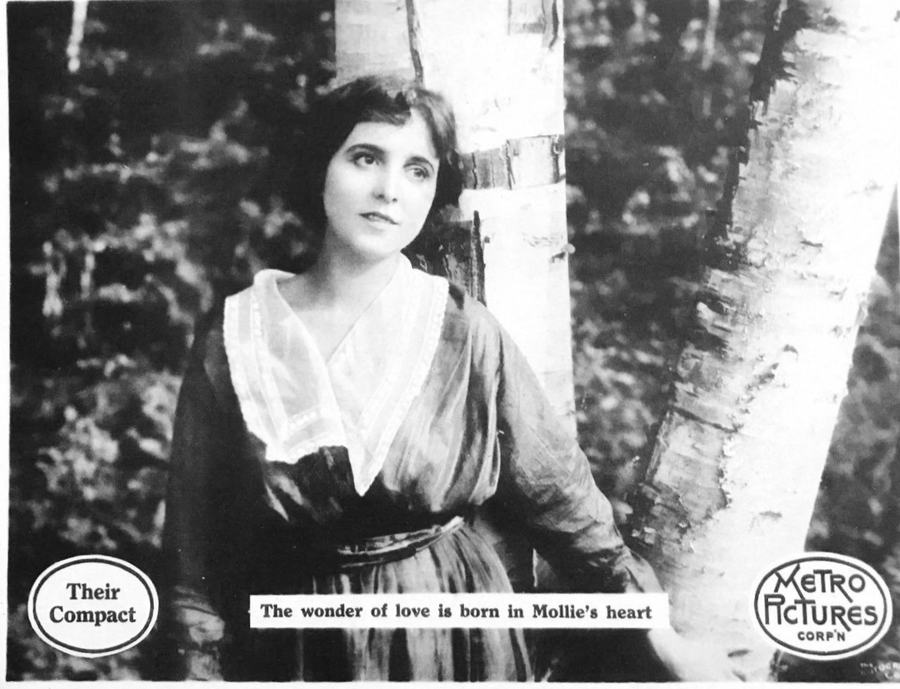
At the heart of this tumultuous tale is James Van Dyke Moore, portrayed with a nuanced sensitivity by Henry Mortimer. Moore arrives in the West not as a hardened pioneer, but as an Easterner, an individual carrying the invisible scars of a soured love affair. His flight westward is an attempt at emotional sanctuary, a seeking of solace and anonymity in the vast, indifferent expanses. Yet, the frontier, with its own brutal codes and challenges, offers no easy peace. Moore's initial persona is that of a tenderfoot, perhaps even a gentle soul ill-equipped for the harsh realities awaiting him. This perception, however, is swiftly shattered when "Ace High" Horton, the town's resident bully and a figure of menacing avarice, sets his sights on Moore's family mine. This external threat acts as a crucible, forcing Moore to confront not only Horton's tyranny but also his own latent courage. His decision to stand his ground against Horton is a pivotal moment, a defiant assertion of self that marks his true initiation into the unforgiving spirit of the West. It is this nascent display of fortitude that first catches the discerning eye of Mollie Anderson, played by Mildred Adams, whose quiet strength and perceptive nature immediately recognize the true mettle beneath Moore's refined exterior. This early challenge, while superficially about property, is fundamentally about Moore's character, illustrating how adversity can forge an individual into something stronger, more resolute. His transformation echoes the thematic underpinnings found in other Westerns where character is tested by fire, much like the trials faced by protagonists in Jim Bludso, where a man's reputation and honor are perpetually on the line against the backdrop of a demanding landscape.
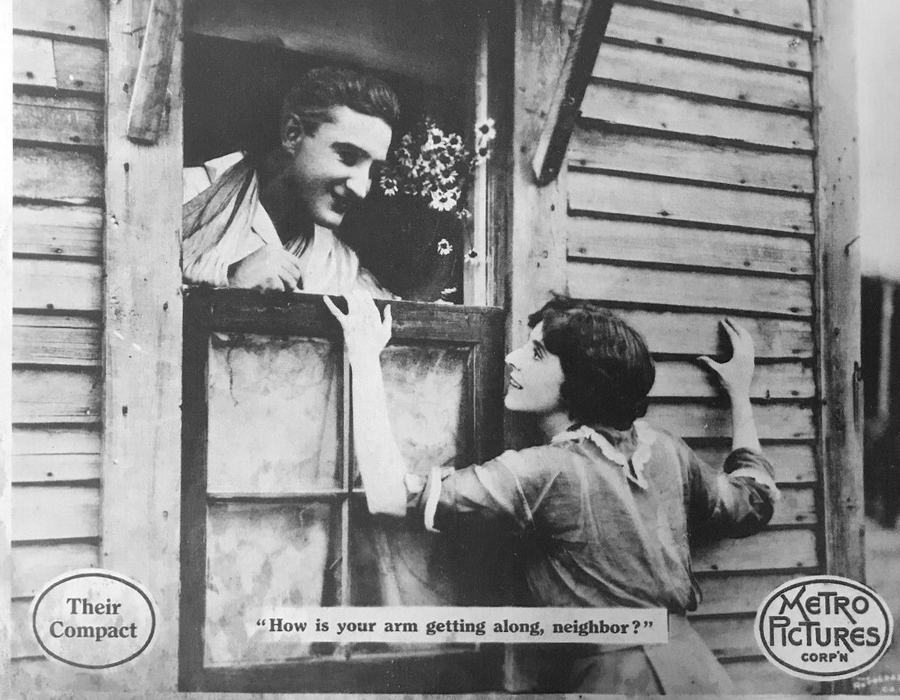
The fragile peace Moore begins to construct is dramatically fractured by the arrival of Robert Forrest, portrayed by John Smiley, and his bride, Verda, brought to life with captivating duplicity by Beverly Bayne. Verda, it is revealed, is none other than Moore's former lover, her sudden reappearance igniting a powder keg of past emotions and present dangers. Her presence immediately introduces an element of sophisticated manipulation, a stark contrast to the straightforward, albeit brutal, conflicts of the frontier. While Forrest, seemingly oblivious to the undercurrents of history, busies himself with inspecting his mines, Verda, a true femme fatale, wastes no time in rekindling an old flame, or rather, igniting a new, illicit one with "Ace High" Horton. Their clandestine affair and subsequent plan for elopement become the central engine of the film's spiraling descent into chaos. Verda's cunning is particularly evident upon Forrest's return: rather than confessing her infidelity, she masterfully weaves a narrative of victimhood, accusing Moore of unwanted advances as her reason for seeking escape. This act of calculated deception is not merely a plot device; it serves as a chilling commentary on the destructive power of a manipulative individual, capable of twisting truth and honor to serve personal gain. The dramatic irony is palpable, with the audience fully aware of Moore's innocence, while the characters onscreen remain ensnared in Verda's web. Such intricate webs of deceit and misdirection, where appearances are deceiving, find parallels in the complex narrative twists of films like Officer 666, though 'Their Compact' roots its deceptions in the more visceral stakes of life and death on the frontier.
Moore's predicament is rendered agonizingly acute by a solemn vow he made concerning his past affair with Verda. This "compact" of silence, born perhaps of chivalry or a desire to protect Verda's reputation (however undeserved), now becomes his undoing. Unable to reveal the truth of their shared history, he is left defenseless against Verda's insidious accusations. His silence, intended as an act of honor, is misinterpreted as guilt, painting him as the aggressor. This moral dilemma forms the very backbone of the film's dramatic tension, exploring the profound consequences of an individual's adherence to a personal code, even when it leads to self-destruction. The audience feels Moore's frustration, his silent agony as he watches his reputation, and indeed his freedom, crumble under the weight of a truth he cannot utter. This theme of a binding, often tragic, vow is a powerful narrative device, echoing the high stakes and moral rigidity often explored in historical dramas or even other silent films like Richelieu, where political or personal oaths carry immense weight. The dramatic irony here is particularly cruel: Moore's integrity, paradoxically, is what condemns him.
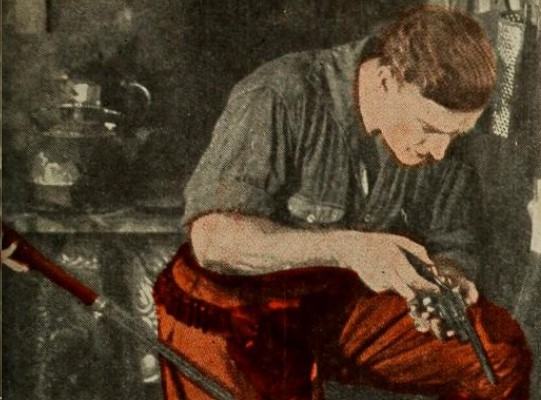
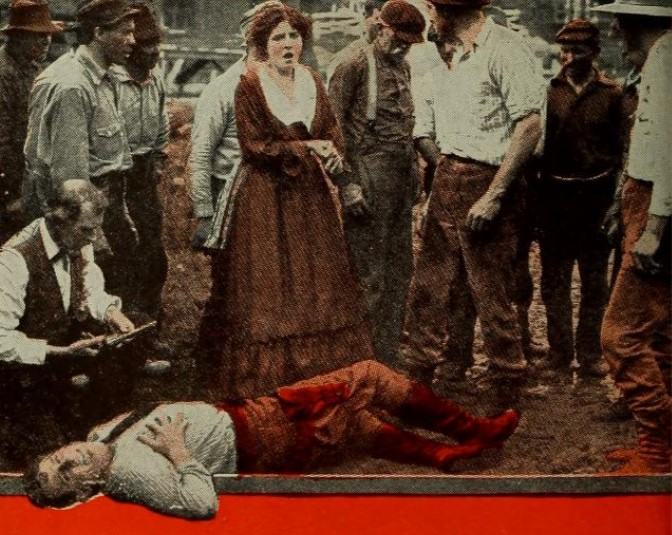
The narrative escalates rapidly into a maelstrom of misunderstanding and violence. That fateful night, Forrest, witnessing Verda riding away with Horton, succumbs to a fit of jealous rage and shoots Horton. The immediate aftermath is a tragic miscarriage of justice: Moore, already implicated by Verda's lies and unable to defend himself, is accused and swiftly arrested. This moment encapsulates the precarious nature of justice in the frontier setting, where circumstantial evidence and prior prejudice can quickly condemn an innocent man. The swiftness of Moore's arrest underscores the film's commentary on how easily truth can be obscured by appearances and how vulnerable individuals are to manipulated narratives. It's a harrowing depiction of an individual caught in a vortex of events beyond his control, a theme of injustice that resonates deeply, much like the unfair trials and struggles depicted in films addressing societal wrongs or personal vendettas. The emotional impact of this sequence, conveyed through the expressive acting prevalent in silent cinema, would have been immense, drawing the audience into Moore's desperate plight.
Just as hope seems to dwindle, Mollie Anderson emerges as Moore's unwavering champion. Her intervention is not merely a plot device for his release; it is a profound testament to her unwavering belief in his character, a belief forged in observation and intuition rather than superficial evidence. Mollie's actions underscore a crucial thematic element: the power of genuine human connection and the ability of one person to see beyond the fabricated realities presented by others. Through her steadfastness and perhaps her own investigation or persuasive arguments, Moore is released, allowing him to embark on a desperate pursuit into the desolate desert. This act of faith and decisive action elevates Mollie beyond a mere romantic interest; she becomes the moral anchor of the story, embodying true courage and loyalty. Her role here is reminiscent of strong female characters in other Westerns or dramas who defy societal expectations to fight for justice, providing a much-needed counterbalance to the rampant deceit and violence. Her belief in Moore, despite all evidence pointing against him, provides a stark contrast to Forrest's impulsive judgment, highlighting the wisdom of empathy over blind rage.
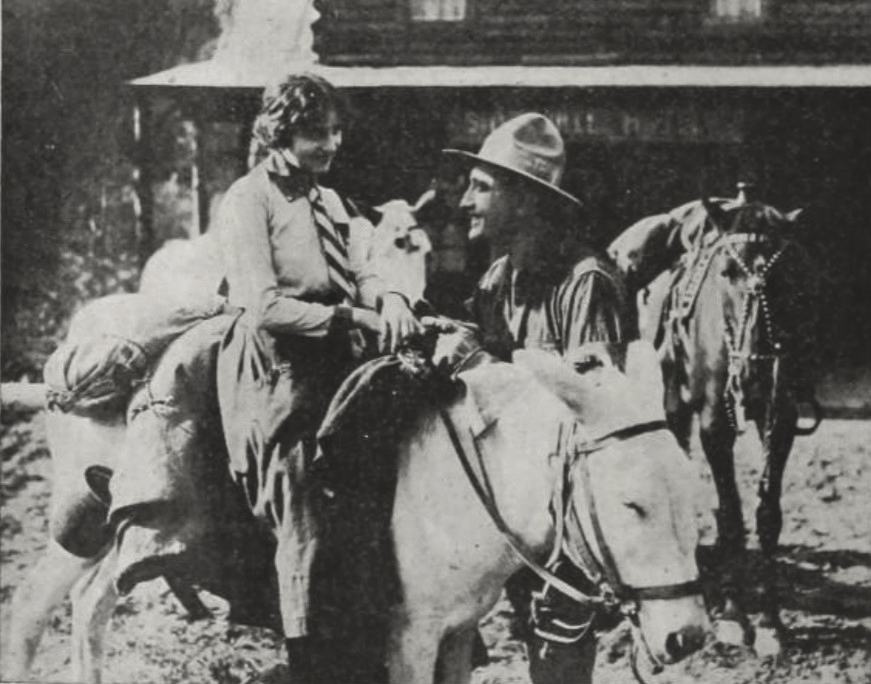
The climax of 'Their Compact' unfolds in the vast, unforgiving expanse of the desert, a fitting backdrop for the final reckoning. Moore intercepts Verda and Horton, leading to a dramatic confrontation that resolves the immediate threat posed by Horton. The film, in the spirit of many silent Westerns, likely portrays this resolution with a certain economy of action, but the implication of Horton's "disposal" is clear: a form of frontier justice, swift and uncompromising, meted out in the absence of formal law. This act, while violent, serves to restore a semblance of order and to clear Moore's name through decisive action where words had failed. Following this, Moore returns Verda to the town, a pivotal moment that unleashes the collective wrath of its citizens. Their furious reaction to Verda's duplicity—driving her back into the desert—is a powerful depiction of communal judgment, a form of societal expulsion for betrayal that transcends legal processes. This raw, emotional response from the townsfolk underscores the moral codes deeply ingrained in frontier communities, where fidelity and honesty held immense value, and their transgression invited severe condemnation. It's a stark portrayal of the consequences of deceit, where the natural world itself seems to reject the morally corrupt. This kind of communal justice is a recurring motif in Westerns, often more immediate and brutal than any court, much like the dramatic community responses seen in films about honor and reputation, perhaps even touching on the themes of societal ostracization found in The Evil Eye where fear and suspicion govern reactions.
With the tempest of betrayal and violence finally abated, Moore, now fully transformed into a man of courage and integrity, turns to Mollie. His proposal is not merely a romantic gesture; it is the culmination of his arduous journey, a testament to the enduring power of genuine affection and steadfast loyalty. Mollie, who saw his true character from the outset and stood by him through his darkest hour, represents the promise of a future built on trust and mutual respect. Their union signifies the triumph of authentic connection over superficial charm and deceit. The film concludes not with a return to the East, but with Moore fully embracing his place in the West, having earned his standing through trial by fire. This resolution, where the protagonist finds peace and partnership after navigating immense challenges, is a classic Western trope, symbolizing the establishment of new beginnings and the forging of a stable life amidst the wildness. It reflects a core ideal of the genre: that true character is revealed and rewarded in the crucible of the frontier. The journey of Moore, from a man fleeing his past to one building a future, is a compelling arc that speaks to the human capacity for growth and resilience, ultimately finding solace and purpose in a world that initially seemed intent on destroying him. This echoes the journey of many protagonists in films like The Conflict, where personal struggles ultimately lead to a stronger self and a clearer path forward.
While 'Their Compact' might not be as widely celebrated as some of its more famous contemporaries, its narrative complexity and thematic depth solidify its place as a significant entry in the canon of silent Westerns. The film masterfully utilizes the visual language of silent cinema—expressive acting by its cast, particularly Henry Mortimer and Beverly Bayne, dramatic staging, and the evocative power of intertitles—to convey intricate emotional states and propel a fast-paced plot. Charles Logue's script deftly balances the archetypal elements of the Western genre with a deeply personal drama, creating a story that is both thrilling and emotionally resonant. The stark contrasts between characters—Moore's quiet integrity versus Horton's brute force, Mollie's unwavering loyalty versus Verda's treacherous deceit—provide a rich tapestry of human nature. The film's commentary on justice, honor, and the societal repercussions of moral failings remains as pertinent today as it was over a century ago. It stands as a testament to the fact that even in an era without synchronized sound, filmmakers were capable of crafting compelling, multifaceted stories that captivated audiences and explored the very essence of the human condition against the dramatic backdrop of America's evolving frontier. The enduring power of these early films lies not just in their historical significance, but in their ability to communicate universal truths through the sheer artistry of visual storytelling. The silent era, often underestimated, produced a wealth of powerful narratives, and 'Their Compact' is a shining example of its ability to weave together action, romance, and profound moral dilemmas into a cohesive and impactful cinematic experience.
The journey of James Van Dyke Moore through the crucible of the West, plagued by a past love and a silent vow, culminates in a powerful statement on personal integrity and the relentless pursuit of authentic connection.
The film serves as a compelling reminder of how personal choices, particularly those made under duress, can ripple through a community and define an individual's destiny. It's a journey from innocence to experience, from naive idealism to hardened wisdom, all set against the iconic, yet unforgiving, canvas of the American West. The performances, though constrained by the conventions of silent acting, manage to convey deep emotional currents, allowing the audience to connect with the characters' struggles and triumphs. Logue's narrative structure, building tension through escalating misunderstandings and culminating in a dramatic desert chase and a powerful communal judgment, keeps the viewer engaged from start to finish. It’s a classic story of good versus evil, but complicated by the nuances of human frailty and the burden of a secret. The enduring appeal of 'Their Compact' lies in its ability to tap into universal themes of justice, love, and the consequences of one's actions, presented through the captivating lens of early 20th-century filmmaking. It’s a film that demands a re-evaluation, not just as a historical curiosity, but as a robust piece of storytelling that continues to echo its compact with the audience: to deliver a tale of profound human drama.
IMDb —
1928
Community
Log in to comment.