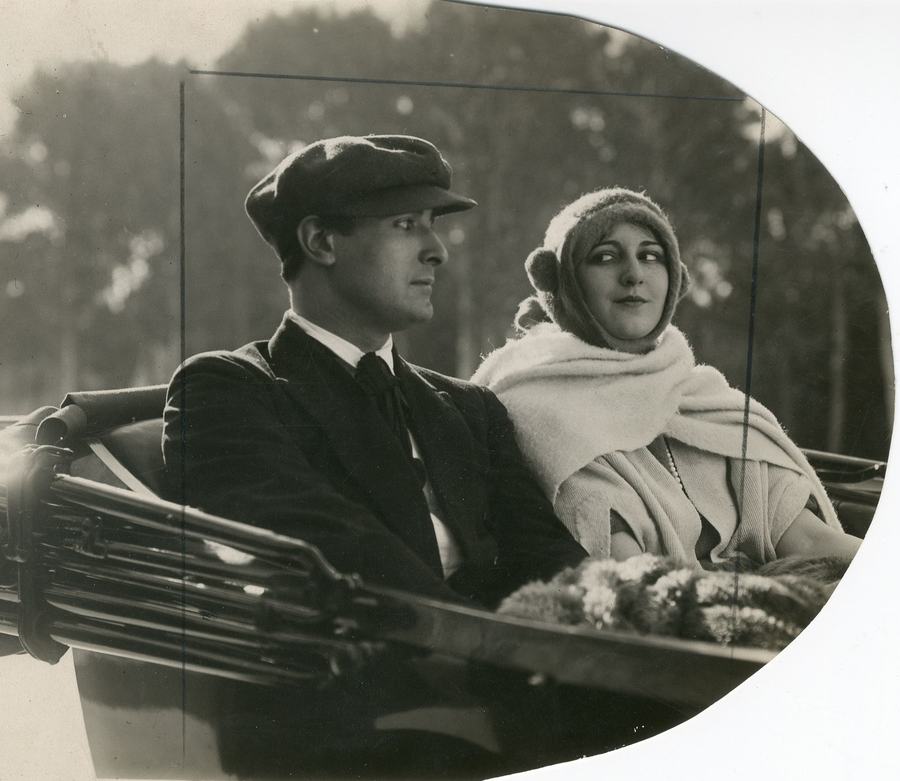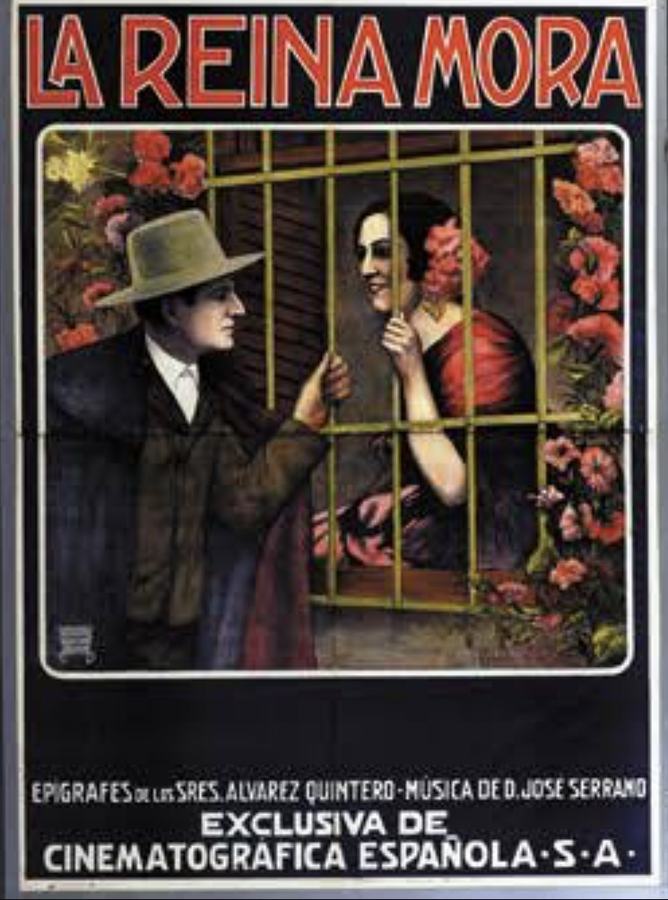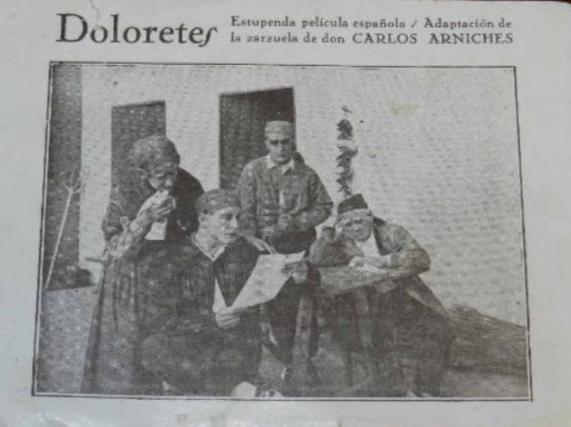
The cinematic landscape of the 1920s was a crucible of national identity, and in Spain, few works capture the friction between burgeoning modernity and the stubborn persistence of tradition quite like Doloretes (1923). Directed by the prolific José Buchs and adapted from the celebrated theatrical works of Carlos Arni...
production_art

Comparing the cinematic DNA and archive impact of two defining moments in cult history.
José Buchs

Harley Knoles
Community
Log in to comment.
" The cinematic landscape of the 1920s was a crucible of national identity, and in Spain, few works capture the friction between burgeoning modernity and the stubborn persistence of tradition quite like Doloretes (1923). Directed by the prolific José Buchs and adapted from the celebrated theatrical works of Carlos Arniches, this film is not merely a celluloid transcription of a stage play; it is an evocative, often visceral exploration of the Iberian soul. While international audiences of the er..."
Carlos Arniches, José Buchs
Spain