France
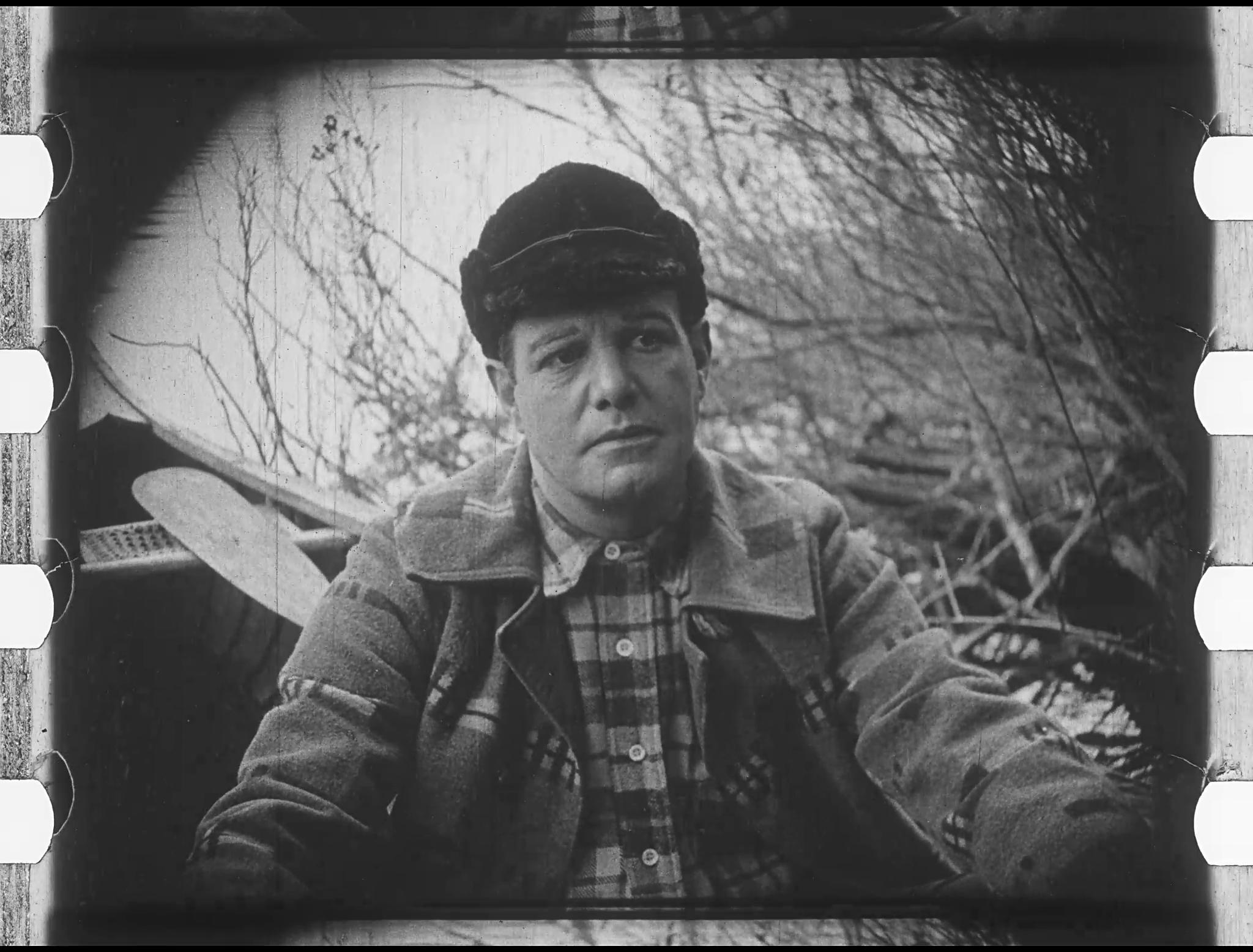
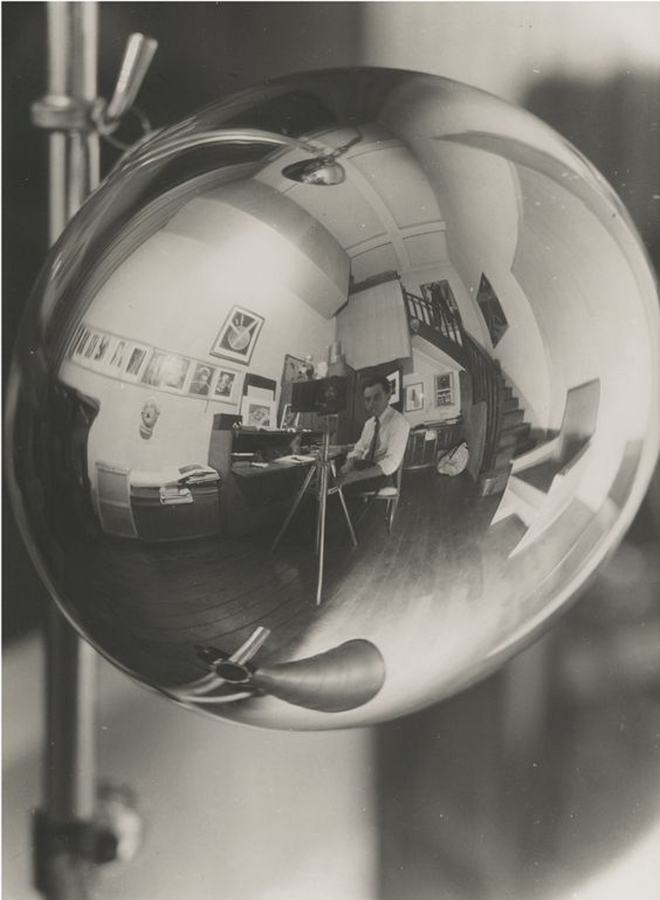
Rue Campagne-Première is not a film to be watched but a hallucination to be lived. Man Ray, the maverick who straddled the boundaries of Dada, Surrealism, and experimental photography, transplants his visual rebellion into celluloid, creating a work that is as disorienting as it is transcendent. Released in the early 1...
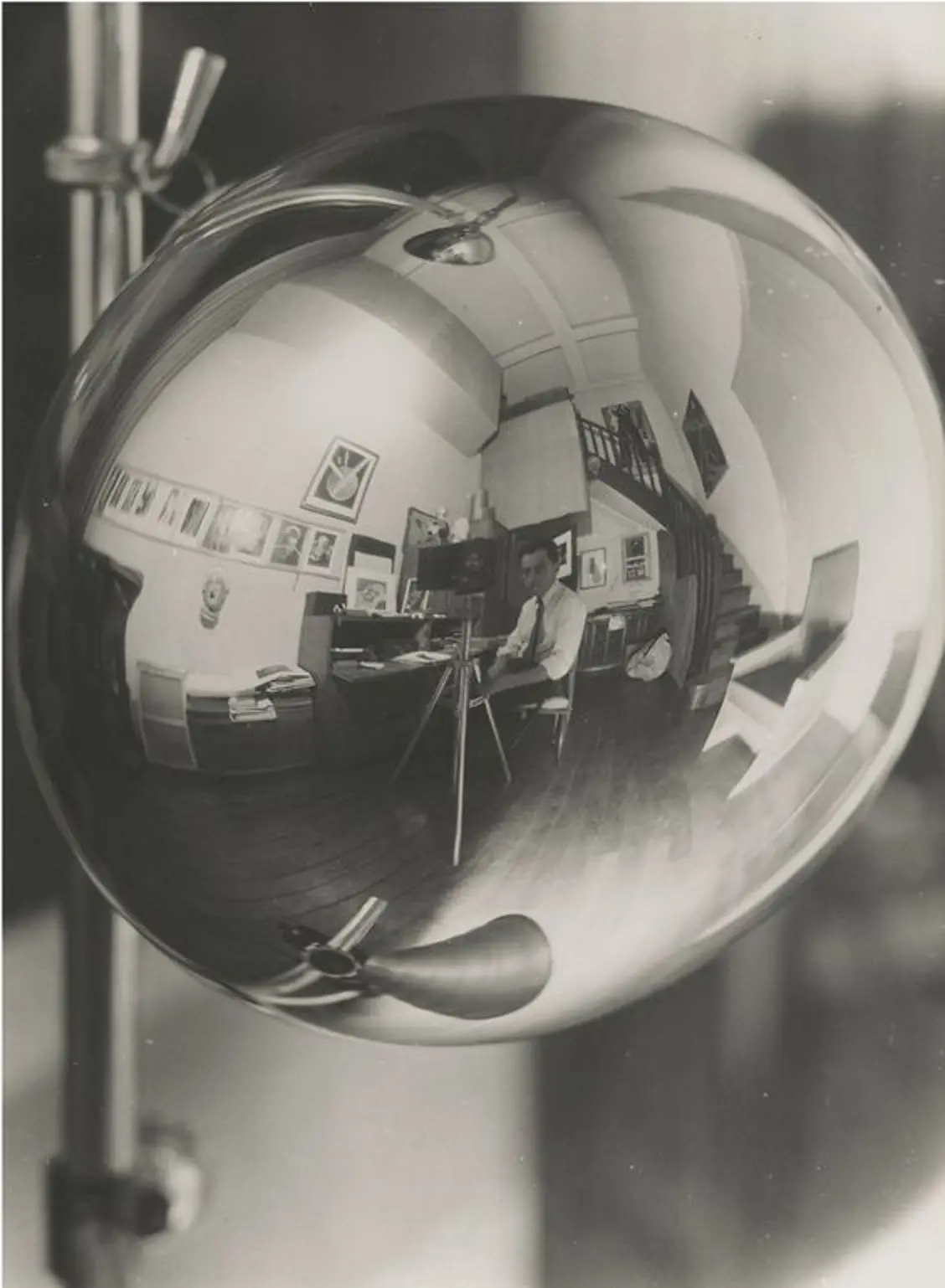
still_frame
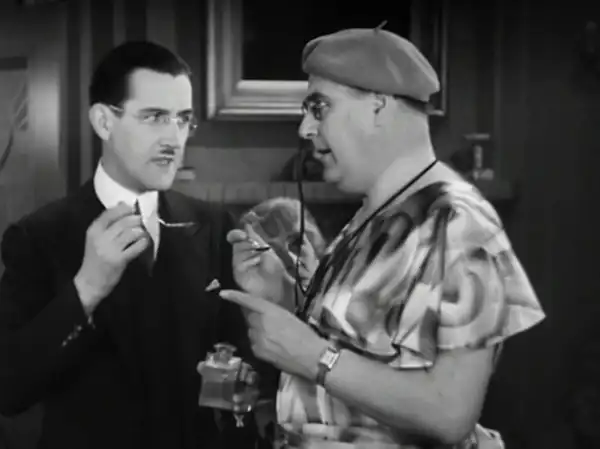
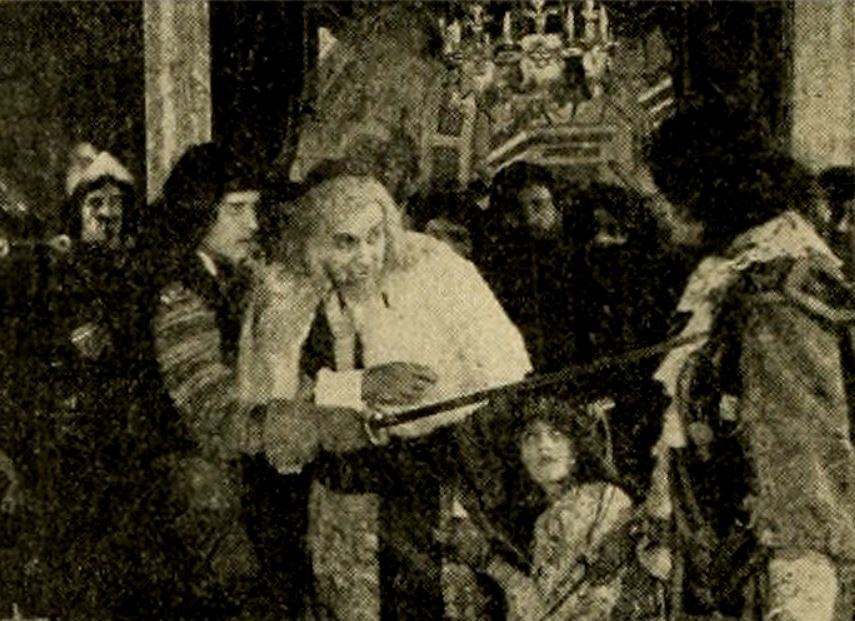
Comparing the cinematic DNA and archive impact of two defining moments in cult history.
Man Ray
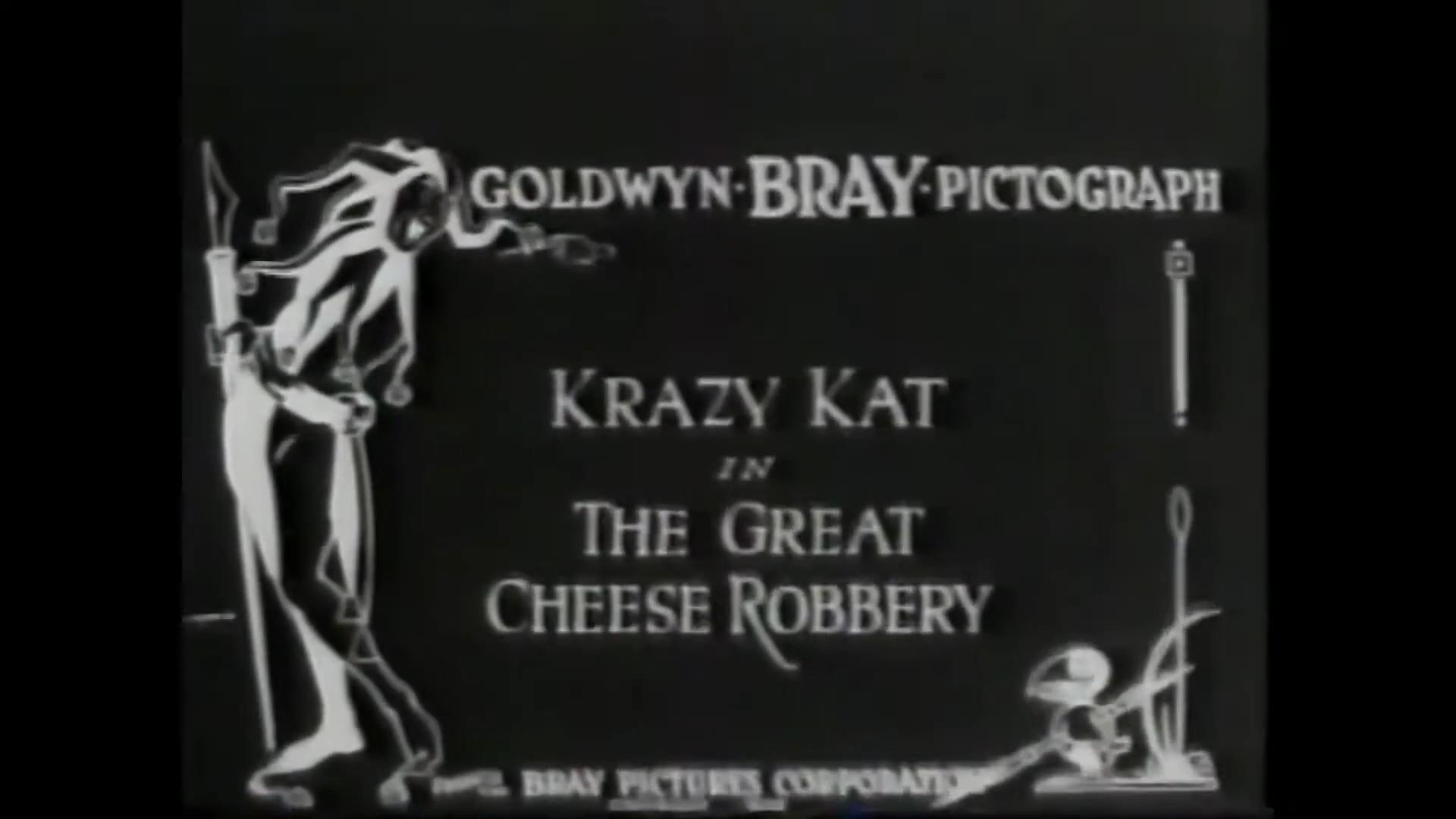
Vernon Stallings
Community
Log in to comment.
"Rue Campagne-Première is not a film to be watched but a hallucination to be lived. Man Ray, the maverick who straddled the boundaries of Dada, Surrealism, and experimental photography, transplants his visual rebellion into celluloid, creating a work that is as disorienting as it is transcendent. Released in the early 1920s, this 28-minute marvel defies the conventions of its era, trading structured plots for a series of fever-dream sequences that feel both alien and achingly familiar. The film’s..."
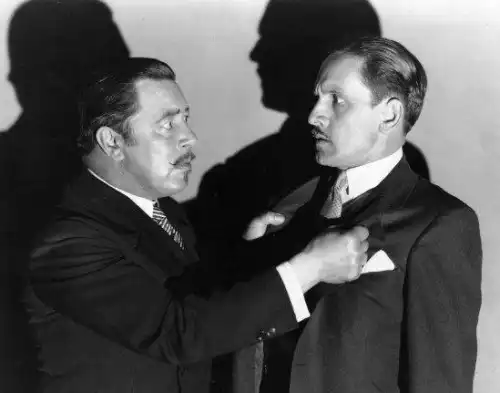

Deep dive into the cult classic
Discover similar cinematic experiences
A Directorial Spotlight on Man Ray