DbcultAccessing Vault...
Cult Review
Senior Film Conservator
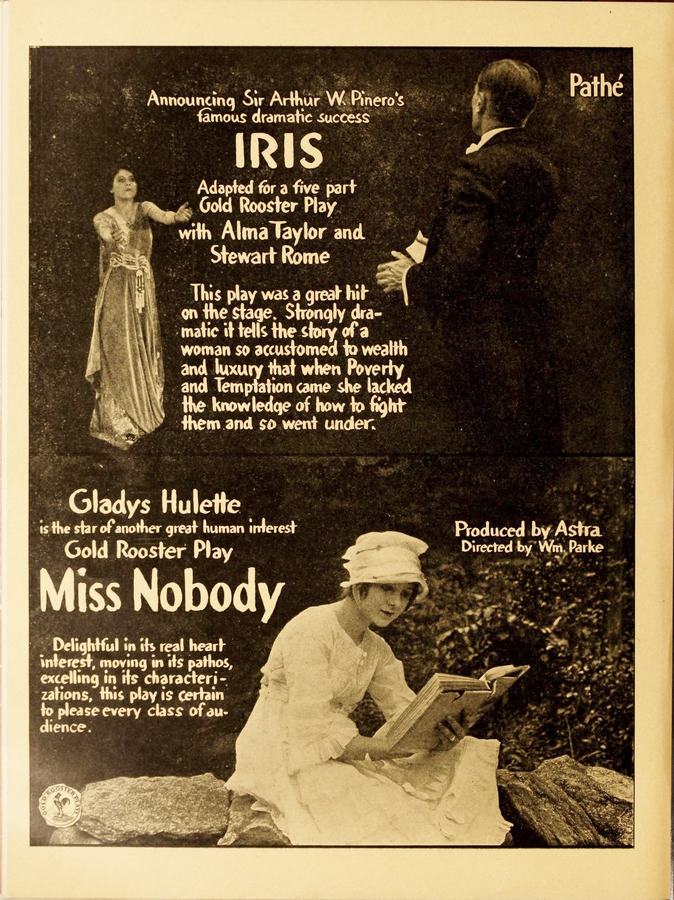
There’s a certain melancholic beauty in watching a silent film like Iris. It's not just the flickering images or the evocative piano scores that often accompany them, but the sheer power of visual storytelling, of emotions writ large across faces and gestures, unburdened by dialogue. This particular cinematic gem, an adaptation of Arthur Wing Pinero’s acclaimed play, plunges us into a world where societal expectations are as rigid as the corsets women were expected to wear, and personal freedom is a luxury few, especially women, could truly afford. It's a testament to early filmmaking's capacity for profound human drama, proving that complex narratives and deep character studies were not exclusive to the sound era.
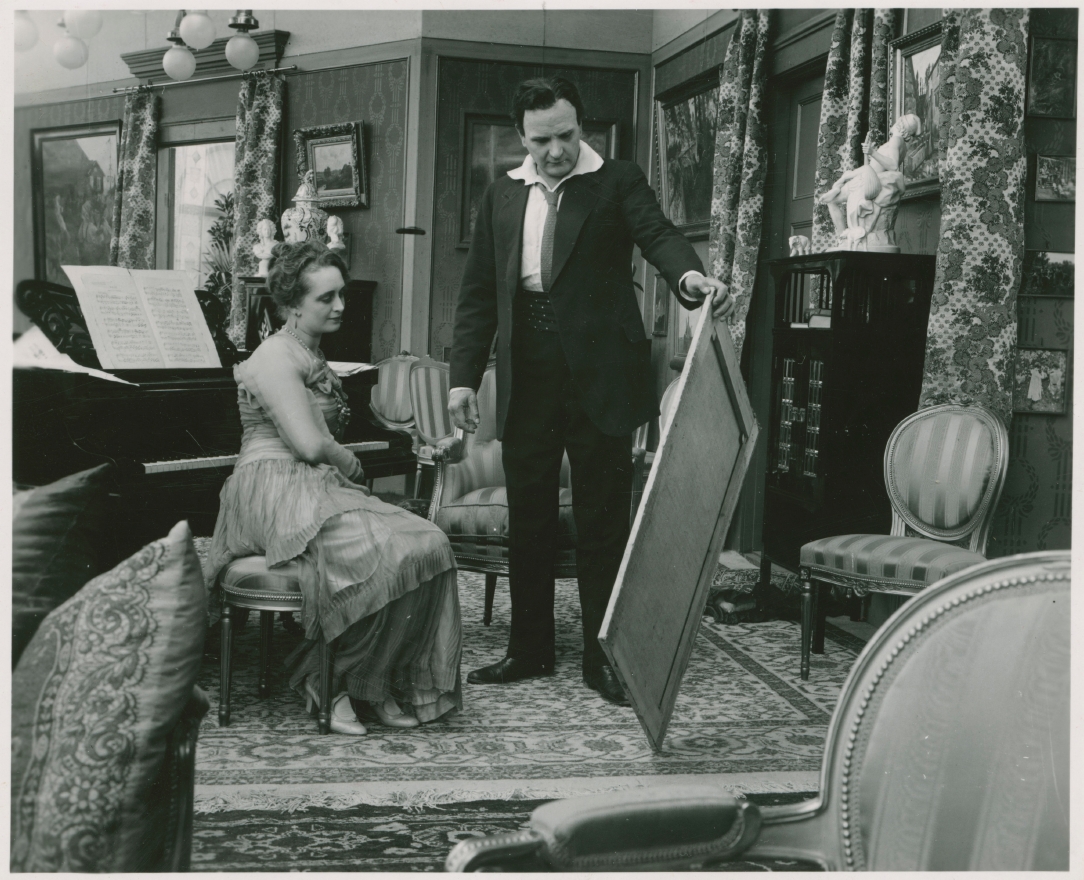
At its heart, Iris is a searing indictment of the patriarchal strictures that ensnared women, even those of immense wealth. Our protagonist, Iris Bellamy, portrayed with exquisite vulnerability by Alma Taylor, is a widowed heiress. Her fortune, however, comes with a draconian caveat: she is expressly forbidden to remarry. Should she dare to seek a new husband, she forfeits every penny. This isn't merely a plot device; it's a window into the legal and social realities of the time, where a woman's economic standing was often inextricably linked to her marital status and subject to the whims of male benefactors, living or deceased. Iris is, in essence, a prisoner of her own inheritance, her gilded cage a symbol of profound disempowerment. The very wealth that should grant her liberation instead imposes an invisible, yet unbreakable, chain.
Taylor’s performance is a masterclass in silent film acting. She doesn't just emote; she embodies the internal turmoil of a woman caught between desire and duty, between personal yearning and devastating consequence. Her eyes, often shadowed with a palpable sadness, convey more than any lines of dialogue ever could. We see the flicker of hope when a new love appears, the agonizing conflict as she weighs her heart against her fortune, and ultimately, the crushing despair as her choices unravel. It's a performance that resonates deeply, drawing the viewer into Iris's psychological landscape, making her plight feel intensely personal despite the historical distance. Her subtle shifts in posture, the hesitant gestures, and the profound expressions of anguish are all meticulously crafted, painting a portrait of a woman whose spirit is slowly being crushed by the weight of societal judgment and her own desperate decisions.
Arthur Wing Pinero, the celebrated playwright whose work forms the foundation of this film, was renowned for his incisive critiques of Victorian and Edwardian society. His plays often tackled controversial subjects, particularly the restrictive roles and double standards faced by women. Iris is no exception. The adaptation to the silent screen, while necessarily condensing some of the play's intricate dialogue and character development, masterfully retains Pinero’s central thematic concerns. The film doesn't shy away from depicting the hypocrisy of a society that simultaneously valorized female purity and independence, yet stripped women of the means to achieve either without male sanction.
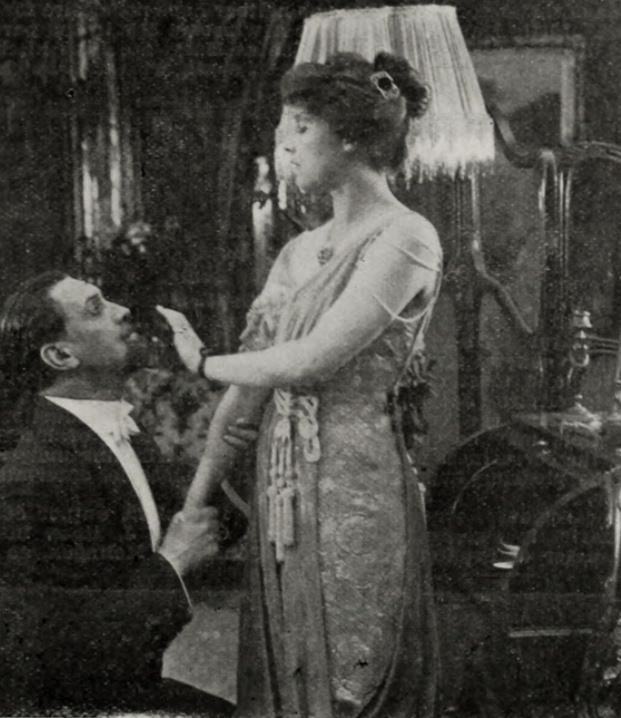
The cinematic treatment of Pinero's material relies heavily on visual metaphors and strong character interactions. The opulent settings, often contrasted with Iris's inner desolation, serve to highlight the superficiality of her privileged existence. The early filmmakers understood that the strength of the narrative lay in its emotional core, and they used every tool at their disposal – from carefully composed shots to the dramatic use of intertitles – to convey the nuanced emotional landscape Pinero had originally crafted. It’s a delicate balance, translating theatricality to the screen, but Iris largely succeeds, proving the enduring power of a well-told story, irrespective of its medium. This adaptation stands as a testament to the fact that even in the nascent years of cinema, filmmakers were already grappling with sophisticated literary works, demonstrating their ambition to elevate the new art form beyond mere spectacle.
Into Iris’s constrained life steps a suitor, a man who offers not just companionship but the tantalizing possibility of genuine affection. But this love comes with a heavy price. The film expertly navigates the moral ambiguities of this relationship. Is it true love, a desperate bid for happiness, or a reckless act of defiance? The man, portrayed by Stewart Rome, is charismatic, yet his own financial instability complicates Iris’s already precarious position. His presence forces Iris to confront the ultimate dilemma: to choose between her substantial fortune and the promise of a future with someone she loves, knowing that choice will lead to social ruin and economic destitution. This isn't a simple fairytale romance; it's a brutal examination of the compromises women were forced to make in an era where their value was often measured by their wealth and adherence to social conventions.
The supporting cast, including Violet Hopson and Henry Ainley, further enriches the narrative tapestry. Hopson, often cast in roles that exuded strength or vivacity, here provides a contrasting figure, perhaps representing the more conventional path Iris eschews, or serving as a mirror reflecting society’s judgment. Ainley, a stalwart of the stage and screen, brings a gravitas to his role, embodying the societal forces or individual characters who either enable or condemn Iris’s actions. Their performances, though perhaps less central than Taylor’s, contribute significantly to the film’s atmosphere of social scrutiny and the escalating sense of doom that permeates Iris’s world. Each character acts as a piece in the intricate puzzle of Iris's downfall, highlighting the various pressures she faces from all corners of her social sphere. The film excels in illustrating how a person's individual choices are never truly isolated, but rather ripple outwards, affecting and being affected by those around them.
Silent cinema, particularly in this era, was a rapidly evolving art form, and Iris demonstrates a sophisticated understanding of its unique visual language. Without spoken dialogue, filmmakers relied on a combination of expressive acting, carefully constructed mise-en-scène, and the judicious use of intertitles to convey plot, character thoughts, and emotional subtext. The close-ups on Alma Taylor’s face are particularly effective, allowing the audience to intimately connect with her internal struggles. Her nuanced facial expressions – a subtle tremor of the lip, a fleeting look of despair, a determined set of the jaw – become powerful conduits for her character’s journey. These visual cues are supplemented by body language, where gestures and posture communicate volumes about a character's social standing, emotional state, or intentions.
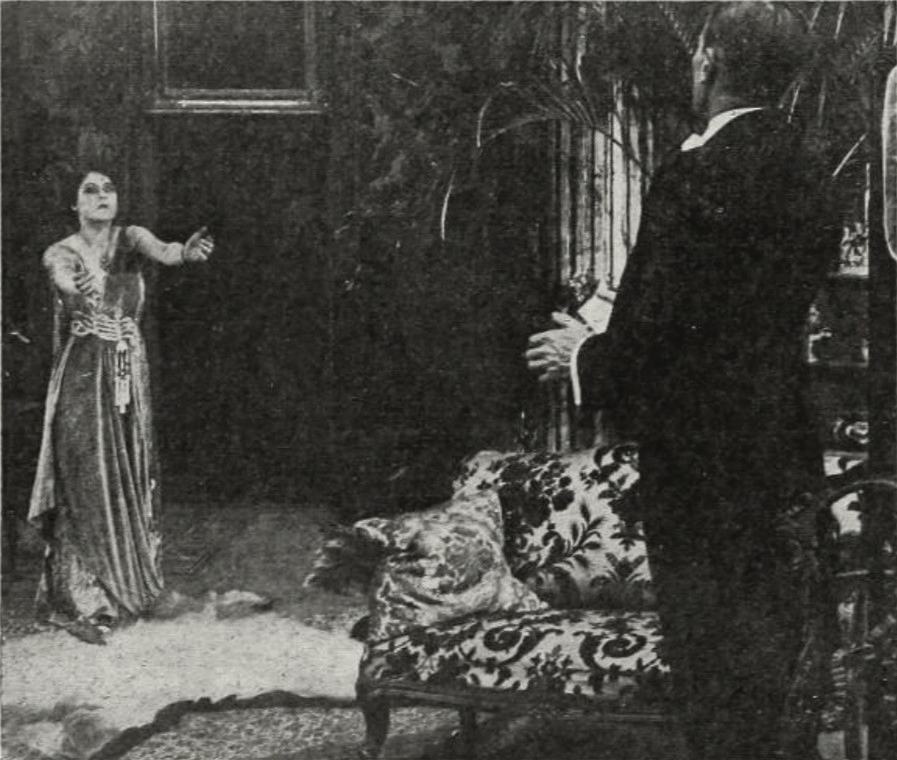
The editing, too, plays a crucial role in pacing the drama and building suspense. Scenes transition smoothly, guiding the viewer through Iris’s escalating predicament. The use of parallel editing might juxtapose Iris’s moments of fleeting happiness with the stark reality of her impending ruin, heightening the tragic irony. Furthermore, the film likely employed various lighting techniques to create mood and emphasize dramatic moments, casting characters in shadow to suggest moral ambiguity or illuminating them fully to highlight moments of clarity or confrontation. These techniques, though perhaps rudimentary by today's standards, were revolutionary for their time, demonstrating the nascent industry's burgeoning understanding of cinematic grammar. Comparing this to other contemporary works, one might see similarities in dramatic construction to The Dead Secret, where suspense and character psychology are paramount, or even the narrative clarity seen in films like Life and Passion of Christ, albeit with a different subject matter. The ability to convey such complex human emotion and societal critique through purely visual means is a testament to the ingenuity of these early cinematic pioneers.
The film’s exploration of financial dependence is particularly poignant. Iris, despite her immense wealth, is not truly independent. Her fortune is conditional, a tether that binds her to the will of a deceased man and the dictates of a judgmental society. This lack of genuine financial autonomy underscores a pervasive theme of the era: for women, true freedom was often an illusion, masked by superficial comforts. Her choice to take a lover, while an act of personal rebellion, ultimately leads to societal ostracism, a fate often more terrifying than poverty itself for women of her standing. The film vividly portrays the devastating consequences of transgressing social norms, showing how quickly a woman could fall from grace, losing not just her wealth but her reputation and standing within her community.
The narrative arc of Iris serves as a powerful commentary on the double standards prevalent in society. While a man might engage in similar indiscretions with far less severe repercussions, a woman like Iris faces complete ruin. This stark reality is depicted with a heartbreaking clarity that transcends the silent medium. The film doesn't offer easy answers or neat resolutions; instead, it forces the audience to confront the harsh realities of a woman's limited choices and the unforgiving nature of a society built on hypocrisy. It asks us to consider the true cost of love and liberty when pitted against the entrenched power structures of wealth and social convention. This societal critique finds echoes in other films of the period, such as Vanity, which also delved into the moral complexities and social pressures faced by women, albeit with different narrative specifics. The common thread is the profound scrutiny placed upon female agency and the severe penalties for deviation from prescribed roles.
Even a century later, the themes explored in Iris retain a striking resonance. While the specific legal constraints on women have largely been dismantled in many parts of the world, the film’s underlying questions about personal autonomy, the pressures of societal expectations, and the compromises one makes for love or security remain profoundly relevant. How much freedom do we truly possess when our choices are dictated by economic realities or social judgments? The film compels us to consider the subtle, and not-so-subtle, ways in which individuals, particularly women, continue to navigate complex landscapes of expectation, desire, and consequence.
The enduring appeal of Iris lies not just in its historical significance as an early cinematic adaptation of a prominent play, but in its timeless depiction of human struggle. It’s a reminder that the battles for personal liberty and self-determination are ongoing, even if the battlefields have shifted. The film invites contemporary audiences to reflect on the progress made, but also to acknowledge the subtle forms of constraint that persist. It serves as a powerful historical document and a compelling drama, proving that truly great storytelling transcends the technological limitations of its era. It might not have the sensationalism of a Beatrice Fairfax serial or the grand spectacle of The Glory of Youth, but its quiet, intense drama leaves an indelible mark.
Ultimately, Iris stands as a poignant artifact of silent cinema, showcasing the remarkable talent of its cast, particularly Alma Taylor, and the visionary adaptation of Arthur Wing Pinero’s powerful narrative. It’s a film that speaks volumes without uttering a single word, relying instead on the universal language of human emotion and the compelling power of visual storytelling. For those interested in the evolution of cinema, the history of women’s roles in society, or simply a deeply moving drama, Iris is an essential viewing experience. Its narrative of a woman's desperate grasp for agency against overwhelming societal odds continues to resonate, long after the last flicker of its silent reels. It’s a testament to the fact that even in its infancy, cinema had the capacity to explore the most profound and complex facets of the human condition, leaving audiences with much to ponder about the nature of freedom, love, and the price of defying convention. The film's legacy, much like its protagonist's journey, is one of quiet power and enduring relevance, a compelling argument for the sophisticated artistry of the silent era.
IMDb 6.3
1933
Community
Log in to comment.