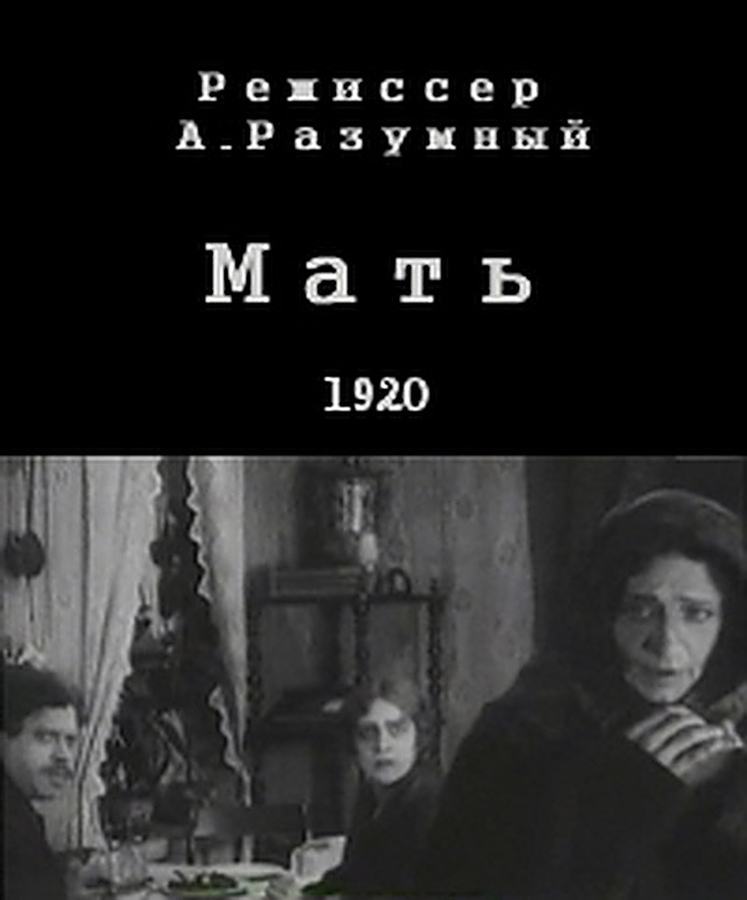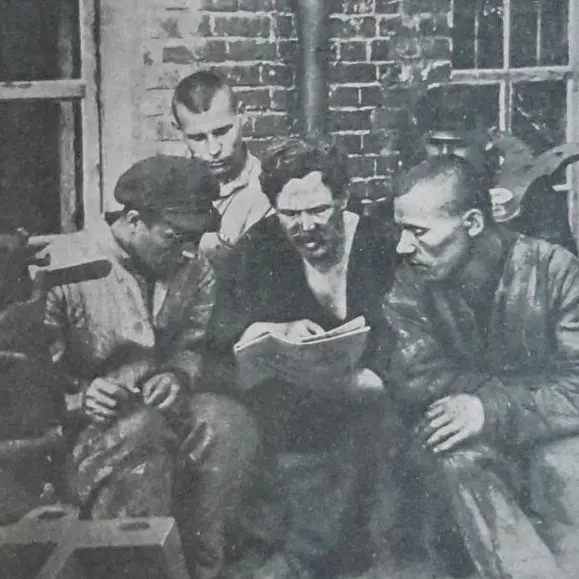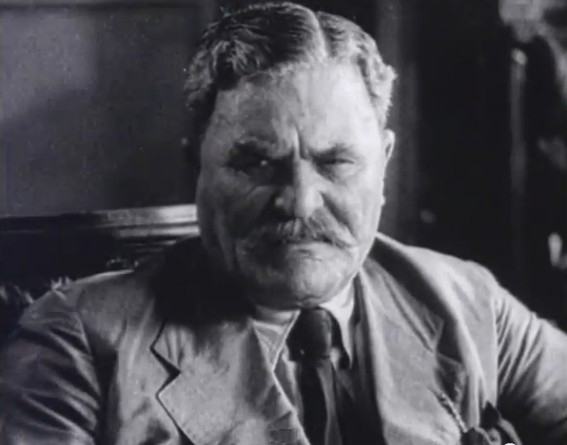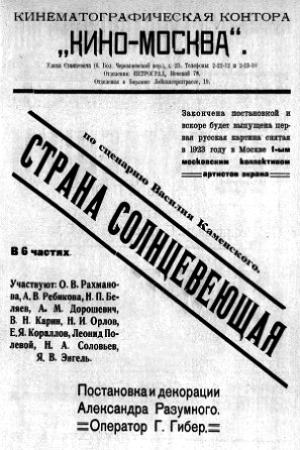
The film presents a broad picture of social life through the prism of the family life of the largest Perm merchant Gribushin and an ordinary worker during the NEP period..
A Canvas of Contradiction: Contextualizing *Semya Gribushinykh* When the silver screen of the early Soviet era turned its gaze toward the domestic sphere, few films managed to capture the paradoxical spirit of the New Economic Policy (NEP) as deftly as Semya Gribushinykh. Directed by Vasili Kamensky, the film oper...
Comparing the cinematic DNA and archive impact of two defining moments in cult history.
Aleksandr Razumnyj
Aleksandr Razumnyj
Community
Log in to comment.
" A Canvas of Contradiction: Contextualizing *Semya Gribushinykh* When the silver screen of the early Soviet era turned its gaze toward the domestic sphere, few films managed to capture the paradoxical spirit of the New Economic Policy (NEP) as deftly as Semya Gribushinykh. Directed by Vasili Kamensky, the film operates less as a linear narrative and more as a sociological tableau, juxtaposing the opulent rituals of the Gribushin merchant dynasty with the gritty realism of a rank‑and‑file wor..."
Nikolay Belyaev
Vasili Kamensky
Soviet Union


Deep dive into the cult classic
Discover similar cinematic experiences
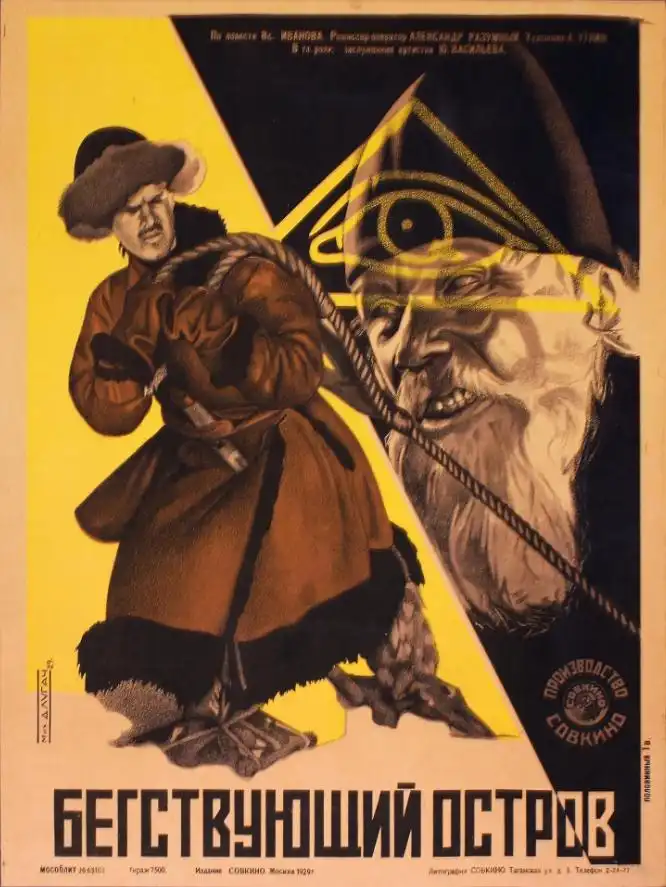
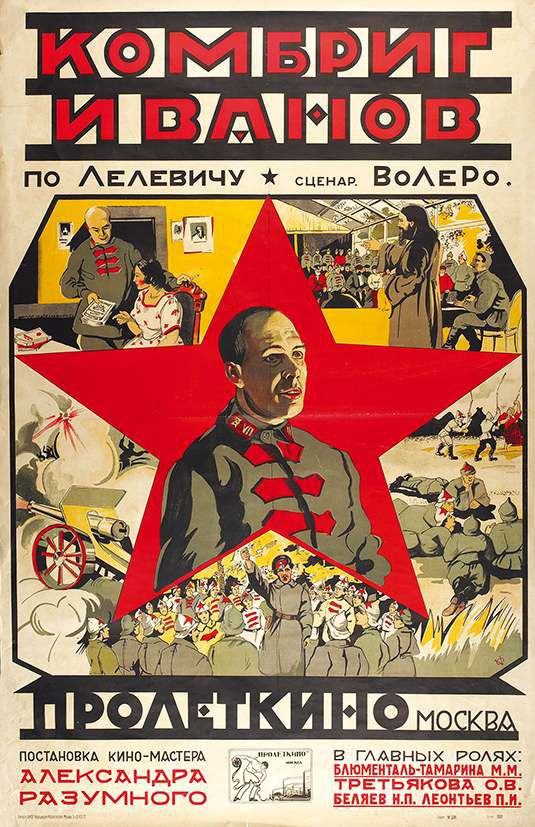
A Directorial Spotlight on Aleksandr Razumnyj