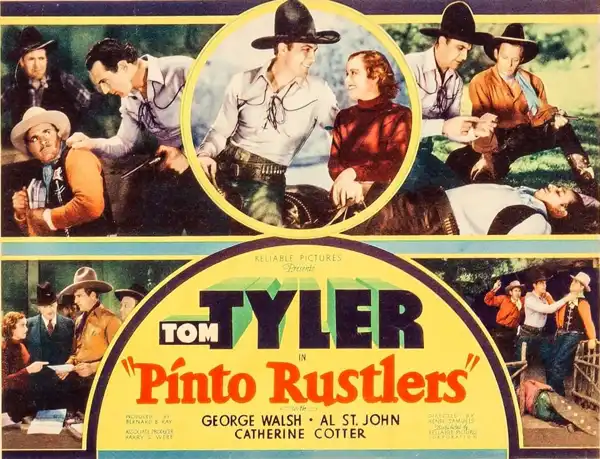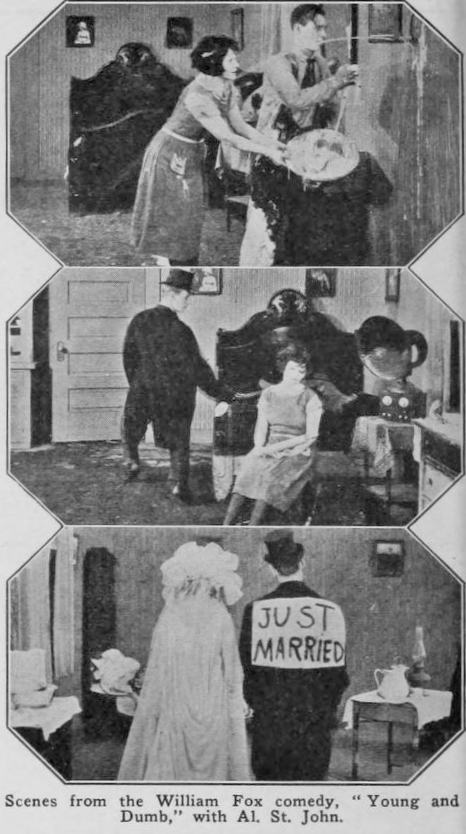
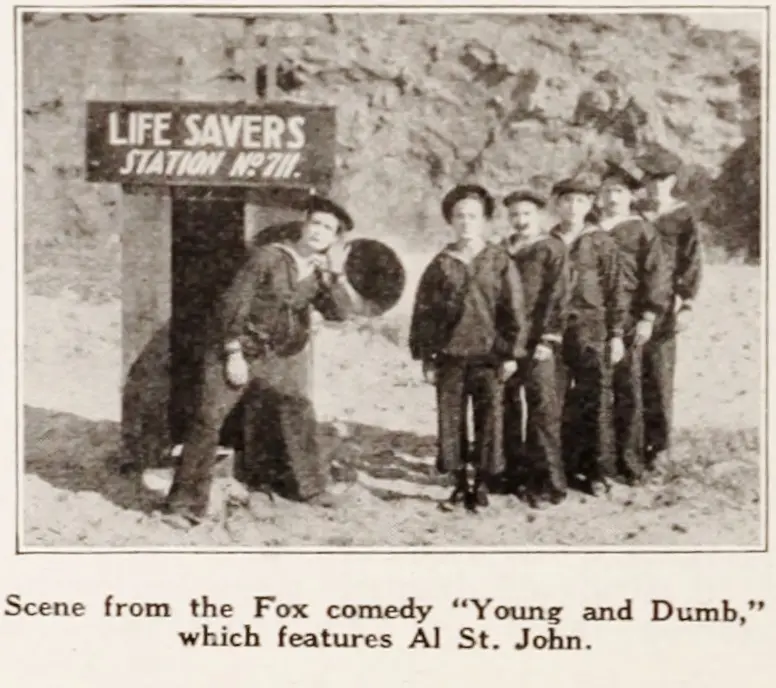
The silent era was not merely a precursor to modern cinema; it was a distinct, high-energy language of its own, and Young and Dumb stands as a vibrant, albeit frantic, dialect of that language. Starring the inimitable Al St. John, this short film is a masterclass in what I call 'kinetic storytelling.' While many crit...
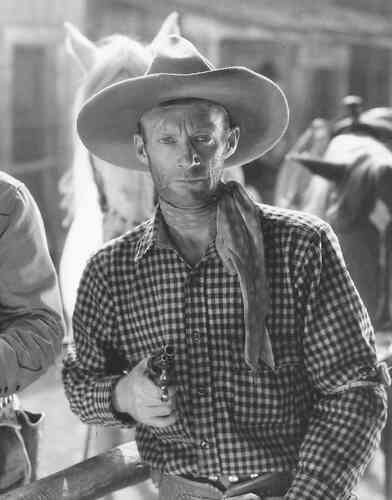
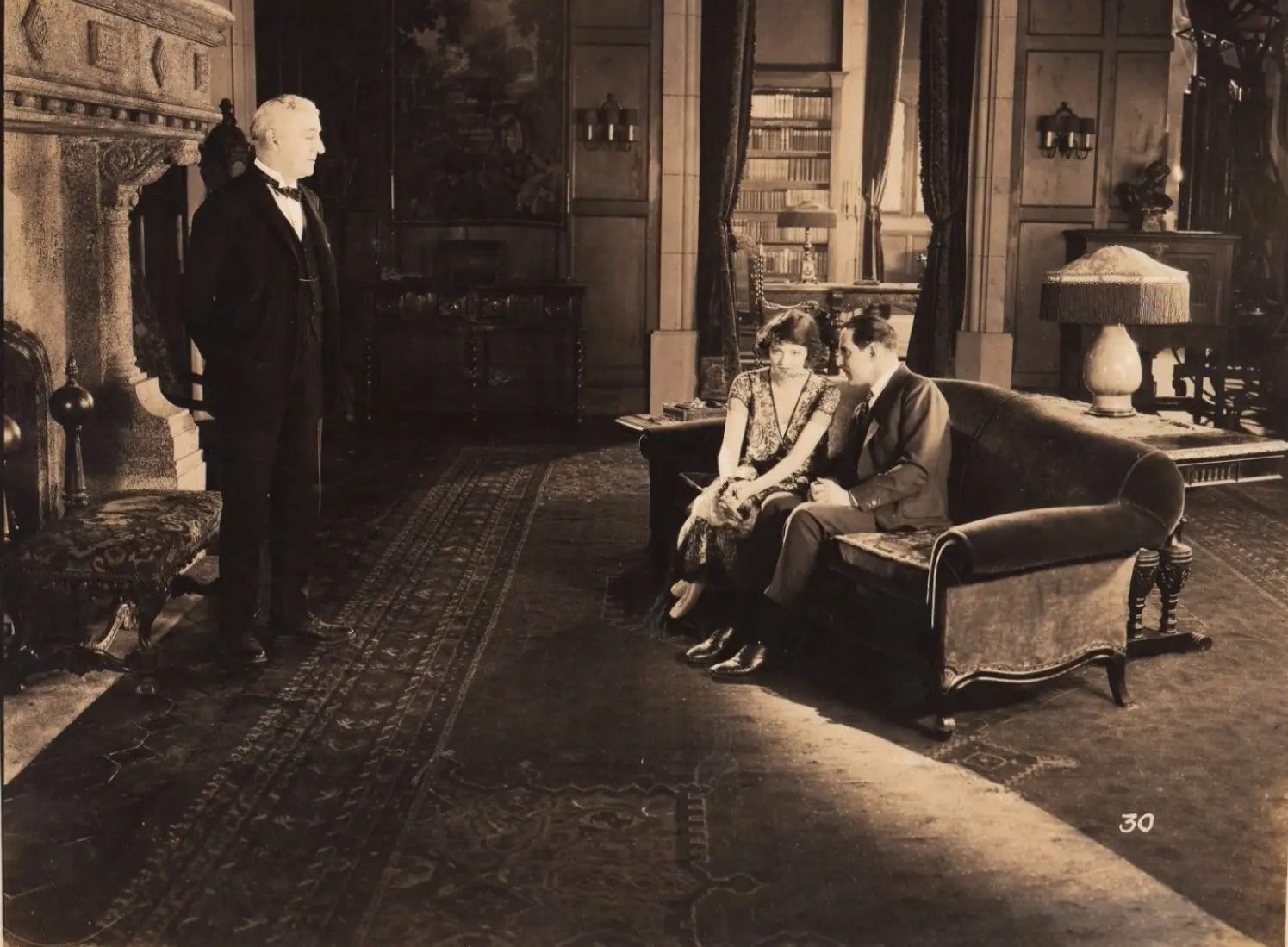
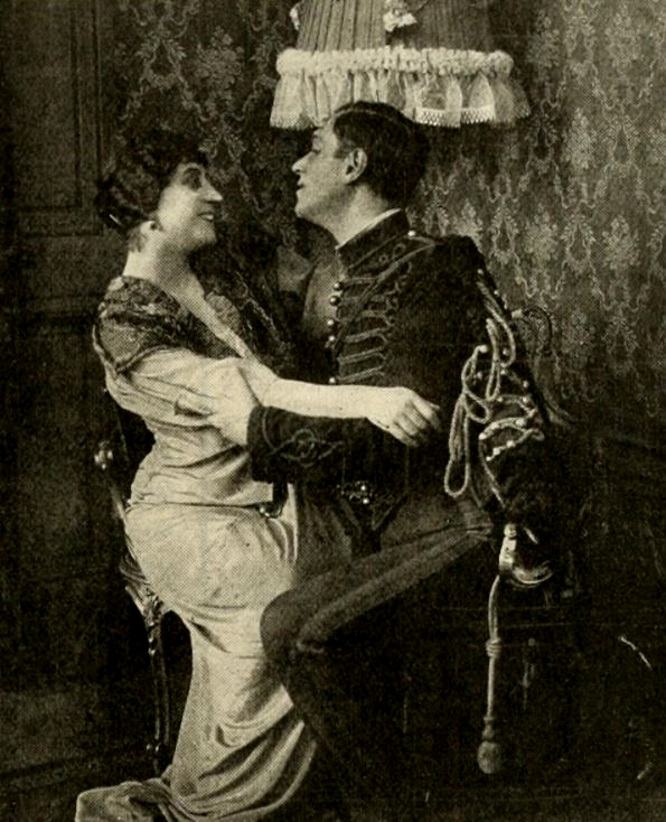
still_frame
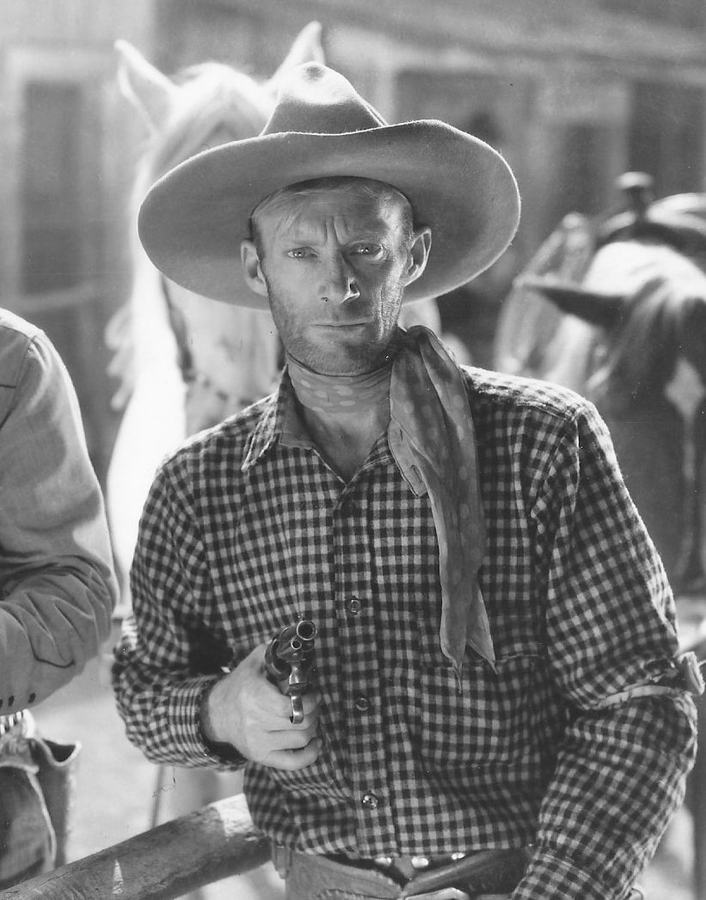
still_frame
Comparing the cinematic DNA and archive impact of two defining moments in cult history.
Al St. John
Unknown Director
Community
Log in to comment.
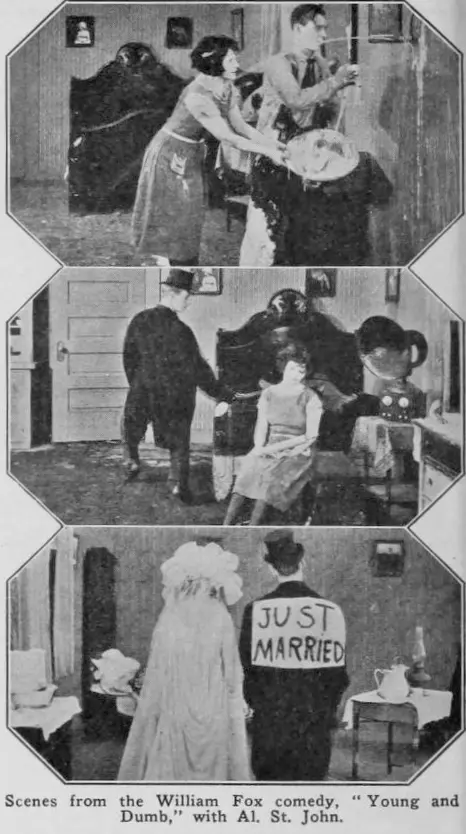
" The silent era was not merely a precursor to modern cinema; it was a distinct, high-energy language of its own, and Young and Dumb stands as a vibrant, albeit frantic, dialect of that language. Starring the inimitable Al St. John, this short film is a masterclass in what I call 'kinetic storytelling.' While many critics focus on the heavyweights like Chaplin or Keaton, St. John—often relegated to the shadows of his uncle Roscoe 'Fatty' Arbuckle—demonstrates a level of acrobatic prowess and com..."
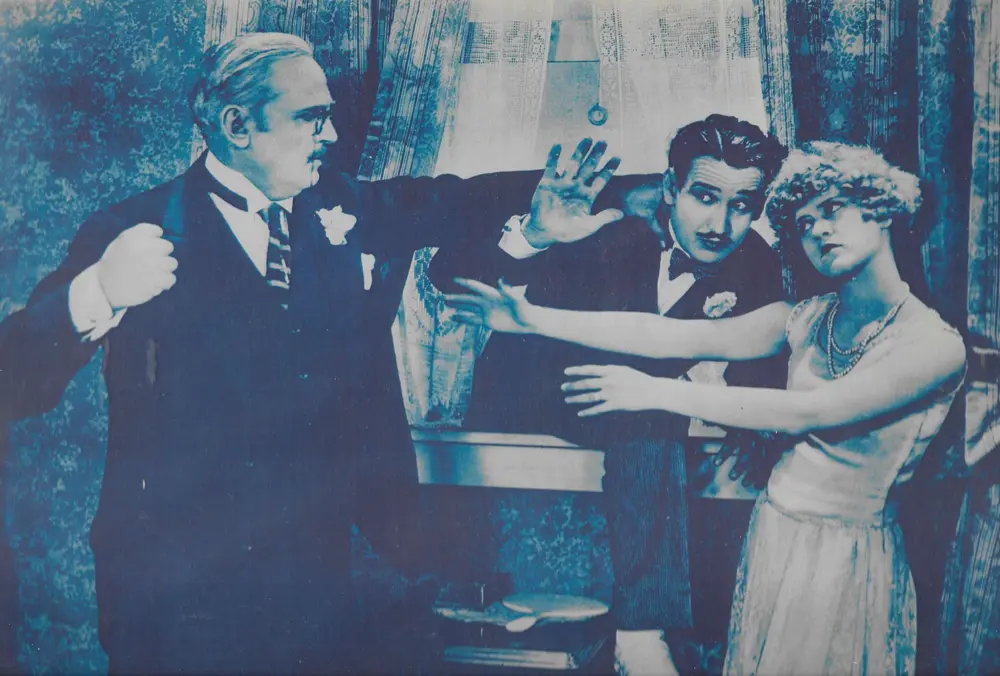
Deep dive into the cult classic
Discover similar cinematic experiences
A Directorial Spotlight on Al St. John