DbcultAccessing Vault...
Cult Review
Senior Film Conservator
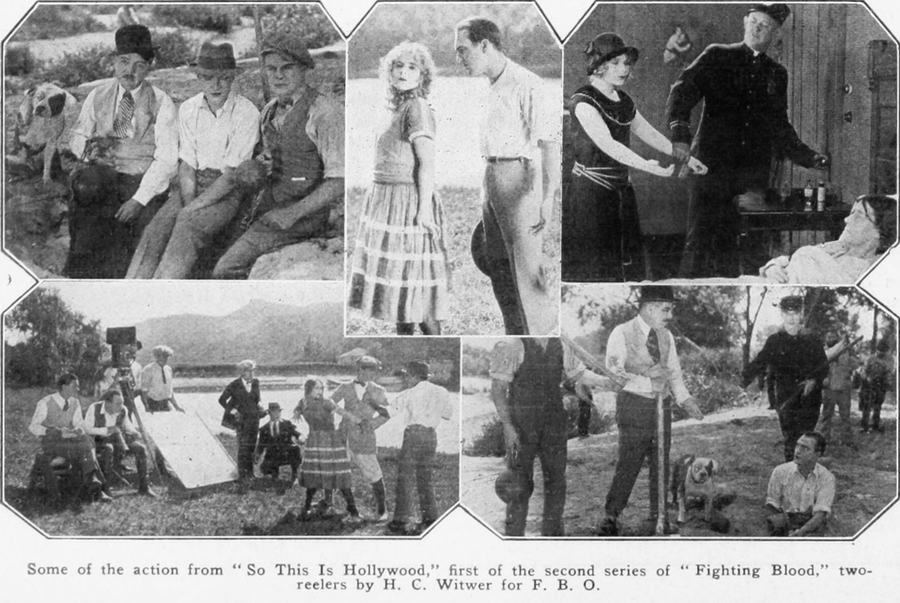
Ah, Hollywood. The very name evokes a tapestry of gilded dreams and shattered aspirations, a mythic landscape where stardust and cynicism dance an eternal tango. In the annals of early cinema, few films captured this dichotomy with such visceral honesty and nuanced pathos as H.C. Witwer and Beatrice Van's remarkable creation, So This Is Hollywood. This isn't merely a film; it's a meticulously crafted time capsule, offering an unflinching gaze into the nascent, tumultuous world of motion pictures, a world where the line between artifice and authenticity blurred with disarming ease. It’s a compelling piece that, even today, resonates with a profound understanding of the human cost exacted by the relentless pursuit of fame.
The narrative, a masterclass in character-driven storytelling, introduces us to Lily Mae Sunshine, brought to incandescent life by the luminous Mary Beth Milford. Milford, with her wide-eyed innocence and unwavering spirit, embodies the quintessential ingénue, a young woman who arrives in the burgeoning film capital armed only with an unshakeable belief in the magic of the silver screen and a tattered photograph of her cinematic idol. Her journey is immediately fraught with the harsh realities that lie beneath the glittering veneer of Hollywood. Milford’s portrayal is not one-dimensional; she imbues Lily Mae with a resilience that prevents her from becoming a mere caricature of naiveté. We witness her struggles through humiliating auditions, the indignity of bit parts, and the constant, soul-wearying rejections that are the daily bread of aspiring stars.
Standing in stark contrast to Lily Mae's effervescent optimism is George O'Hara's Jack Donovan, a stuntman whose world-weary cynicism is as palpable as the dust on the studio backlots. O'Hara delivers a performance of quiet intensity, his eyes betraying the deep-seated disillusionment that has settled over him like a shroud. Jack is a man whose own dreams have been battered into submission, leaving him with a raw, untapped talent he steadfastly refuses to acknowledge. The initial friction between Lily Mae and Jack is a vibrant spark, a clash of opposing philosophies that forms the emotional bedrock of the film. Their evolving relationship, from wary acquaintances to an unlikely, profound alliance, is charted with exquisite sensitivity, showcasing the subtle shifts in perception and the gradual erosion of their respective defenses. It's a testament to the writers, H.C. Witwer and Beatrice Van, that this central dynamic feels utterly authentic, avoiding the saccharine clichés often associated with such romantic pairings.
The supporting cast, a veritable rogue's gallery of Hollywood archetypes, further enriches the film's intricate tapestry. Al Cooke's Horace Glimmer is a triumph of character acting – a flamboyant, opportunistic director whose artistic pretensions barely conceal his predatory nature. Cooke imbues Glimmer with a slimy charm, making his advances towards Lily Mae all the more unsettling. He’s the embodiment of the industry’s darker side, a man who views talent as a commodity and vulnerability as an opportunity. His presence casts a long, ominous shadow, reminding us that the pursuit of dreams often comes with a steep moral price. Glimmer's manipulative tactics echo the less savory aspects of the industry depicted in other contemporary works, providing a stark contrast to the pure-hearted ambition seen in films like Daddy-Long-Legs, which often presented a more idealized view of success and patronage.
Then there is Louise Lorraine's Vivienne Dubois, the established but fading star. Lorraine's portrayal is heartbreakingly nuanced. Vivienne is a woman trapped in a gilded cage, clinging desperately to a fame that is slowly slipping through her fingers. She sees Lily Mae not only as a potential threat to her precarious position but also as a poignant reflection of her own youthful self, a ghost of ambitions past. Her performance adds a layer of melancholic realism, reminding us that Hollywood's churn is relentless, devouring its darlings with the same voracity it creates them. The subtle glances, the carefully constructed facade, and the moments of raw vulnerability Lorraine brings to Vivienne are simply masterful. One might draw a parallel to the fleeting nature of stardom explored in Scamps and Scandals, though the latter often leaned more into comedic takes on celebrity mishaps, whereas So This Is Hollywood maintains a dramatic gravitas.
And no portrayal of early Hollywood would be complete without the looming figure of the studio boss. Kit Guard delivers a compelling performance as Mr. Kincaid, a burly, intimidating figure of immense power. Kincaid operates with a quiet authority, his presence alone capable of striking fear into the hearts of aspiring and established stars alike. He is the ultimate gatekeeper, the embodiment of the studio system's omnipotence, a man whose decisions can make or break careers with a single, dismissive gesture. Guard's stoic demeanor and imposing physique perfectly encapsulate the formidable, often opaque, nature of the industry's powerbrokers. His character is a stark reminder of the corporate machinery that underpinned the artistic endeavors, a force as formidable as any depicted in narratives of industrial might, perhaps even more so given the dreams at stake.
The genius of Witwer and Van's screenplay lies in its refusal to succumb to simplistic resolutions. Lily Mae's journey is not one of meteoric, unearned rise. Instead, it’s a grueling ascent, punctuated by moments of profound doubt and moral compromise. Her integrity is tested at every turn, particularly by Glimmer's manipulative advances. It is in these moments of ethical struggle that Milford's performance truly shines, conveying Lily Mae's internal turmoil with heartbreaking authenticity. The slow-burn romance between Lily Mae and Jack is equally compelling, evolving organically from shared adversity rather than contrived affection. Their bond deepens as they navigate the treacherous currents of the studio system, confronting the cutthroat competition and the pervasive illusion of grandeur that cloaks the industry's harsh realities.
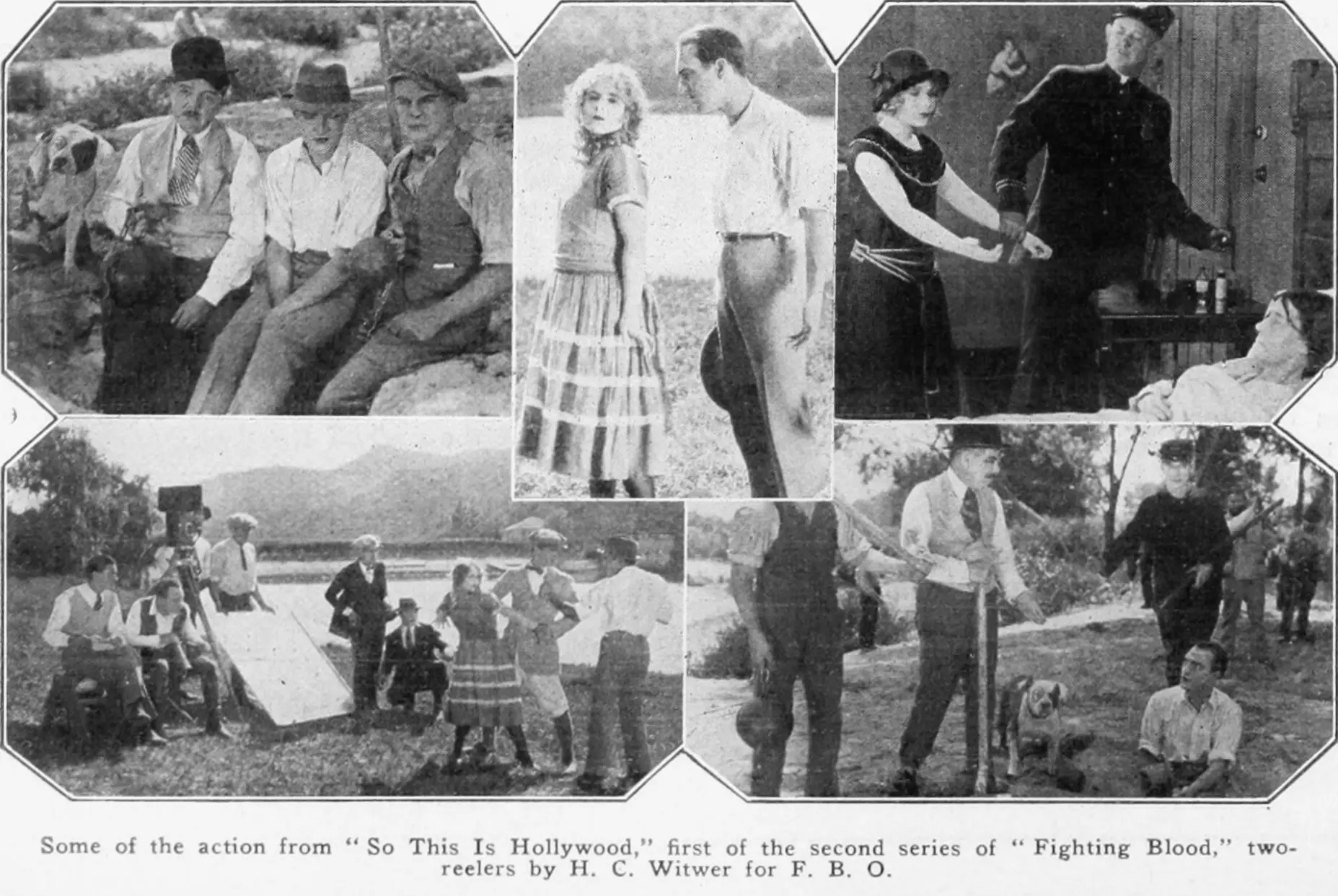
The climax of the film is a masterstroke of dramatic tension and thematic resonance. A particularly dangerous stunt, orchestrated by the conniving Glimmer, threatens Jack's life, pushing the narrative to its breaking point. This sequence is not merely an action set-piece; it's a symbolic crucible, forcing Lily Mae to confront the industry's dark underbelly and take a definitive stand. Her decision to expose the systemic exploitation and negligence prevalent in the studio is a powerful moment of agency, a testament to her unwavering moral compass. It's a moment that elevates the film beyond a mere romantic drama, transforming it into a potent social commentary on labor practices and accountability within the burgeoning entertainment industry. This kind of moral courage in the face of institutional pressure is a theme that resonates through cinematic history, from the silent era's often melodramatic portrayals to more modern, gritty exposés.
The cinematography, though of its era, exhibits a remarkable eye for detail and composition. The use of light and shadow, particularly in the studio scenes, effectively conveys both the glamour and the grime of the filmmaking process. The bustling backlots, the cramped dressing rooms, and the grand sets are all rendered with an authenticity that transports the viewer directly into the heart of early Hollywood. One can almost smell the greasepaint and feel the palpable tension of a film in production. The visual storytelling complements the narrative, enhancing the emotional impact of key scenes without ever overshadowing the performances. It’s a delicate balance that many films of the period struggled to achieve, often falling into excessive theatricality. Here, however, the visual language feels remarkably restrained and purposeful.
So This Is Hollywood, while perhaps not as widely known as some of its contemporaries, deserves a prominent place in the pantheon of early American cinema. It's a film that dared to peel back the layers of illusion, to reveal the human struggles beneath the glittering facade. It doesn't offer a sugar-coated fantasy of instant stardom but rather a nuanced portrayal of ambition, resilience, and the true meaning of success. The film's conclusion, rather than presenting a conventional happy ending of meteoric rise, offers a more profound victory: the preservation of artistic integrity and the blossoming of a realistic, deeply felt romance amidst the pervasive artifice. This mature, understated resolution is one of its most commendable aspects, demonstrating a narrative sophistication that belies its age.
Comparing it to other films of the era, So This Is Hollywood stands out for its thematic depth. While a film like The Ropin' Fool might revel in the simpler joys of frontier adventure, or Full o' Spirits might offer lighthearted escapism, So This Is Hollywood delves into the psychological landscape of its characters with a rare intensity. It shares a thematic kinship with films that explore the darker side of human ambition, perhaps even presaging later, more cynical portrayals of Hollywood. It eschews the simplistic morality often found in serials like The Silent Avenger, opting instead for a complex examination of character and circumstance.
The enduring power of So This Is Hollywood lies in its timeless message. The struggles of Lily Mae and Jack, the machinations of Glimmer, and the fading glamour of Vivienne Dubois are not mere relics of a bygone era. They are archetypes, their experiences echoing through generations of dreamers who have flocked to various creative industries. The film serves as a potent reminder that beneath the glitz and the glamour, there are human beings grappling with ambition, rejection, and the eternal quest for authenticity in a world obsessed with appearances. It captures the essence of a place and a time when the very definition of cinema was being forged, often with raw, unglamorous effort.
In conclusion, So This Is Hollywood is more than just a historical artifact; it is a vital piece of cinematic heritage that continues to speak volumes about the human condition. It's a film that challenges its audience to look beyond the surface, to question the narratives presented, and to appreciate the profound courage it takes to pursue one's dreams while retaining one's soul. H.C. Witwer and Beatrice Van crafted a narrative that is as relevant today as it was nearly a century ago, a testament to their insightful understanding of human nature and the complex ecosystem of the entertainment industry. For those interested in the authentic heartbeat of early cinema, this film is an indispensable viewing experience, a vibrant, often heartbreaking, journey into the heart of the dream factory.
A truly timeless reflection on the cost of ambition and the true nature of success.
IMDb 6.6
1925
Community
Log in to comment.