United States
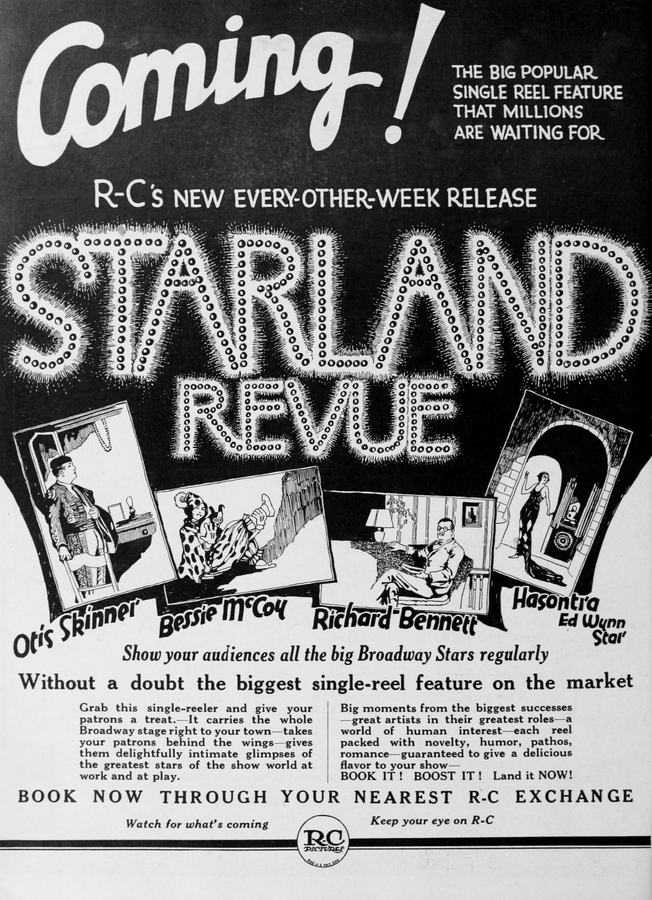
The archival haunting of Starland Review No. 1 offers more than a mere glimpse into the past; it provides a visceral confrontation with the origins of the cinematic gaze in the Southern Hemisphere. In an era where the moving image was still grappling with its own identity—oscillating between the voyeuristic thrill of...
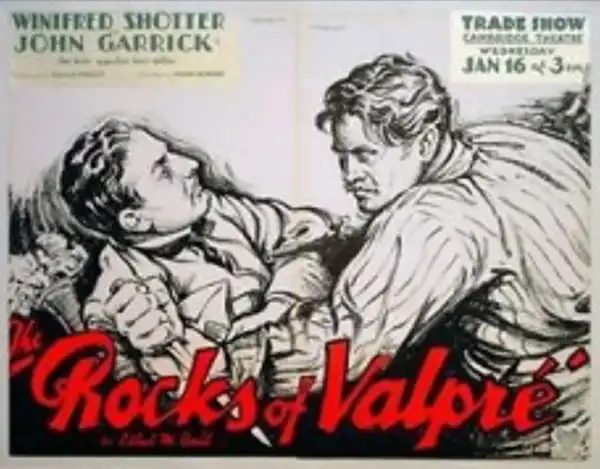
Comparing the cinematic DNA and archive impact of two defining moments in cult history.
Unknown Director

Unknown Director
Community
Log in to comment.
" The archival haunting of Starland Review No. 1 offers more than a mere glimpse into the past; it provides a visceral confrontation with the origins of the cinematic gaze in the Southern Hemisphere. In an era where the moving image was still grappling with its own identity—oscillating between the voyeuristic thrill of the 'cinema of attractions' and the burgeoning demands of narrative structure—this screen magazine stands as a defiant middle ground. It is a work of curation rather than orchestr..."