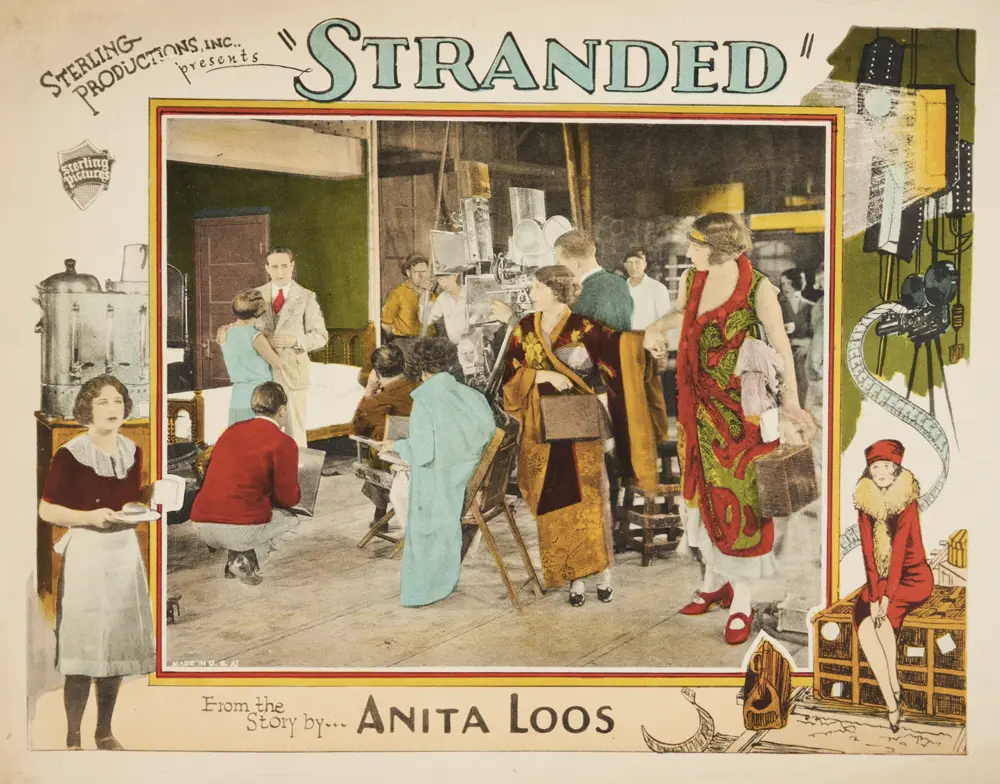
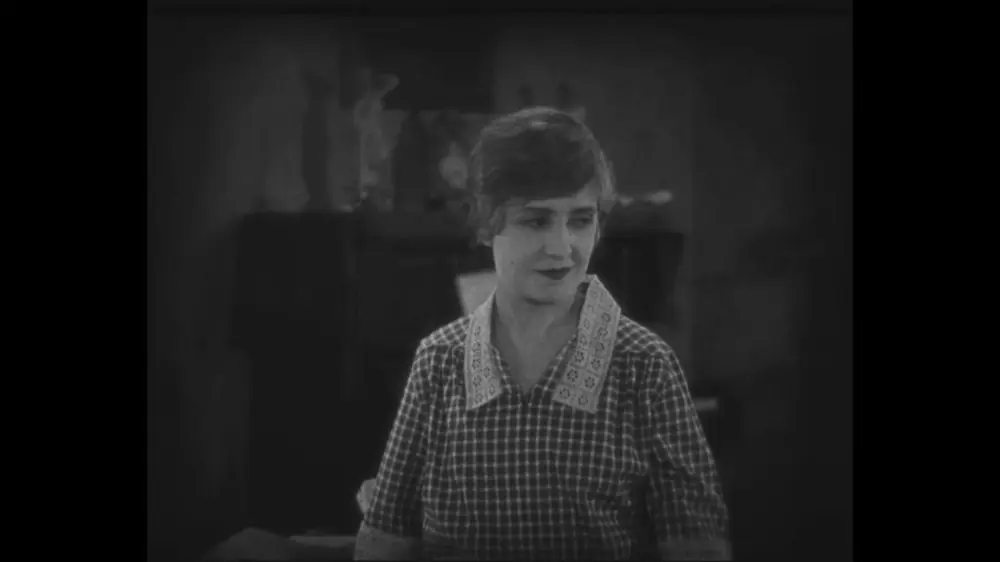
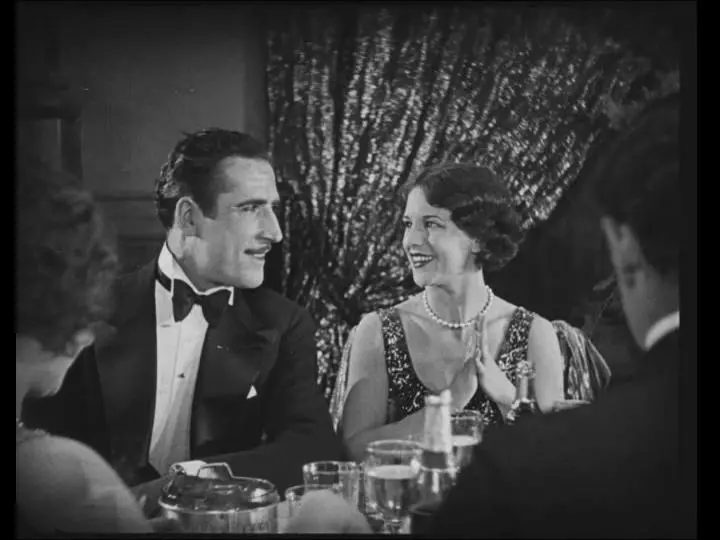
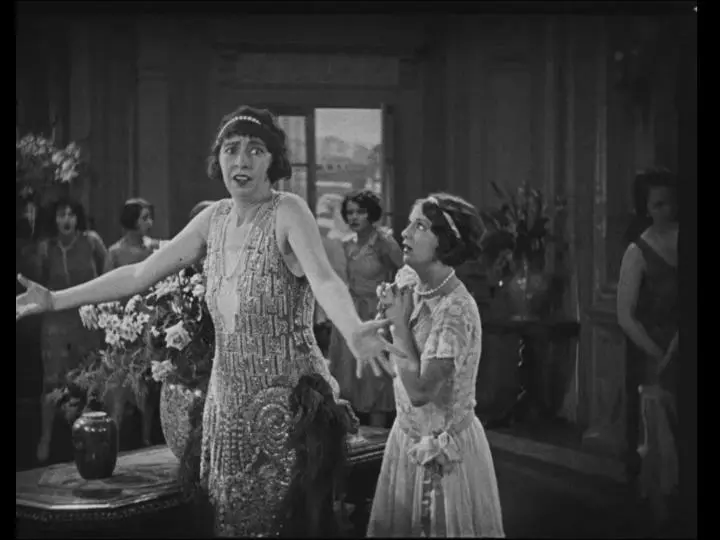
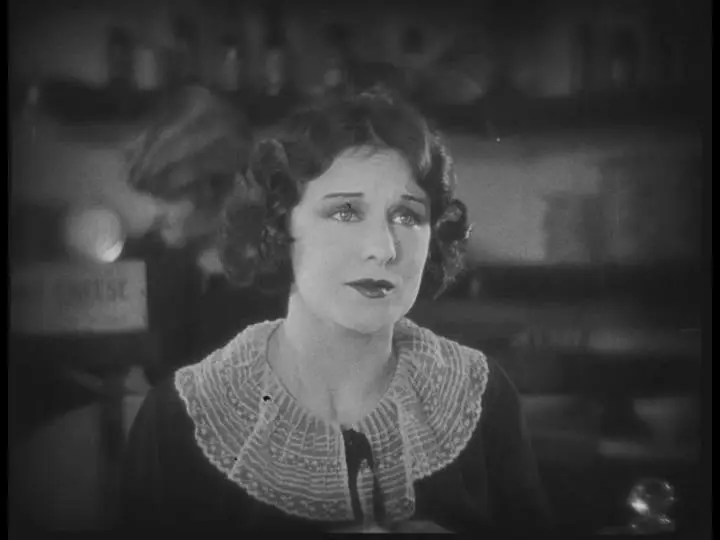
Short answer: Is Stranded (1927) worth watching today? Yes, but only if you appreciate the historical nuances of early Hollywood and can tolerate the slower, rhythmic pacing of late-silent-era melodrama.This film is for the dedicated cinephile and the silent film historian who wants to see how the industry viewed itsel...
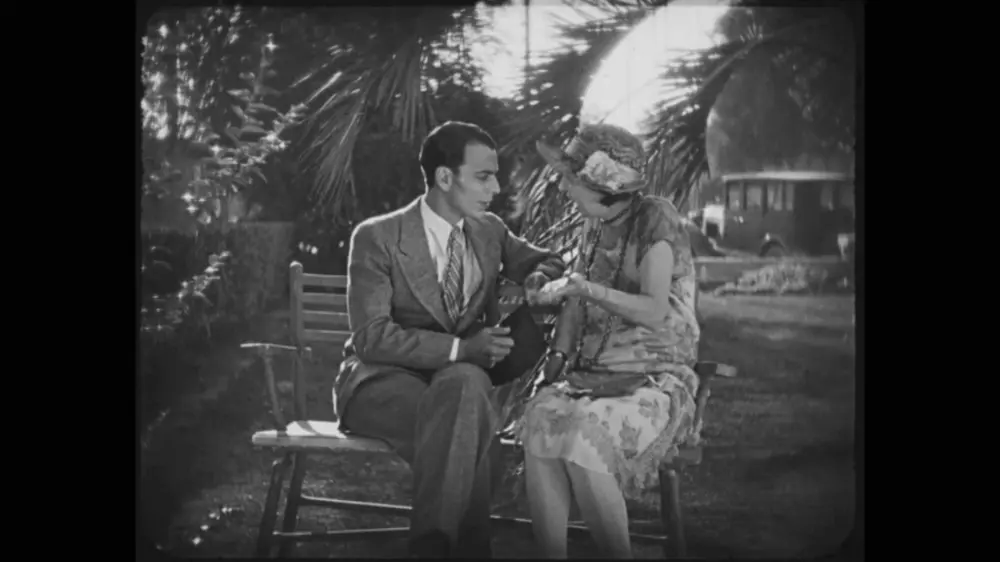
still_frame
still_frame
still_frame
still_frame
still_frame
still_frame

Comparing the cinematic DNA and archive impact of two defining moments in cult history.
Phil Rosen

Bruno Ziener
Community
Log in to comment.
"Short answer: Is Stranded (1927) worth watching today? Yes, but only if you appreciate the historical nuances of early Hollywood and can tolerate the slower, rhythmic pacing of late-silent-era melodrama.This film is for the dedicated cinephile and the silent film historian who wants to see how the industry viewed itself before the cameras started talking. It is definitively not for those who demand high-octane action or the polished narrative structures of modern independent cinema.Direct Assess..."
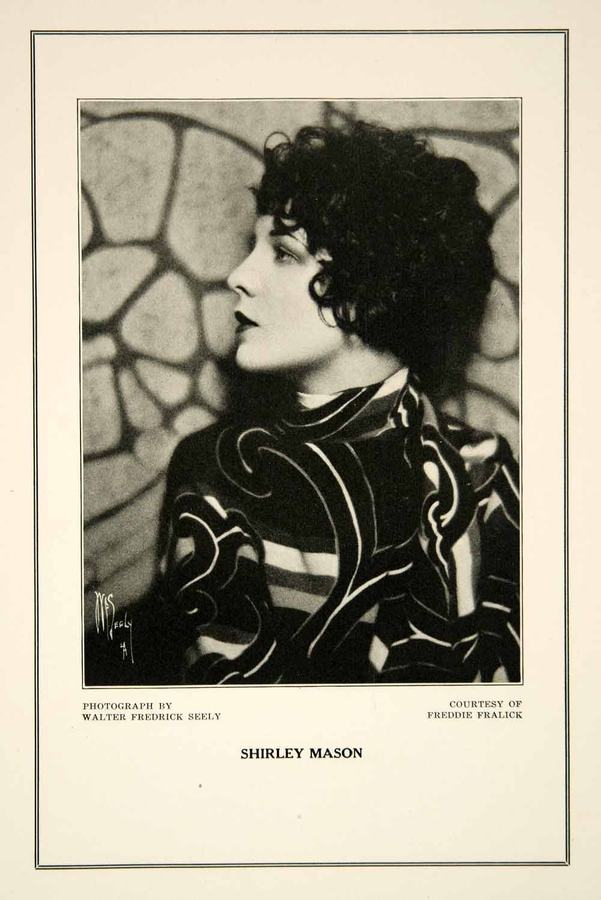
Shirley Mason
Anita Loos, Frances Guihan, Wyndham Gittens
United States