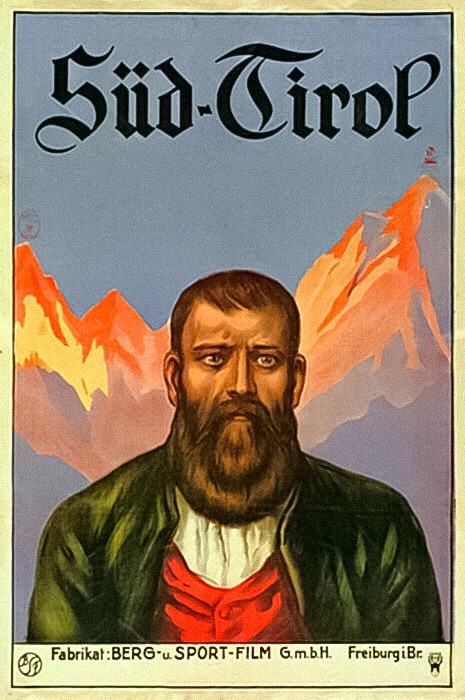
A Landscape of Memory and Modernity Südtirol – Ein Vorposten deutscher Kultur arrives not as a conventional documentary, but as a meticulously crafted meditation on the paradoxes that define a borderland. The opening sequence, shot in the amber glow of sunrise, immediately immerses the viewer in a world where ston...
product
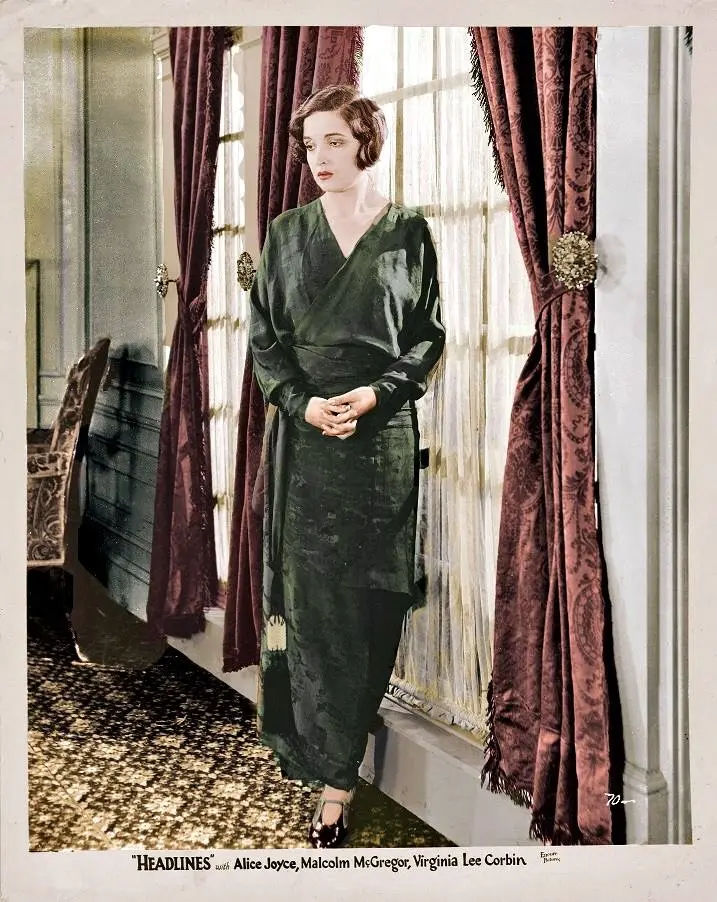
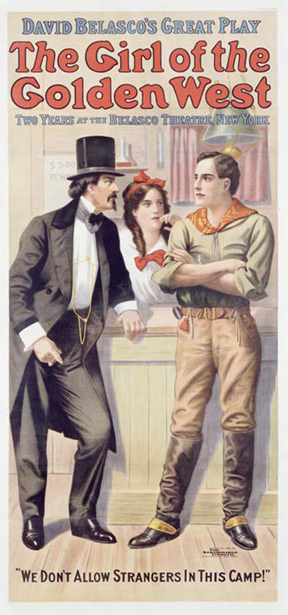
Comparing the cinematic DNA and archive impact of two defining moments in cult history.
Wollenberg
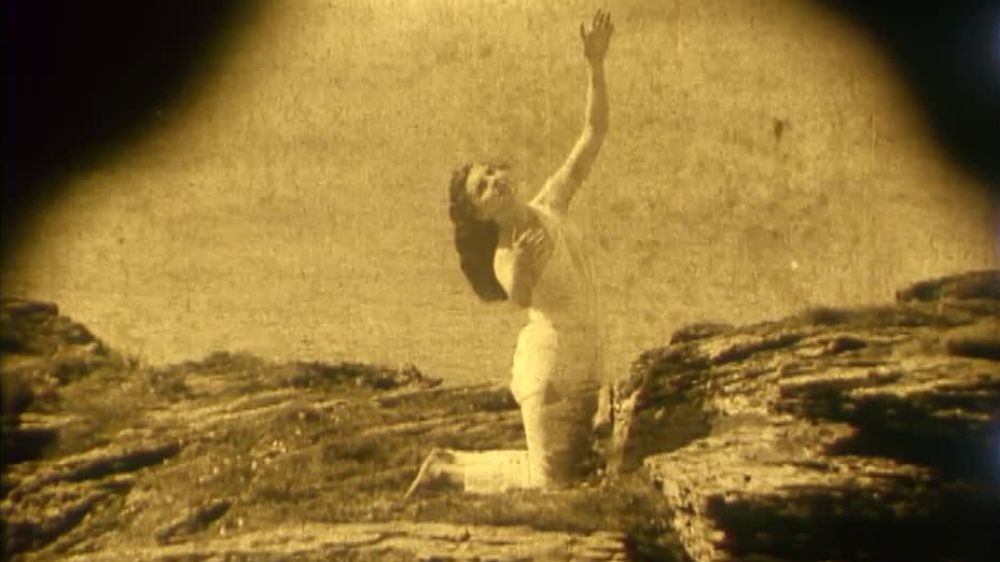
Claude Friese-Greene
Community
Log in to comment.
" A Landscape of Memory and Modernity Südtirol – Ein Vorposten deutscher Kultur arrives not as a conventional documentary, but as a meticulously crafted meditation on the paradoxes that define a borderland. The opening sequence, shot in the amber glow of sunrise, immediately immerses the viewer in a world where stone, sky, and language intersect. The camera lingers on the frost‑kissed ridgelines, then pivots to the bustling piazza where Deodatus Tauern, played by the seasoned Deodatus Tauern ..."
Deep dive into the cult classic
Discover similar cinematic experiences
A Directorial Spotlight on Wollenberg