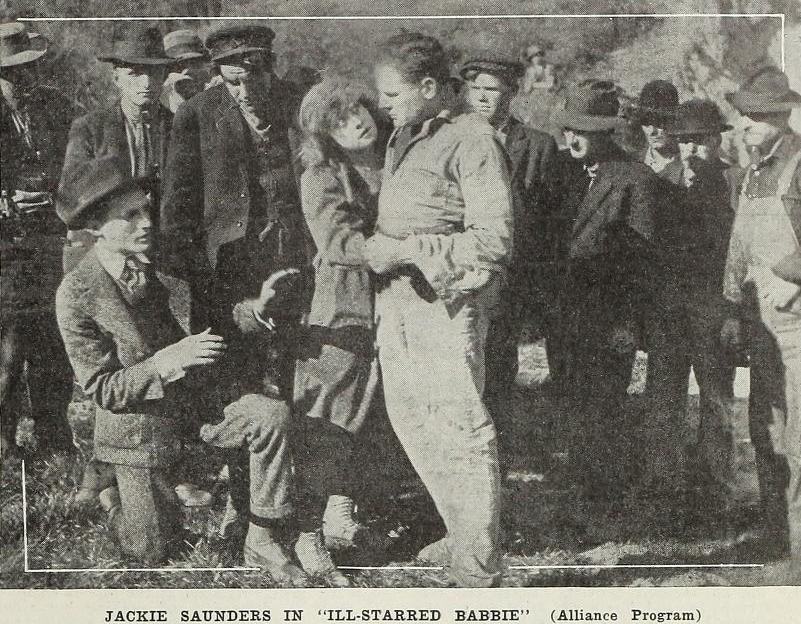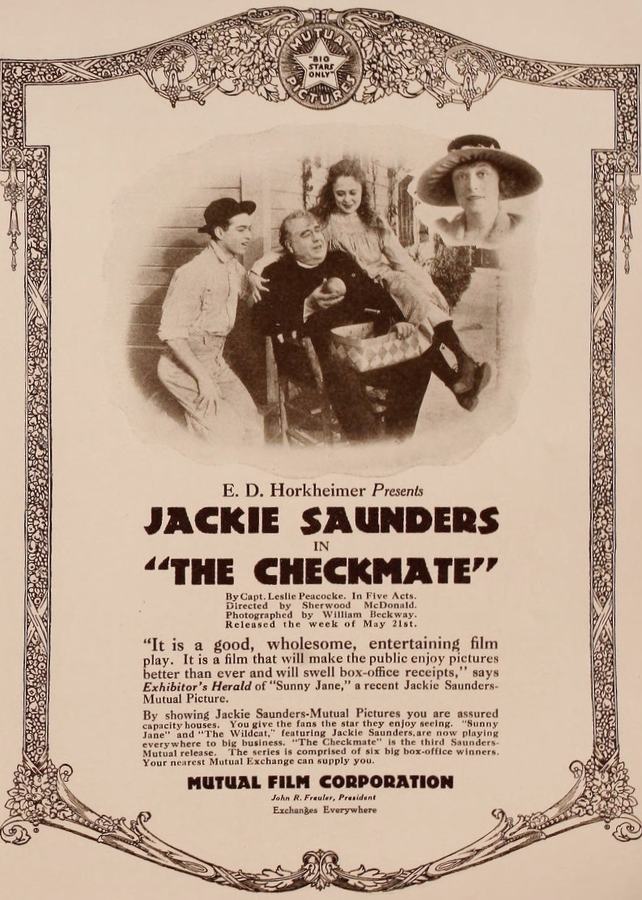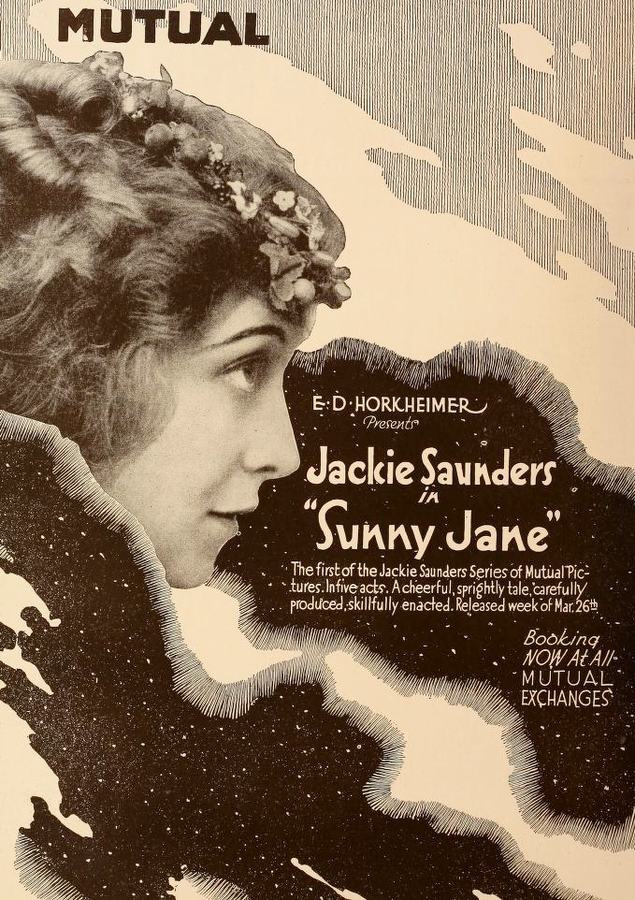
Jane Dwight possesses an overactive imagination and spins romantic tales in which she is the heroine. When oil is discovered on her father's farm, young millionaire James Thornton comes to purchase the land, is attracted to the tomboyish Jane, and offers to send the girl to boarding school.
United States
The first time we see Jane Dwight, she is balancing on a split-rail fence like a circus tight-rope walker while dictating a torrid dime-novel plot to an audience of bemused cattle. That single, kinetic tableau announces Sunny Jane’s credo: imagination is a portable kingdom, and romance its unruly flag. Released in th...
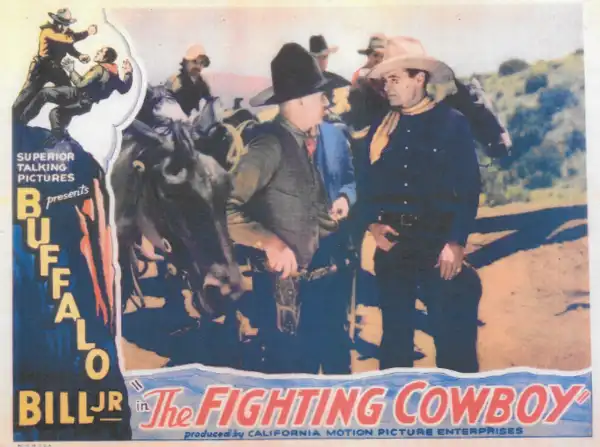
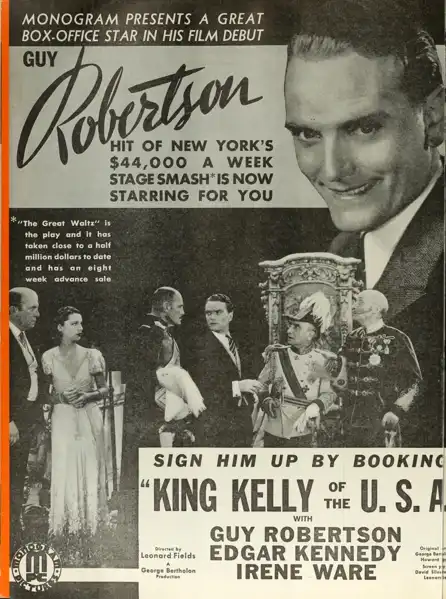
Comparing the cinematic DNA and archive impact of two defining moments in cult history.
Sherwood MacDonald
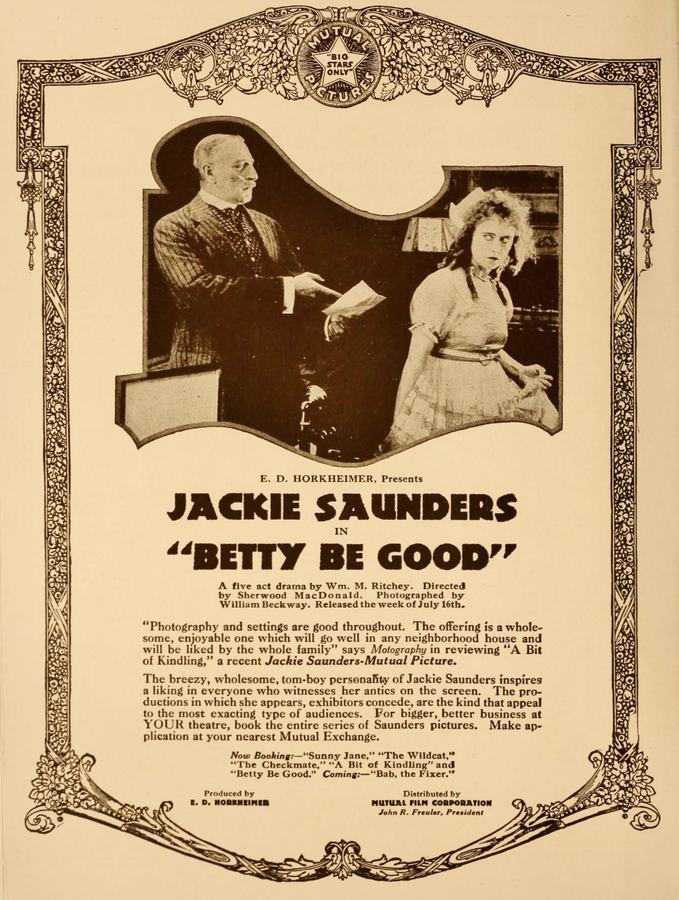
Sherwood MacDonald
Community
Log in to comment.
" The first time we see Jane Dwight, she is balancing on a split-rail fence like a circus tight-rope walker while dictating a torrid dime-novel plot to an audience of bemused cattle. That single, kinetic tableau announces Sunny Jane’s credo: imagination is a portable kingdom, and romance its unruly flag. Released in the autumn of 1922, when flappers were still mythic rather than mainstream, the picture is a sun-dappled fable about the perils of sanding down a spirit to fit society’s dowdy patter..."