DbcultAccessing Vault...
Cult Review
Senior Film Conservator
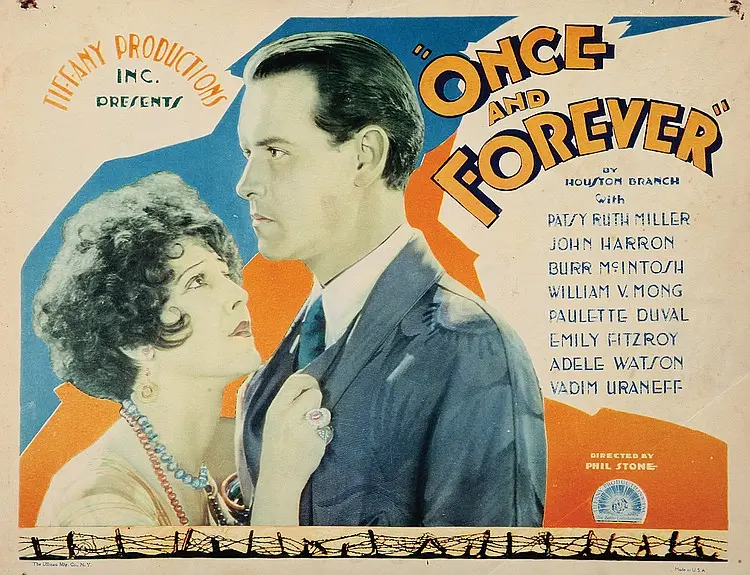
Is Once and Forever worth watching today? Short answer: yes, but with significant caveats. This particular silent-era drama is a fascinating, if sometimes challenging, artifact that will deeply resonate with cinephiles and historians keen on exploring the evolution of cinematic storytelling, particularly those fascinated by the nuanced performances of actors like Patsy Ruth Miller and Burr McIntosh. Conversely, casual viewers accustomed to modern narrative pacing and sound design will likely find its deliberate rhythms and reliance on title cards a considerable hurdle.
This film works because of its powerful emotional core, driven by compelling performances that transcend the limitations of the silent medium, creating a genuine connection with its characters' struggles. It fails because its pacing can feel sluggish to a contemporary audience, particularly in its more melodramatic stretches, and certain narrative contrivances now feel dated. You should watch it if you appreciate the artistry of early cinema, are interested in character-driven melodrama, or want to witness a unique moment in film history that offers a window into the narrative conventions of its time.
Stepping into the world of Once and Forever is to take a journey back to a pivotal moment in cinematic history. The silent era, often dismissed by the uninitiated as primitive, was in fact a period of immense artistic innovation and emotional depth. Films from this period relied entirely on visual storytelling, expressive acting, and carefully crafted intertitles to convey narrative and character emotion. This particular film is a prime example of how filmmakers harnessed these tools to create compelling drama.
What strikes one immediately is the sheer commitment to visual clarity. Every gesture, every facial expression, every set piece had to communicate volumes without a single spoken word. This necessity often led to a heightened form of performance that, while theatrical by today's standards, was incredibly effective for its intended audience. It's a style that demands a different kind of engagement from the viewer, one where observation and interpretation become paramount.
The film’s thematic concerns, too, are deeply rooted in the sensibilities of its time. Narratives exploring enduring love, societal pressures, and personal sacrifice were staples, reflecting the moral and social fabric of the early 20th century. Once and Forever doesn’t shy away from these tropes, instead leaning into them with a sincerity that, despite occasional over-the-top moments, feels remarkably earnest. It stands as a testament to the enduring power of classic storytelling.
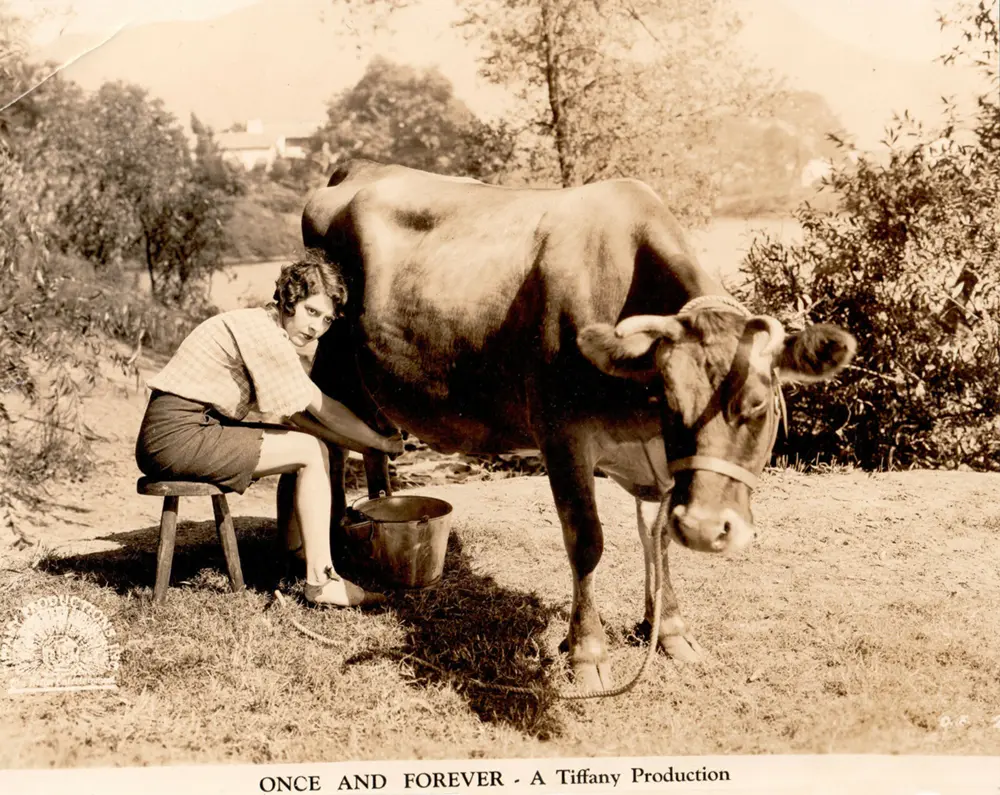
The strength of Once and Forever rests heavily on the shoulders of its cast, who, despite the absence of dialogue, manage to imbue their characters with genuine pathos and complexity. Patsy Ruth Miller, as one of the central figures, delivers a performance of profound vulnerability and quiet strength. There’s a scene, particularly in the film’s second act, where her character, having faced a devastating revelation, simply sits by a window, her back to the camera. The subtle tremor in her shoulders, the slight slump of her posture, communicates more despair than any title card could. It’s a masterclass in physical restraint, a stark contrast to the often broader gestures common in silent films like The Plumber's Daughter.
Burr McIntosh, playing a figure of gravitas and perhaps a touch of old-world stubbornness, provides a powerful counterpoint. His presence is commanding, even in stillness. In a pivotal confrontation, his eyes convey a world of unspoken disappointment and paternal concern, shifting from stern judgment to a flicker of profound sadness without ever needing an explanatory intertitle. It’s a performance that grounds the more melodramatic elements of the plot, lending them a weight they might otherwise lack.
John Harron’s portrayal of the other half of the central couple is equally compelling, though perhaps less overtly expressive. He captures the earnestness and youthful idealism that drives his character, making his subsequent trials feel genuinely earned. His subtle shifts in demeanor, from hopeful exuberance to weary resignation, are particularly effective. The ensemble, including Adele Watson and Emily Fitzroy, provides robust support, each carving out distinct personalities within the narrative framework. Emily Fitzroy, in particular, often steals scenes with her sharp, knowing glances and understated comedic timing, proving that even in serious dramas, a touch of character can make all the difference.
Houston Branch’s direction, while not overtly flashy, is consistently competent and serves the narrative effectively. He understands the power of visual storytelling inherent in the silent medium, often employing thoughtful compositions and intelligent staging to convey emotion and plot points. Branch demonstrates a clear preference for allowing the actors to carry the emotional weight, framing them in ways that highlight their expressions and body language.
One of Branch’s notable strengths lies in his use of recurring visual motifs. He frequently employs parallel action, particularly effective in contrasting the protagonists’ quiet struggles with the bustling indifference of the city around them. A memorable sequence intercuts John Harron's character's desperate search through grimy streets with Adele Watson's character's serene, almost oblivious, existence in a sheltered environment, highlighting the chasm between their worlds and the different paths their lives are taking. This technique, while not unique, is executed with a precision that enhances the film’s dramatic tension and thematic resonance.
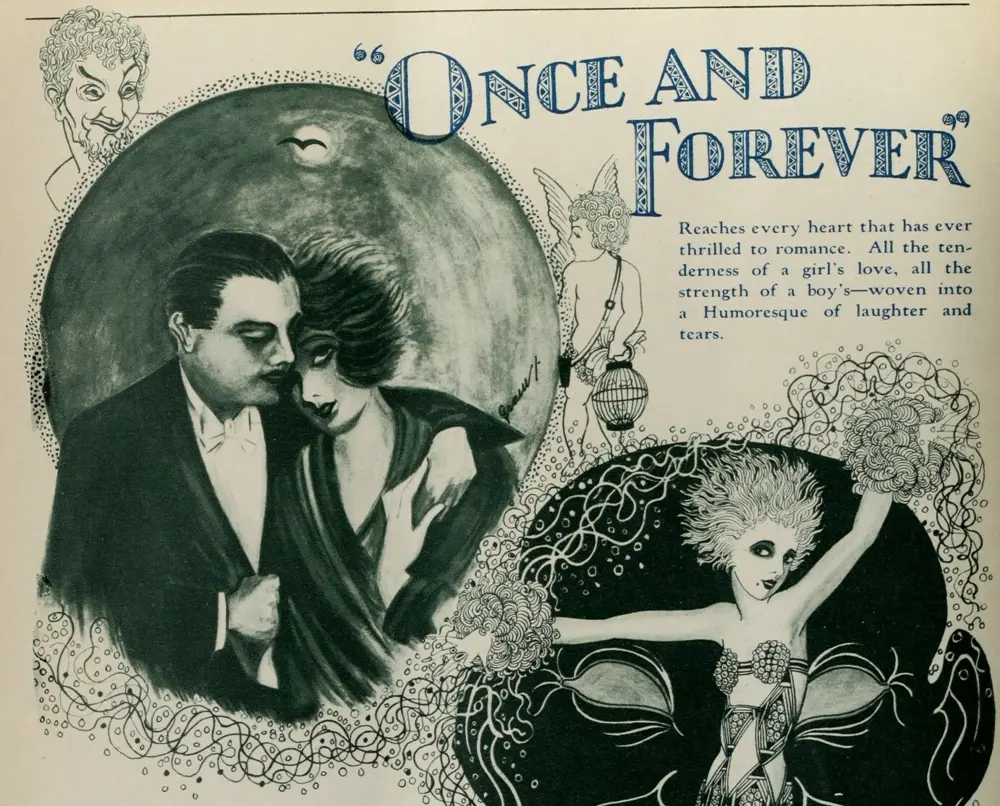
However, Branch’s direction is not without its limitations. There are moments where the pacing feels stretched, particularly during protracted emotional beats that could have benefited from tighter editing. Some scenes, while beautifully shot, linger a beat too long, testing the patience of even a dedicated silent film enthusiast. This can sometimes lead to a feeling of narrative inertia, making certain emotional arcs feel less impactful than intended. Yet, considering the constraints and conventions of the era, Branch delivers a cohesive and often moving cinematic experience that successfully brings the writers' vision to life.
The cinematography of Once and Forever, handled by an uncredited but clearly skilled hand, contributes significantly to its immersive quality. The camera work often utilizes deep focus to establish setting and mood, a technique far more sophisticated than the often flat, stage-bound compositions seen in some contemporaries like Bride and Gloomy. Consider the opening sequence in the ancestral home of Burr McIntosh’s character; the ornate details of the background are just as sharp as the foreground action, immersing the viewer in the opulence and tradition that define his world and hinting at the weight of legacy. This attention to detail in the visual backdrop is commendable.
Lighting is another unsung hero here, subtly shaping the emotional landscape. Shadows are employed not just for dramatic effect, but to represent internal turmoil or impending doom. A particularly striking shot sees a character silhouetted against a moonlit window, the darkness enveloping them speaking volumes about their isolation and despair. This kind of thoughtful visual composition elevates the film beyond simple melodrama into something more artful.
The film’s pacing is a double-edged sword. Its deliberate tempo in the first half allows for meticulous character development, building a strong foundation for the emotional turmoil to come. This slow burn is effective in establishing the depth of the central relationship and the stakes involved. However, this same measured pace, particularly during the protracted climactic confrontation, can test modern patience. A sequence involving a prolonged misunderstanding between the lovers, stretched over several reels, feels less like dramatic tension and more like narrative stalling, even by silent film standards. It’s a moment where the film's commitment to its emotional beats over dynamic progression becomes its biggest weakness.
The tone of Once and Forever is overtly melodramatic, a hallmark of the era, but it’s mostly earned. The dramatic swings are grand, yet the actors mostly manage to anchor them in genuine emotion, preventing the film from descending into pure camp. The central theme of enduring love in the face of adversity is explored with a sincerity that, at its best, is deeply moving. The characters’ sacrifices, both big and small, feel like genuine expressions of their commitment, rather than mere plot devices.

Societal critique also plays a significant role. The film subtly, and at times not so subtly, examines the pressures of class, reputation, and familial duty that often dictated individual choices in the early 20th century. There’s a particular scene where Emily Fitzroy’s character delivers a scathing indictment of societal norms, her gestures large, her expressions intense, yet the underlying message about hypocrisy lands with surprising force, avoiding the campiness that could easily derail such a moment. It serves as a reminder that these films, while often focused on personal drama, were also holding a mirror up to the world around them.
What is truly surprising is how some of these themes remain relevant today. The struggle to maintain a relationship against external forces, the tension between personal desire and societal expectation, and the enduring power of a promise – these are timeless human experiences. While the specific manifestations of these conflicts might have changed, the emotional core remains accessible. This allows Once and Forever to transcend its historical context, speaking to universal truths about human connection.
Absolutely, for the right audience. If you are a student of film history, a silent cinema enthusiast, or someone intrigued by the evolution of acting and storytelling, Once and Forever offers valuable insights. Its emotional impact, driven by strong performances, largely holds up. However, if you are new to silent films or prefer faster-paced narratives, prepare for a slower, more deliberate viewing experience that requires patience.
Once and Forever is a film that demands a certain kind of viewer, one willing to engage with the cinematic language of a bygone era. It works. But it’s flawed. Its strengths lie firmly in the compelling, often moving performances of its lead actors and a director who, while not revolutionary, understood how to craft a visually coherent narrative. The film's exploration of enduring love and societal pressure, while occasionally veering into overwrought melodrama, retains a surprisingly potent emotional resonance even today. It reminds us that fundamental human struggles are truly timeless.
While it won't appeal to everyone, for those with an appreciation for the artistry and historical context of silent cinema, Once and Forever offers a rich, if sometimes challenging, viewing experience. It's not a forgotten masterpiece, but it is a valuable piece of film history that, like the enduring love it depicts, finds a way to leave its mark. Give it a chance, and you might just find yourself captivated by its quiet power and the powerful, wordless stories it tells.
IMDb 5.3
1931
Community
Log in to comment.