Is a commercial truly a film worth dissecting? Short answer: yes, but with significant caveats. “Sve radi osmeha” is a peculiar, compelling artifact that will undoubtedly intrigue film historians, marketing enthusiasts, and those with a deep appreciation for the evolution of visual media, yet it is decidedly not for vi...
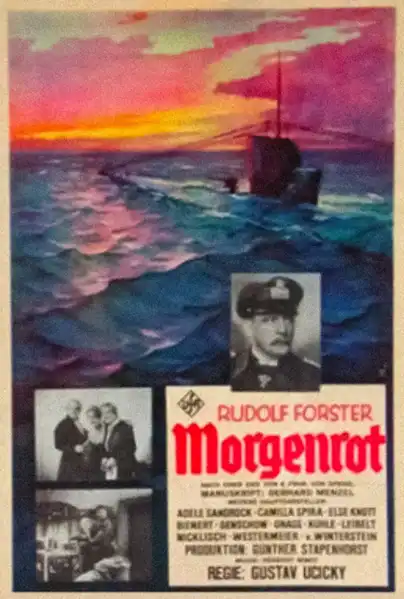
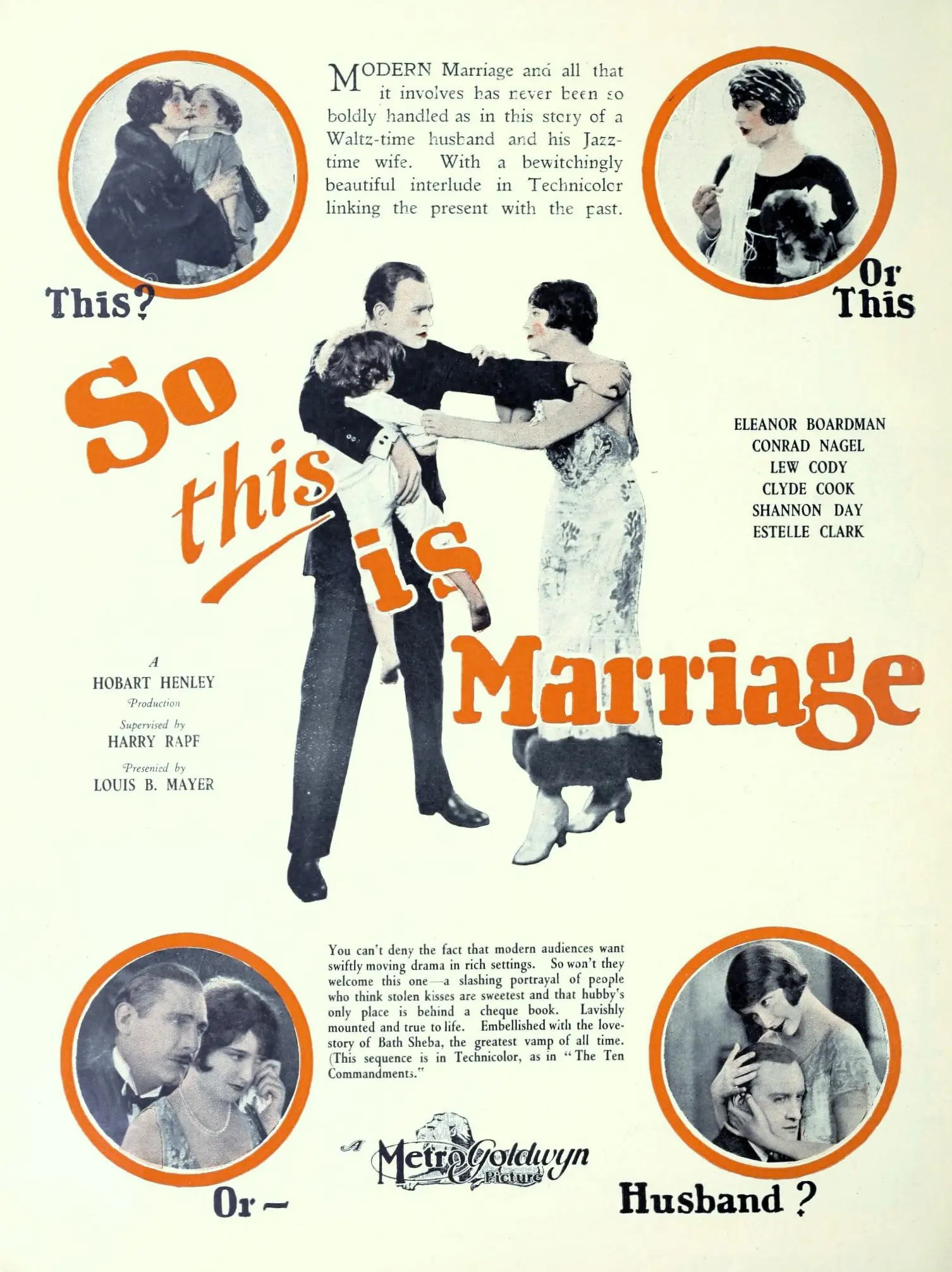
Comparing the cinematic DNA and archive impact of two defining moments in cult history.
Josip Novak
Unknown Director
Community
Log in to comment.
"Is a commercial truly a film worth dissecting? Short answer: yes, but with significant caveats. “Sve radi osmeha” is a peculiar, compelling artifact that will undoubtedly intrigue film historians, marketing enthusiasts, and those with a deep appreciation for the evolution of visual media, yet it is decidedly not for viewers seeking traditional narrative, character development, or profound emotional arcs. It exists in a liminal space, blurring the lines between pure advertising and an early form ..."
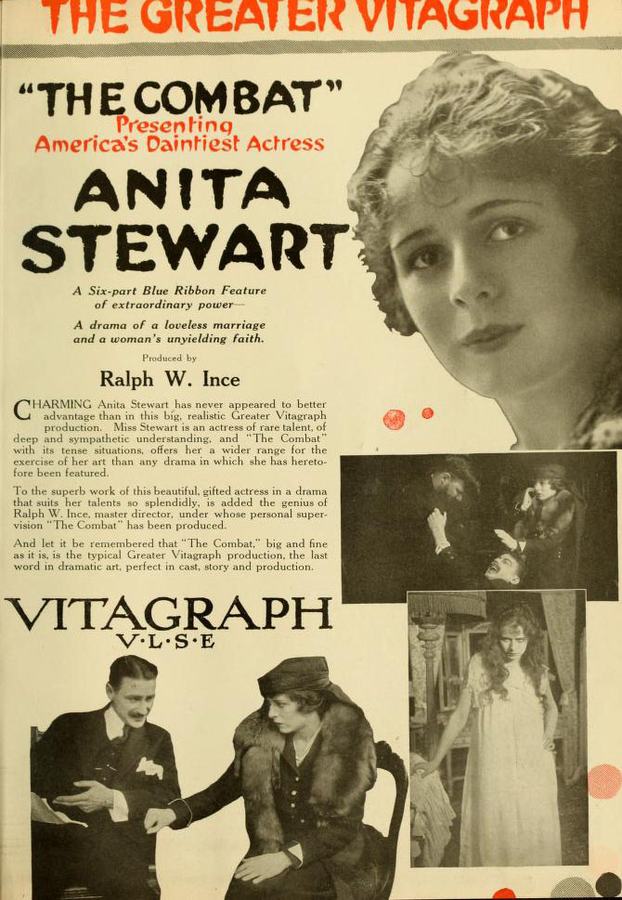
Deep dive into the cult classic
Discover similar cinematic experiences
A Directorial Spotlight on Josip Novak