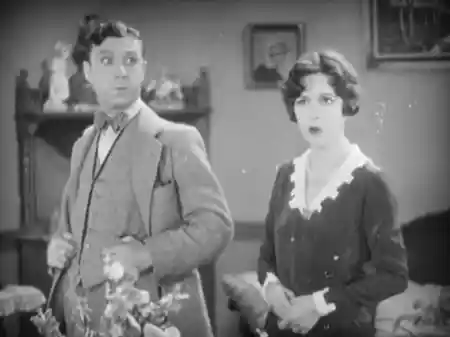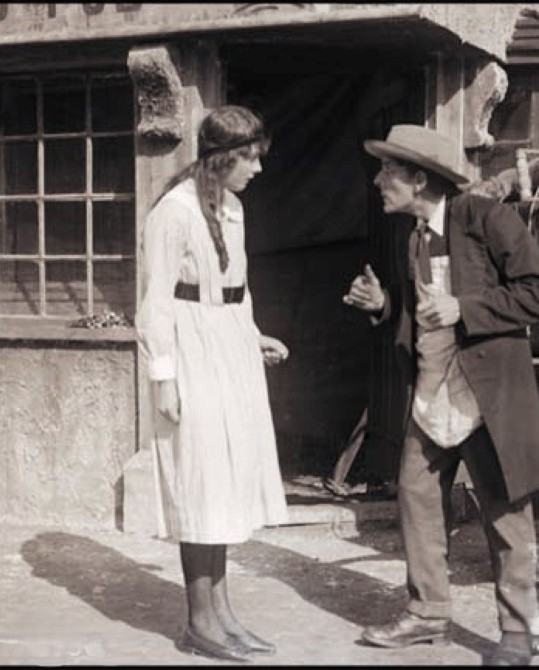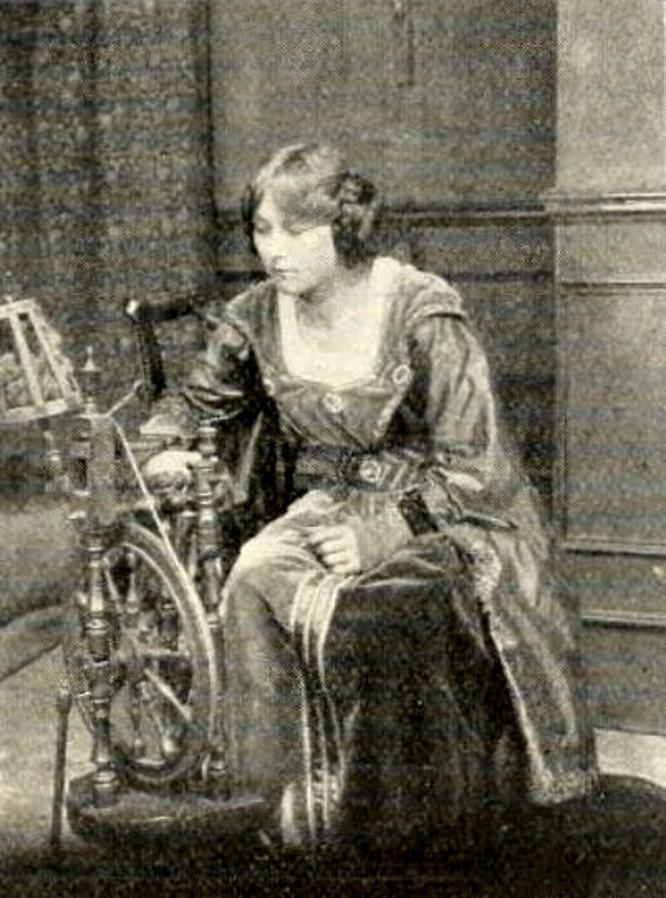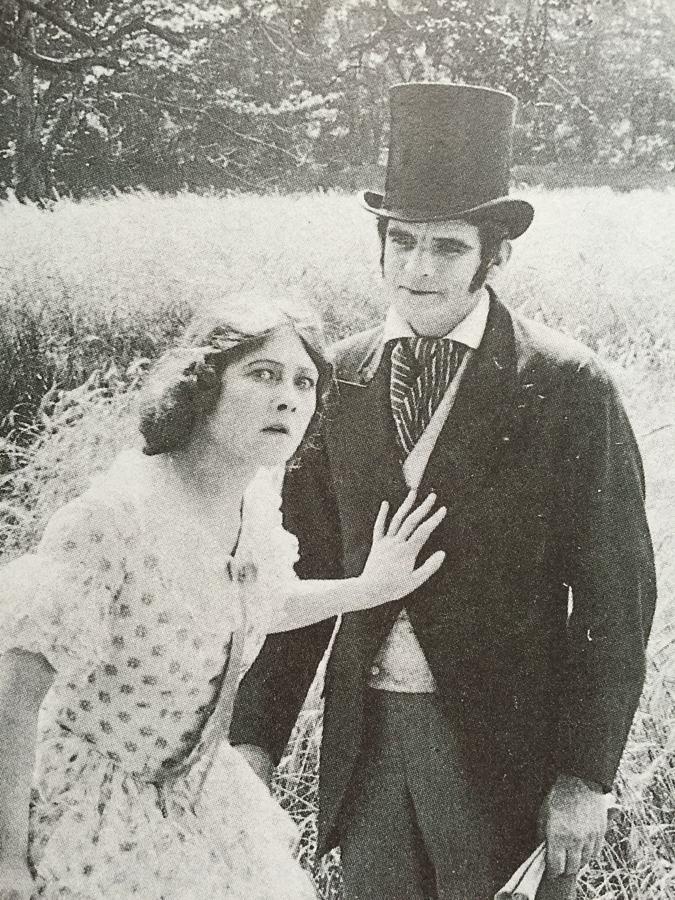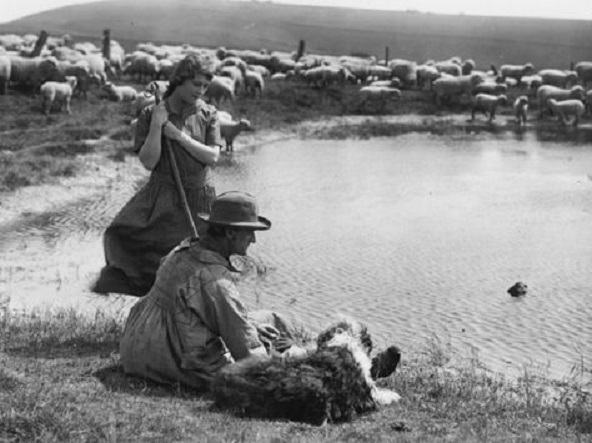
Farming brothers give a home to an orphan shepherdess evicted for suspected immorality..
The silent canvas of Tansy unfurls like a weathered tapestry, each thread a testament to the stark beauty of rural England in the early 1920s. Director‑writer George Dewhurst, alongside co‑writer Tickner Edwards, crafts a narrative that is simultaneously intimate and expansive, a study of moral ambiguity rendered thro...
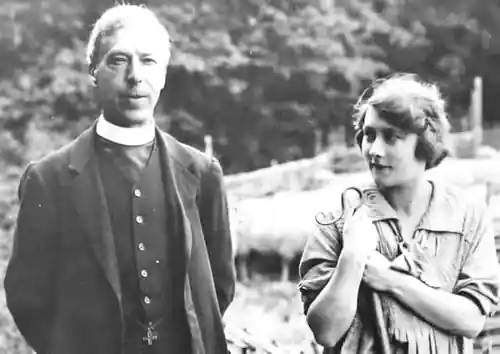
behind_the_scenes
still_frame
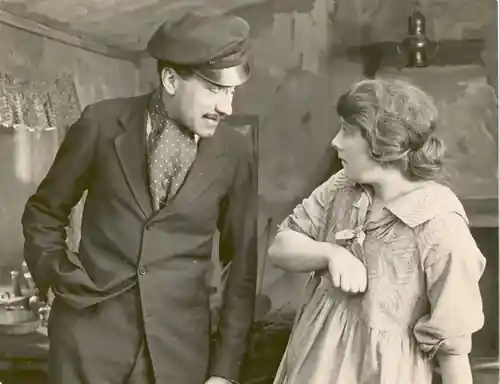
still_frame
Comparing the cinematic DNA and archive impact of two defining moments in cult history.
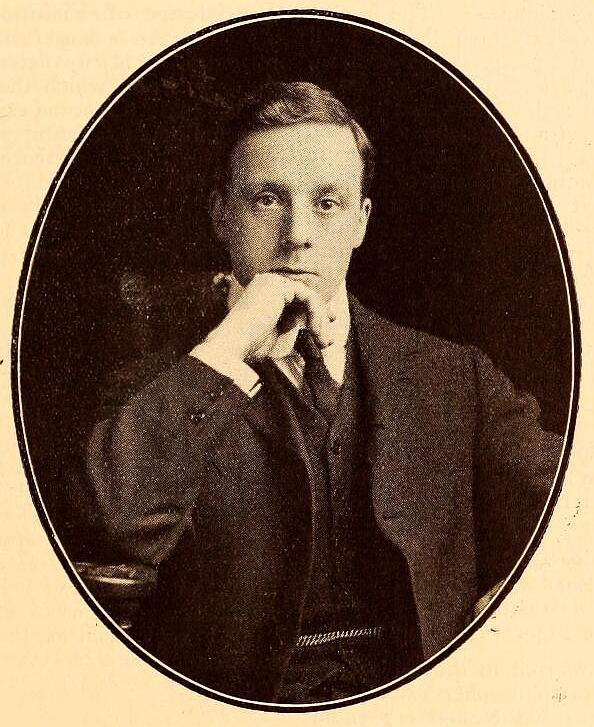
Cecil M. Hepworth
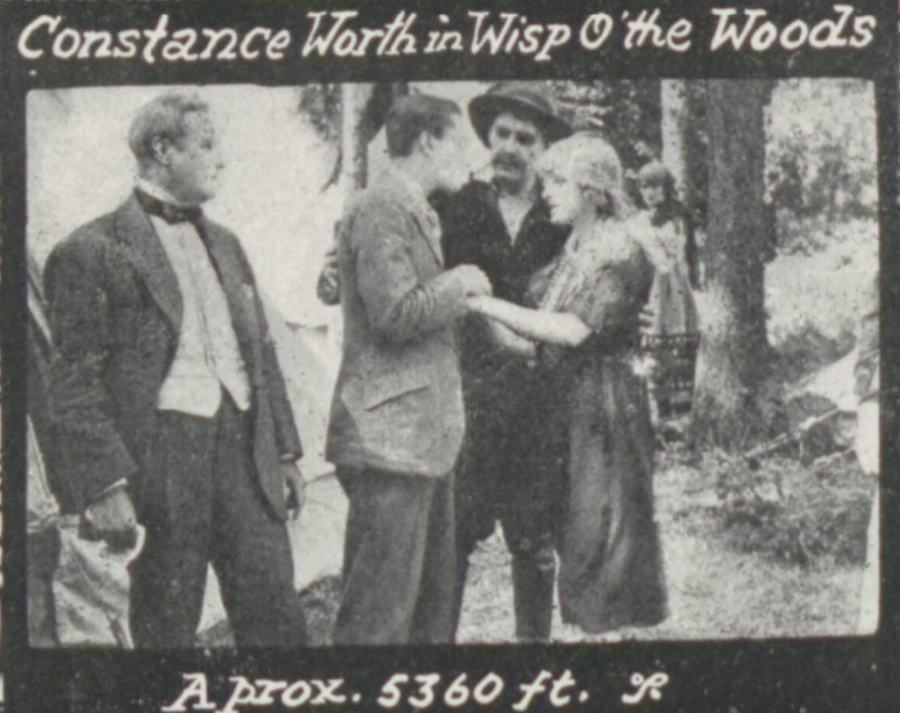
Cecil M. Hepworth
Community
Log in to comment.
" The silent canvas of Tansy unfurls like a weathered tapestry, each thread a testament to the stark beauty of rural England in the early 1920s. Director‑writer George Dewhurst, alongside co‑writer Tickner Edwards, crafts a narrative that is simultaneously intimate and expansive, a study of moral ambiguity rendered through the unadorned language of gesture and gaze. At the heart of the film are two brothers—portrayed by Teddy Royce and George Dewhurst—whose lives are dictated by the cadence of t..."
Teddy Royce
George Dewhurst, Tickner Edwards
United Kingdom