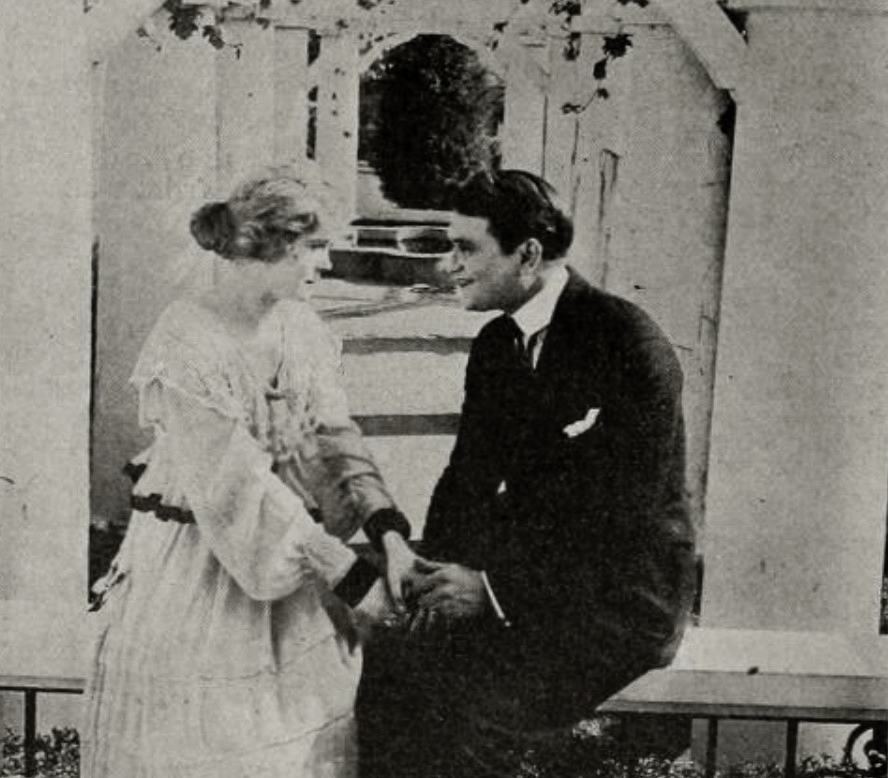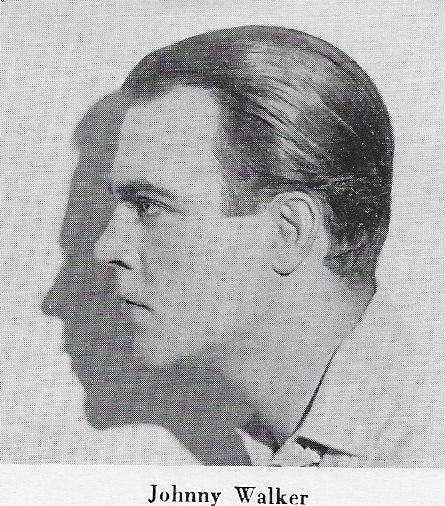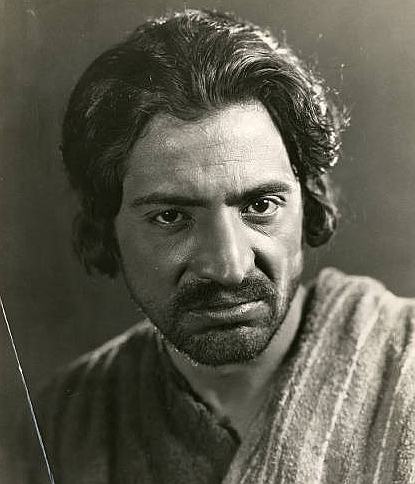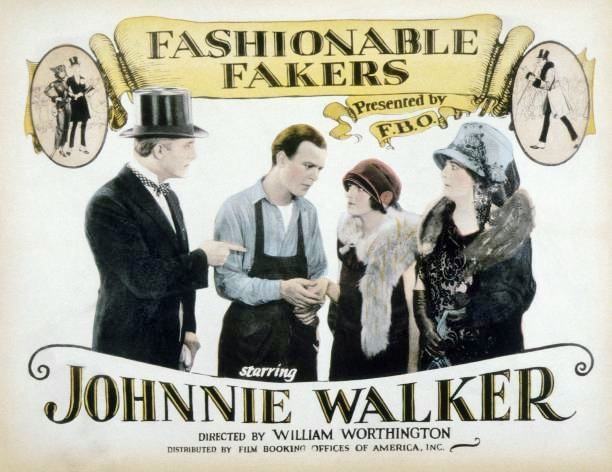
Thaddeus Plummer is nicknamed "The Worm" because his job involves boring holes into furniture to create counterfeit antiques. One day, he buys an oriental rug and is nearly fired when his employer, Pat O'Donnell, alias Abdul Ishmid, deems it worthless.
body {background-color: #000; color: #fff; font-family: 'Georgia', serif; line-height: 1.6; padding: 20px;}.highlight-orange {color: #C2410C;}.highlight-yellow {color: #EAB308;}.highlight-blue {color: #0E7490;}Fashionable Fakers arrives like a forgotten scroll from the vaudeville era, its narrative threads frayed yet b...
Comparing the cinematic DNA and archive impact of two defining moments in cult history.
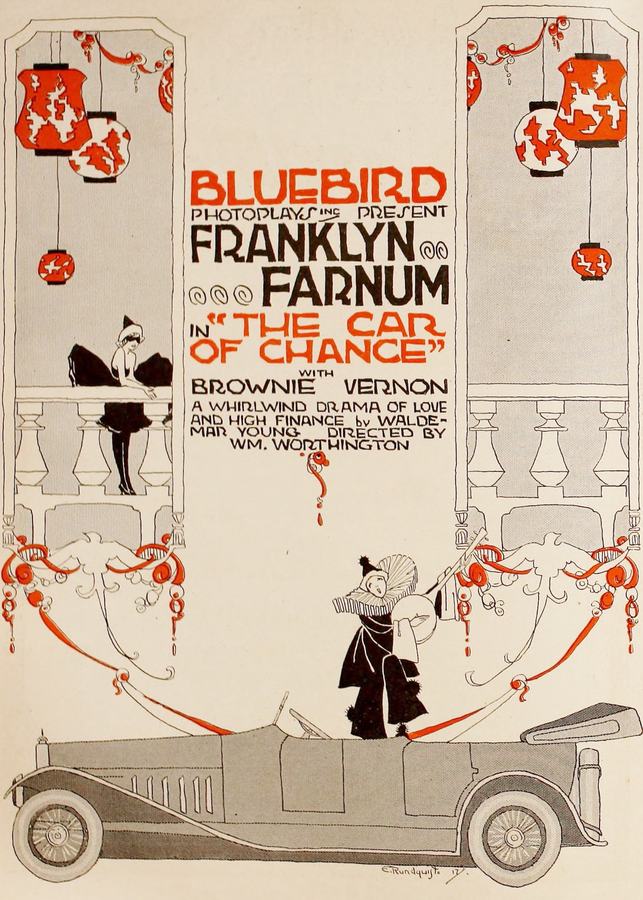
William Worthington
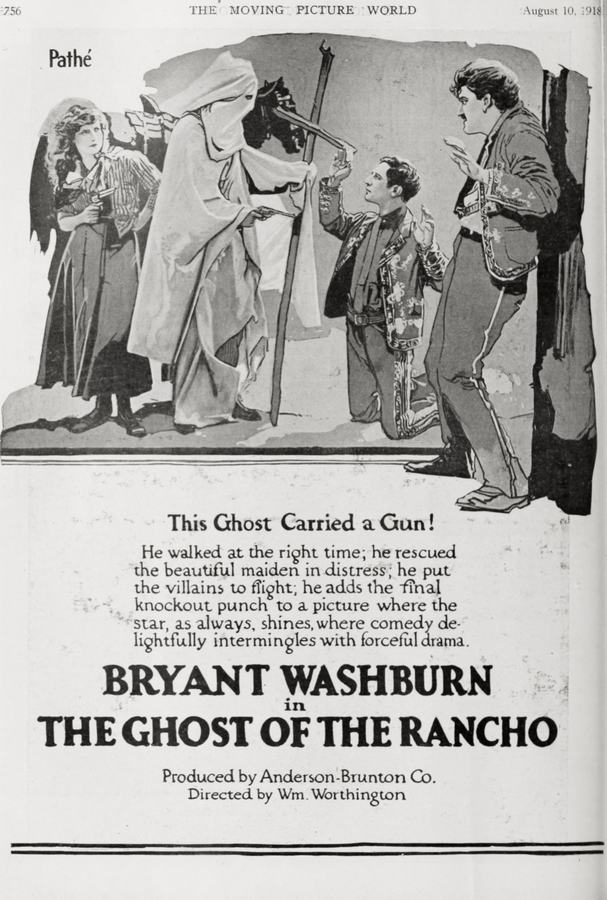
William Worthington
Community
Log in to comment.
"body {background-color: #000; color: #fff; font-family: 'Georgia', serif; line-height: 1.6; padding: 20px;}.highlight-orange {color: #C2410C;}.highlight-yellow {color: #EAB308;}.highlight-blue {color: #0E7490;}Fashionable Fakers arrives like a forgotten scroll from the vaudeville era, its narrative threads frayed yet brimming with the strange alchemy of early cinema. Robert Balder’s Thaddeus Plummer is a creature of contradictions: a craftsman of lies whose trade involves drilling holes into fur..."
Melville W. Brown, Frederick Stowers
United States
Deep dive into the cult classic
Discover similar cinematic experiences
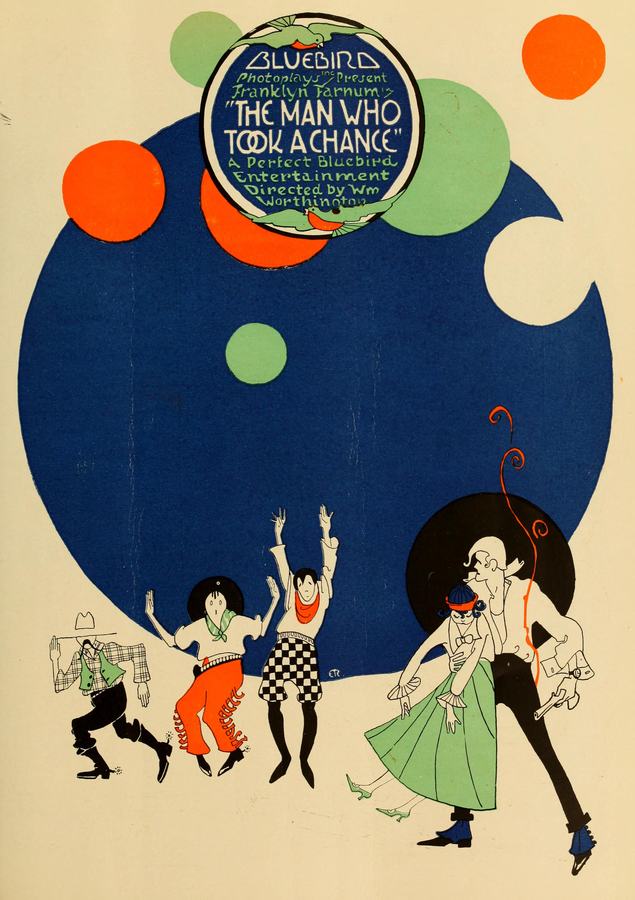
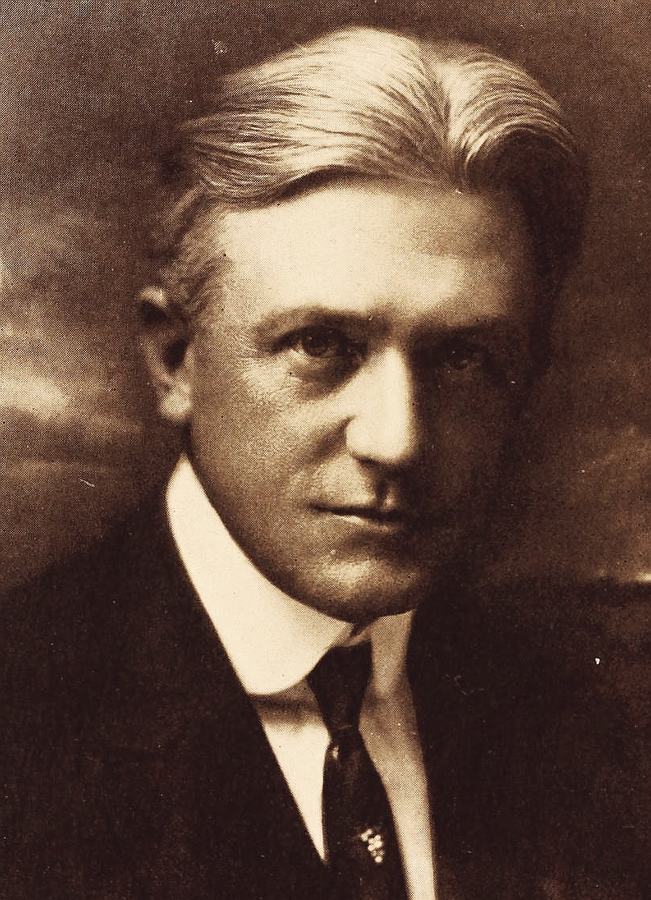
A Directorial Spotlight on William Worthington