DbcultAccessing Vault...
Cult Review
Senior Film Conservator
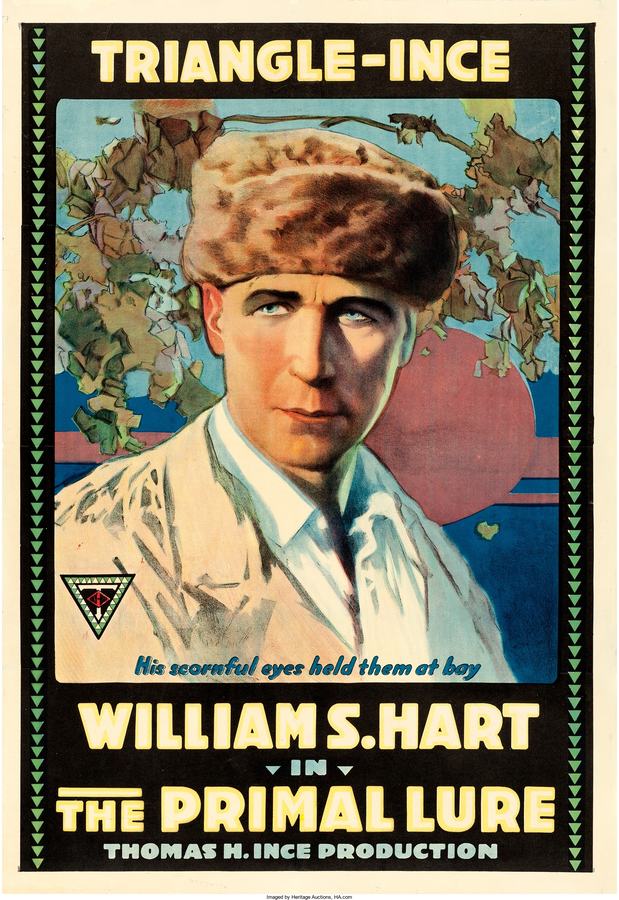
The silent era, a period often romanticized yet frequently misunderstood, was a crucible for narrative experimentation, where visual storytelling transcended the spoken word. Amidst this vibrant landscape, films like The Primal Lure, released in 1916, stand as fascinating artifacts, offering a window into the prevailing sensibilities and dramatic conventions of early American cinema. This particular feature, distinguished by the presence of William S. Hart, an iconic figure of the Western genre, navigates a complex tapestry of misunderstanding, betrayal, heroism, and the raw, untamed spirit of the frontier.
At its core, The Primal Lure is a testament to the enduring power of a compelling human drama, even stripped of synchronized sound. It plunges us into the remote, unforgiving world of Fort Lu Cerne, an outpost of the formidable Hudson Bay Company, where the very fabric of society is woven from survival, commerce, and the delicate balance of human trust. Angus McConnell, portrayed with characteristic gravitas by William S. Hart, is the factor, a man whose stern demeanor belies a deep-seated commitment to order and justice, particularly as it pertains to the company’s precarious finances. Hart, a master of the laconic hero, imbues Angus with a palpable sense of duty, a man whose principles are as unyielding as the wilderness he inhabits. His performance, as in many of his films like The Buzzard's Shadow, relies on a nuanced physicality and intensely expressive eyes, communicating volumes without uttering a single word. This silent eloquence was Hart’s signature, cementing his status as a cinematic legend.
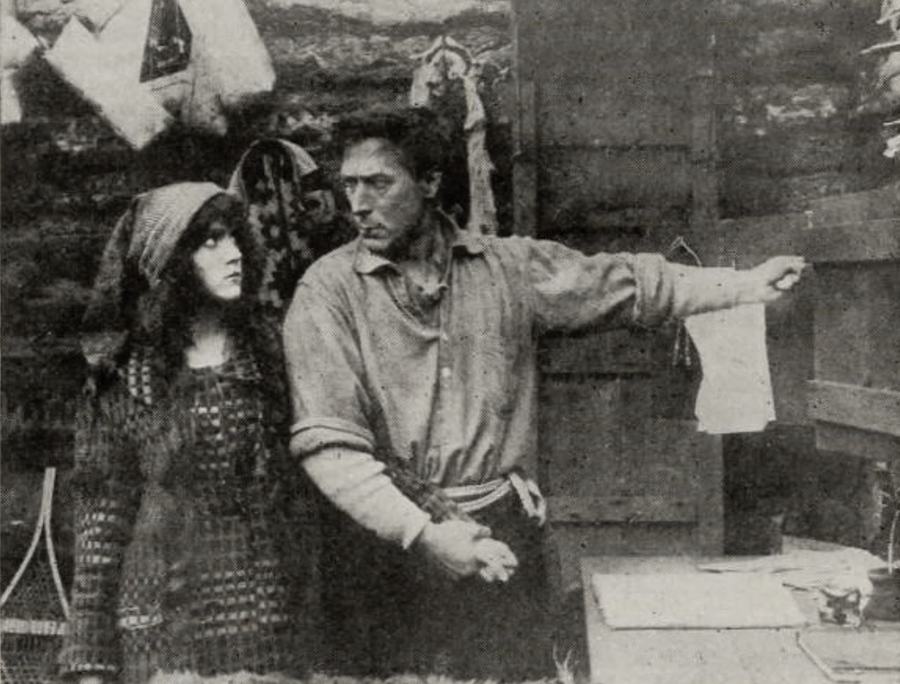
The narrative’s inciting incident, the disappearance of Angus’s meticulously kept ledger, serves as a catalyst for a series of events that spiral into tragic irony. The trappers, already burdened by a disastrous summer, find themselves deeply indebted, and this book represents the very foundation of Fort Lu Cerne’s economic stability. When Angus discovers Lois Le Moyne, the outpost’s captivating belle, rummaging through his desk, he immediately, and perhaps understandably, jumps to the conclusion that she is the thief. The dramatic irony here is profound: Lois, with intentions diametrically opposed to his suspicions, was merely attempting to bestow upon him a heartfelt gift—a pair of moccasins, meticulously crafted by her own hands. This poignant misunderstanding, a common yet potent device in early cinema, casts a long shadow over their initial interactions, leading to Lois’s wrongful imprisonment. It’s a classic setup that explores the dangers of presumption, a theme often revisited in narratives of the era, echoing the moral quandaries found in films like It Is Never Too Late to Mend, where justice is often elusive and easily swayed by appearances.
Margery Wilson, as Lois Le Moyne, navigates this complex role with a grace that was characteristic of leading ladies of the period. Her portrayal likely conveyed a potent mix of innocence, vulnerability, and a burgeoning resilience, essential for a character who endures such an egregious injustice. The silent film actress had to convey deep emotional states through gesture, facial expression, and body language, a demanding craft that Wilson undoubtedly mastered. Her character is not a mere damsel in distress, though the immediate circumstances place her in a precarious position. Instead, Lois embodies a quiet strength, a determination that, while initially leading her to a questionable bargain, ultimately serves as a testament to her will to survive and rectify her situation. Her plight resonates with the archetypal struggles of women in frontier narratives, often caught between the harsh realities of their environment and the unpredictable whims of men.
The arrival of Richard Sylvester, the company inspector, introduces a new dynamic, shifting the dramatic axis of the story. Sylvester, played by Robert McKim, embodies the opportunistic antagonist, a figure whose charm masks a calculating ambition. His immediate infatuation with Lois, a swift and perhaps superficial attraction, becomes the lever by which he manipulates the existing power structure. Lois, desperate to escape her unjust confinement and restore her reputation, sees an opportunity for leverage. Her agreement to marry Sylvester in exchange for Angus’s dismissal and Sylvester’s promotion to factor is a stark illustration of the limited choices often available to women in such patriarchal societies, and the lengths to which one might go to reclaim agency. This narrative twist is a powerful commentary on the transactional nature of power and relationships in a world where survival often dictates morality.
Sylvester’s swift accomplishment of this goal underscores his shrewdness, but it also paints him as a character devoid of genuine integrity. His ascendancy comes at Angus’s expense, casting the rightful factor into solitary exile on the trail. This expulsion of the protagonist, a common trope in Westerns, allows for a period of introspection and toughening, a journey through the wilderness that often purifies and strengthens the hero. It sets the stage for Angus’s eventual, and much-needed, return. However, Sylvester’s triumph is short-lived. The outbreak of a devastating epidemic, a force of nature far beyond human control, becomes the ultimate test of his character. His subsequent flight with his bodyguard, a cowardly act of self-preservation, exposes the hollowness of his authority and the superficiality of his commitment to the outpost and its people. This stark contrast between his initial ambition and his ultimate cowardice serves as a potent moral lesson, a narrative device designed to highlight the true meaning of leadership and courage.
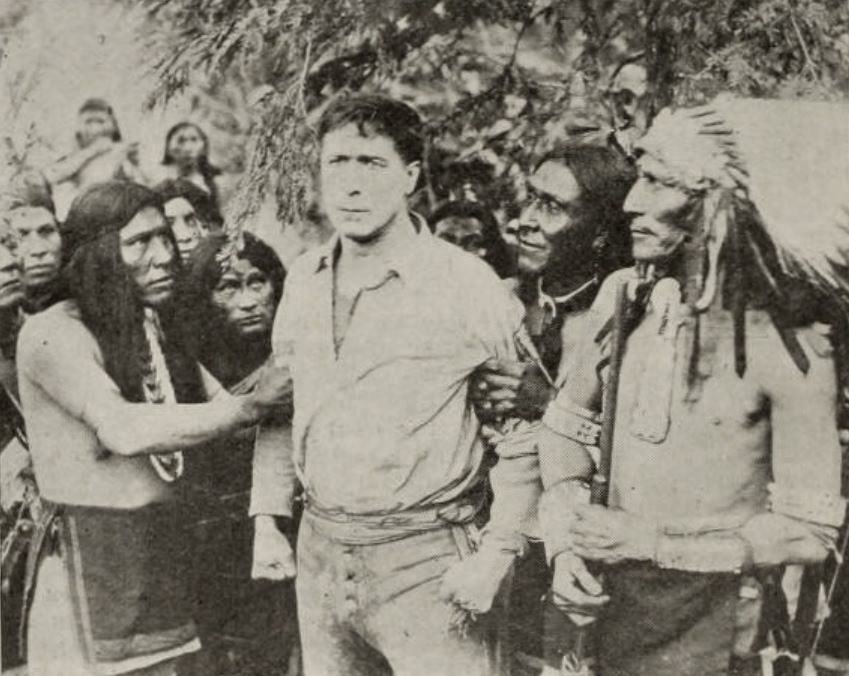
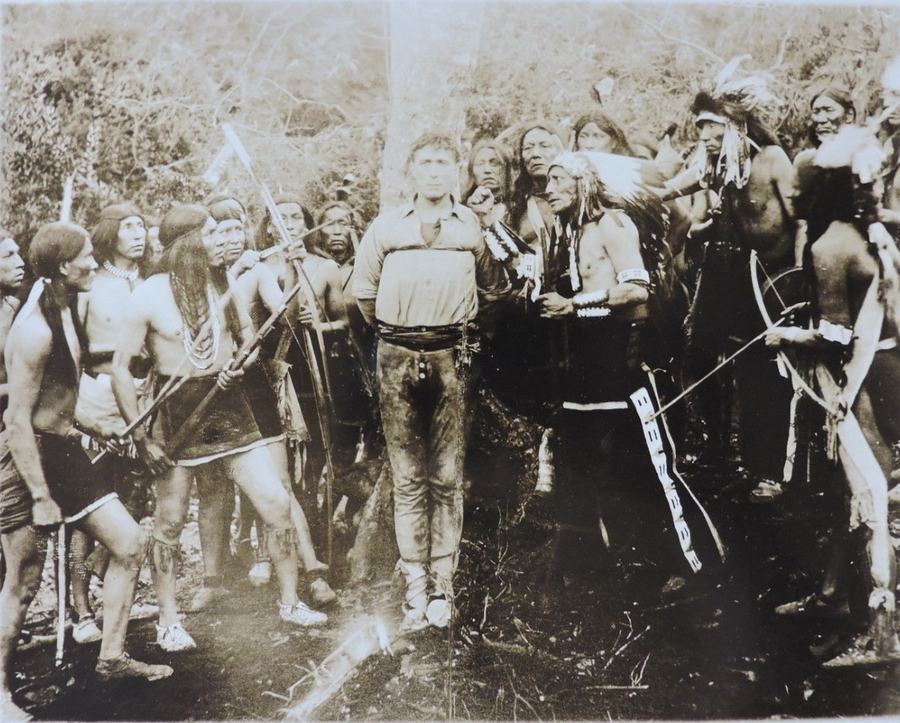
It is at this critical juncture that Angus McConnell, having heard of the unfolding catastrophe and the ominous threat of the Blackfeet Indians demanding a human sacrifice, makes his heroic return. His reappearance is not merely a fortuitous coincidence; it is a narrative imperative, signaling the reassertion of true leadership in a time of crisis. He resumes the reins of authority, a natural fit for a man of his inherent strength and moral compass. The ensuing Indian attack, described as a “thrilling fight” where the whites are “greatly outnumbered,” would have been a spectacle of dramatic tension in 1916 cinema. Silent films excelled at staging large-scale action sequences, relying on dynamic camera work, rapid editing, and the physical prowess of the actors to convey the intensity of battle. The portrayal of Native Americans in films of this era, while often problematic by modern standards, typically served as a formidable external threat, driving the heroic actions of the protagonists. This aspect, while culturally sensitive today, was a standard narrative tool for generating high stakes and showcasing frontier heroism.
Angus’s decision to offer himself as the sacrificial victim is the ultimate act of selflessness, a profound demonstration of his leadership and his commitment to the community he once served. This moment of supreme sacrifice, followed by his “miraculous” salvation, elevates him beyond the realm of a mere factor to that of a true hero, a redeemer. Such miraculous interventions were not uncommon in early cinema, often serving as a divine affirmation of the hero’s righteousness and moral fortitude. Upon his return to the fort, however, Angus finds a desolate landscape. Everyone has fled, save for Lois. This solitary reunion, after a journey through misunderstanding, betrayal, and shared peril, sets the stage for the film’s enigmatic and powerful conclusion. The two former adversaries, now stripped of their societal roles and prejudices, are left to confront not only the aftermath of the plague and the attack but also the complex emotional landscape that lies between them. It’s a compelling setup, forcing them to shed their preconceived notions and perhaps forge a new understanding.
Thematically, The Primal Lure delves deep into the concepts of justice, redemption, and the true meaning of leadership. Angus, initially perceived as harsh and unforgiving, is revealed to be a man of profound integrity and courage. Lois, wronged by circumstance and suspicion, displays a remarkable resilience and resourcefulness. Sylvester, the seemingly polished figure of authority, is exposed as a craven opportunist. The film, penned by J.G. Hawks and Vingie E. Roe, skillfully weaves these character arcs into a compelling narrative that transcends its simple plot points. Roe, a notable female writer of the era, often infused her stories with strong female characters and a keen understanding of human psychology, elements that likely contributed to Lois’s nuanced portrayal. The collaboration between Hawks and Roe would have aimed to craft a story that resonated with contemporary audiences, offering both thrilling action and moral reflection.
The artistry of silent film, particularly in a production like this, relied heavily on visual storytelling and the emotive power of its actors. Jerome Storm, Joe Goodboy, and Leo Willis, though in supporting roles, would have contributed to the overall atmosphere and dramatic weight. The use of intertitles, carefully crafted to convey dialogue and crucial plot exposition, would have been paramount in guiding the audience through the story’s intricate turns. Cinematography, even in its nascent stages, played a vital role in establishing mood and setting, capturing the rugged beauty and inherent dangers of the frontier. One can imagine sweeping shots of the wilderness, claustrophobic close-ups during moments of tension, and dynamic compositions during the battle sequences. The pacing, often dictated by the emotional ebb and flow of the narrative, would have been expertly managed to build suspense and deliver catharsis. The score, though live and improvised in theaters, was an integral part of the experience, guiding emotional responses and amplifying the on-screen drama, much like the way music enhances the tension in a modern thriller.
Comparing The Primal Lure to other films of its time helps contextualize its significance. While it shares the frontier setting with classics like The Spoilers, its focus on individual moral struggle and the psychological interplay between its characters gives it a distinct flavor. Unlike the more fantastical elements often seen in films like Cinderella, The Primal Lure grounds itself in the harsh realities of survival and human nature. The film’s exploration of power dynamics and the abuse of authority, seen through Sylvester’s actions, resonates with themes found in European productions such as Godsforvalteren, which also delved into the intricacies of social hierarchy and moral corruption. The 'primal lure' itself could be interpreted as the siren call of survival, the allure of power, or even the raw, untamed passion that ultimately binds Angus and Lois.
The film’s conclusion, where Angus and Lois are left as the sole inhabitants of the deserted fort, is a stroke of narrative brilliance. It strips away all external distractions, all societal expectations, leaving only the raw essence of two individuals who have profoundly impacted each other's lives. The “great finish” alluded to in contemporary reviews suggests a resolution that is both emotionally resonant and dramatically satisfying, perhaps culminating in an understanding or even a burgeoning affection born from shared adversity. It’s a powerful testament to the idea that true connection can emerge from the most unlikely of circumstances, and that redemption is possible even for those who have been wronged or have committed wrongs themselves. This kind of intimate, character-driven resolution, following grand-scale action, provides a deeply human counterpoint, allowing the audience to reflect on the journey these characters have undertaken.
In retrospect, The Primal Lure stands as more than just a forgotten silent film; it is a vital piece of cinematic history, showcasing the talents of its cast and crew, particularly William S. Hart, at a pivotal moment in the industry’s development. It captures the spirit of an era, the challenges of frontier life, and the timeless struggles of human nature. Its narrative, rich with conflict, suspense, and eventual resolution, speaks to the enduring appeal of stories where courage is tested, justice is sought, and the human spirit ultimately triumphs against overwhelming odds. The film, like many of its contemporaries, laid foundational groundwork for the complex narratives and character studies that would define cinema for decades to come, proving that even without words, a story could be profoundly moving and deeply impactful. Its legacy lies in its ability to transport us to a bygone era, allowing us to witness the birth of cinematic heroism and the compelling power of a well-told tale.
IMDb —
1920
Community
Log in to comment.