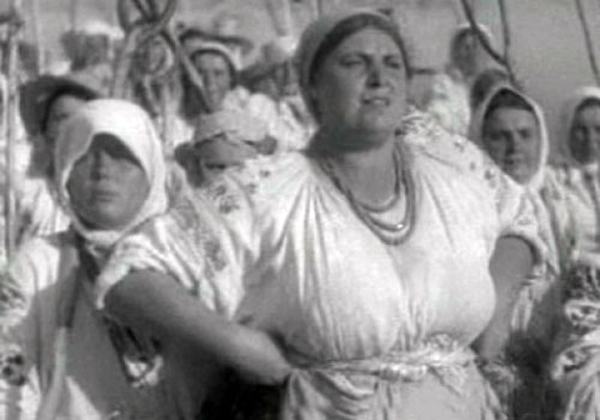
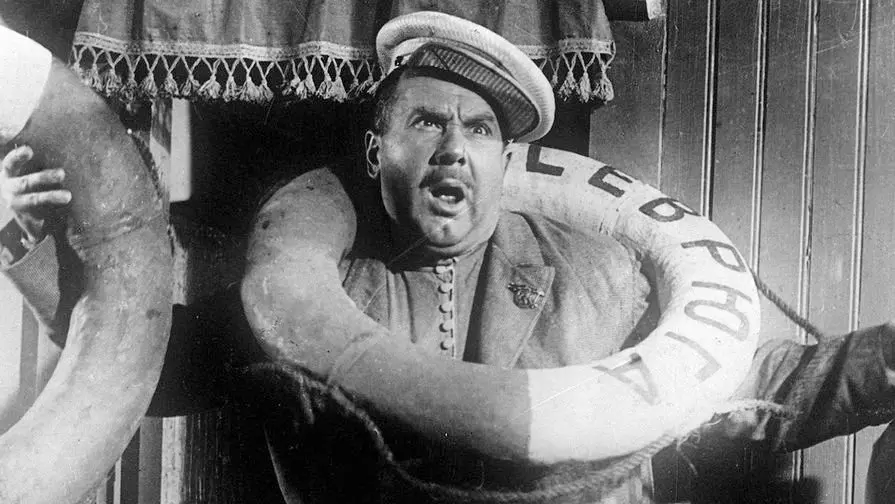
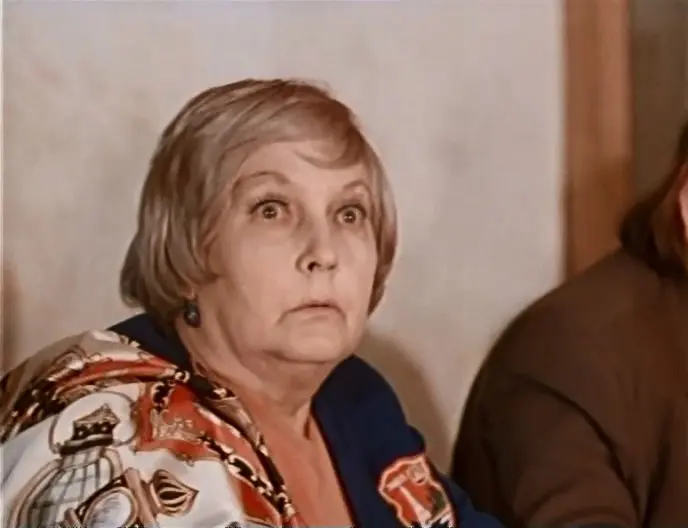
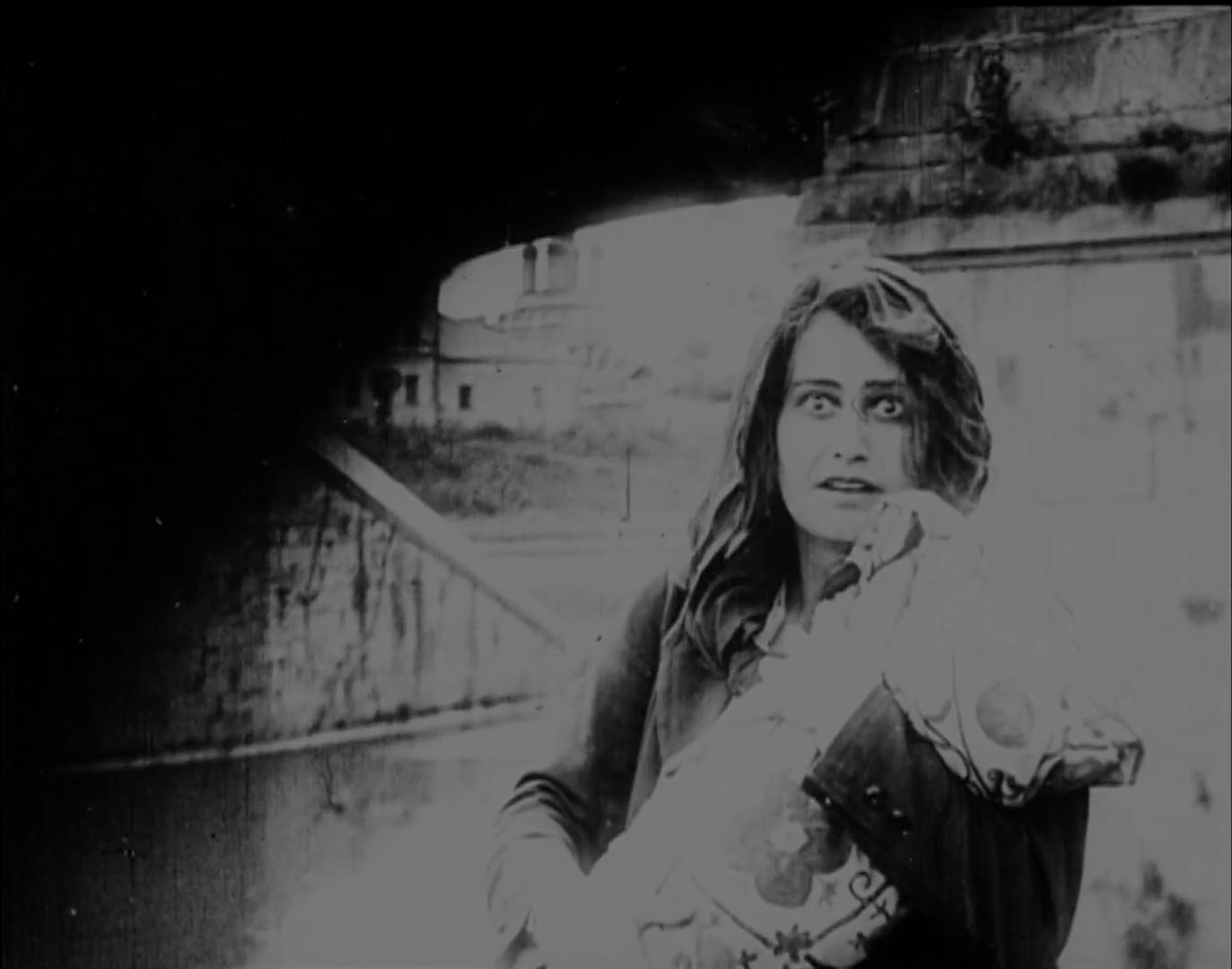
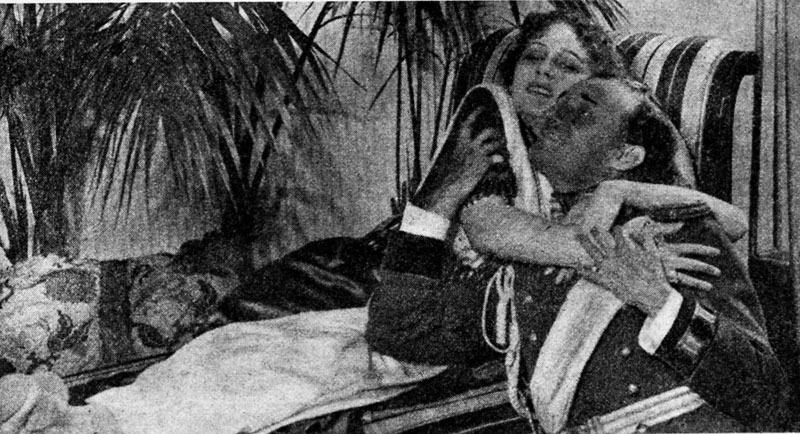
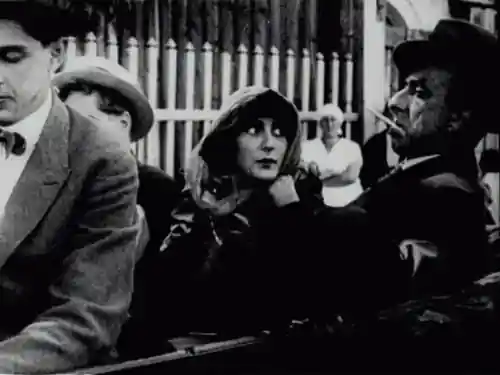
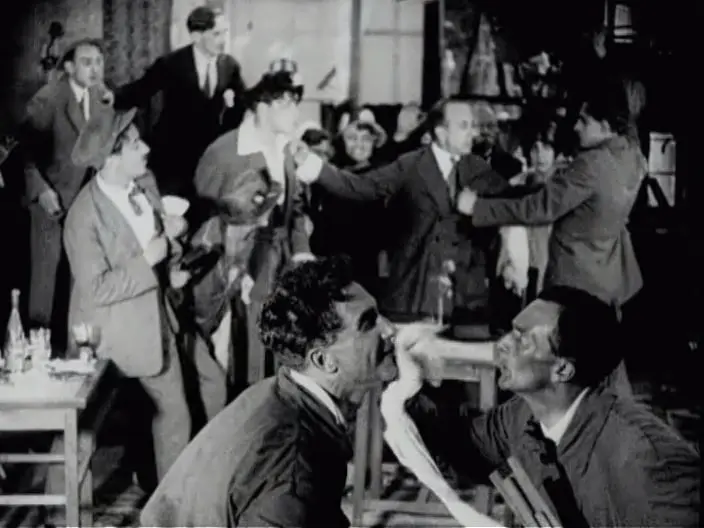
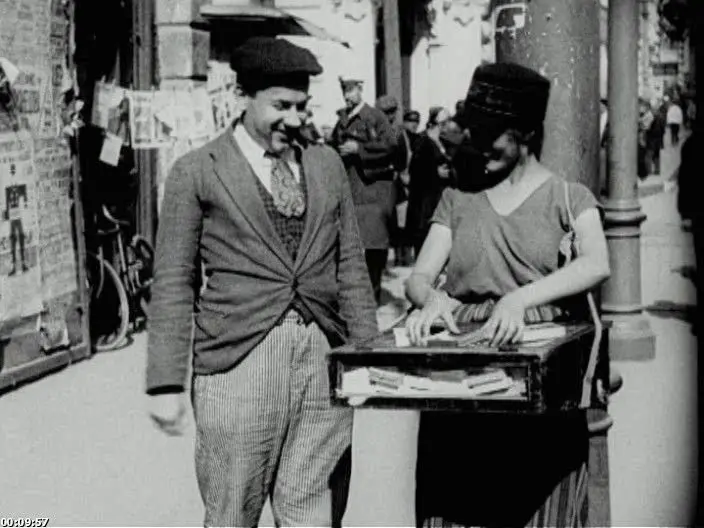
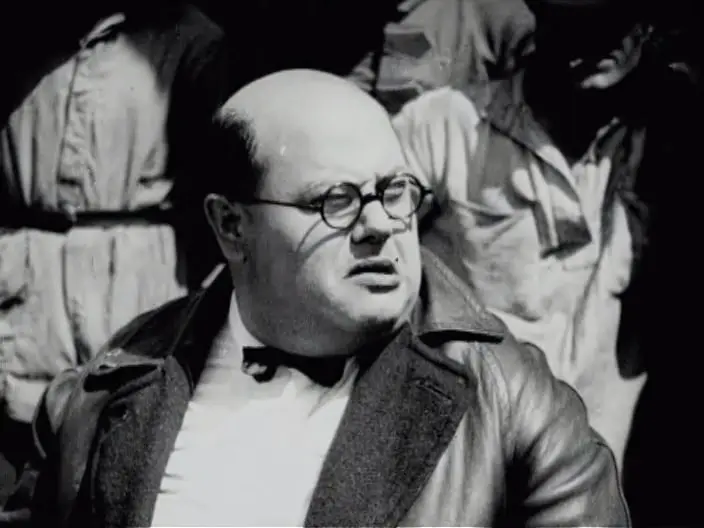
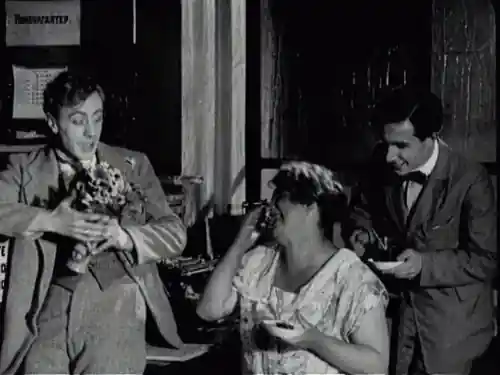
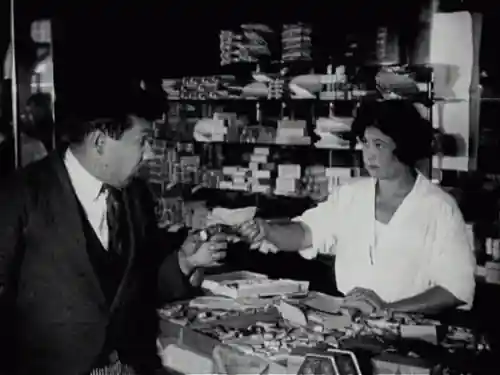
As she works in her tedious office job, Maria Ivanovna dreams about being married, and she has particular hopes that her co-worker Nikodim Mityushin will take an interest in her. Nikodim, though, is in love with Zina, who sells cigarettes on the sidewalk, and he frequently buys cigarettes from her even though he does not smoke.
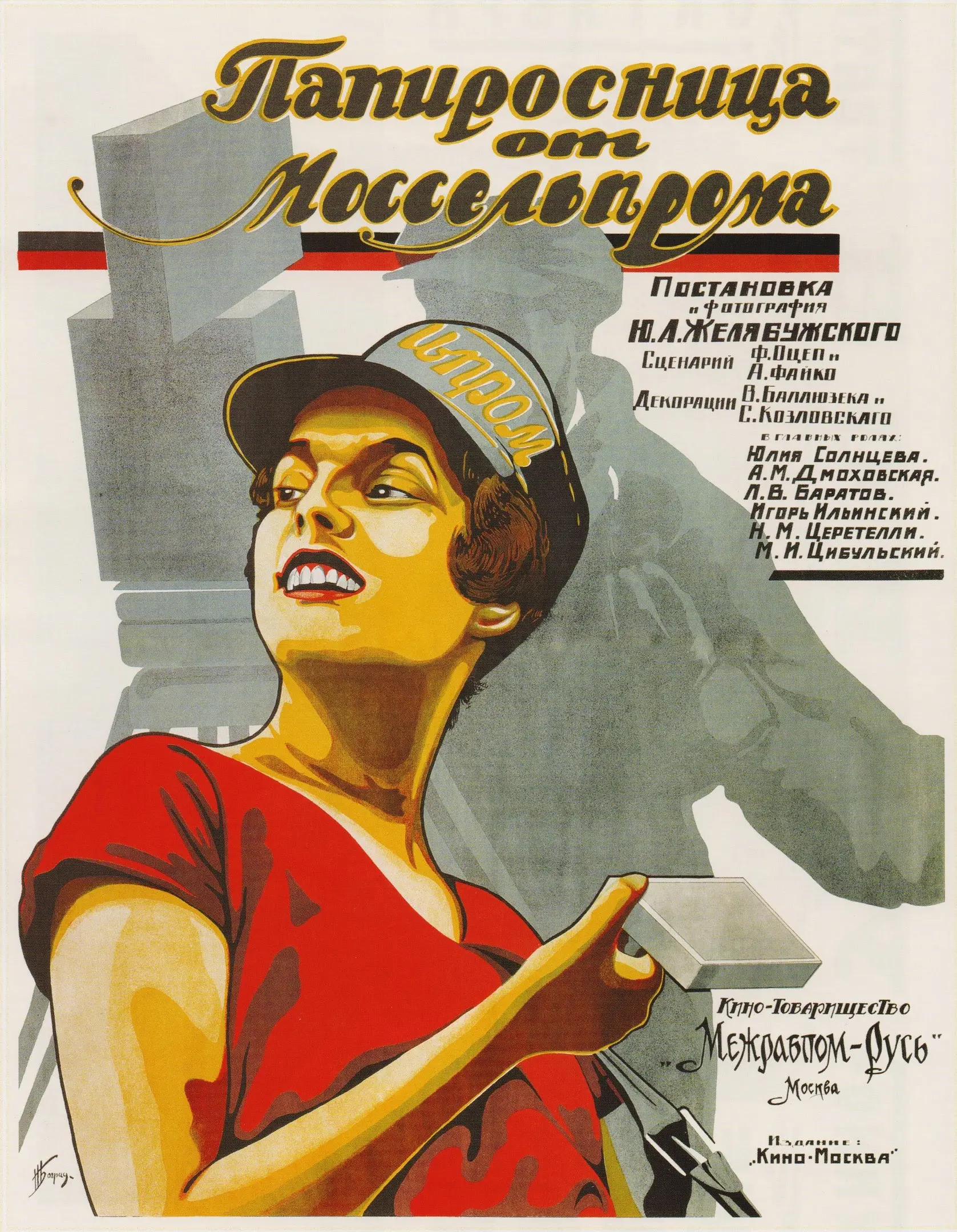
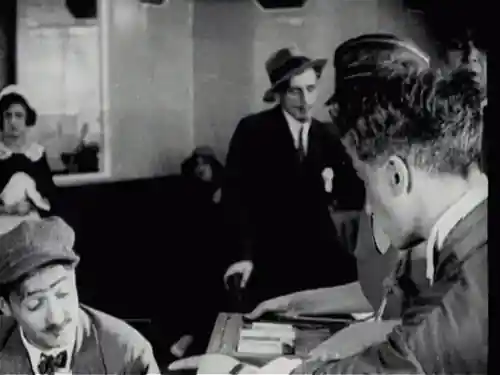
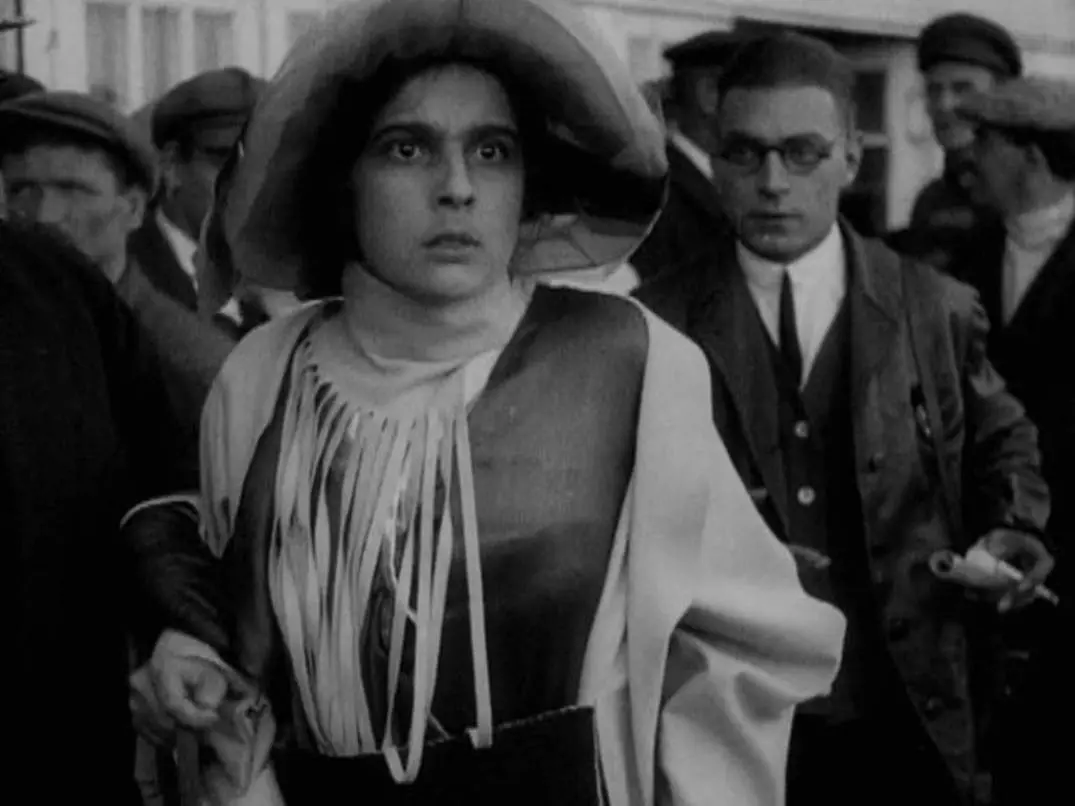
To inhabit the visual landscape of The Cigarette Girl of Mosselprom (Papirosnitsa ot Mosselproma) is to witness a civilization in the throes of a profound identity crisis, captured through the flickering, high-contrast lens of the 1920s Soviet avant-garde. While contemporaries like Eisenstein were busy codifying the ...
still_frame
still_frame
still_frame
still_frame
still_frame
still_frame
still_frame
still_frame
Comparing the cinematic DNA and archive impact of two defining moments in cult history.
Yuri Zhelyabuzhsky
Maurice Campbell
Community
Log in to comment.
" To inhabit the visual landscape of The Cigarette Girl of Mosselprom (Papirosnitsa ot Mosselproma) is to witness a civilization in the throes of a profound identity crisis, captured through the flickering, high-contrast lens of the 1920s Soviet avant-garde. While contemporaries like Eisenstein were busy codifying the language of revolution through montage, Yuri Zhelyabuzhsky opted for a more subversively playful approach, utilizing the burgeoning urbanity of Moscow as a sprawling stage for a ro..."
Nikolay Vishnyak
Fyodor Otsep, Aleksei Fajko
Soviet Union
Deep dive into the cult classic
Discover similar cinematic experiences
A Directorial Spotlight on Yuri Zhelyabuzhsky