DbcultAccessing Vault...
Cult Review
Senior Film Conservator
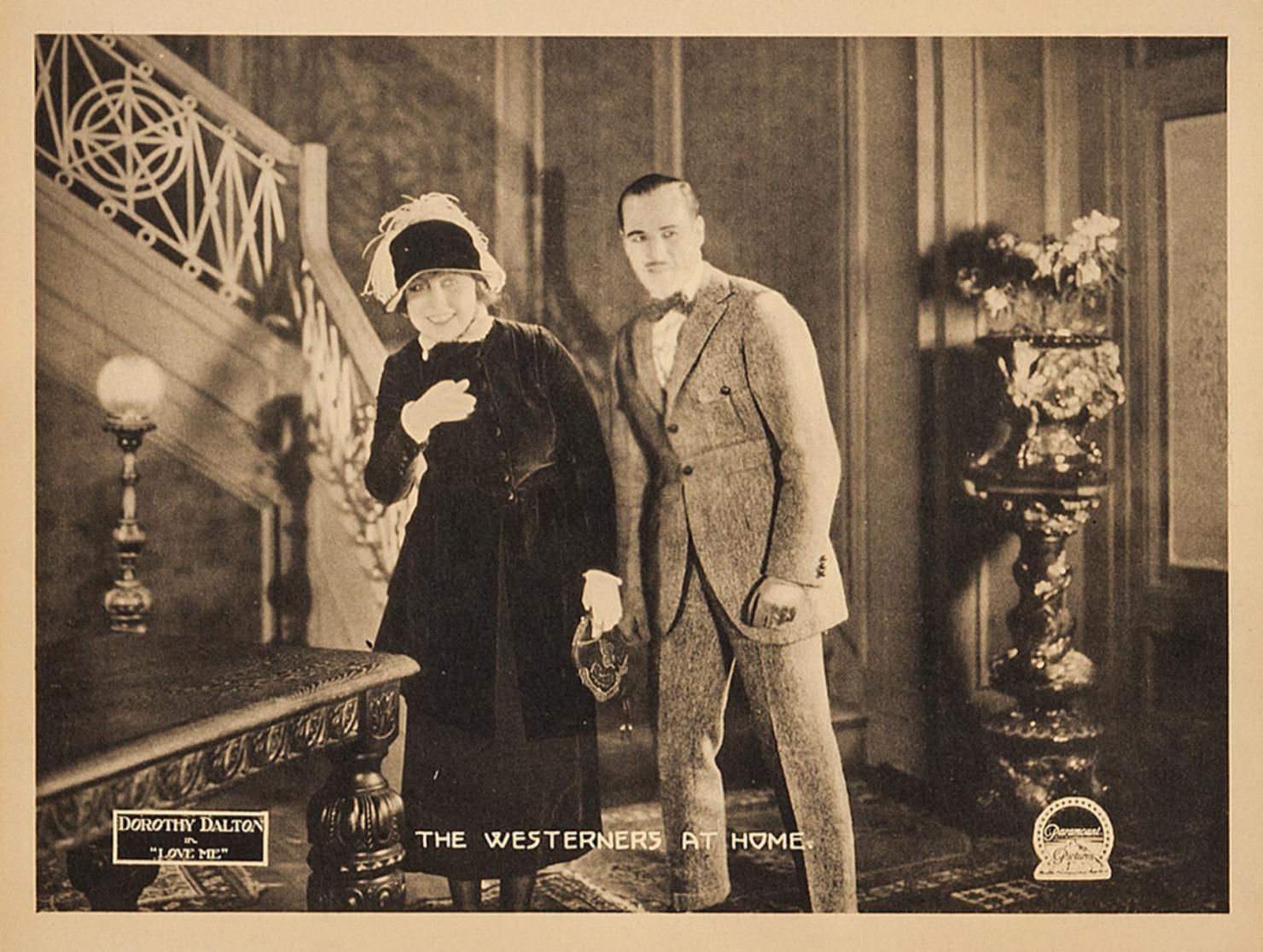
In the annals of early cinema, where narratives often served as moral parables or escapist fantasies, C. Gardner Sullivan’s screenplay for Love Me (1918) stands as a fascinating artifact, a testament to the era’s fascination with societal divides and the redemptive power of an uncorrupted spirit. This particular silent drama, featuring the formidable talents of Jack Holt and Dorcas Matthews, plunges us into a world where the rugged individualism of the American West collides head-on with the entrenched snobbery of East Coast aristocracy. It’s a classic juxtaposition, one that resonates through countless stories of the period, yet Love Me carves out its own distinct niche through its nuanced portrayal of character and its surprisingly modern sensibilities regarding female agency.
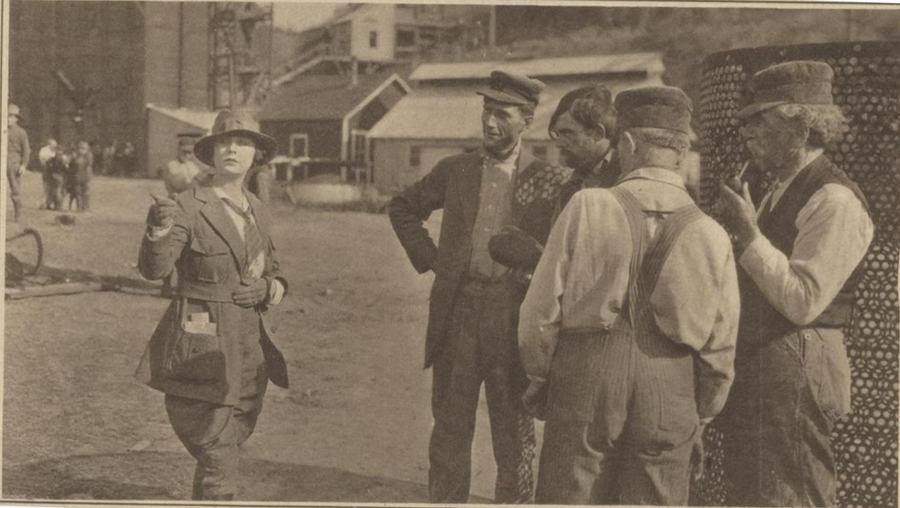
Our narrative commences in a Western mining town, a crucible of opportunity and grit, far removed from the manicured lawns and hushed drawing-rooms of Philadelphia. Here, we encounter Maida Madison, a civil engineer—a profession notably progressive for a woman of her time, immediately signaling her independence and intellectual prowess. Her practical ingenuity and straightforward charm capture the attention, and ultimately the heart, of Gordon Appleby, a millionaire whose wealth, one presumes, was forged in similar, less refined environments. Their union, sealed by a proposal and swift marriage, represents a fascinating convergence: the raw, untamed potential of the West marrying into the established, albeit stifling, legacy of the East. This initial premise immediately sets the stage for a conflict that transcends mere personal disagreement, becoming a symbolic battleground for competing American ideals.
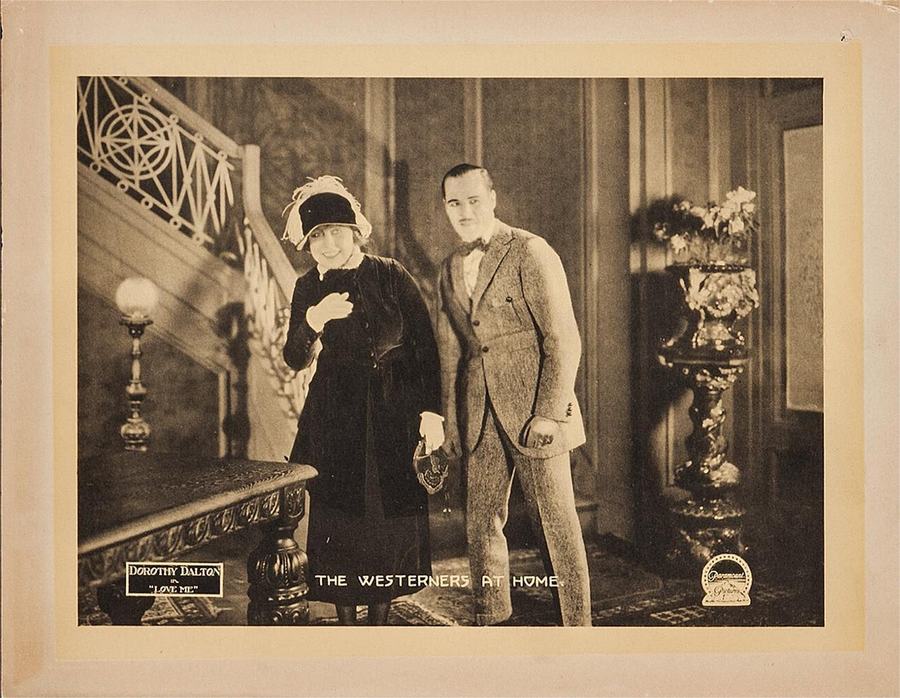
Upon their return to Philadelphia, the honeymoon period for Gordon and Maida swiftly dissipates under the chilling gaze of the Appleby family. Their reception is not merely cool, but overtly hostile, a stark embodiment of the class and cultural prejudices that defined much of early 20th-century American society. The Applebys, a family steeped in inherited wealth and rigid social conventions, view Maida not as an individual, but as an exotic, uncouth interloper, a jarring presence in their meticulously curated existence. This immediate antagonism is spearheaded by Gordon's elder brother, Mortimer, a character who perfectly encapsulates the era's snobbish, highbrow sensibilities. Mortimer’s disdain for Maida's "breezy manner" – her unpretentious candor and lack of aristocratic affectation – is palpable. He perceives her natural ease as a vulgar affront to his family’s refined lineage and, with a Machiavellian resolve, determines to systematically dismantle their marriage. His character serves as the primary antagonist, a living embodiment of the societal pressures and judgmental attitudes that Maida must confront.
The portrayal of this societal friction is a recurring theme in cinema of this era. One might draw parallels to films like The Great Divide, which similarly explored the chasm between Eastern sophistication and Western ruggedness, often presenting the latter as inherently more virtuous or authentic. However, Love Me distinguishes itself by focusing not just on the clash of environments, but on the profound personal cost to the individual caught in the crossfire. Dorcas Matthews, though details of her performance are necessarily gleaned from silent film conventions, likely conveyed Maida’s resilience through expressive gestures and a determined gaze, embodying a strength that was both admirable and, to her detractors, infuriating.
As if navigating her own marital woes weren’t enough, Maida soon stumbles upon another domestic crisis brewing within the Appleby household. Gordon’s sister, Eunice, whose husband is away serving overseas, has succumbed to the charms of Rupert Fenton, a notorious playboy whose intentions are clearly less than honorable. This subplot introduces a layer of moral complexity and emotional urgency, allowing Maida to demonstrate her character not just as a wife, but as a compassionate and principled woman. Her discovery of Eunice's attachment to Rupert, and subsequently overhearing their plan to elope to Egypt at a party, places Maida in an unenviable position. She faces a profound ethical dilemma: expose Eunice’s transgression and potentially disgrace the family further, or intervene discreetly, risking her own standing in the process. Maida, embodying the frontier spirit of direct action and protective instinct, chooses the latter, prioritizing Eunice's well-being and the family’s honor over her own precarious social acceptance.
The dramatic tension escalates late that evening when Maida, in a desperate bid to prevent Eunice's fateful elopement, follows her to Rupert’s apartment. It is here, in the shadows of a clandestine rendezvous, that fate—or rather, Mortimer’s insidious vigilance—intervenes. Maida is seen by Mortimer, who seizes upon this seemingly damning evidence with predatory glee. He wastes no time in twisting the situation, almost successfully convincing Gordon of Maida’s unfaithfulness. The scene is a masterclass in silent film melodrama, relying on heightened emotions, dramatic close-ups, and the powerful suggestion of betrayal. Jack Holt, as Gordon, would have conveyed his internal torment through a series of anguished expressions, caught between loyalty to his wife and the insidious whispers of his brother. This moment represents the nadir of Maida’s journey, where her noble intentions are utterly misconstrued, and her character is subjected to the gravest suspicion.
In the face of Gordon's doubt and Mortimer's accusations, Maida's response is perhaps the most compelling and heroic aspect of her character. She refuses to explain her presence at Rupert's apartment. This isn't an act of defiance born of stubbornness, but a profound act of self-sacrifice, a silent vow to shield Eunice from the devastating consequences of her actions. Maida understands that revealing the truth would expose Eunice to public shame and irrevocably tarnish the Appleby name, something her own sense of honor, forged in the West, cannot countenance. This stoic resolve in the face of injustice is a powerful statement about integrity and selflessness, positioning Maida as a moral anchor in a family adrift in superficiality. Similar themes of a woman's unwavering moral compass in the face of adversity can be seen in films like The Girl from Frisco, where strong female protagonists often navigate treacherous social landscapes with an innate sense of justice.
The tension builds to an almost unbearable pitch, with Maida’s reputation hanging by a thread. However, the moral weight of Maida’s silence eventually breaks through Eunice’s shame. Overwhelmed by Maida’s selfless protection and the unbearable guilt of her own deception, Eunice finally confesses her attachment to Rupert and the thwarted elopement plan. This confession is the turning point, the dramatic release that vindicates Maida and shatters the carefully constructed web of lies and prejudices. The power of this moment lies not just in the revelation, but in its transformative effect on the Appleby family. Mortimer’s malicious machinations unravel, and Gordon’s faith in his wife is not merely restored but deepened by a profound understanding of her exceptional character.
The resolution of Love Me is deeply satisfying precisely because it earns its happy ending through genuine character development and the triumph of virtue. Filled with gratitude and a newfound respect, the Applebys, once so cold and dismissive, finally accept their Western daughter-in-law into the family. This acceptance isn't merely a truce; it's a recognition of Maida's intrinsic worth, a tacit acknowledgment that true nobility lies not in lineage or social standing, but in integrity, compassion, and unwavering loyalty. The film, in this regard, offers a compelling critique of superficial societal judgments, advocating for a more authentic measure of character. It suggests that the perceived 'roughness' of the West, embodied by Maida, possesses a moral clarity and strength often absent in the 'refined' East.
From a cinematic perspective, Love Me, like many films of its era, relied heavily on visual storytelling. The performances of Jack Holt and Dorcas Matthews, along with supporting players like George Kuwa and Lloyd Hughes, would have been characterized by exaggerated gestures, poignant facial expressions, and precise body language, all designed to communicate emotion without spoken dialogue. Intertitles, a crucial element of silent film, would have provided exposition, dialogue, and crucial narrative beats, guiding the audience through the intricate plot. The pacing, typical of early features, would likely have been deliberate, allowing the emotional weight of each scene to fully register. The film's overall aesthetic would have been shaped by the cinematography of the time, emphasizing dramatic lighting and compositional choices to enhance mood and narrative impact. Considering the era, one might compare its dramatic structure to other silent melodramas like The Piper's Price or even the more adventurous The Social Buccaneer, though Love Me grounds itself firmly in domestic drama and social commentary.
C. Gardner Sullivan's writing here is particularly noteworthy for its construction of a strong female protagonist. Maida Madison is not merely a damsel in distress or a passive object of affection; she is an active agent in her own story and the catalyst for the family's eventual redemption. Her profession as a civil engineer is not incidental; it underscores her intelligence, capability, and a modern spirit that stands in stark contrast to the stifling conventions of the Appleby family. This progressive characterization, while perhaps not revolutionary for its time, certainly contributed to a growing trend of more complex female roles in cinema, moving beyond mere romantic interests to figures of moral authority and decisive action. Her journey from outsider to accepted family member, earned through her own unyielding character rather than forced assimilation, provides a powerful and enduring message.
The film's exploration of family dynamics, particularly the destructive nature of judgment and the redemptive power of forgiveness, remains pertinent. Mortimer’s character, for instance, serves as a timeless archetype of the envious, manipulative individual who seeks to destroy what he cannot understand or control. His eventual defeat is a satisfying moral victory. Conversely, Eunice’s arc, from reckless indulgence to contrite confession, offers a compelling portrayal of moral awakening. The film’s ultimate message—that genuine worth transcends superficial boundaries of class and upbringing—is a timeless one, rendered with a dramatic flair that would have captivated audiences of 1918 and still holds a certain charm for contemporary viewers interested in the roots of cinematic storytelling.
In conclusion, Love Me is more than just a silent film melodrama; it is a thoughtful commentary on American identity, the perennial struggle between tradition and modernity, and the profound impact of individual character on collective fate. Through Maida Madison's journey, audiences are invited to reflect on the true meaning of acceptance, the courage required to uphold one's integrity, and the enduring power of a love that transcends societal artifice. It's a film that, despite its age and the silent medium, speaks volumes about human nature and the societal structures we build around ourselves. Its legacy lies in its earnest portrayal of these universal themes, cementing its place as a significant, if often overlooked, piece of early cinematic history.

IMDb 5.9
1928
Community
Log in to comment.