DbcultAccessing Vault...
Cult Review
Senior Film Conservator
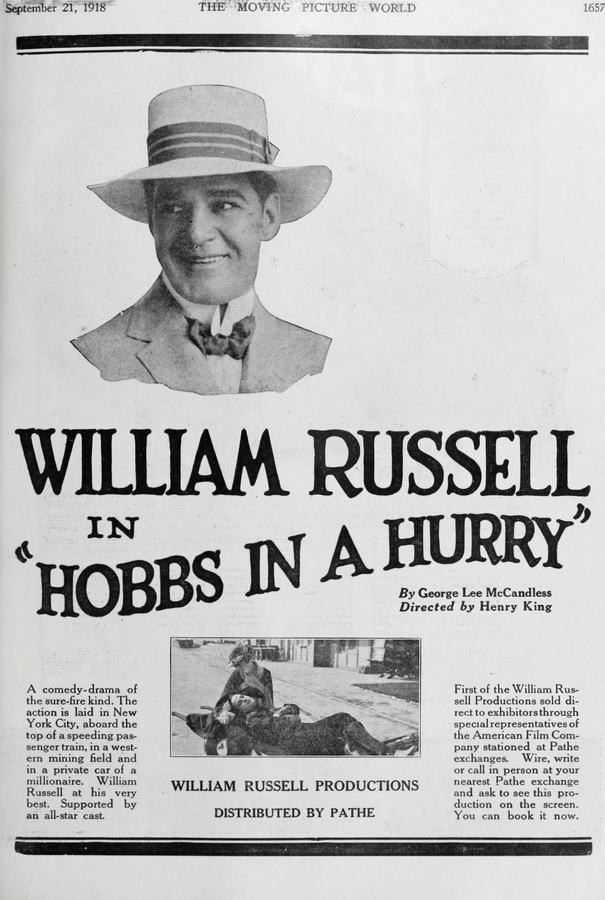
Picture a nickelodeon flickering to life in 1920: the pianist unleashes a syncopated rag, and Hobbs in a Hurry erupts across the screen like a tincture of mercury slipped into bourbon. What unfurls is not mere melodrama but a sly meditation on value—geological, filial, romantic—where every nugget proves double-edged. Director George Lee McCandless, armed with Jules Furthman’s whip-smart intertitles, stages a capitalist carnival inside a landscape that Keith of the Border merely scouted and Kentucky Brothers never dared to desecrate.
The film’s chiascuro cinematography—all charcoal shadows and magnesium flares—mirrors the moral ledger kept by its characters. When Henry A. Barrows’s patriarchal Hobbs Sr. dispatches his heir to reclaim the mine, the gesture reeks of Old Testament reckoning: the father giveth worthlessness, the father taketh back windfall. Yet the true auteur of chaos is Hayward Mack’s Lord Willoughby, a fop-turned-puppetmaster whose monocle catches light like a sniper’s scope. Watch how Mack modulates posture: spine languid in drawing rooms, shoulders squared on the platform, a gait that whispers nobility while the eyes scheme sotto voce. The dual-role gambit—shared with Carl Stockdale as the honest twin—predates The Little Gypsy’s mirrored alterities, yet anticipates the identity vertigo later perfected in On Dangerous Ground.
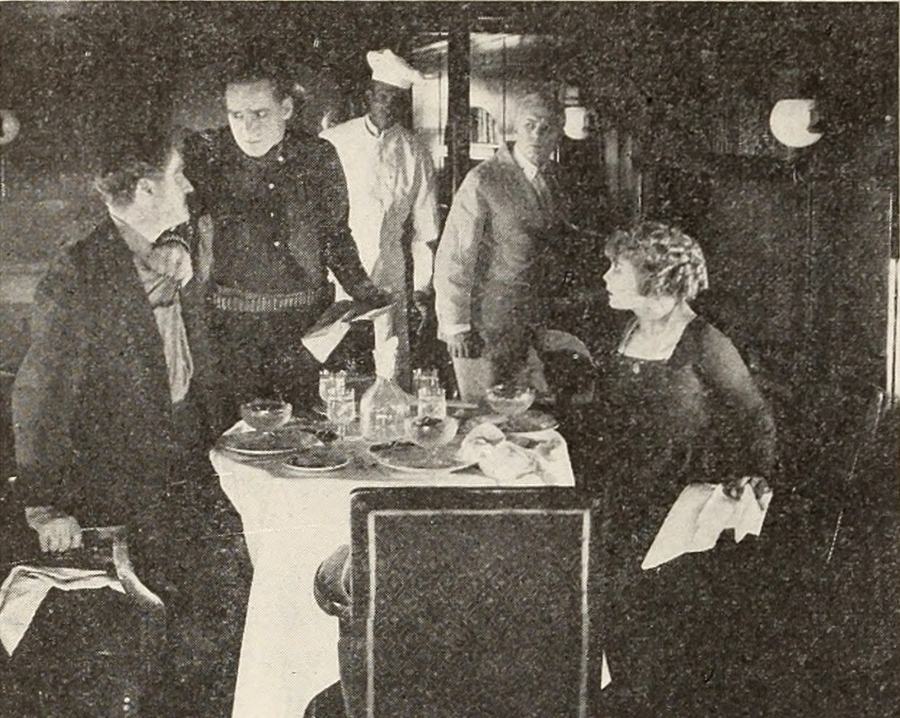
Central to the intrigue is the locomotive itself, a gleaming iron serpent that devours distance and spews steam like industrial hubris. Inside its mahogany coaches, William Russell’s Hobbs Jr. courts Winifred Westover’s Helen with paper-trail evidence of love: stock certificates, geological surveys, a future inked in ore grades. Their chemistry smolders beneath corset and cravat; Westover’s close-ups—lips parted, pupils dilated—serve as silent rebuke to Susie Snowflake’s virginal frost. When Helen spurns Lord’s advances, the rejection detonates the plot’s hinge: identity theft, forged deeds, and a second sale executed with the panache of a cardsharp flicking an ace from his sleeve.
What follows is a bravura sequence of cross-cutting—Renshaw’s cash changing hands while Hobbs Jr. signs the genuine bill of sale—that rivals Griffith for rhythmic propulsion yet feels quintessentially modern in its cynicism. The mine, once thought pregnant with tungsten (the “devil’s metal” coveted for hardening steel), coughs up only dust and pyrite. Cue the film’s most sardonic intertitle: “The earth kept her treasure—her joke on greed.” In that instant, McCandless indicts not merely Renshaw but an entire gilded age drunk on speculative mania, a thesis later echoed—though less playfully—in Sunshine and Gold’s Klondike collapse.
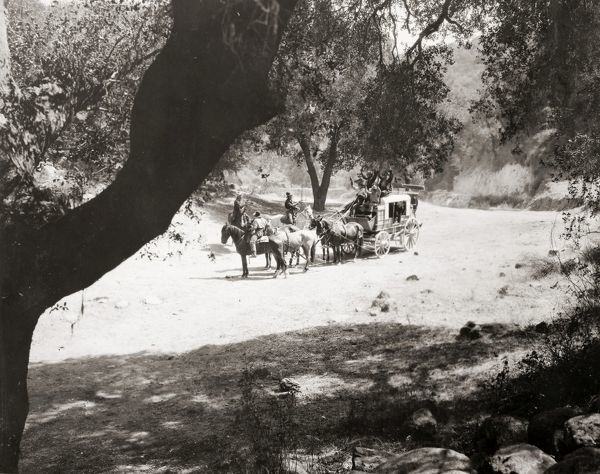
Yet the narrative pirouette that crowns Hobbs in a Hurry is the junior tycoon’s counter-scam. Realizing the mine’s hollowness, Hobbs flips the deed back to Renshaw, extorting paternal consent for Helen’s hand rather than hard coin. It is a transaction both romantic and rapacious, sealing the elopement with the same parchment that once promised empire. The lovers’ exit—via motorcar belching exhaust across alkali flats—constitutes a visual gag worthy of Sennett: dust clouds swallowing the defeated mogul, a curtain of earth replacing velvet.
Sonically, the survival prints now housed at MoMA allow us to reconstruct the original cue sheets: circus-brass for the railroad hustle, habanera rhythms under Lord’s masquerade, a waltz that disintegrates into dissonant chords once the mine’s barrenness is revealed. Contemporary reviewers compared the effect to Il trovatore’s anvil chorus, though here the anvils ring hollow, underscoring futility.
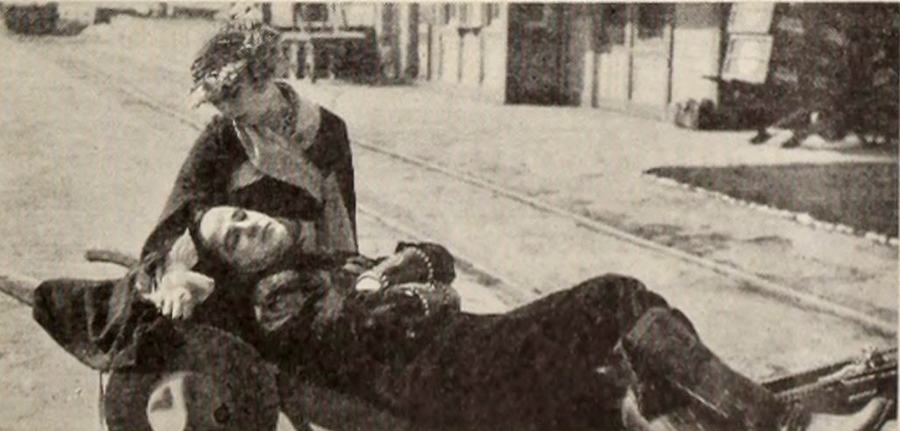
Performances oscillate between grandiloquent gesture and whispered intimacy. Richard Morris’s Renshaw—jowls aquiver, pocket watch chained to destiny—embodies capital in corpulent form. Watch how he caresses the assay report as though it were a love letter, only to crumple it with operatic wrath once duped. The moment channels the same venal pathos The Empress locates in monarchic decline, yet Renshaw’s fall lacks tragic grandeur; it is comic pratfall, capitalism slipping on its own banana peel.
Gender politics, though corseted by 1920 strictures, slyly subvert expectation. Helen is no mere bargaining chip; her gaze directs plot pivots, her refusal of Lord catalyzes the masquerade. In the climactic exchange, she pockets the signed marriage consent before her father can blot the ink, a quiet assertion that the real treasure is female agency, not tungsten. One wishes For a Woman’s Fair Name had granted its heroine similar tactical wit.
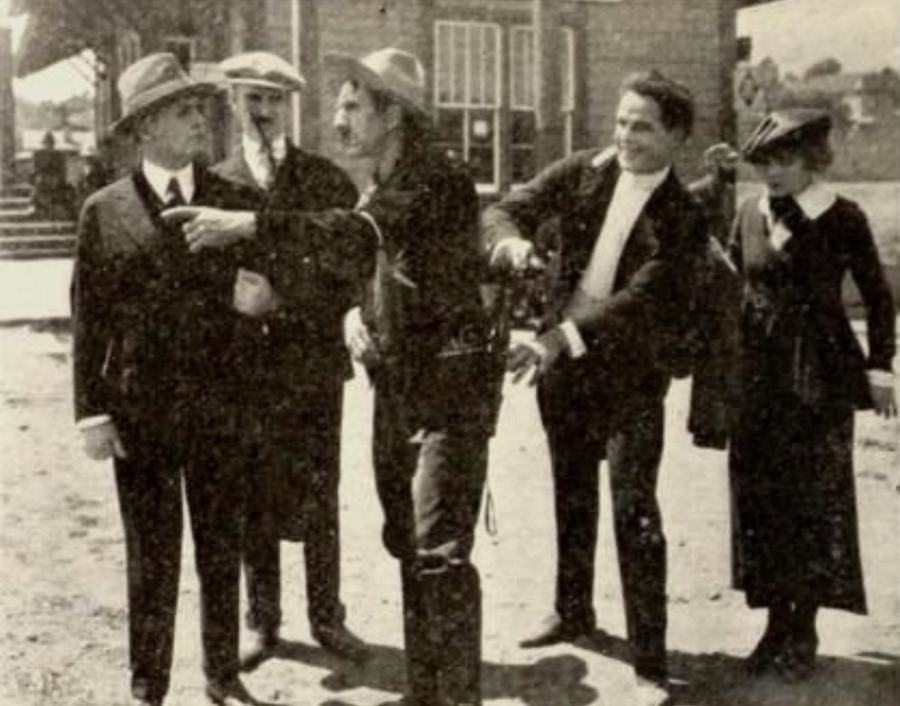
Visually, the film revels in textural counterpoint: Wall Street marble dissolves into adobe clay; silk top hats bob beside sombreros; a champagne flute shatters against a miner's pick. These juxtapositions anticipate Sergei Eisenstein’s later dialectical montage, though McCandless’s intent is mischief, not Marxist revolution. Even the typography of the intertitles—Art-Nouveau curlicues for high-society chitchat, rugged slab-serif for frontier edicts—functions as semiotics of class.
Comparative cinephiles will detect DNA shared with Kidnapped’s duplicity and The Heroine from Derna’s desert fatalism, yet Hobbs in a Hurry retains a buoyancy that prevents the cynicism from curdling into nihilism. It is a caper that chuckles at human folly rather than flagellating it, closer in spirit to Lubitsch than to von Stroheim.
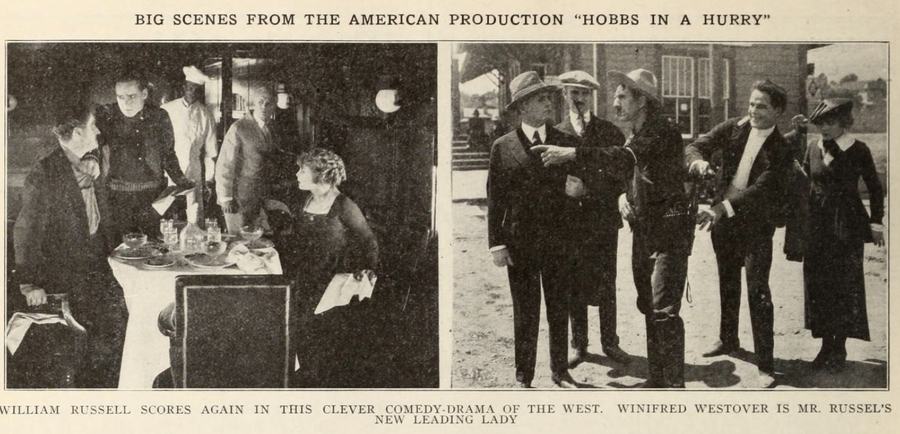
Restoration efforts have salvaged two of the original five reels; the missing footage—chiefly the assay office shenanigans—survives only in continuity sketches. Yet the lacunae prove oddly advantageous, forcing modern spectators to lean forward, to collaborate in narrative suture the way readers once pieced together Dickens in serial. The experience is less passive consumption than archaeological co-authorship.
Scholars of American business culture cite the film as proto-noir, a missing link between The Silent Voice’s moral allegory and the shadowy boardroom thrillers of the early sound era. The mine-as-metaphor trope resurfaces in everything from Treasure of the Sierra Madre to There Will Be Blood, but rarely with such effervescent sleight of hand.
For contemporary viewers fatigued by superhero bombast, Hobbs in a Hurry offers a palate-cleansing vintage: 62 minutes of scampering wit, optical wit, and the delicious revelation that the American dream was always a shell game played with three walnut shells and no pea. Stream it with a rye old-fashioned, preferably while contemplating your own portfolio—then thank the cinematic gods that your tungsten futures are merely metaphorical.
In the final measure, the film endures because it understands that velocity trumps virtue. Hobbs isn’t heroic; he is merely quicker on the draw, a precursor to the screwball anti-heroes who would dance through Depression-era comedies. His hurry is ours: a nation sprinting pell-mell toward the next big strike, indifferent to the dust clouds billowing in our wake. The closing shot—motorcar shrinking into a heat mirage—feels, in 2024, like a prophecy of crypto bubbles and SPAC manias. The more feverish the hustle, the sweeter the silence when the engine finally stalls.
IMDb 4.8
1922
Community
Log in to comment.