Summary
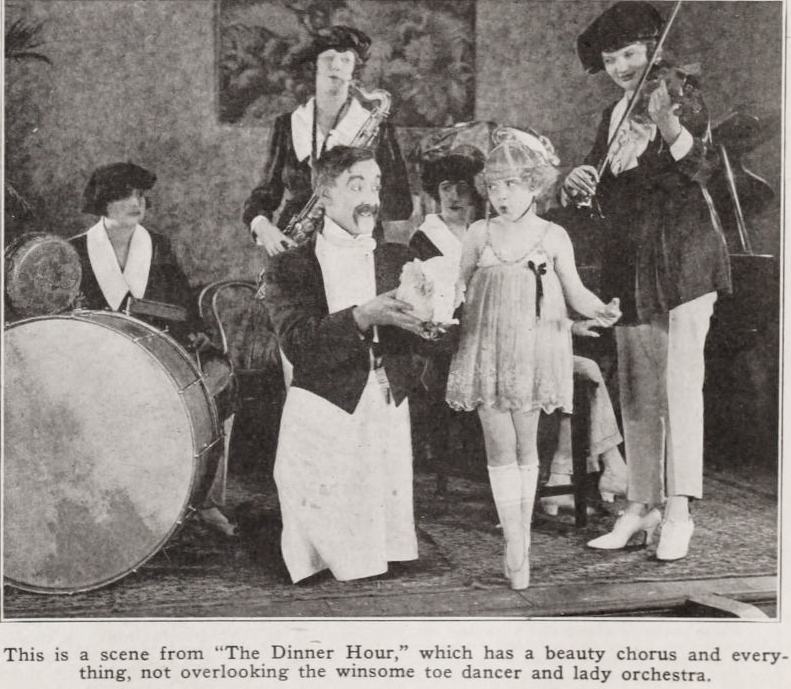
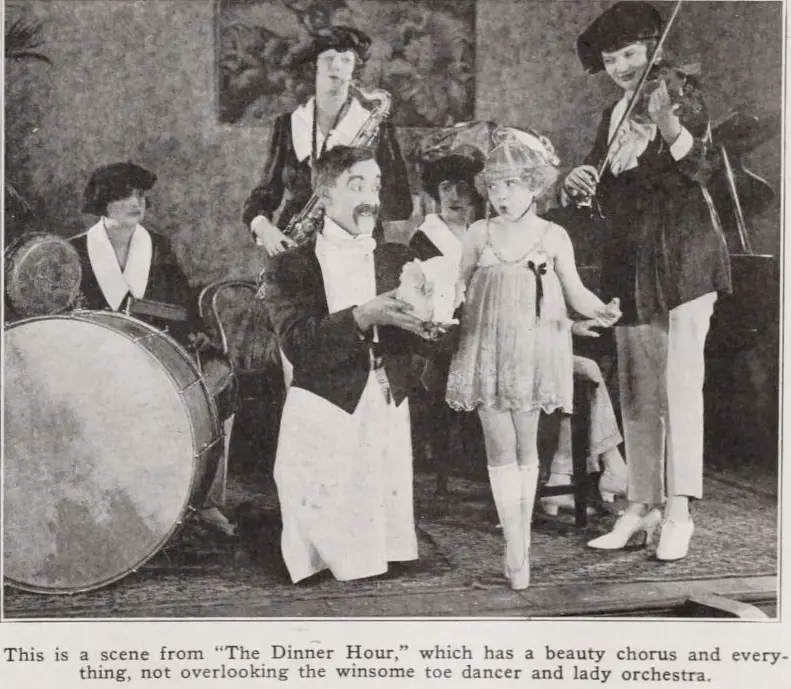
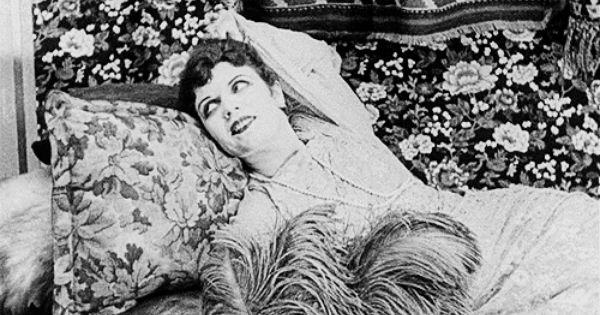
In the cigarette-velvet dusk of a third-tier cabaret, Snub—stooped like a question-mark in a soup-stained waistcoat—glides between mirrored columns that throw back a thousand jittery selves. He is both court jester and ghost, ferrying trays of phosphorescent cocktails to chorus girls whose mascara runs like comet tails, dodging tipsy bankers who paw at sequined mannequins, and eavesdropping on whispered bankruptcies that flutter through the air like torn betting slips. The plot, if one insists on calling it that, is a fugue of collisions: a society bride slips an heirloom ring into a demitasse to test her fiancé; a pick-pocketing urchin swaps it for a brass button; a matron mistakes the button for her dead son’s keepsake and faints into a soufflé; Snub, desperate to restore equilibrium, tap-dances on a white tablecloth, catapulting oysters into cleavages and lobsters into chandeliers, while the bandleader—eyes rolling like roulette balls—accelerates the tempo until the whole room becomes a zoetrope of flailing tuxedos and airborne lingerie. The camera, drunk on its own mobility, pirouettes through kitchens where chefs juggle sauces like molten jewels, then somersaults back to the dining floor where a single dropped napkin detonates a chain reaction of collapsing trays, each crash a cymbal in a jazz requiem. By the time dawn’s grey milk seeps through the stained-glass skylight, the cabaret is a debris field of broken champagne flutes, wilted feather boas, and confessions scrawled on napkins; Snub stands amid the wreckage cradling the original ring, now dented but gleaming, and slips it into the gloved hand of the weary cigarette girl who has loved him since the first reel—no words, only the soft clink of metal against porcelain as the curtain falls on a world that has devoured itself and somehow still hungers for breakfast.
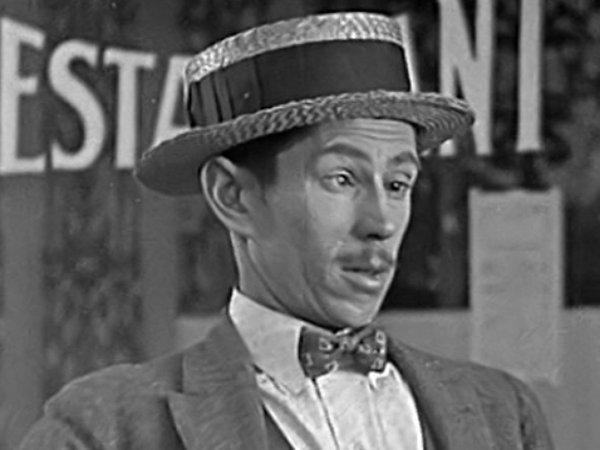
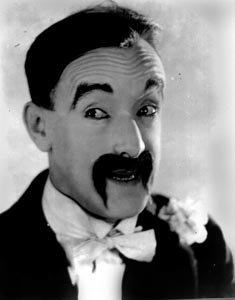
Snub is a waiter in a cabaret.
Review Excerpt
"
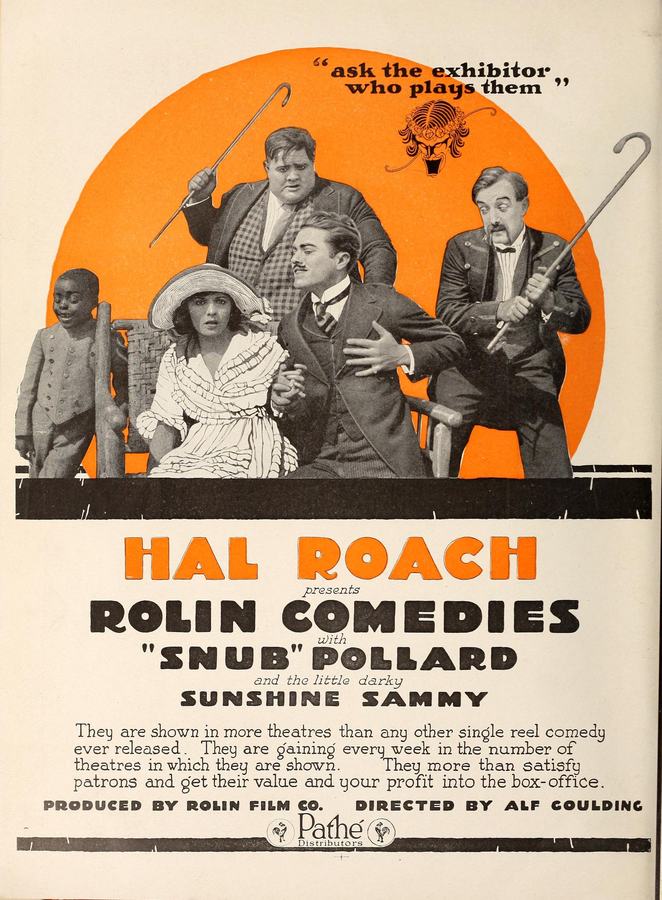
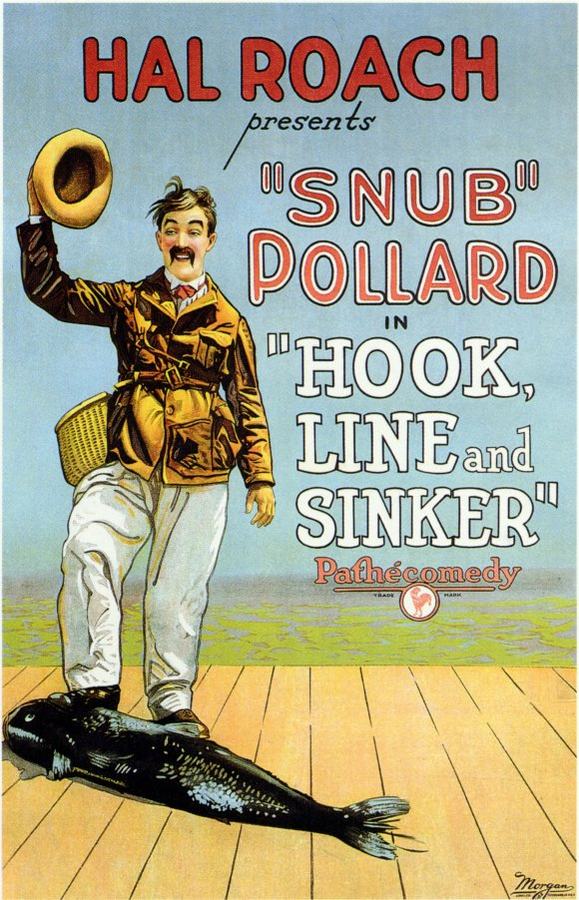
Champagne flutes detonate like crystalline grenades; ostrich feathers drift through cigarette haze as if the birds were still alive and indignant; a solitary oyster slides across the parquet, propelled by the centrifugal lunacy of Snub Pollard’s size-14 shoes—welcome to The Dinner Hour, a twelve-minute Hal Roach bacchanalia that feels less like a narrative than like jazz trapped in celluloid, scat-singing its own demise.
The year is 1920. Prohibition is a looming punch-line, the economy a wob..."