DbcultAccessing Vault...
5.7/10
Senior Film Conservator
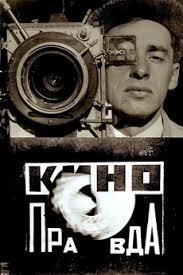
A definitive 5.7/10 rating for a film that redefined the boundaries of cult cinema. Kino-pravda no. 11 remains a cornerstone of transgressive art.
The world of cinema is replete with films that strive to capture the essence of a particular moment in time, but few have succeeded as admirably as Kino-pravda no. 11. This remarkable series of newsreel films, directed by the visionary Dziga Vertov, along with Elizaveta Svilova and Mikhail Kaufman, presents a fascinating glimpse into the lives of the Russian people in the early 1920s. As the viewer embarks on this cinematic journey, they are met with a kaleidoscope of images, each one a testament to the directors' innovative filmmaking techniques and poetic vision.
One of the most striking aspects of Kino-pravda no. 11 is its ability to balance the grand with the intimate. On one hand, the film provides a sweeping overview of the Russian landscape, showcasing the country's vast expanses and bustling cities. On the other, it zooms in on the everyday lives of the people, capturing the quiet moments, the struggles, and the triumphs that define their existence. This dichotomy is a hallmark of Vertov's-direction, as he seamlessly weaves together the disparate threads of Russian life, creating a rich tapestry that is at once both deeply personal and profoundly universal.
In terms of its cinematic style, Kino-pravda no. 11 is a true masterpiece. The film's use of montage, a technique pioneered by Vertov, adds a dynamic energy to the proceedings, as the viewer is presented with a rapid-fire succession of images, each one building upon the last to create a sense of rhythm and flow. This innovative approach to storytelling is reminiscent of other groundbreaking films of the era, such as Marrying Money and The Dollar and the Law, which also pushed the boundaries of cinematic expression.
As the viewer delves deeper into the world of Kino-pravda no. 11, they begin to notice the subtle ways in which the film's themes and motifs intersect with those of other notable works of the period. For example, the film's exploration of the human condition, with all its complexities and contradictions, is echoed in films like The Fortune of Christina McNab and I de unge Aar, which also grapple with the challenges and mysteries of life. Similarly, the film's use of location shooting and its emphasis on capturing the raw, unvarnished truth of everyday existence is reminiscent of films like Wings of the Border and The Golden Wall, which also sought to document the world in all its beauty and complexity.
Despite the many advances that have been made in the world of cinema since the release of Kino-pravda no. 11, the film remains a powerful and thought-provoking work, one that continues to inspire and influence filmmakers to this day. Its influence can be seen in a wide range of films, from the documentary-style realism of Die Lieblingsfrau des Maharadscha - 3. Teil to the poetic lyricism of The Reckoning and The Speeder. Even films as diverse as The Three Pals and The New Mission of Judex owe a debt to the innovative storytelling and cinematic techniques pioneered by Vertov and his collaborators.
In conclusion, Kino-pravda no. 11 is a film that defies easy categorization, a work that is at once both a product of its time and a timeless masterpiece. Its influence can be seen in many areas of cinema, from the documentary film genre to the poetic realist movement, and its innovative storytelling and cinematic techniques continue to inspire filmmakers around the world. As such, it is a must-see for anyone interested in the art of cinema, a powerful reminder of the medium's ability to capture the beauty, complexity, and wonder of the human experience. Other notable films from the same era, such as The Ruling Passion, Die Hexe, Dan, and Made in the Kitchen, also demonstrate the incredible range and diversity of cinematic expression during this period, and are well worth exploring for anyone interested in the history of film.

IMDb —
1933
Community
Log in to comment.