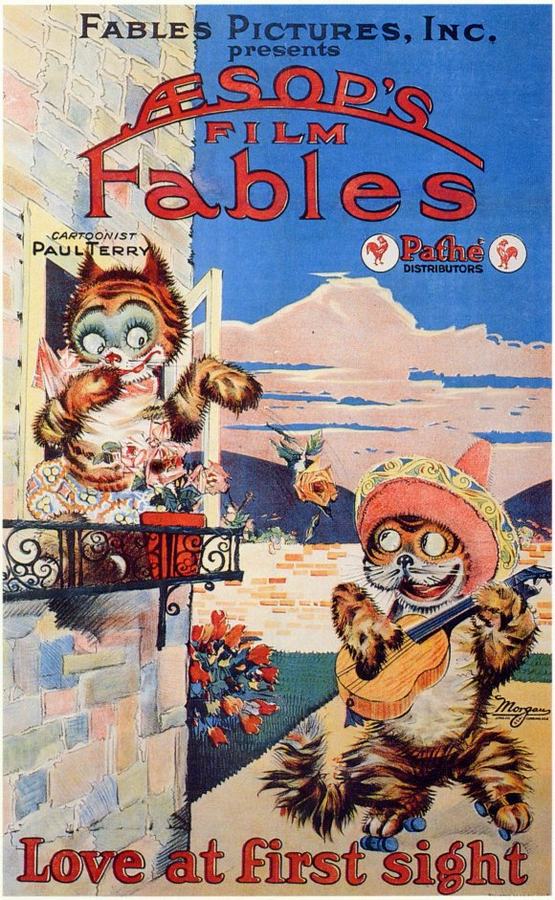
Henry the cat is lonely after seeing other creatures (mice, birds, and frogs) with their sweethearts. He notices a sign advertising "Mlle.
Paul Terry
United States
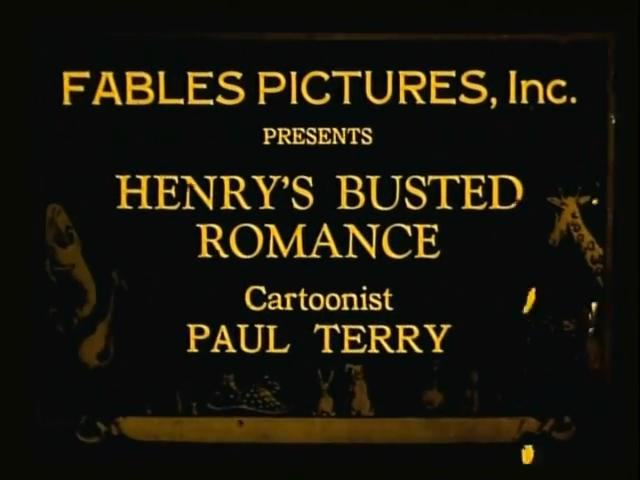
To revisit the early archives of Paul Terry is to step into a flickering portal of unadulterated creativity, where the laws of physics are secondary to the whims of the animator's pen. The Fable of Henry's Busted Romance stands as a testament to this era, a time when the medium of animation was shedding...
still_frame


Comparing the cinematic DNA and archive impact of two defining moments in cult history.
Paul Terry
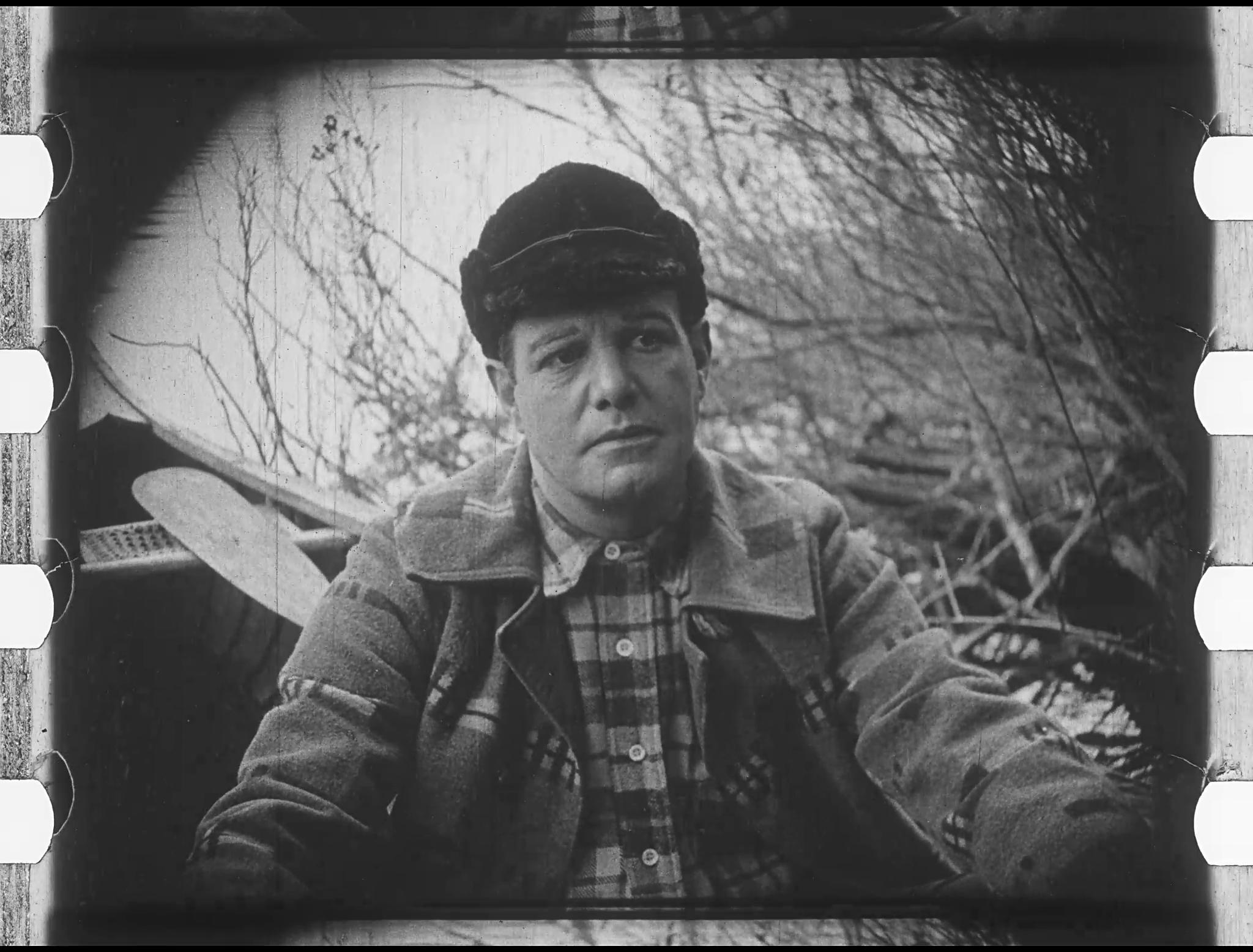
Edgar Jones
Community
Log in to comment.
" To revisit the early archives of Paul Terry is to step into a flickering portal of unadulterated creativity, where the laws of physics are secondary to the whims of the animator's pen. The Fable of Henry's Busted Romance stands as a testament to this era, a time when the medium of animation was shedding its chrysalis of novelty to embrace more complex narrative structures. Unlike the gothic undertones found in The Haunted Castle, Terry’s work here is grounded in a recognizable, a..."


Deep dive into the cult classic
Discover similar cinematic experiences
A Directorial Spotlight on Paul Terry