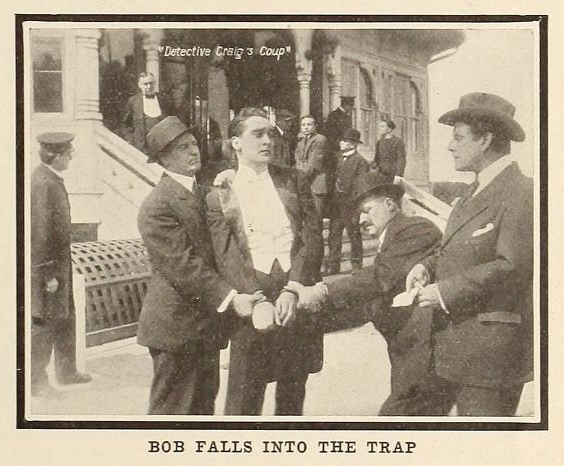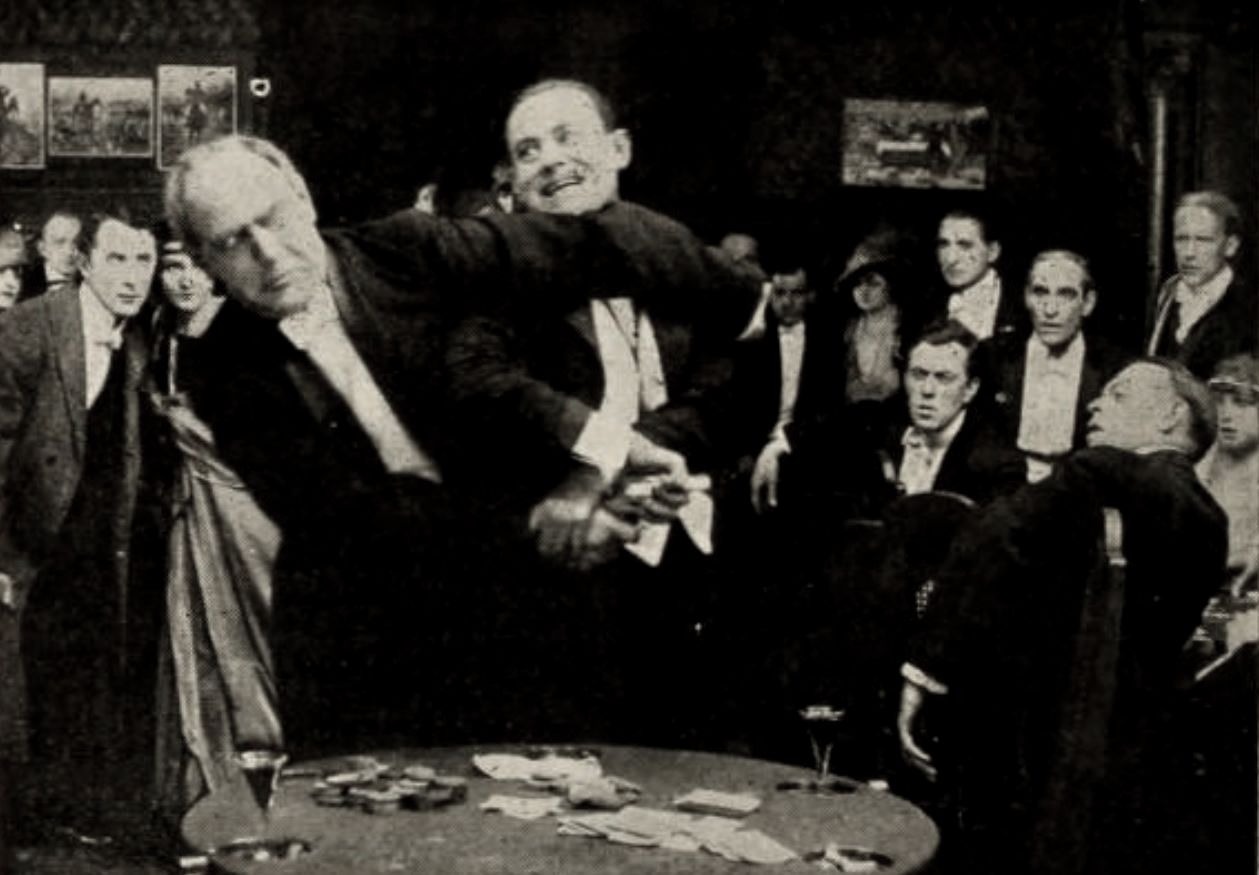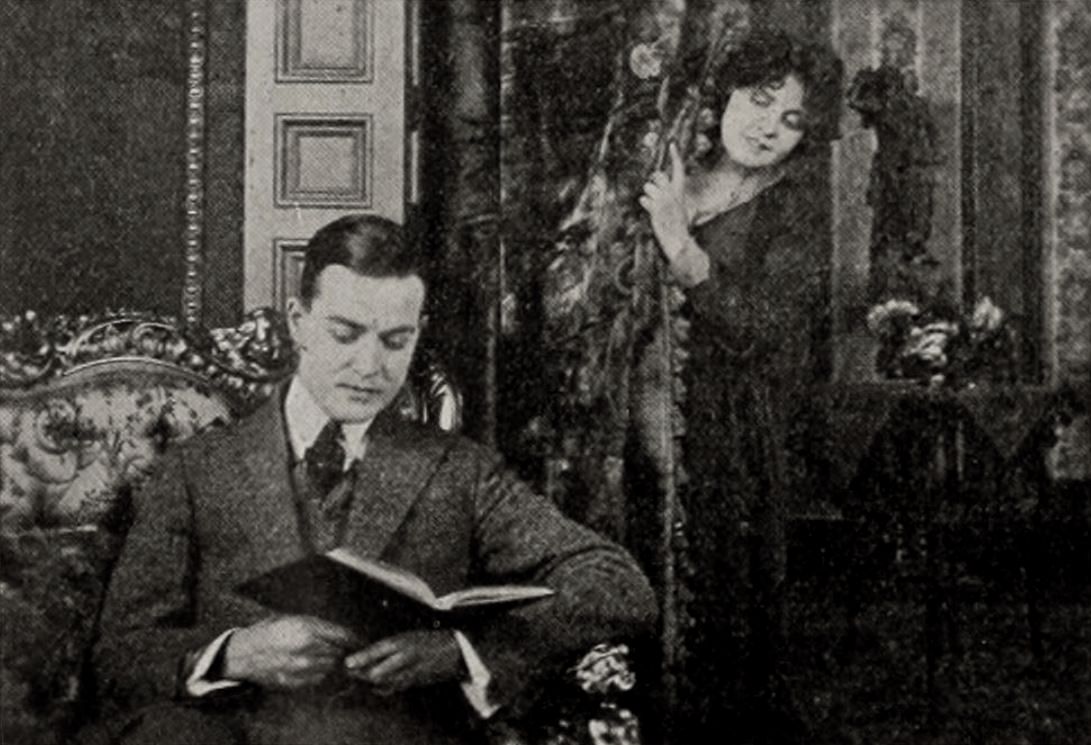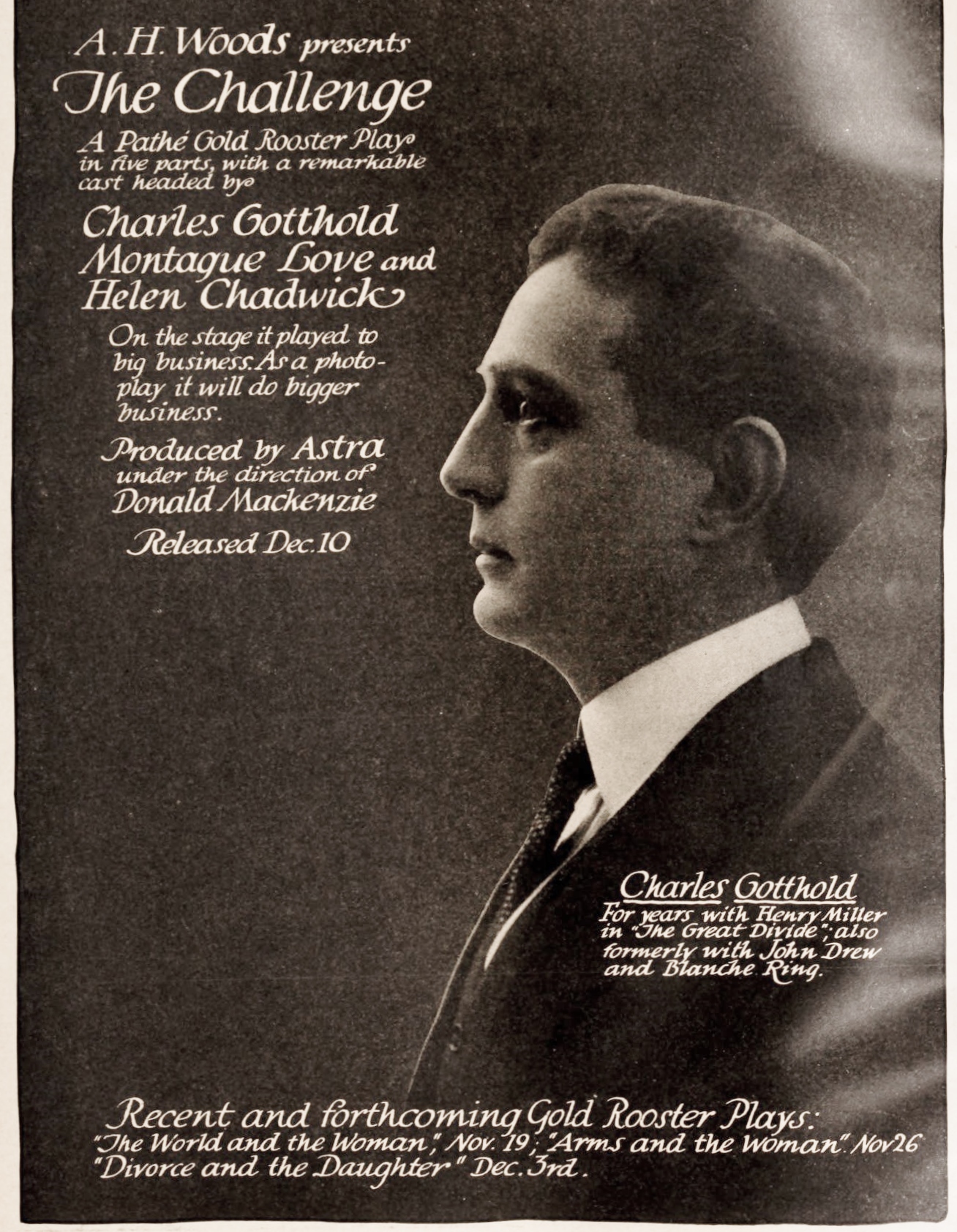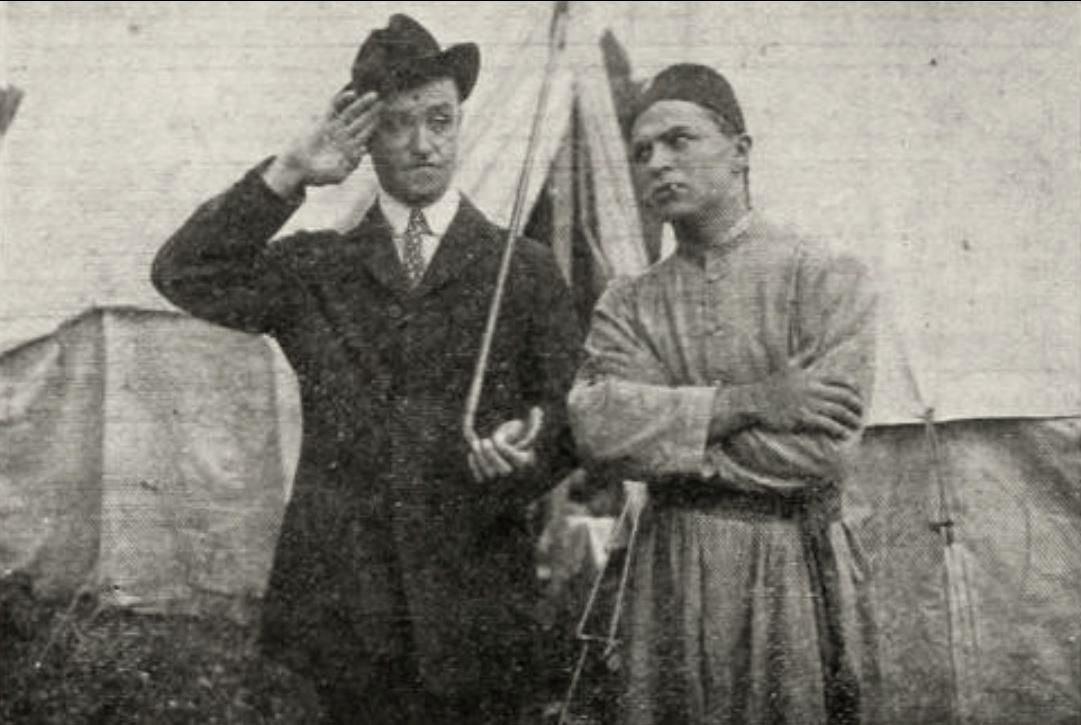
The story deals with a divorced war-correspondent who divides his time between dodging alimony-hunting divorced wives and various creditors. As a means of relief from his financial troubles he makes love to a brewer's widow, proposes, and is accepted.
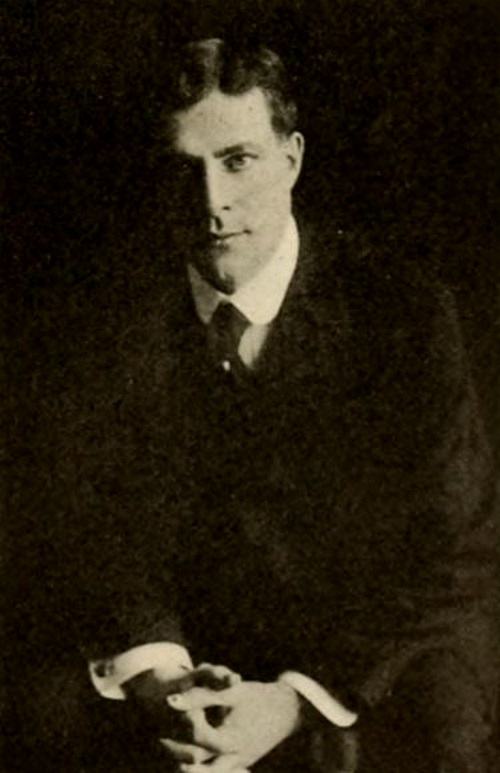
Richard Harding Davis, George B. Seitz
United States
The first time I saw The Galloper I expected a dusty curio, the kind of brittle celluloid that crumbles if you breathe on it. Instead I got a champagne saber of a movie—effervescent, reckless, and sharp enough to lop the head off any notion that 1926 couldn’t sling modern bile about war, money, and the absurdity of ma...
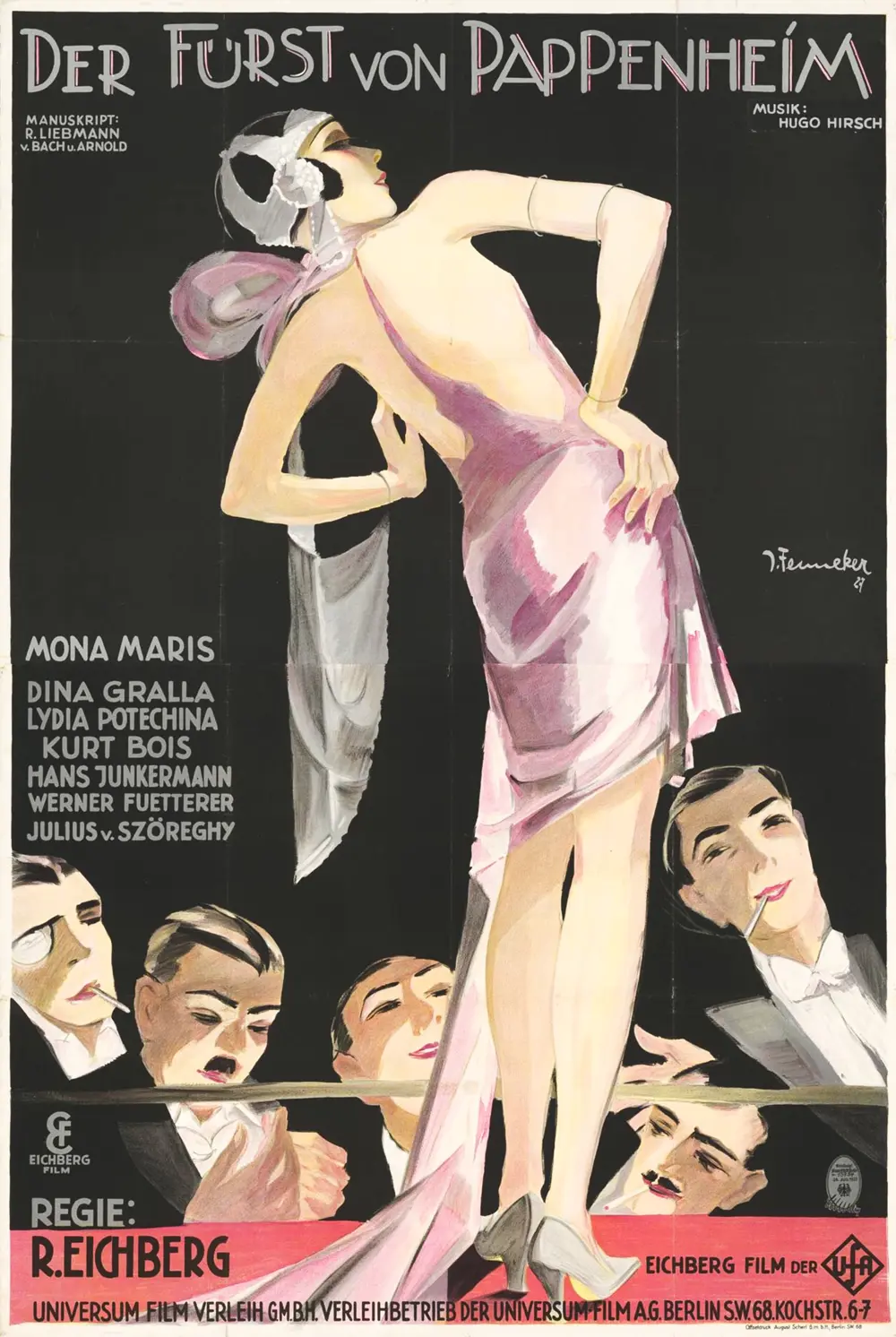
Comparing the cinematic DNA and archive impact of two defining moments in cult history.
Donald MacKenzie
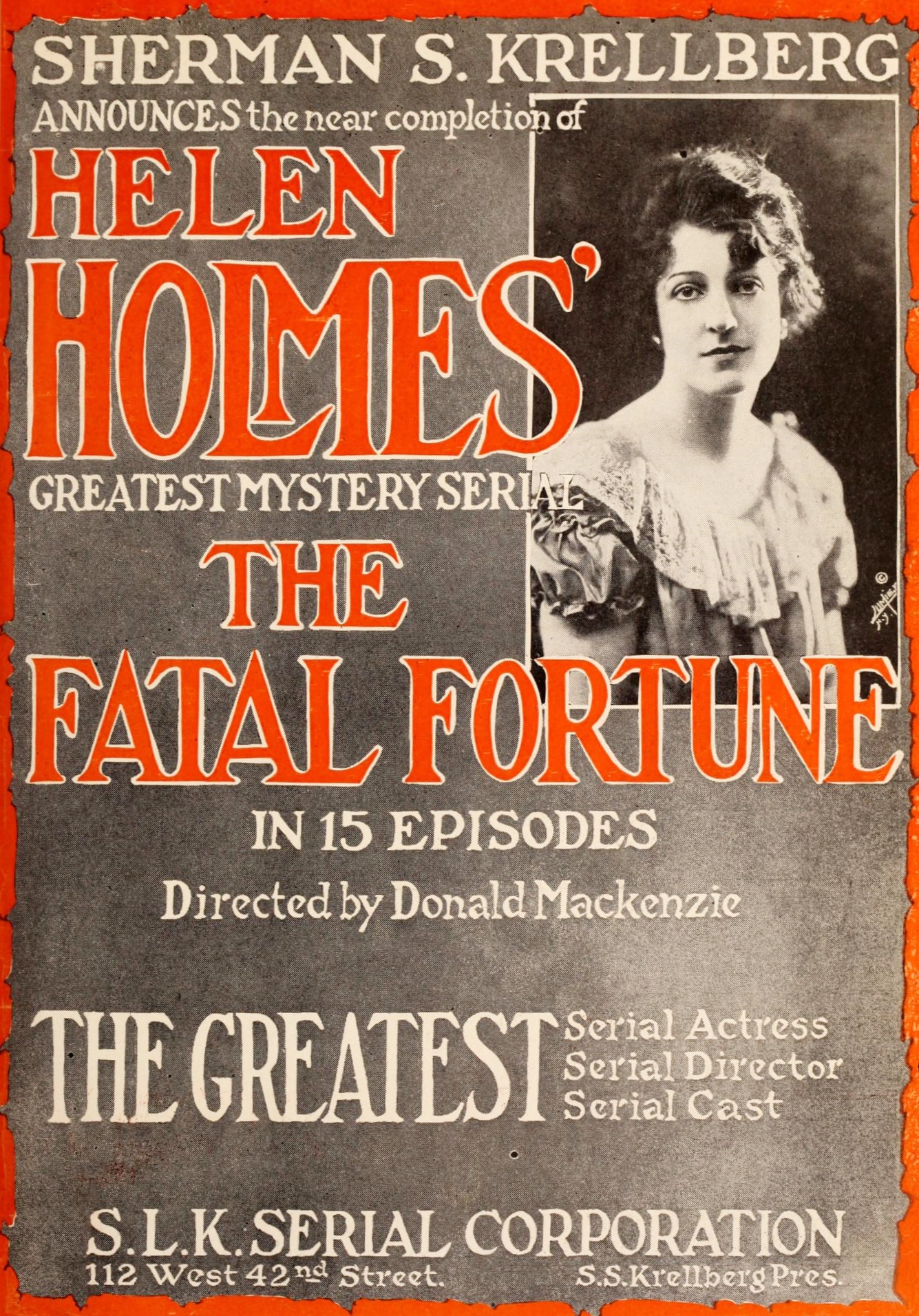
Donald MacKenzie
Community
Log in to comment.
" The first time I saw The Galloper I expected a dusty curio, the kind of brittle celluloid that crumbles if you breathe on it. Instead I got a champagne saber of a movie—effervescent, reckless, and sharp enough to lop the head off any notion that 1926 couldn’t sling modern bile about war, money, and the absurdity of masculine panic. David Burton’s war correspondent—never named beyond “Jimmie” in the intertitles—opens the picture sprinting down a New York pier, a flock of tailored vultures (a.k...."
Deep dive into the cult classic
Discover similar cinematic experiences
A Directorial Spotlight on Donald MacKenzie