DbcultAccessing Vault...
Cult Review
Senior Film Conservator
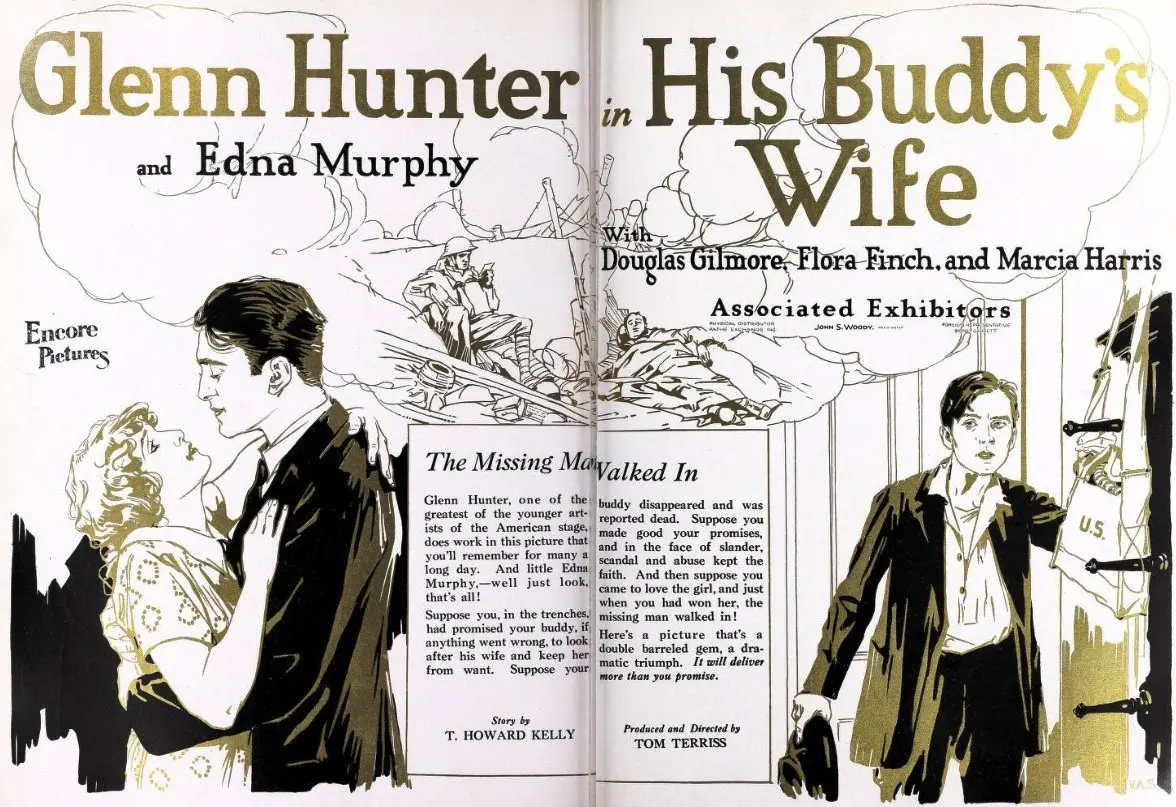
Is His Buddy's Wife a forgotten gem worth digging up from the silent era? The short answer is yes, though its appeal is distinctly niche, offering a fascinating glimpse into early cinematic storytelling and societal norms. This 1918 drama, born amidst the very conflict it portrays, presents a compelling, if somewhat predictable, exploration of honor, love, and the crushing weight of circumstance.
It’s a film for those with a genuine interest in the evolution of cinema, particularly the silent period's capacity for emotional depth without spoken dialogue. It's also for viewers who appreciate moral dilemmas played out against a backdrop of war and societal expectation. However, it is decidedly not for audiences seeking fast-paced action, modern narrative complexity, or those unaccustomed to the unique rhythm and expressive acting styles of silent films. If you find intertitles a chore, this won't change your mind.
This film works because of its unflinching commitment to its central moral quandary, leveraging the raw, often exaggerated, emotionality of silent acting to convey profound sadness and duty.
This film fails because its narrative, while potent, occasionally succumbs to melodramatic excess that can feel dated to modern sensibilities, and its resolution, while thematically consistent, lacks a truly surprising twist.
You should watch it if you are a cinephile keen on understanding the narrative strengths of the silent era, particularly its ability to weave tales of sacrifice and honor with stark emotional clarity.
The narrative of His Buddy's Wife is deceptively simple, yet it taps into universal themes of loyalty, love, and sacrifice. It opens with Jim McMorrow and Bill Mullaney, two soldiers bound by the camaraderie of the trenches. Bill's plea to Jim—to care for his family should he fall—is a promise forged in the grim reality of war. This foundational oath sets the stage for a tragedy of the heart, a testament to the enduring power of duty over personal desire.
When Bill is reported missing, Jim’s journey to the Mullaney farm isn't just a geographical shift; it's a moral pilgrimage. He arrives not as a suitor, but as an executor of a sacred trust. The death of Mother Mullaney shortly after his arrival leaves Mary and Jim in an isolated domestic sphere, vulnerable to the relentless gaze and judgment of a small, gossiping community. This societal pressure, rather than burgeoning romance, becomes the primary catalyst for Mary's decision to marry Jim.
This is where the film finds its most compelling, and arguably most tragic, dimension. The impending marriage isn't born of passionate love, but of necessity, of reputation, and of a quiet, resigned acceptance of what society dictates. It’s a marriage of convenience cloaked in the solemnity of duty. The tension isn't whether Jim and Mary will fall in love, but whether their forced union can ever truly be legitimate in the face of the original, deeper bond.
The dramatic fulcrum arrives with Bill’s unexpected return. His miraculous reappearance, a survivor of German captivity, shatters the constructed reality Jim and Mary have built. This twist, while standard melodramatic fare for the era, is handled with a stark emotional honesty. Jim's immediate recognition of Mary's lingering love for Bill, communicated through a single, yearning glance, is a brutally effective piece of visual storytelling. His subsequent, silent departure is an act of profound self-abnegation, cementing his character as the ultimate tragic hero.
I find the film's portrayal of community judgment particularly insightful. It's a silent, ever-present force, subtly pushing the characters into situations they might not otherwise choose. This makes Mary's decision less about personal agency and more about survival in a restrictive social environment. It highlights how societal pressures can be as devastating as the direct impact of war.
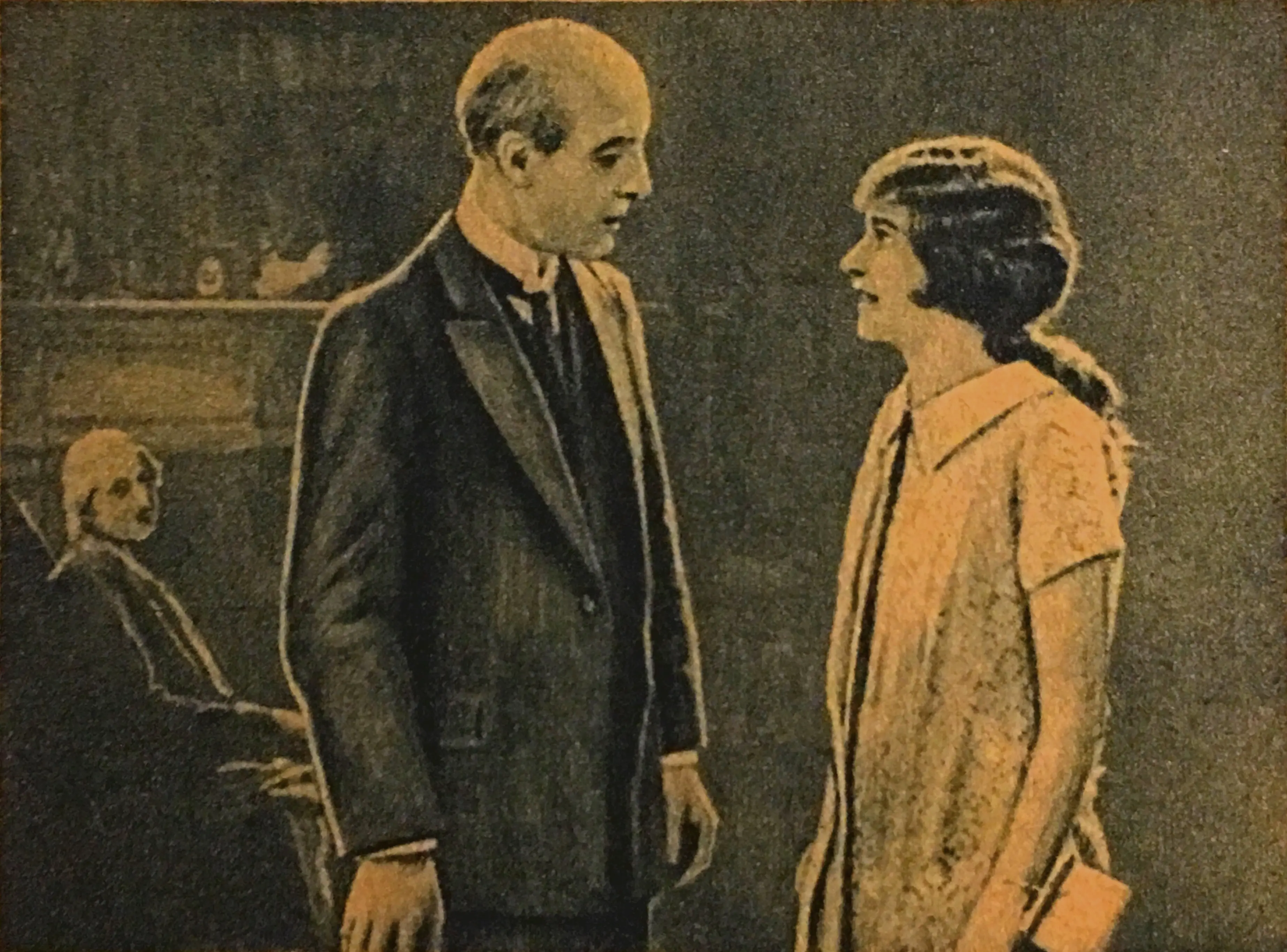
The success of any silent film hinges on the actors' ability to convey complex emotions through gesture, expression, and physicality. His Buddy's Wife largely succeeds in this regard, thanks to a committed cast.
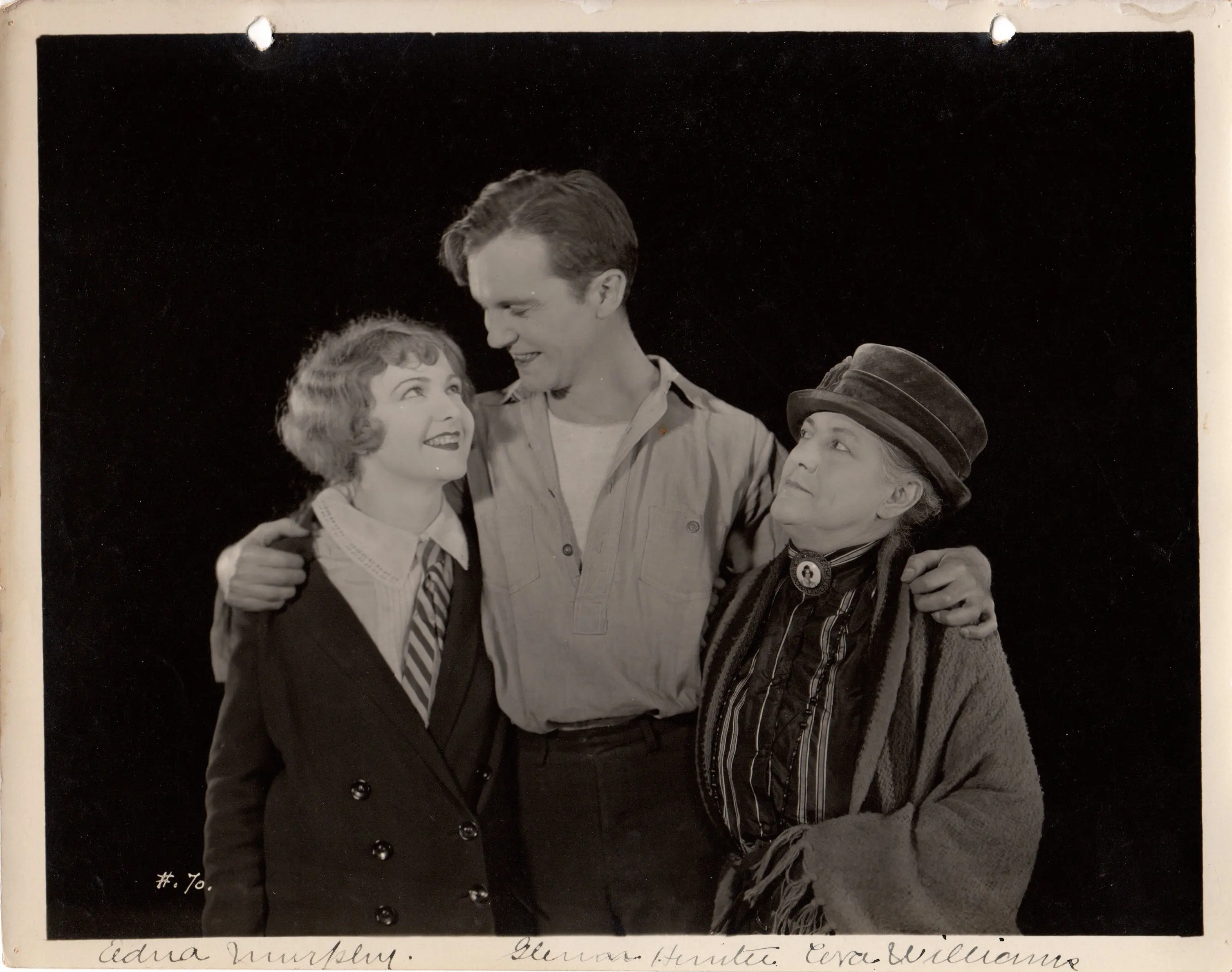
Edna Murphy, as Mary, carries the emotional weight of a woman caught between grief, duty, and a rekindled past. Her portrayal is often nuanced, transitioning from quiet bereavement to a more determined, if resigned, acceptance of her fate. There's a particular scene where she looks at Jim, a mix of gratitude and something akin to affection, yet the underlying current of her bond with Bill is palpable. It's a testament to her skill that she can communicate this internal conflict so effectively without words.
Glenn Hunter, as Jim McMorrow, embodies the stoic, self-sacrificing hero. His performance is less about grand gestures and more about subtle shifts in his posture and the lingering sadness in his eyes. When he realizes Mary still loves Bill, his face doesn't contort into rage or despair, but rather settles into a quiet, profound acceptance of his fate. This understated yet powerful reaction is crucial, elevating his character beyond mere melodrama to a figure of genuine pathos. It reminds me of the quiet dignity found in performances from films like The Sorrows of Love, where internal struggle is paramount.
Flora Finch, as Mother Mullaney, provides a brief but memorable turn. Her initial grief and then peaceful passing establish the initial tone of loss and the subsequent isolation of Mary and Jim. Though her screen time is limited, her presence anchors the early scenes, grounding the farm in a sense of history and familial ties that are then tragically severed.
The supporting cast, including Blanche Davenport and Cora Williams, effectively play the gossiping neighbors, their disapproving glances and whispers becoming a tangible force in the narrative. They represent the external pressures that drive much of the plot, a silent chorus of judgment that is as effective as any spoken dialogue would be.
Directed by Tom Terriss, His Buddy's Wife showcases the burgeoning visual language of early cinema. Terriss, who also co-wrote the screenplay with T. Howard Kelly, understood the power of visual storytelling in an era devoid of synchronized sound. The film relies heavily on strong compositions and character blocking to convey meaning.
Cinematography, while not groundbreaking, is functional and effective for its time. Shots often frame characters within their environment, emphasizing their isolation on the farm or their vulnerability to external scrutiny. The use of close-ups, though not as prevalent as in later silent films, is employed judiciously to highlight moments of intense emotion, such as Jim’s realization or Mary’s conflicted expressions.
Lighting is used primarily for mood, with the stark realities of the battlefield contrasting sharply with the more intimate, if somber, lighting of the Mullaney farm interiors. There's a particular effectiveness in how the film portrays the quiet domesticity that settles over Jim and Mary, a visual representation of their new, fragile reality.
Intertitles are, of course, integral, but Terriss often lets the actors’ expressions and the mise-en-scène do the heavy lifting. The film trusts its audience to interpret subtle cues, a hallmark of well-crafted silent cinema. This is a film that tells its story primarily through what is shown, rather than what is explicitly stated in text, a sign of directorial confidence.
The pacing of His Buddy's Wife is deliberate, characteristic of many dramas from the period. It takes its time establishing the initial bond between Jim and Bill, the gravity of Bill's disappearance, and the slow, inexorable shift in Jim and Mary's relationship. This measured pace allows the emotional weight of each development to sink in, preventing the story from feeling rushed or superficial.
The tone is undeniably melodramatic, as one would expect from a WWI-era drama dealing with themes of sacrifice and lost love. However, it largely avoids descending into mawkishness. The melodrama serves a purpose, amplifying the emotional stakes and making Jim's ultimate sacrifice feel truly profound. The film doesn't shy away from the heartache inherent in its premise. It leans into it.
There's a consistent somberness throughout, punctuated by moments of quiet hope that are ultimately dashed. The film maintains a serious demeanor, reflecting the gravity of war and its ripple effects on those left behind. Even the 'happy' prospect of Jim and Mary's wedding is tinged with a sense of inevitability rather than joyous anticipation, which is a subtle but effective choice.
My one unconventional observation here is how the film, despite its overt melodrama, manages to feel incredibly modern in its portrayal of emotional repression. Jim's quiet exit, without a word, is a powerful act of unspoken communication that transcends its era. It's a brutally simple, yet profound, moment.
Yes, His Buddy's Wife is absolutely worth watching today for specific audiences. It offers a valuable window into early cinematic techniques and storytelling.
It's particularly compelling for film historians and silent film enthusiasts. The emotional performances are strong and clear, making the narrative accessible even without sound.
The film provides a poignant look at the social pressures faced by women during wartime. It also explores the complex nature of duty and sacrifice in a compelling way.
However, casual viewers might find the pacing slow. The acting style, while effective, can feel exaggerated to modern eyes. It requires an appreciation for the medium's unique conventions.
Ultimately, it's a significant piece of cinematic history that still resonates emotionally. The core themes are timeless.
What truly defines honor? Is it the promise made in the heat of battle, or the quiet, agonizing decision to step aside for the greater good of others? His Buddy's Wife doesn't just ask this question; it forces Jim to live the answer. His retreat, rather than a defeat, is presented as the ultimate act of fidelity, not just to Bill, but to the spirit of his initial promise. He sacrifices his own potential happiness to ensure the happiness of his friend and the woman they both love. This is a hard truth, and the film doesn't shy away from its bitterness.
It challenges the conventional happy ending, offering instead a resolution steeped in noble sorrow. Jim's exit is not heroic in the bombastic sense, but in its quiet, heartbreaking dignity. This is a stance I find refreshing, even in a silent film. It prioritizes emotional truth over convenient narrative closure, leaving a lingering sense of the cost of true selflessness. It works. But it’s flawed. The film avoids easy answers, presenting a moral universe where the 'right' choice often comes with profound personal pain.
His Buddy's Wife is a poignant and historically significant silent film that, despite its melodramatic flourishes and predictable plot beats, offers a powerful exploration of duty, sacrifice, and the complexities of the human heart. It is not a film for everyone, but for those willing to engage with the unique artistry of early cinema, it delivers a rich, emotionally resonant experience. Its quiet strength lies in its ability to communicate profound human dilemmas without a single spoken word, making Jim McMorrow’s ultimate act of self-denial a truly memorable, if heartbreaking, cinematic moment. It’s a compelling watch for cinephiles and a valuable piece of film history that continues to pose timeless questions about love and loyalty.
IMDb —
1926
Community
Log in to comment.