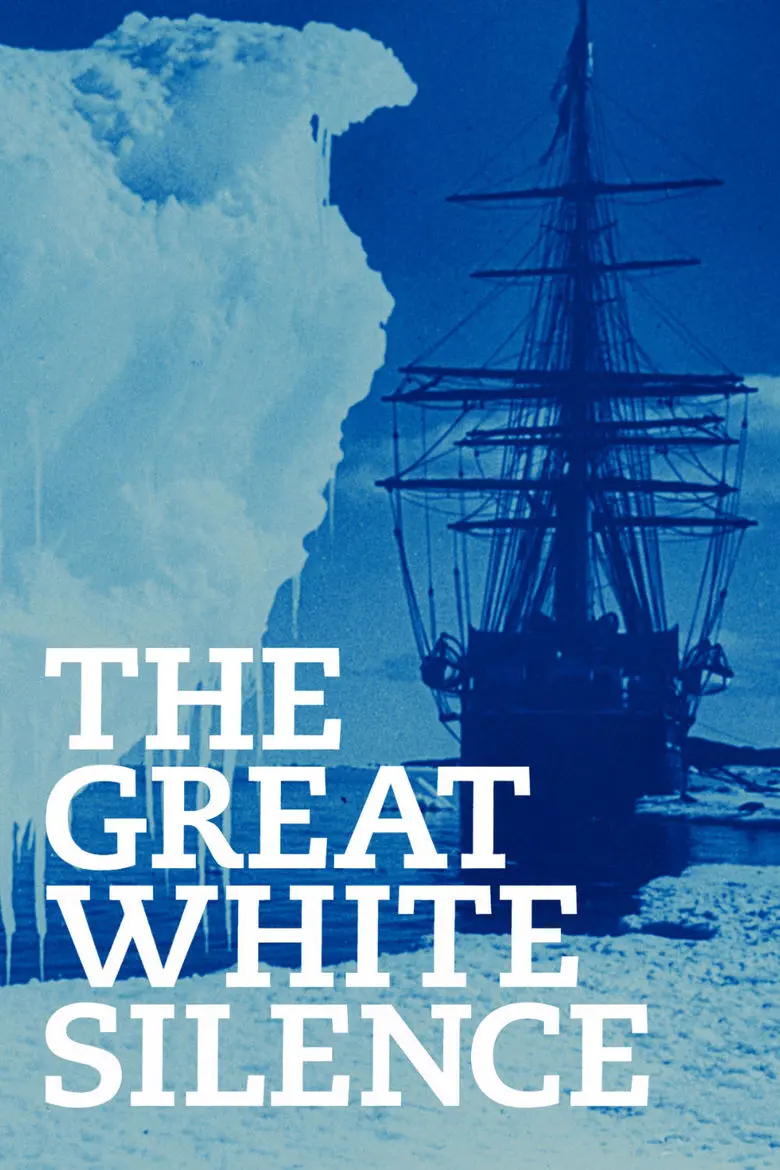
In 1910 the British Antarctic Expedition, led by Capt. Robert F.
United Kingdom
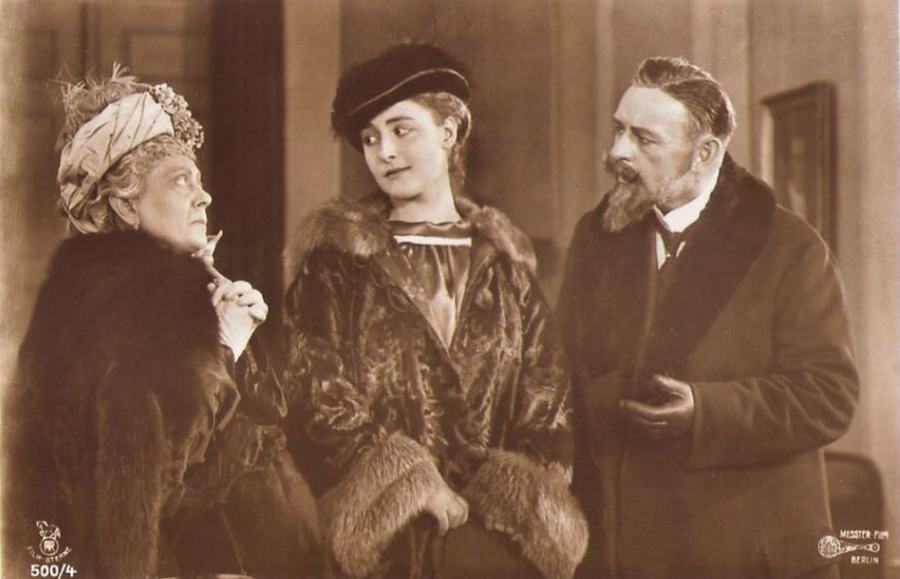
The Ethereal Architecture of the Void To witness The Great White Silence is to step into a temporal rift. While many silent-era films like Love's Redemption or Komtesse Doddy rely on the artifice of the proscenium and the melodrama of the drawing room, Herbert G. Ponting’s work is an exercise in raw...

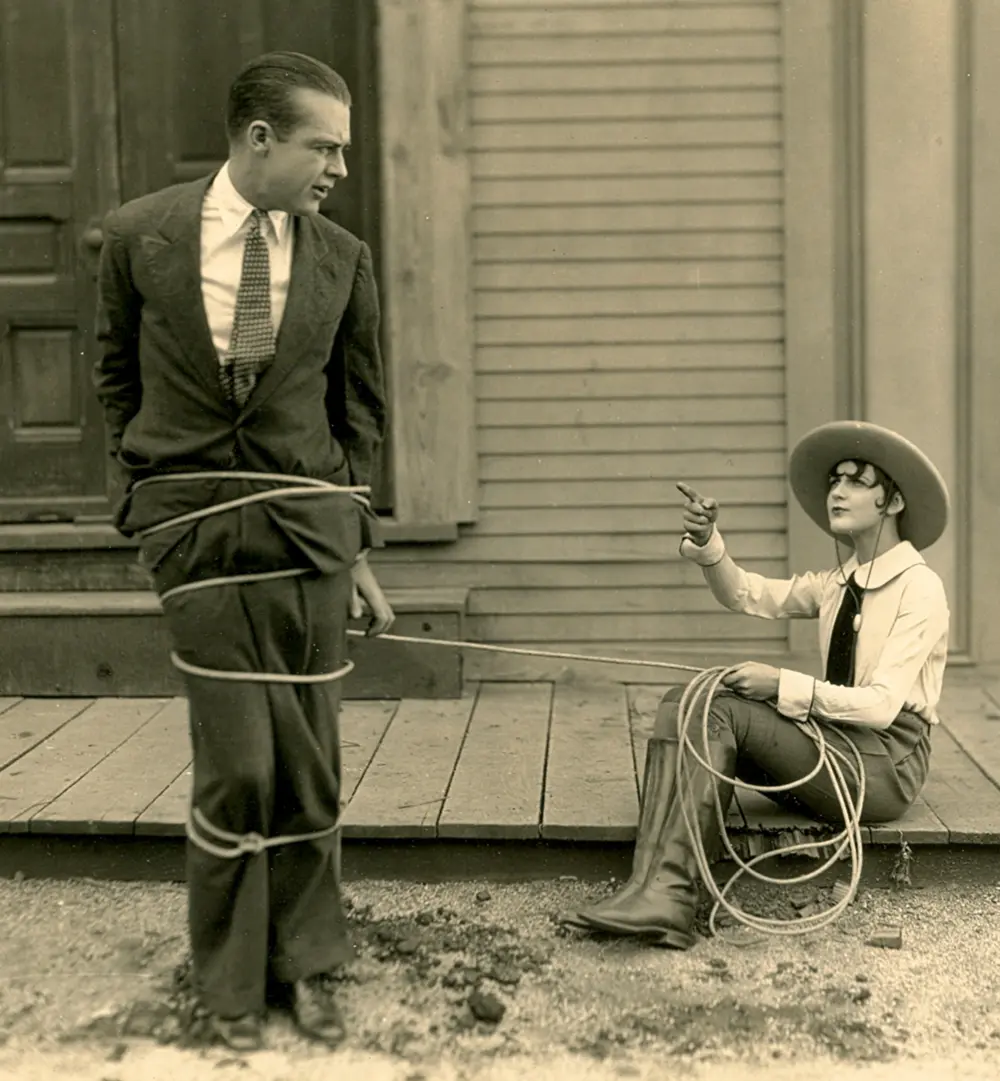
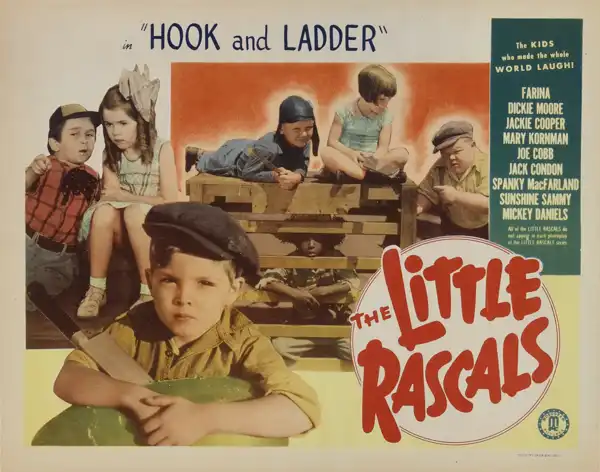
Comparing the cinematic DNA and archive impact of two defining moments in cult history.
Herbert G. Ponting
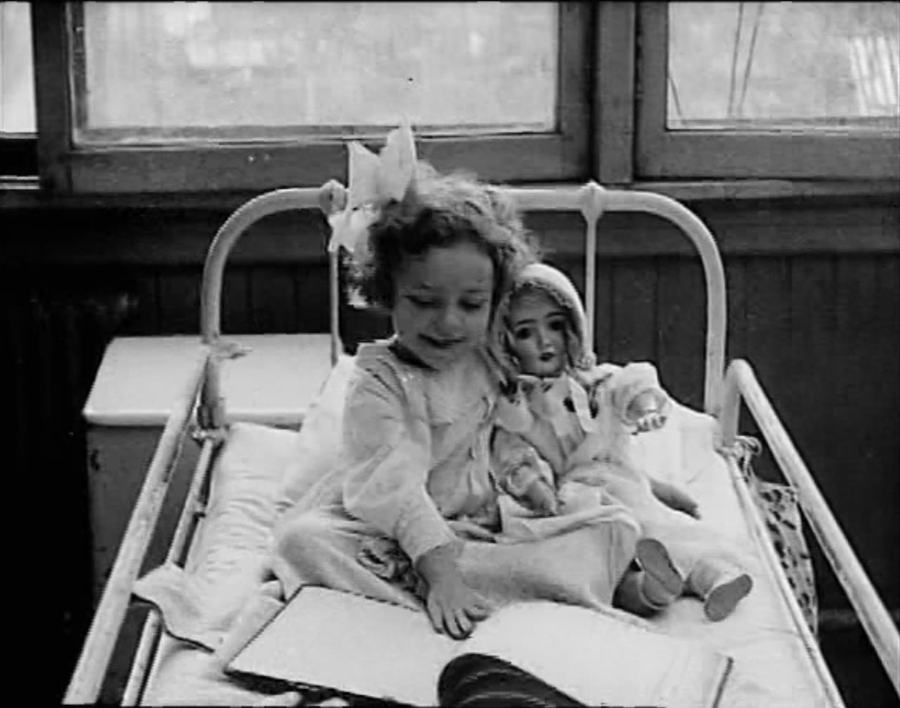
Unknown Director
Community
Log in to comment.
" The Ethereal Architecture of the Void To witness The Great White Silence is to step into a temporal rift. While many silent-era films like Love's Redemption or Komtesse Doddy rely on the artifice of the proscenium and the melodrama of the drawing room, Herbert G. Ponting’s work is an exercise in raw, existential confrontation. This is a film that breathes through the lens, capturing the very atmosphere of a world that, in 1910, was as alien to the public as the lunar surface...."
Documentary
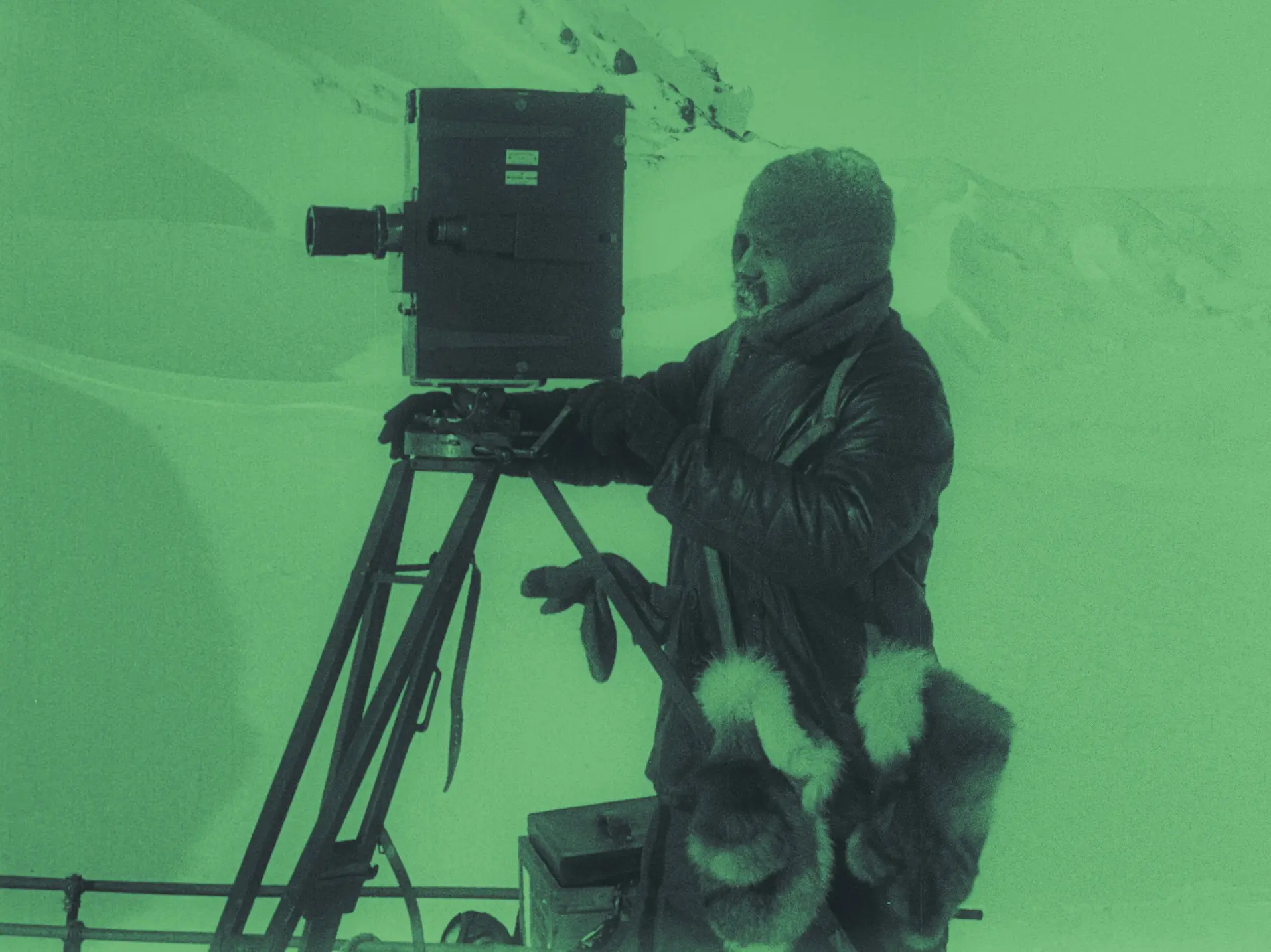
still_frame
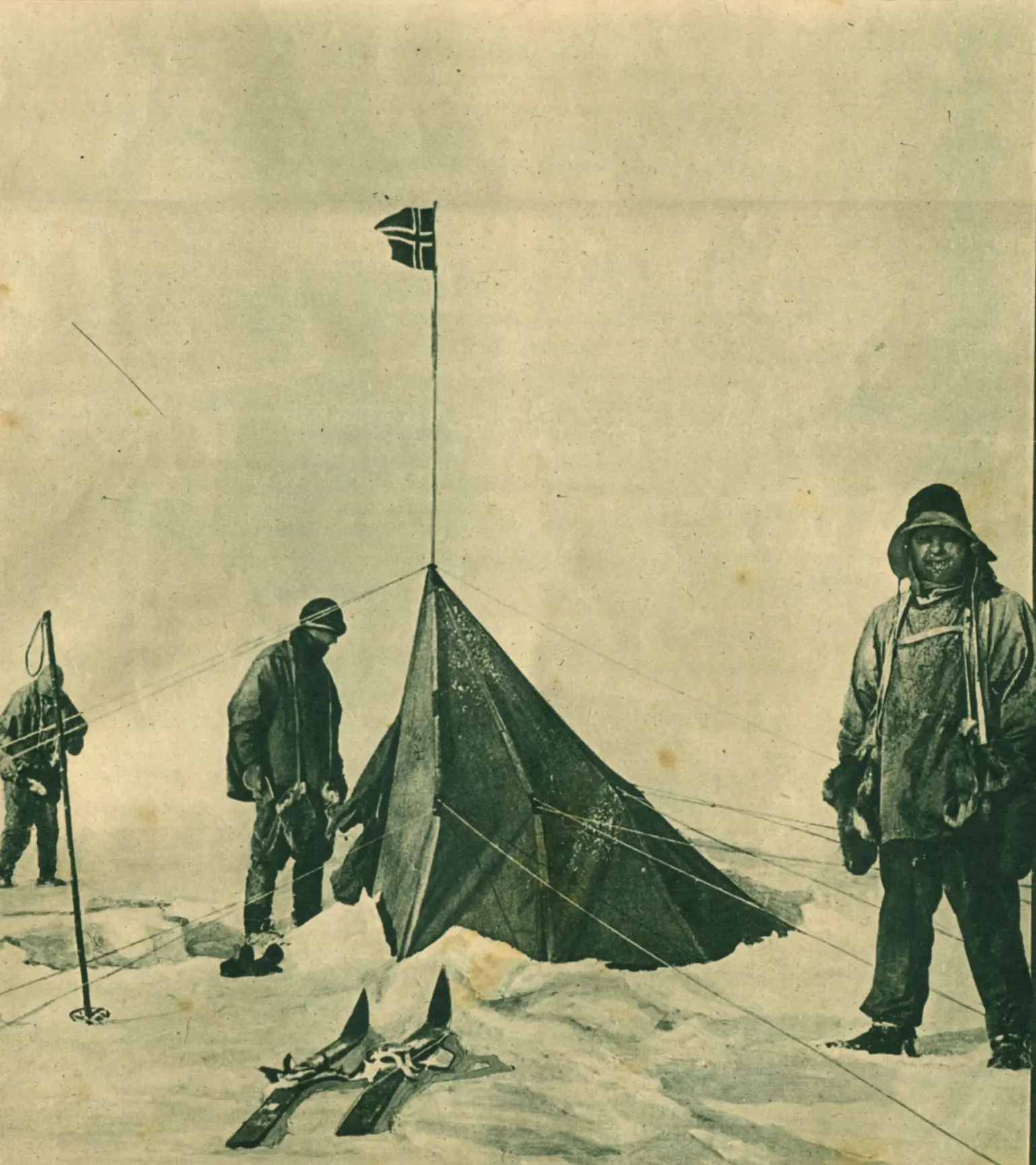
still_frame
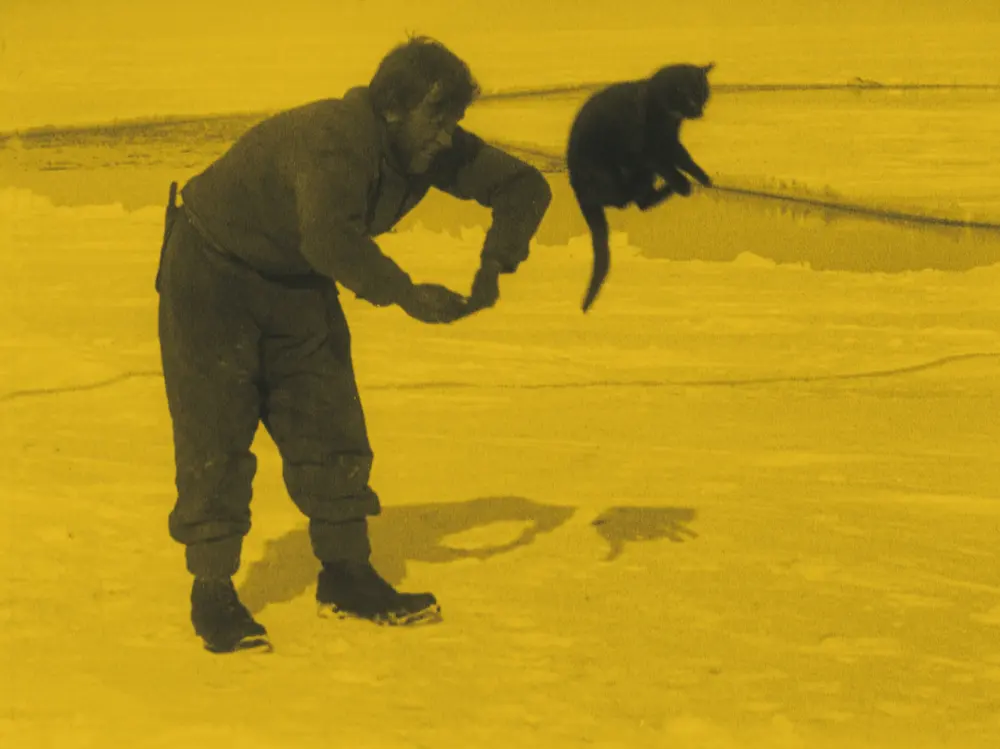
still_frame
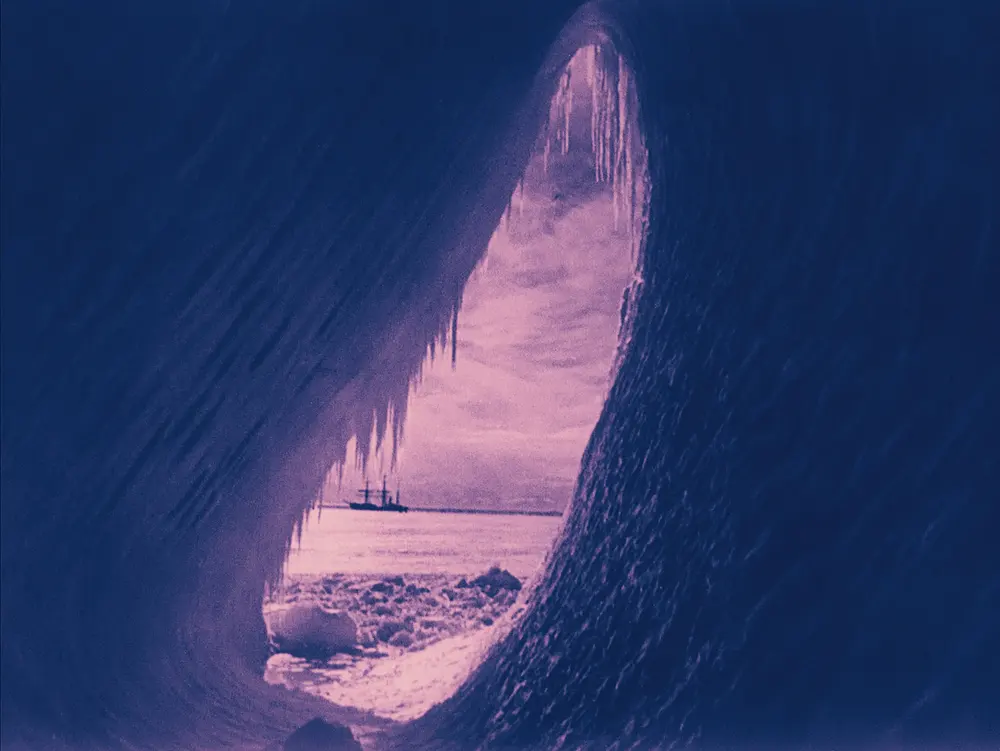
still_frame
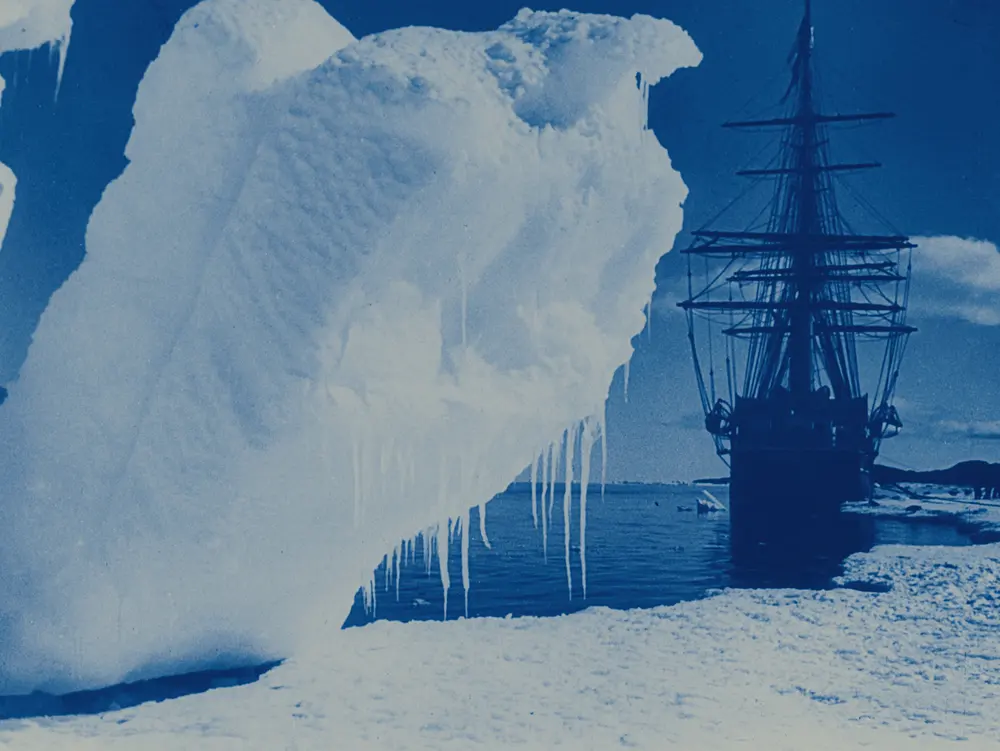
still_frame
Deep dive into the cult classic
Discover similar cinematic experiences
A Directorial Spotlight on Herbert G. Ponting