A small town hick falls in love with a beautiful farmers daughter but her father opposes their marriage..
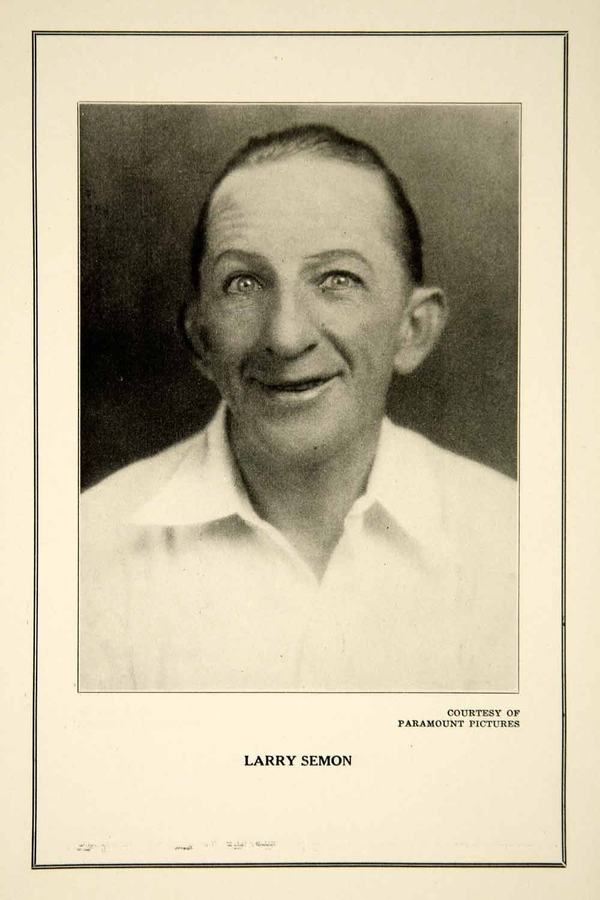
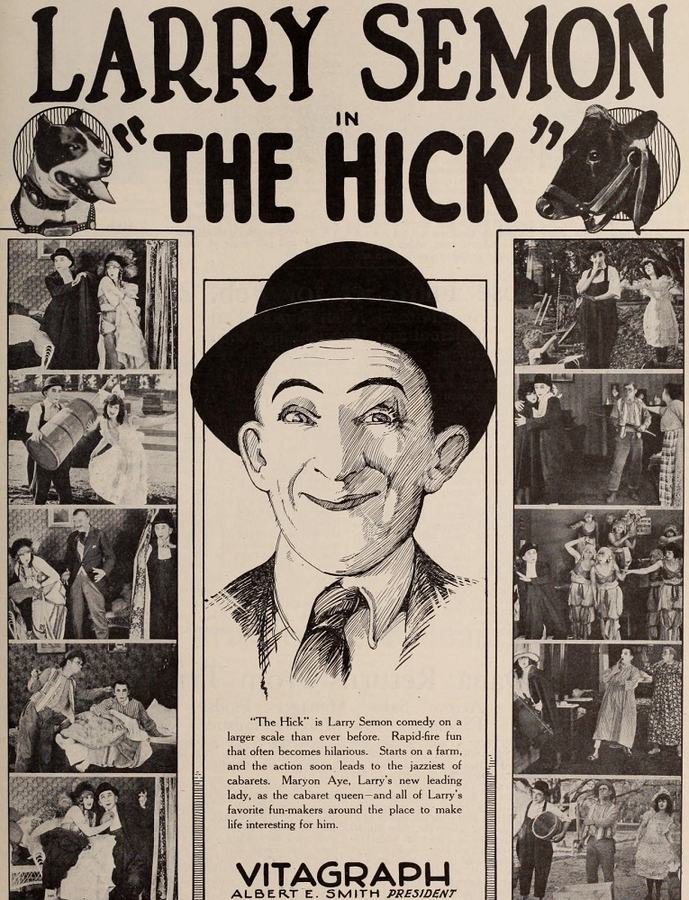
A barn door slammed shut by a gale of gossip; that is the sound which opens The Hick, and the reverberation never quite dies. Larry Semon’s 1922 one-reeler—stretched to a nervous 58 minutes—pretends to be a bucolic romp, yet every frame sweats with dread. Compare it to The White Circle and you’ll notice the same pred...
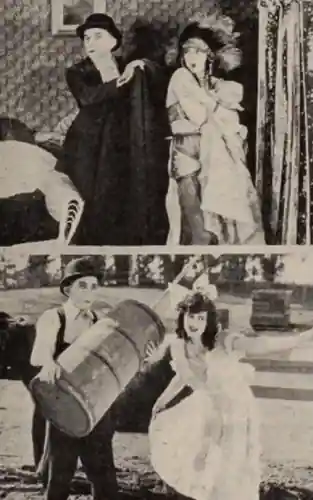
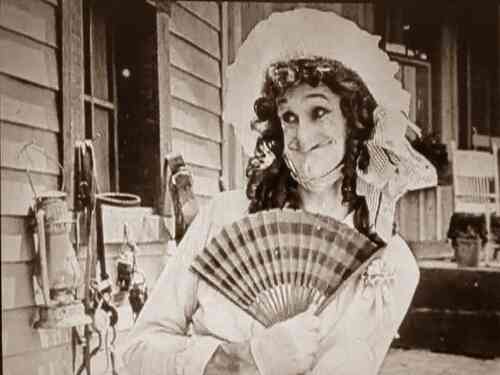
still_frame
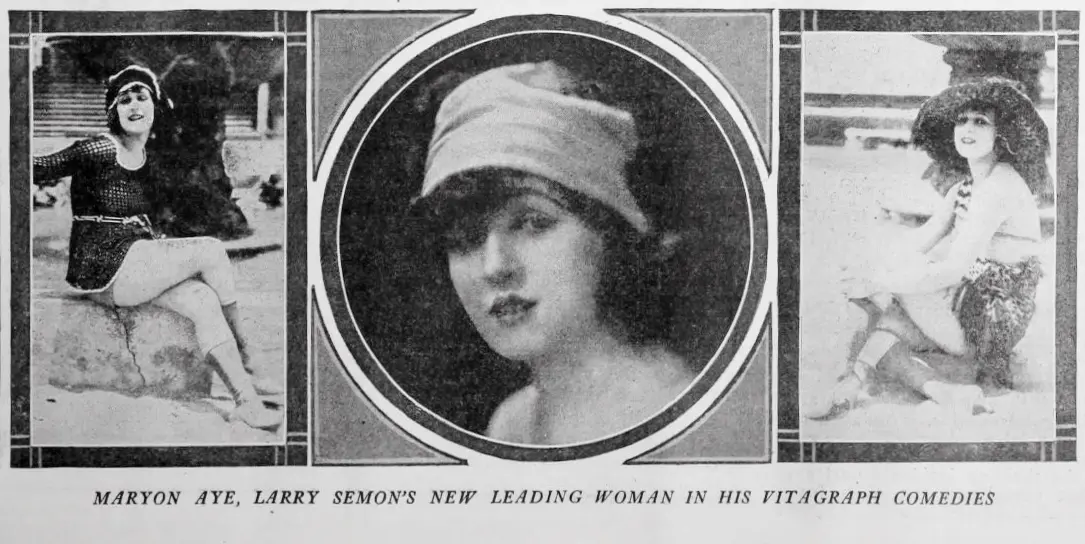
publicity
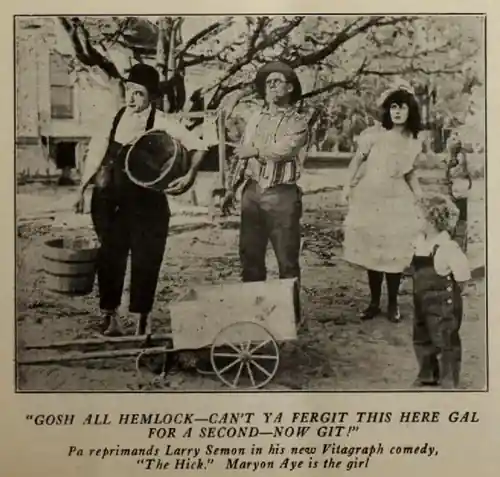
still_frame
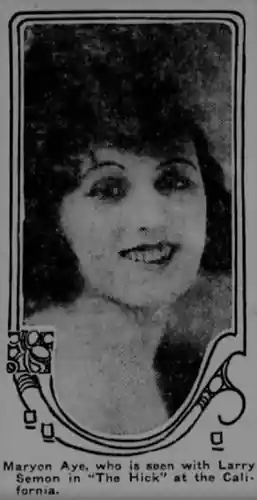
still_frame
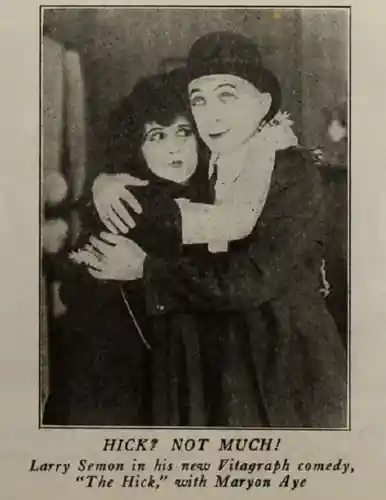
still_frame
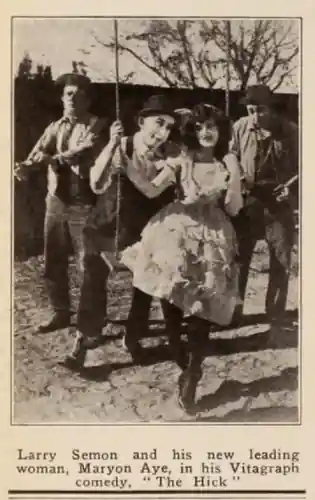
still_frame
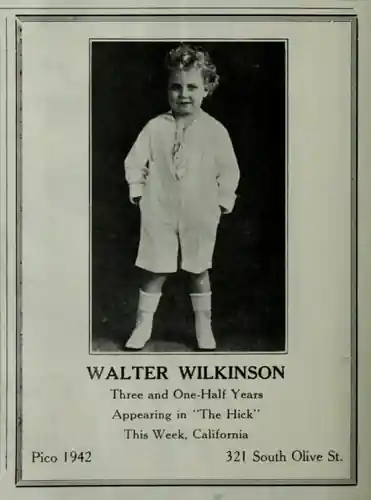
publicity
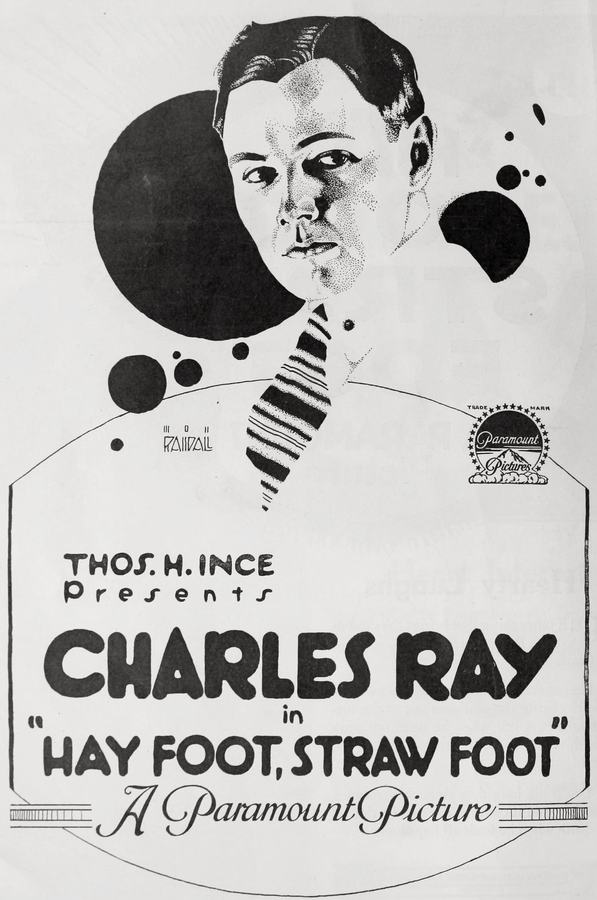
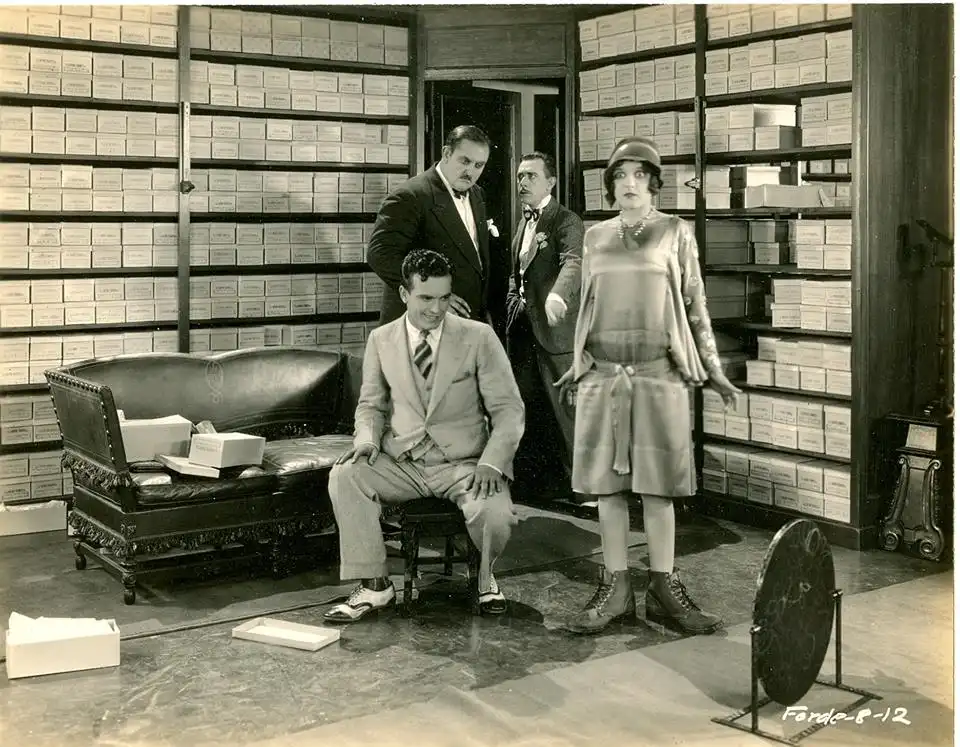
Comparing the cinematic DNA and archive impact of two defining moments in cult history.
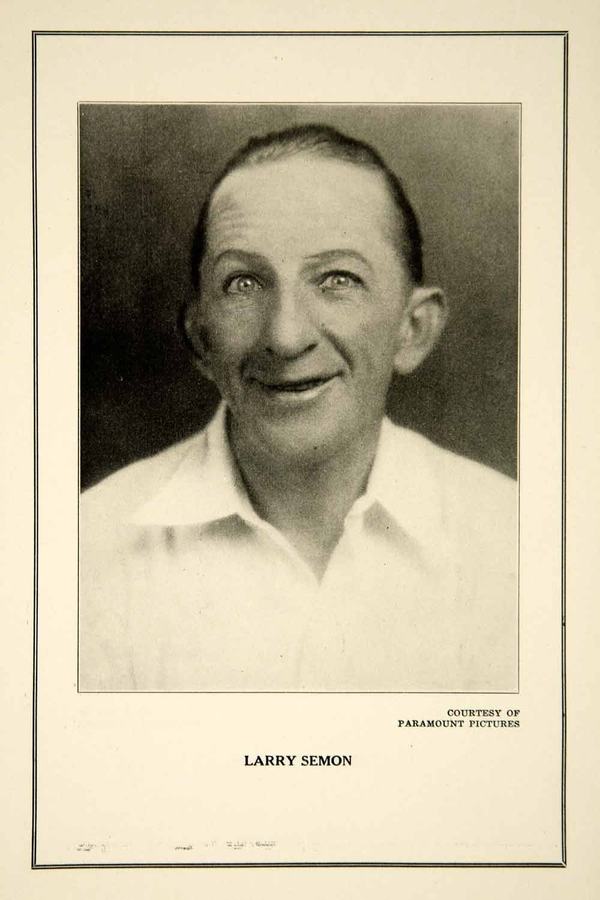
Larry Semon
Larry Semon
Community
Log in to comment.
" A barn door slammed shut by a gale of gossip; that is the sound which opens The Hick, and the reverberation never quite dies. Larry Semon’s 1922 one-reeler—stretched to a nervous 58 minutes—pretends to be a bucolic romp, yet every frame sweats with dread. Compare it to The White Circle and you’ll notice the same predatory stillness in the rural wide shots: land not as Eden but as creditor, forever demanding its pound of flesh. Marion Aye, lit like a Pre-Raphaelite scarecrow, moves through the ..."
Frank Hayes
Larry Semon
United States