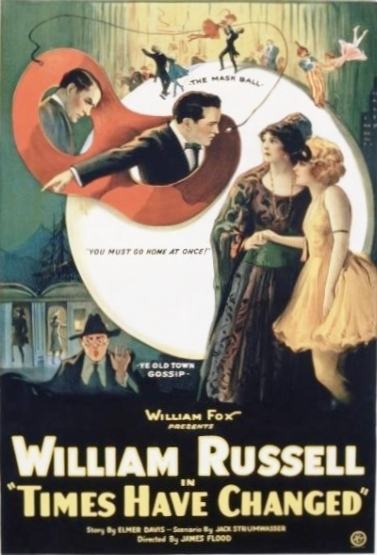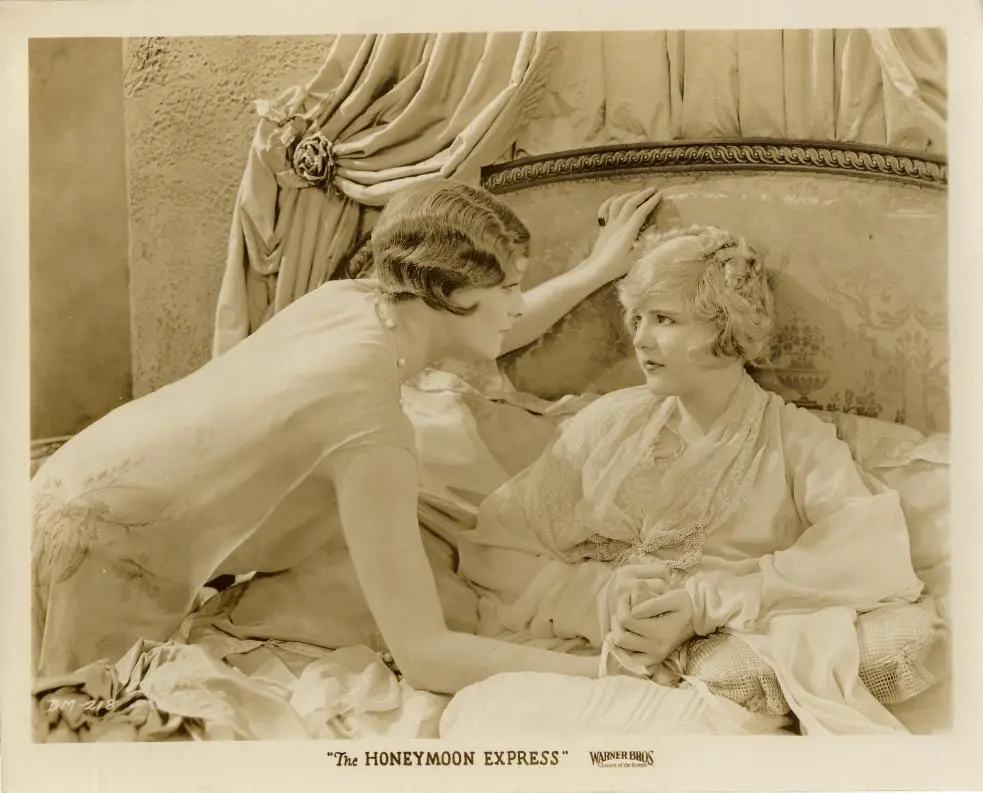
A philandering husband comes to his senses after his wife leaves him and takes up a glamorous lifestyle..
Is The Honeymoon Express worth your time today? Short answer: Yes, but primarily as a sharp-edged character study of 1920s gender politics rather than a standard romance. This film is for viewers who appreciate the nuance of silent-era acting and the 'transformation' trope; it is not for those who demand a high-speed p...
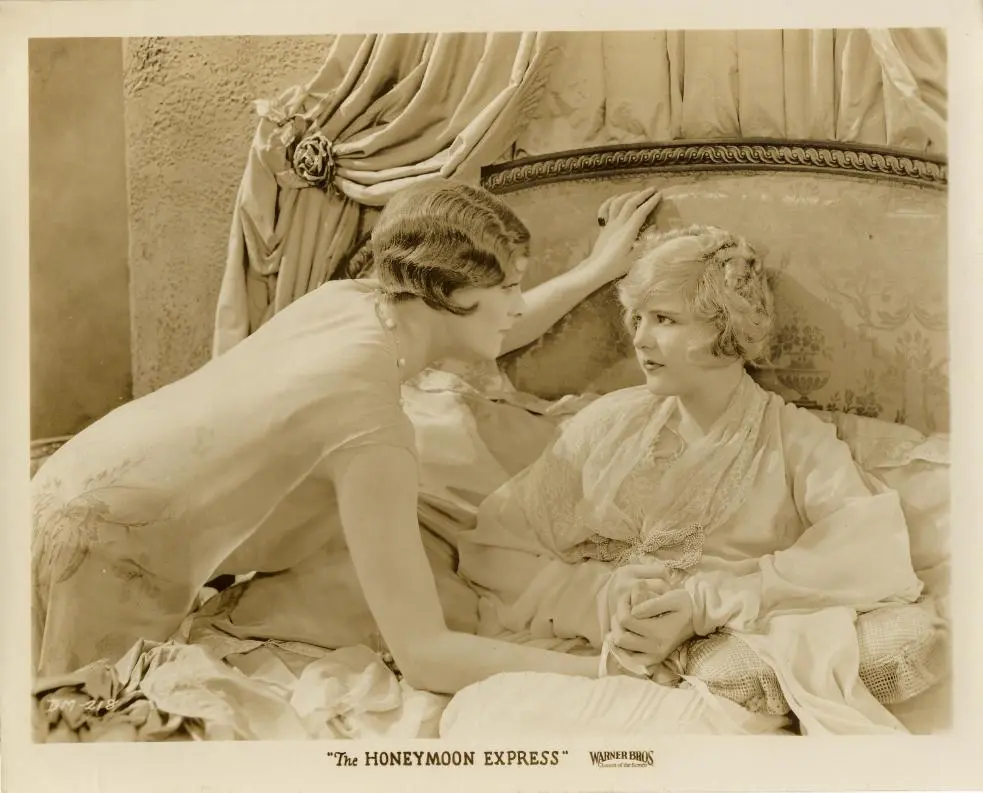
production_art
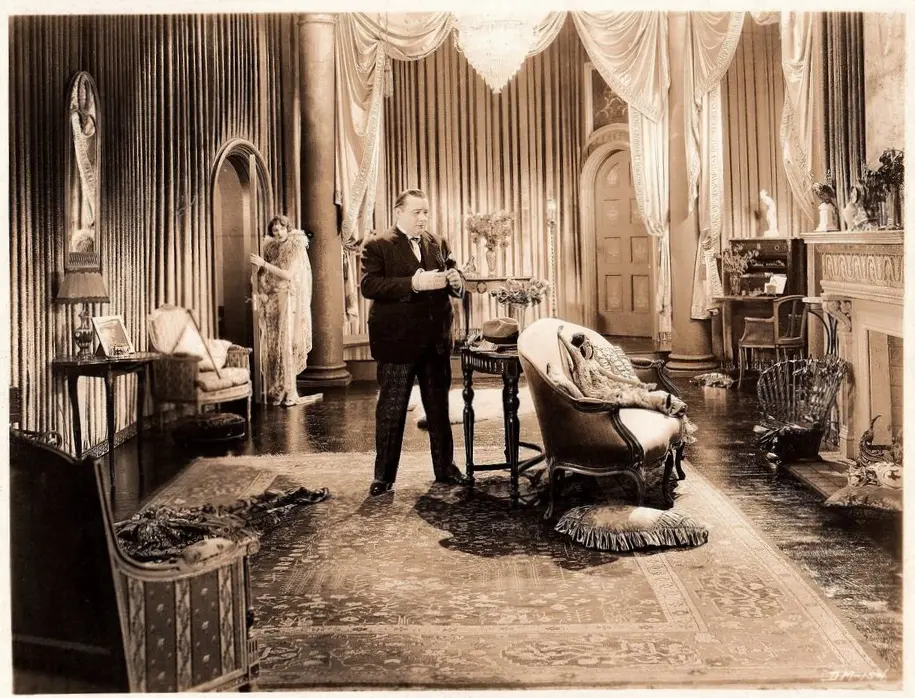
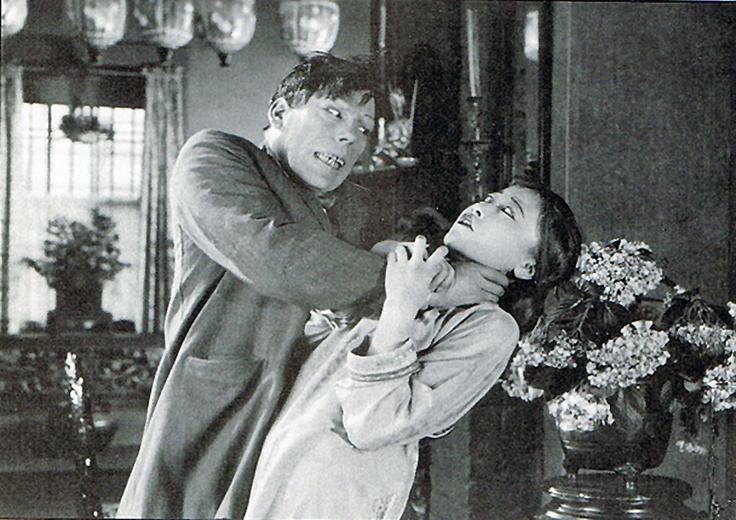
still_frame
Comparing the cinematic DNA and archive impact of two defining moments in cult history.
James Flood
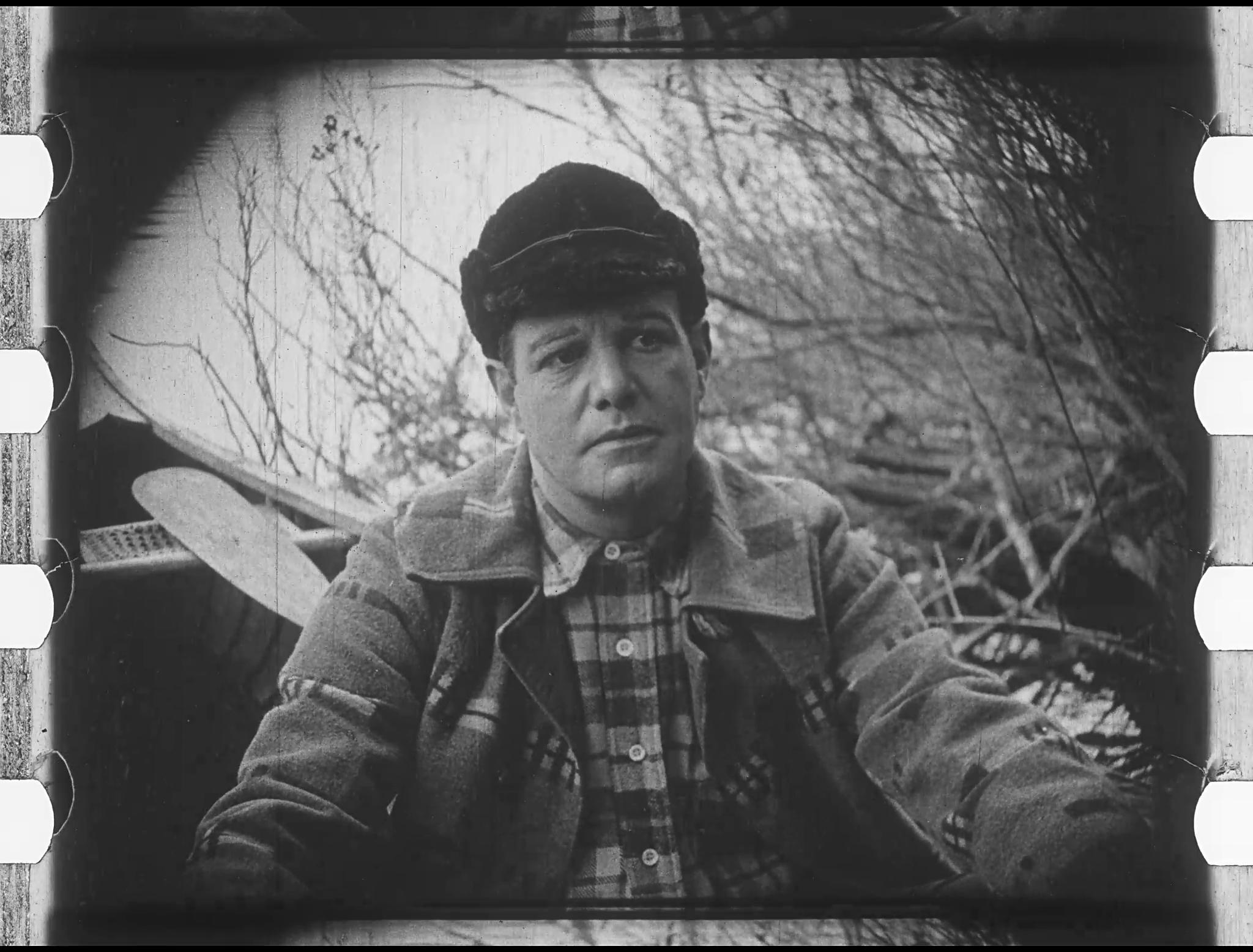
Edgar Jones
Community
Log in to comment.
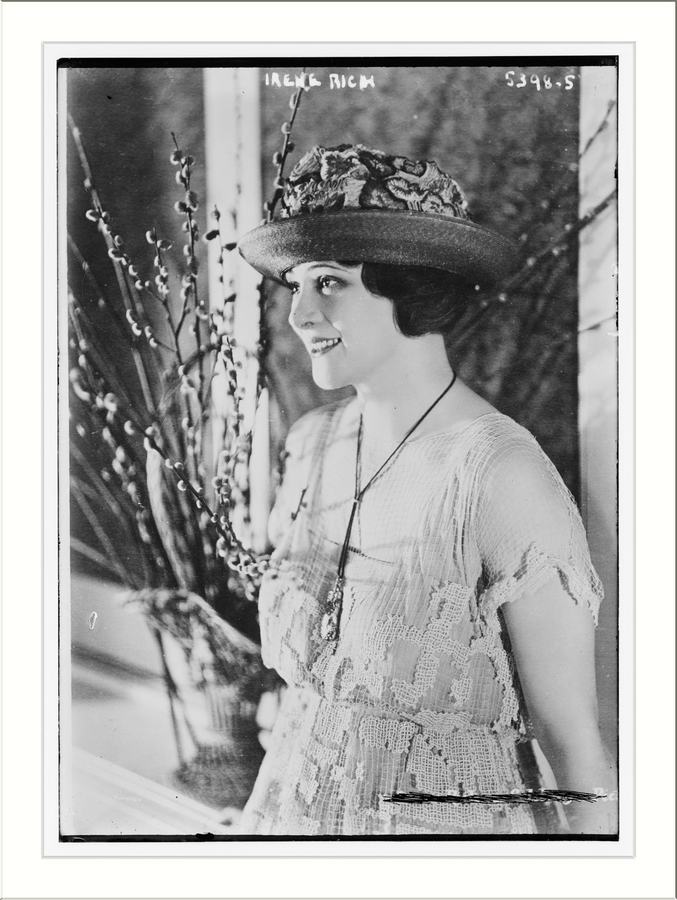
"Is The Honeymoon Express worth your time today? Short answer: Yes, but primarily as a sharp-edged character study of 1920s gender politics rather than a standard romance. This film is for viewers who appreciate the nuance of silent-era acting and the 'transformation' trope; it is not for those who demand a high-speed plot or a likable protagonist.The Direct VerdictThis film works because...Irene Rich delivers a performance of quiet dignity that makes the wife's eventual transformation feel like ..."
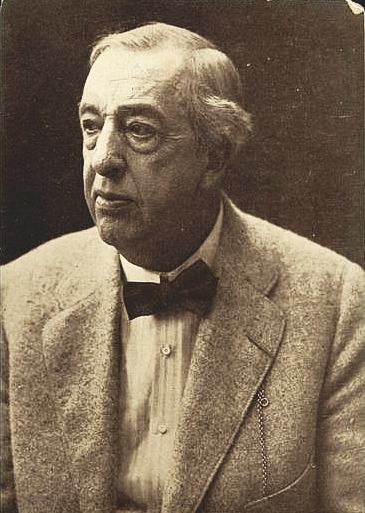
Robert Brower
Mary O'Hara
United States
Deep dive into the cult classic
Discover similar cinematic experiences
A Directorial Spotlight on James Flood