DbcultAccessing Vault...
Cult Review
Senior Film Conservator
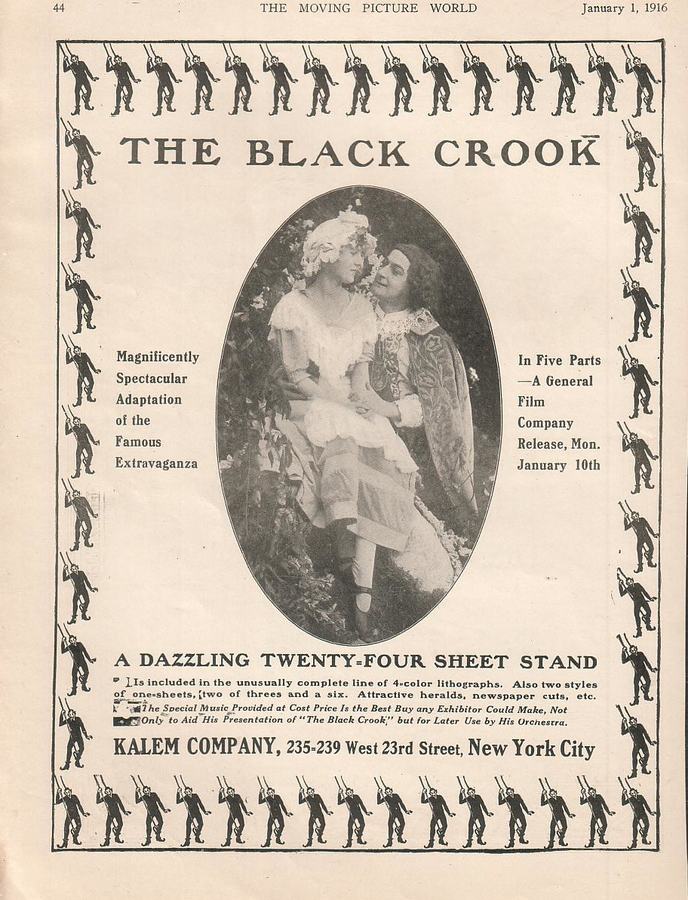
Stepping back into the nascent days of cinematic storytelling, we encounter The Black Crook, a 1916 silent film that, even a century later, retains a fascinating, if sometimes quaint, grip on the imagination. Long before the advent of synchronized sound or sophisticated special effects, this picture, with its origins in a sensational 19th-century stage musical, plunged audiences into a world where romantic devotion was tested by aristocratic malice and supernatural machinations. It’s a testament to the enduring power of elemental human drama—love, jealousy, despair, and the eternal struggle against malevolent forces—that a film from this era can still provoke thought and discussion. For anyone seeking to understand the foundational currents of early narrative cinema, The Black Crook offers a compelling, if dramatically heightened, lens through which to view the moral and emotional landscape of its time.
At its core, The Black Crook is a quintessential melodrama, a genre that thrived on exaggerated emotions and stark moral contrasts. The narrative hinges on the pure, unyielding affection between Amina and Rudolph, portrayed with earnest conviction by Gladys Coburn and Henry Hallam, respectively. Their idyllic romance, however, becomes an unfortunate catalyst for the malevolent whims of Count Wolfenstein, a figure of unchecked aristocratic power and possessive desire, brought to life with menacing conviction by Edward P. Sullivan. When Amina, with admirable fortitude, rejects the Count's audacious proposal, his wounded pride curdles into a venomous rage. This rejection sets in motion a chain of events that traps Rudolph in the cold, unforgiving confines of a dungeon, a fate designed not merely to punish him, but to break Amina's spirit and force her acquiescence.
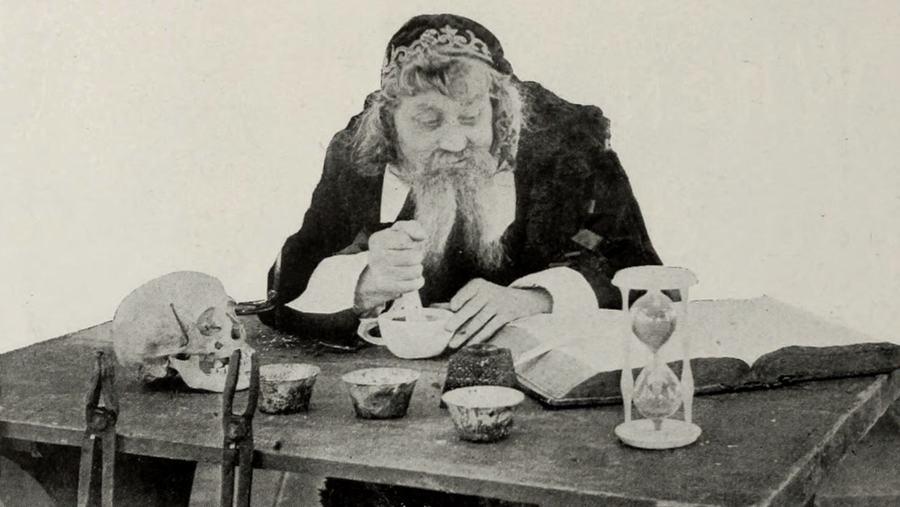
Yet, the Count's earthly tyranny is but one facet of the encroaching darkness. A more insidious threat manifests in the figure of Hertzog, the eponymous 'Black Crook,' a character imbued with a truly Faustian dilemma. Played with an unsettling blend of desperation and cunning by Frank Leonard, Hertzog is bound by an infernal pact: he must surrender one soul to Satan annually or face eternal damnation himself. With the clock ticking relentlessly towards his own reckoning, and only a single day remaining, Hertzog's gaze falls upon Amina and Rudolph. He perceives their profound despair, their hearts weakened by separation and torment, as the perfect vulnerability, the ideal entry point to claim their souls for his dark master. This dual threat—the earthly oppression of Wolfenstein and the supernatural predation of Hertzog—conspires to create a suffocating atmosphere of dread, pushing the lovers to the precipice of ultimate surrender.
The characters in The Black Crook are less nuanced psychological studies and more archetypal representations, serving as powerful conduits for the film's melodramatic themes. Amina, embodied by Gladys Coburn, is the quintessential virtuous maiden, her purity and unwavering loyalty forming the moral compass of the narrative. Her strength lies not in physical prowess, but in her emotional fortitude, a quiet resilience that confronts both human cruelty and supernatural temptation. Rudolph, played by Henry Hallam, represents the innocent victim, caught in a web of circumstances beyond his control. His imprisonment is a metaphor for the helplessness often faced by ordinary individuals against the machinations of the powerful, both temporal and infernal. The audience's empathy is firmly rooted in their shared predicament, their separation a poignant symbol of love's struggle against adversity.
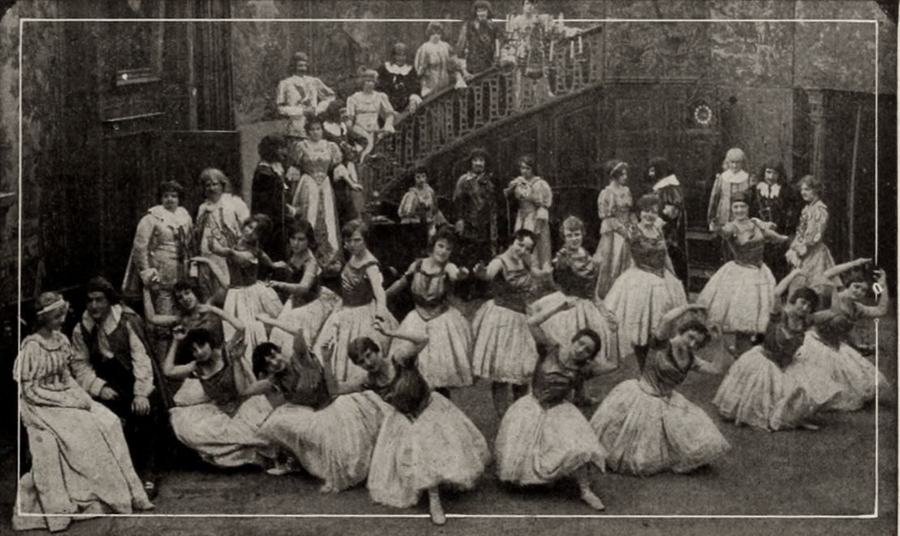
Count Wolfenstein, as interpreted by Edward P. Sullivan, is the embodiment of aristocratic villainy. His motivation is simple: unbridled desire and wounded pride. He represents the corrupting influence of power, a man accustomed to having his every whim indulged, who reacts with vindictive fury when denied. His actions are not complexly evil, but rather born of a petulant, self-serving cruelty that is, in its own way, terrifyingly relatable. His role is to create the immediate, tangible threat that drives the lovers' earthly suffering.
However, it is Hertzog, 'The Black Crook,' portrayed by Frank Leonard, who introduces the truly chilling dimension to the story. He is a figure of tragic villainy, a man ensnared by his own prior choices, now desperate to avoid eternal damnation. His focus on Amina and Rudolph is not driven by personal malice, but by a cold, calculating opportunism. He preys on their despair, understanding that a broken spirit is fertile ground for temptation. Leonard's portrayal likely emphasized the internal conflict, the weariness of a man facing an impossible deadline, making him a more complex antagonist than the purely spiteful Wolfenstein. This dynamic elevates the film beyond a simple love triangle into a profound exploration of human vulnerability in the face of both earthly and supernatural pressures. The supporting cast, including Mae Thompson, Helen Lindroth, Roland Bottomley, and Charles De Forrest, would have contributed to the overall atmosphere, likely embodying various villagers, guards, or supernatural entities, fleshing out the world in which this high-stakes drama unfolds.
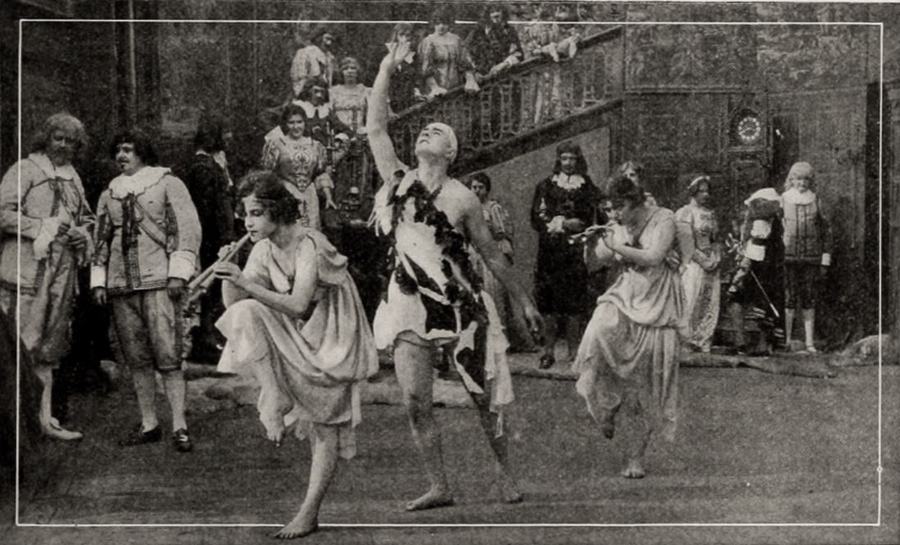
The thematic landscape of The Black Crook is rich with classic dilemmas. The central conflict between pure love and corrupting evil is a timeless one, here amplified by the supernatural element. Amina and Rudolph's enduring affection serves as a beacon against the encroaching darkness, a testament to the idea that true connection can withstand even the most formidable pressures. Their despair, however, opens the door to the film's most potent theme: temptation. Hertzog's strategy relies entirely on their emotional exhaustion, on the idea that in their darkest hour, they might be willing to compromise their souls for relief, reunion, or even just an end to their suffering. This echoes the moral quandaries found in other narratives of the era, where characters often face impossible choices under duress. One might draw parallels to the stark moral choices presented in films like The Chalice of Sorrow, where characters grapple with profound personal sacrifice and the consequences of their decisions.
Furthermore, the film delves into the concept of free will versus fate. Are Amina and Rudolph merely pawns in a larger cosmic game, or do they possess the agency to resist the forces conspiring against them? Hertzog's own predicament highlights the consequences of past choices, framing his present desperation as a form of karmic retribution. The narrative, therefore, becomes a battleground for their very souls, a test of faith and resilience. The resolution, whatever form it takes, would invariably speak to the prevailing societal beliefs about justice, redemption, and the ultimate triumph of good over evil, themes often explored in the melodramatic narratives of early cinema.
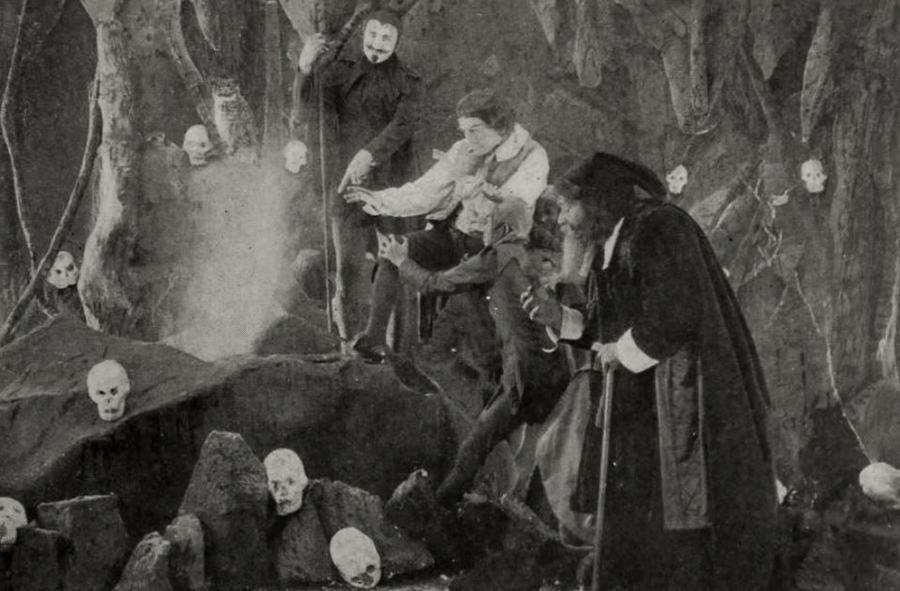
Critiquing a silent film demands a particular sensibility, one that appreciates the unique language of visual storytelling and exaggerated performance. In the absence of dialogue, actors like Gladys Coburn and Henry Hallam had to convey a vast spectrum of emotion through their physicality, facial expressions, and gestural language. This often led to what modern audiences might perceive as overacting, but which was, in its time, a necessary and highly developed craft. Coburn's Amina would likely have communicated her devotion and anguish through expressive gazes and graceful, yet desperate, movements, while Hallam's Rudolph would have used posture and strained expressions to convey his confinement and despair. The effectiveness of their performances would have been crucial in drawing the audience into their plight, making their struggle palpable despite the lack of spoken words. The emotional intensity required in such roles, where every sentiment must be writ large, can be compared to the demanding portrayals seen in other intense dramas of the period, such as Fedora or Pamela Congreve, where inner turmoil is externalized for the camera.
Edward P. Sullivan's Count Wolfenstein would have relied on a commanding presence and perhaps a sneering, haughty demeanor to establish his villainy, while Frank Leonard's Hertzog would have required a more nuanced approach, balancing menace with a hint of his own internal torment. The creative vision of writers Charles M. Barras (whose original stage play laid the foundation) and Phil Lang (who adapted it for the screen) was pivotal in crafting a narrative that translated effectively into the visual medium. They had to ensure the plot progression was clear, the emotional beats impactful, and the fantastical elements comprehensible through intertitles and visual cues. The success of the film hinges on their ability to distill the complex themes of the stage production into a coherent and engaging cinematic experience.
Visually, early cinema often employed theatrical staging, but even within those constraints, choices in set design, costume, and rudimentary cinematography would have been made to enhance the gothic atmosphere. The dungeon scenes for Rudolph, for instance, would have utilized stark lighting and minimalist sets to evoke a sense of claustrophobia and hopelessness, similar to the oppressive environments depicted in more overtly horror-tinged silent films like The Dark Silence or Out of the Darkness. The supernatural elements, involving Satan and Hertzog's pact, would have been conveyed through creative use of dissolves, double exposures, and perhaps even early attempts at special effects, aiming to transport the audience into a realm beyond the mundane. These visual strategies, though primitive by today's standards, were crucial in establishing the fantastic elements of the story and distinguishing it from purely realistic dramas.
The Black Crook, while perhaps not as widely celebrated today as some of its contemporaries, holds an important place in the lineage of American cinema. It represents an early foray into adapting popular stage spectacles for the screen, demonstrating the nascent film industry's ambition to captivate audiences with grand narratives and fantastical elements. Its blending of romance, melodrama, and the supernatural paved the way for countless future films that would explore similar thematic territory, from the gothic romances of the 1930s to modern fantasy epics. The film’s commitment to exploring the corrupting influence of power and the resilience of the human spirit against overwhelming odds ensures its enduring relevance, even as cinematic techniques have evolved beyond recognition.
For the discerning cinephile, watching The Black Crook today is not merely an exercise in historical curiosity; it is an opportunity to witness the foundational storytelling methods that shaped an art form. It allows us to appreciate the craft of early performers and filmmakers who, with limited tools, managed to weave tales that resonated deeply with the societal anxieties and moral frameworks of their time. It’s a reminder that the essence of compelling narrative—the struggle for love, the battle against evil, and the ultimate quest for salvation—remains timeless, transcending the technological limitations of any given era. The film, in its own silent, expressive way, continues to whisper its gothic tale across the decades, inviting us to ponder the enduring power of darkness and the inextinguishable flame of hope.
IMDb 6.7
1926
Community
Log in to comment.