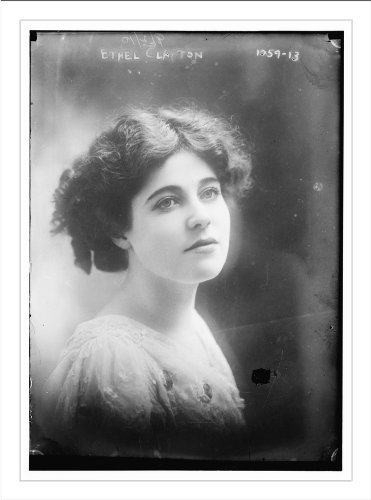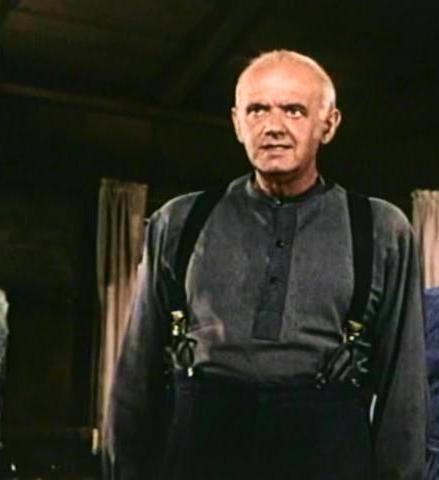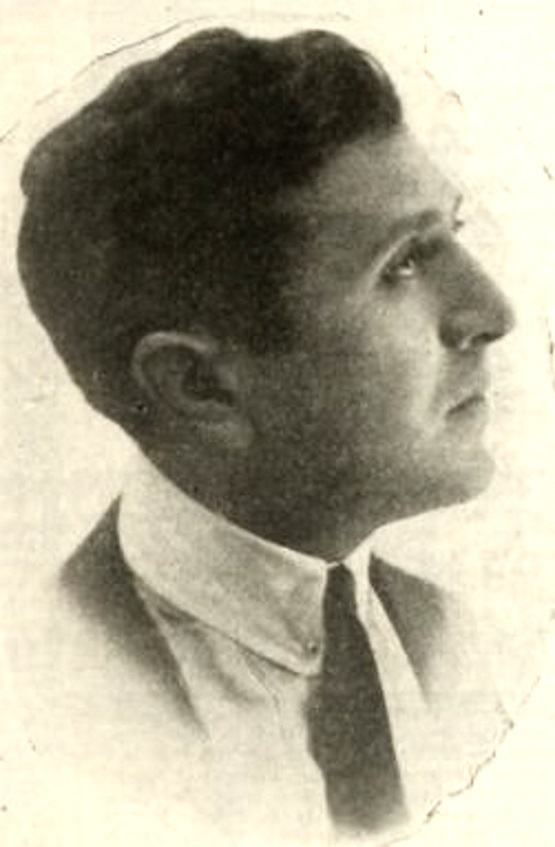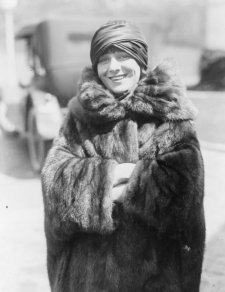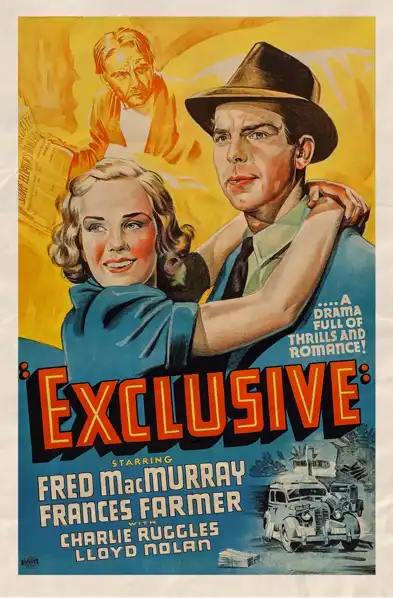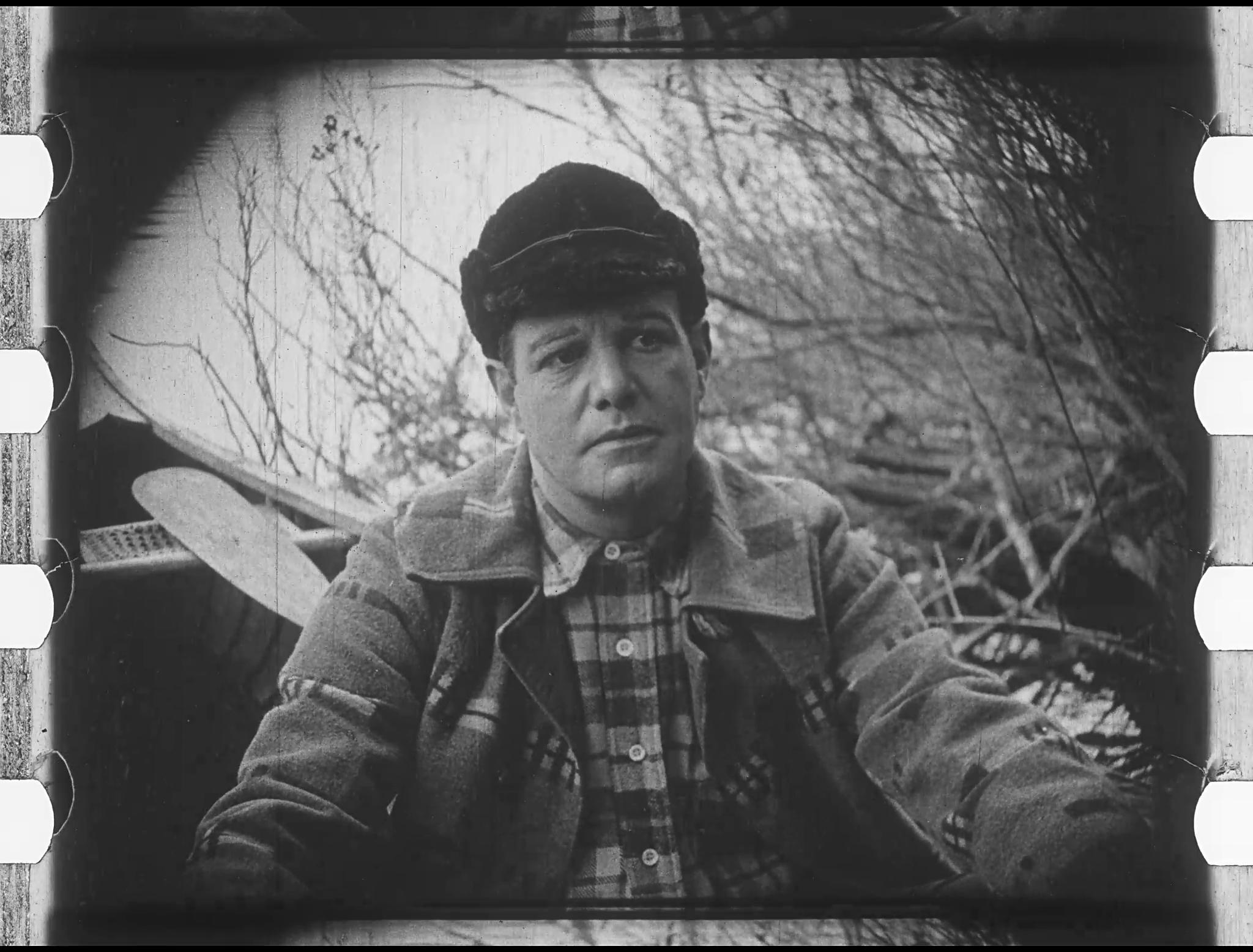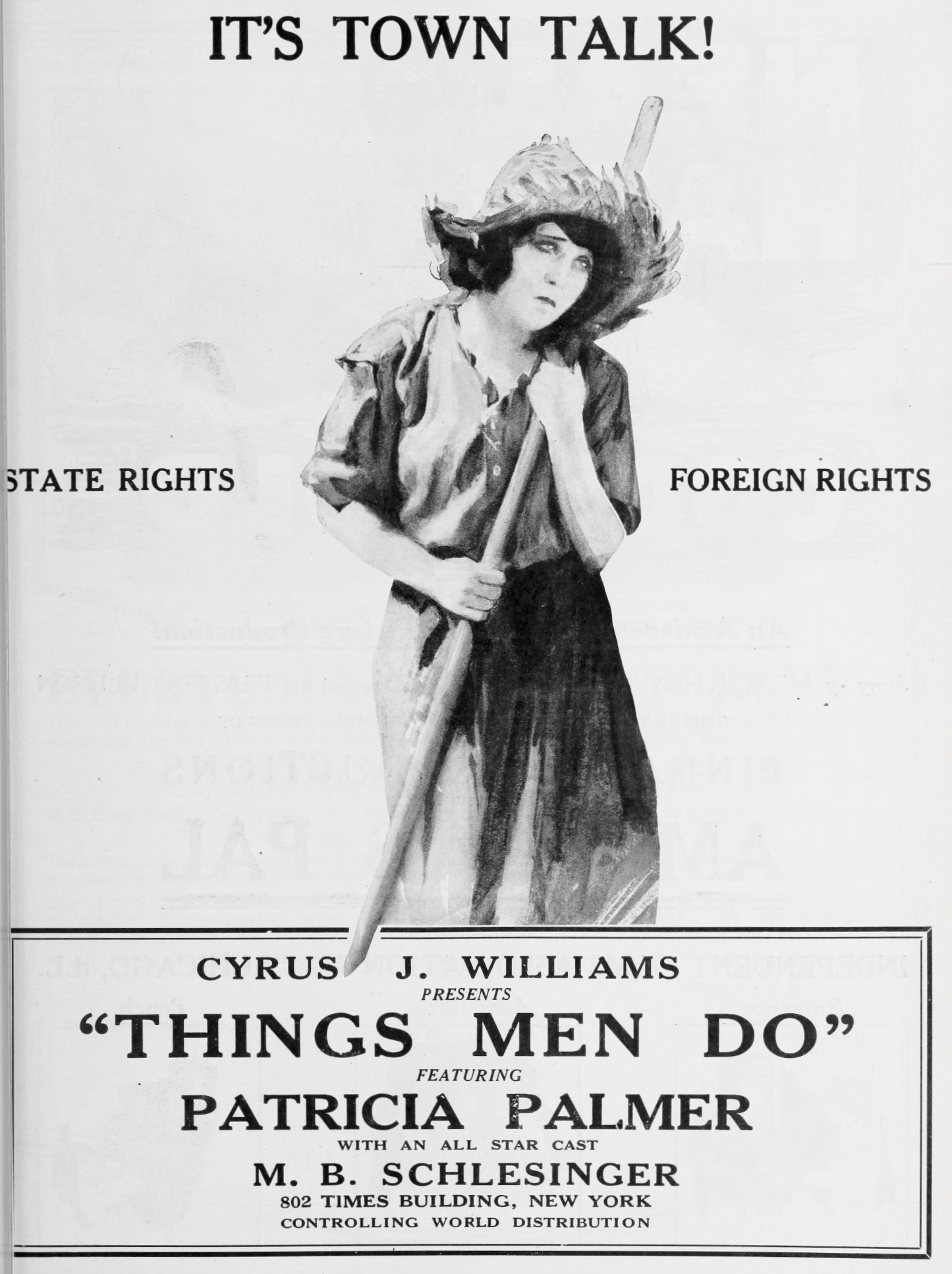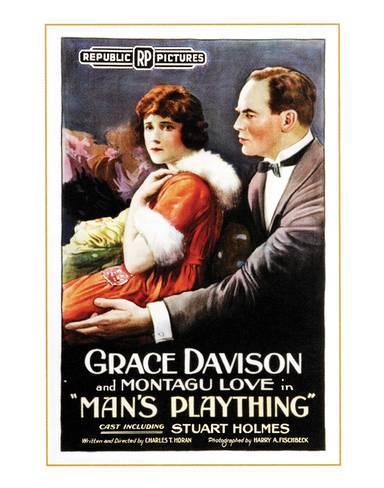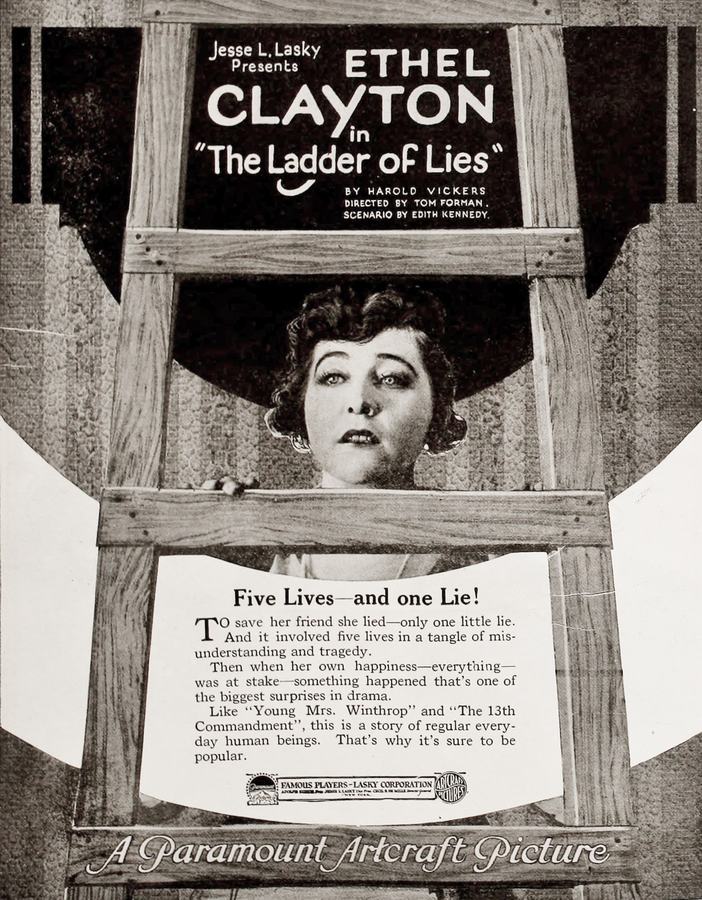
To save her good friend, Peter Gordon, from marrying a gold digger named Dora, Edith Parrish introduces the girl to Ralph Brent, a male vamp, knowing that she will fall for Brent's flattery. Dora, however, begs Peter to advise Edith against associating with Brent.
A single midnight-blue cloak becomes the hinge upon which reputations swing in The Ladder of Lies, a 1915 silent that pirouettes on the razor’s edge between altruism and self-immolation. Picture, if you can, the gaslit corridors of pre-war American cinema: flickers of silver nitrate where every close-up feels like a...

production_art

publicity
Comparing the cinematic DNA and archive impact of two defining moments in cult history.
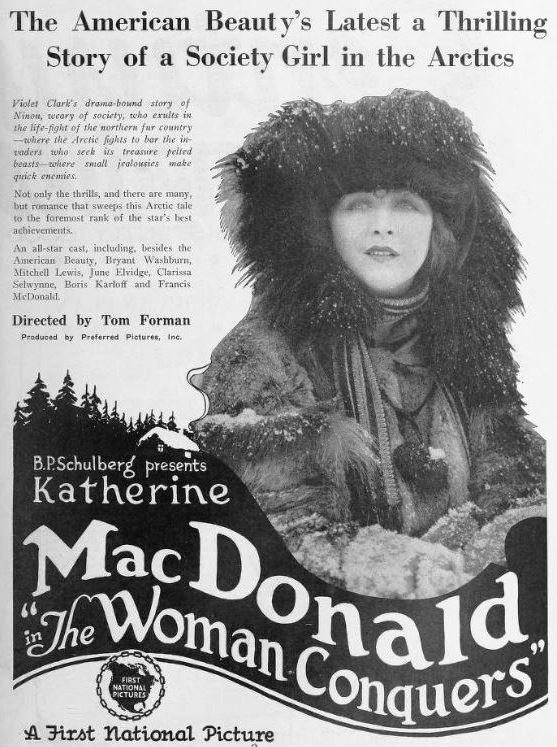
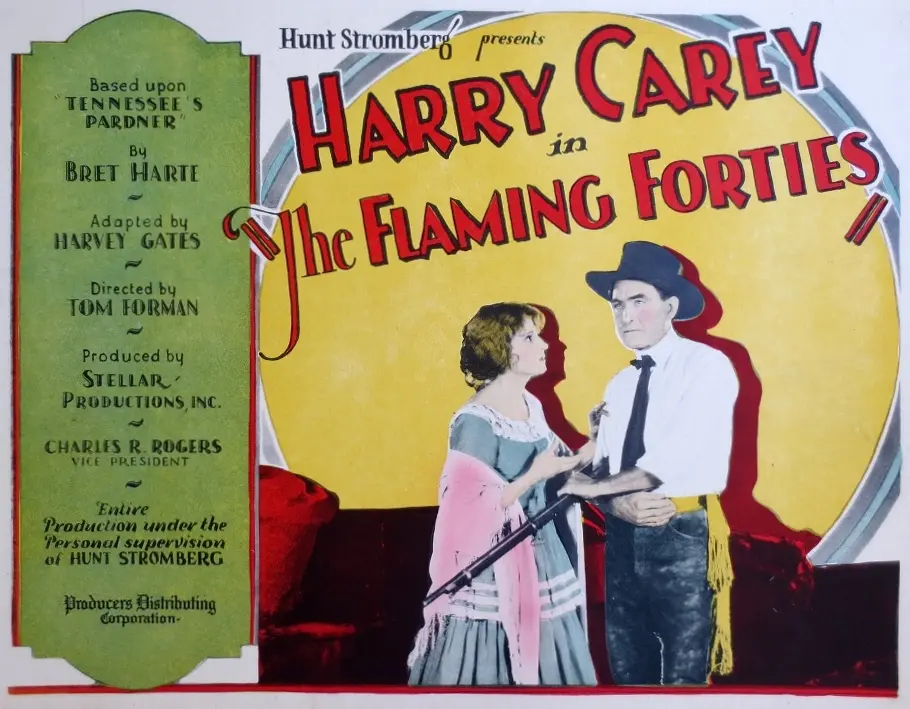
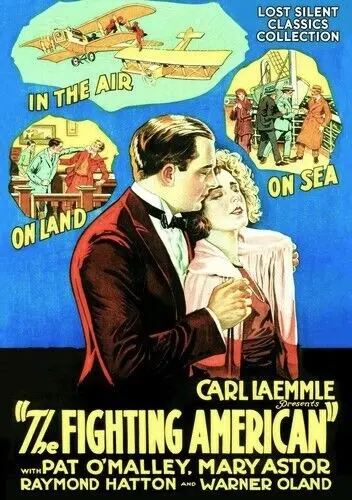
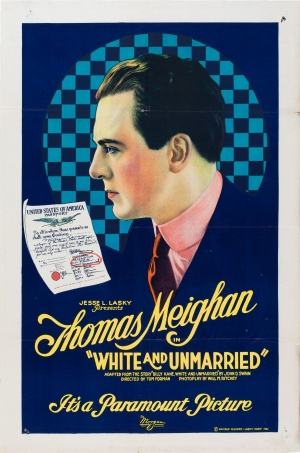
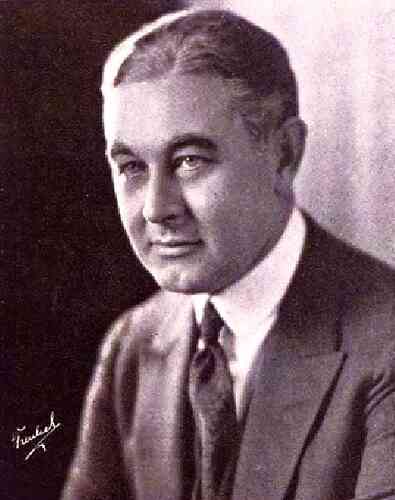
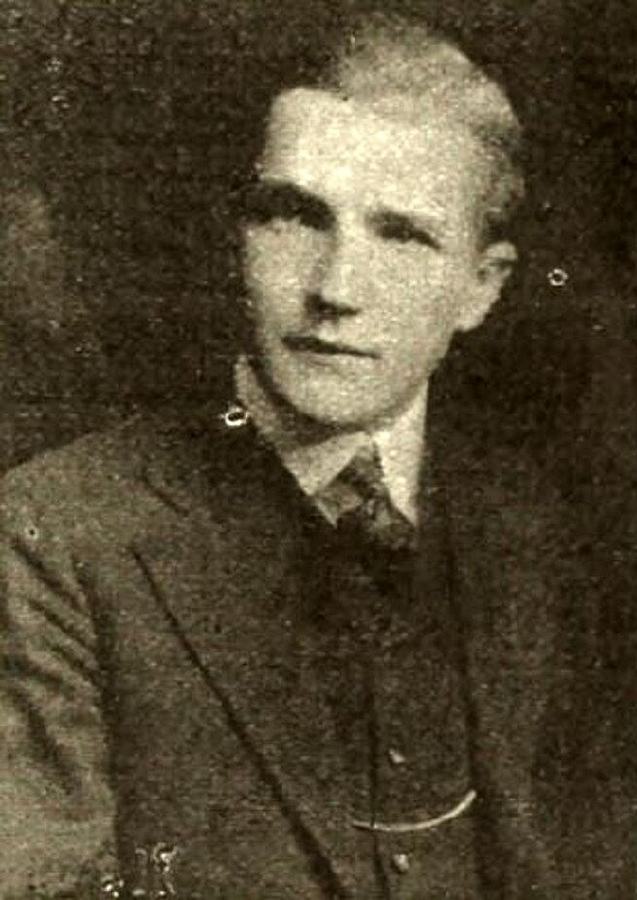
Tom Forman
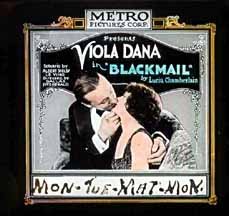
Dallas M. Fitzgerald
Community
Log in to comment.
" A single midnight-blue cloak becomes the hinge upon which reputations swing in The Ladder of Lies, a 1915 silent that pirouettes on the razor’s edge between altruism and self-immolation. Picture, if you can, the gaslit corridors of pre-war American cinema: flickers of silver nitrate where every close-up feels like a gasp. Into this half-lit world steps director Harold Vickers, armed with a screenplay by Edith M. Kennedy that treats morality like taffy—stretching, twisting, snapping back to st..."
Jean Acker
Edith M. Kennedy, Harold Vickers
United States
Deep dive into the cult classic
Discover similar cinematic experiences
A Directorial Spotlight on Tom Forman