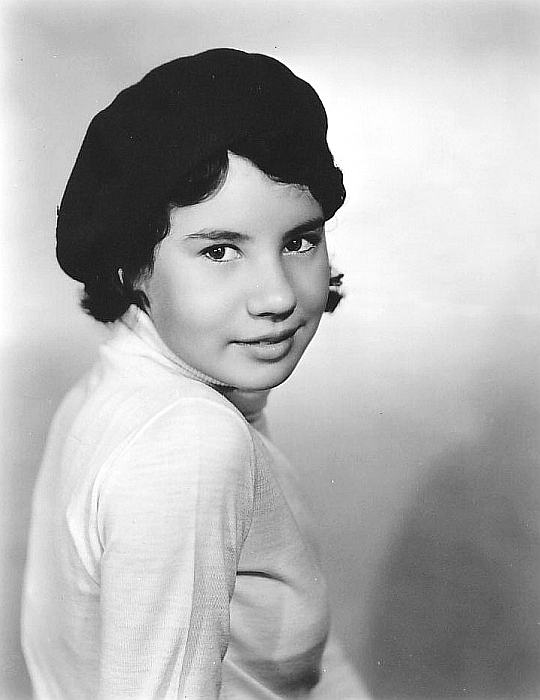
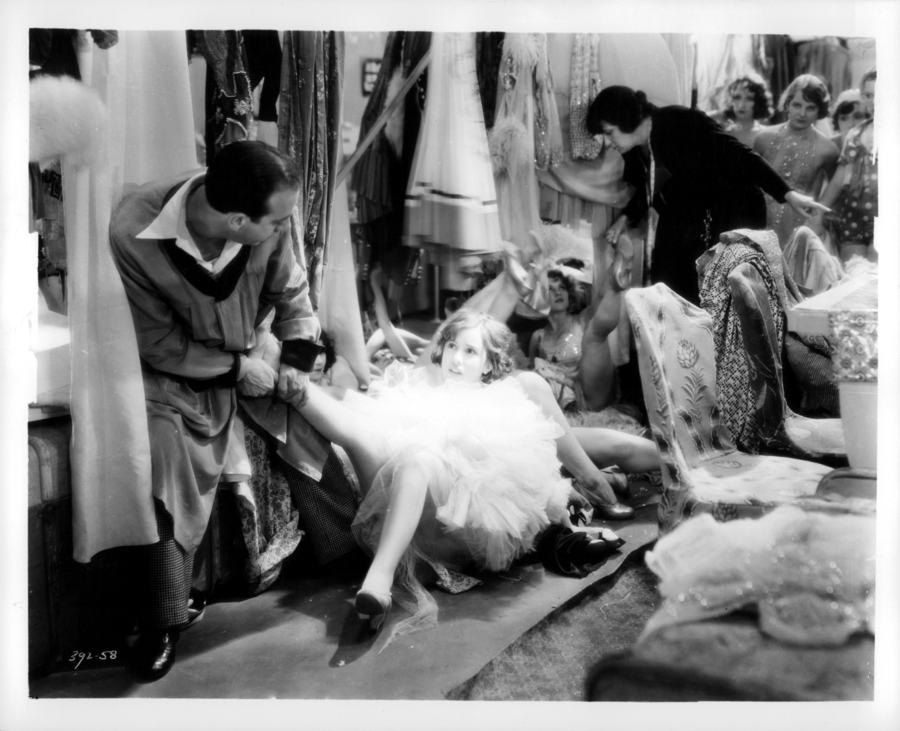
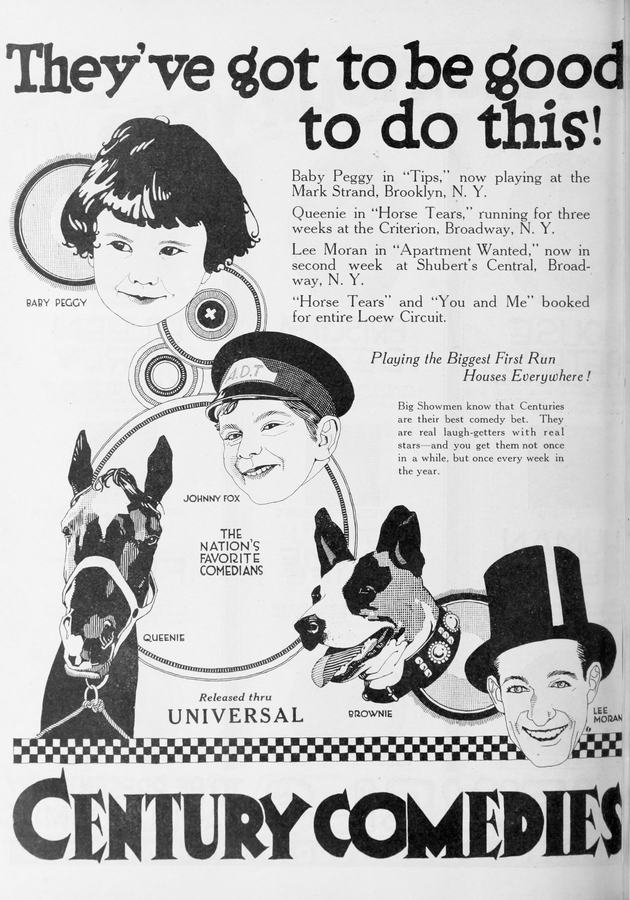
Baby Peggy as the mischievous child of doting and fussy parents..
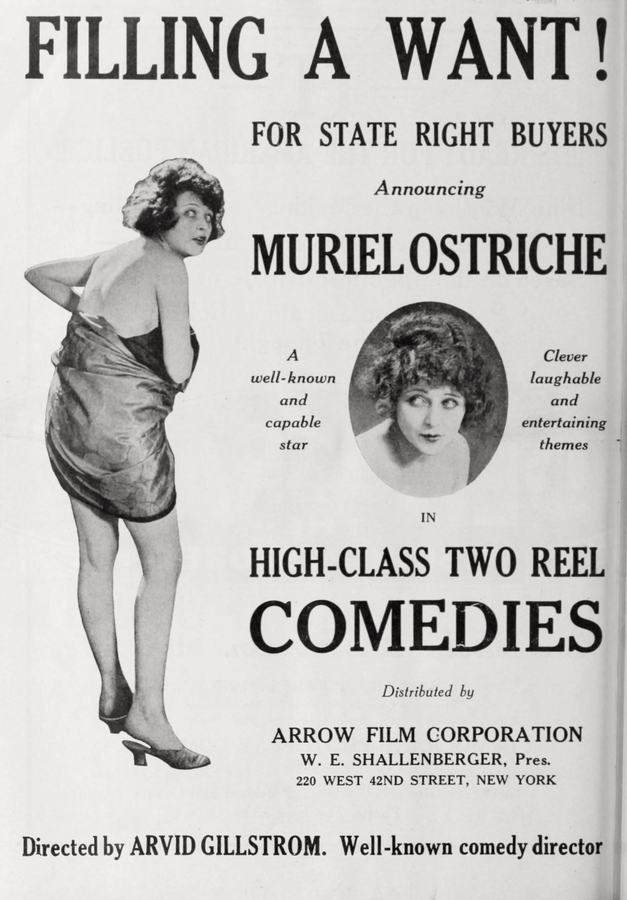
Arvid E. Gillstrom
United States
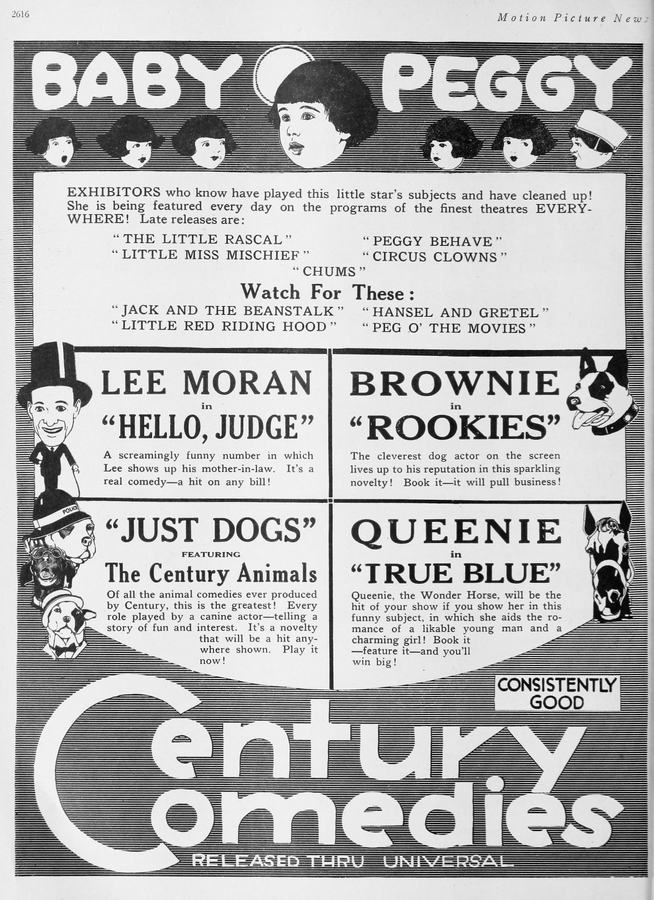
A nitrate grenade lobbed into the parlor of propriety—Gillstrom’s one-reel riot feels fresher than most 2023 streaming farces. In the flickering twilight of silent cinema, where shadows speak louder than dialogue, The Little Rascal arrives like a hand-painted firecracker: brief, incandescent, and perilously inclined t...
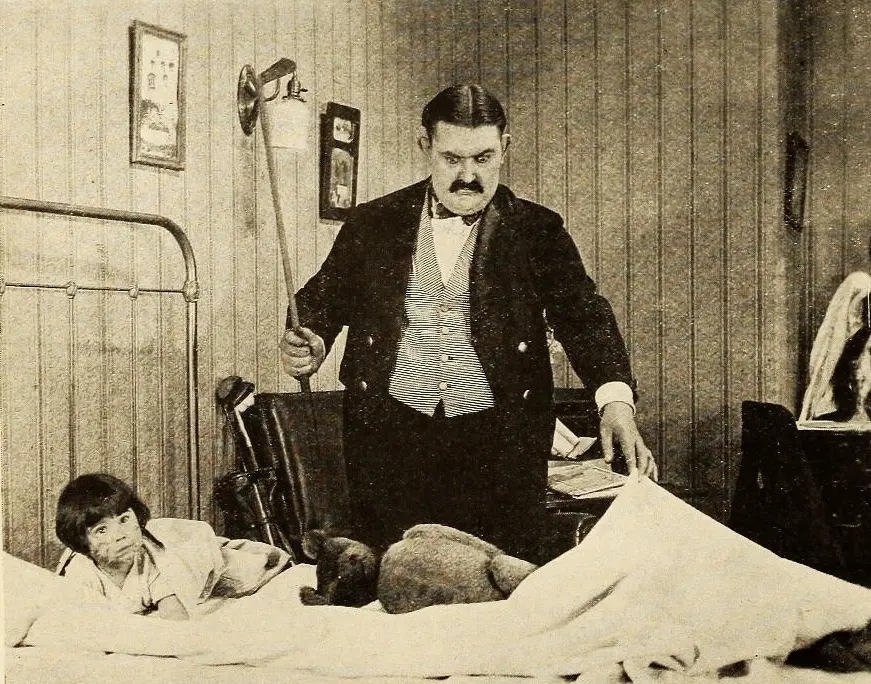
still_frame
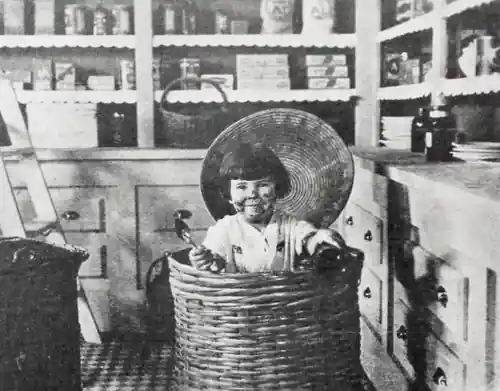
still_frame
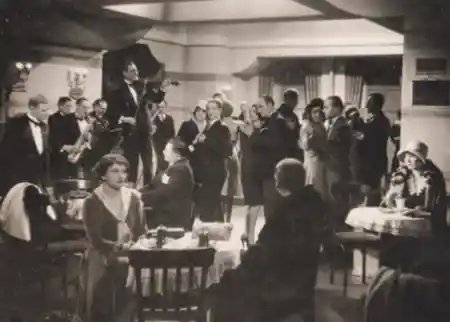
Comparing the cinematic DNA and archive impact of two defining moments in cult history.
Arvid E. Gillstrom
Edgar Jones
Community
Log in to comment.
" A nitrate grenade lobbed into the parlor of propriety—Gillstrom’s one-reel riot feels fresher than most 2023 streaming farces. In the flickering twilight of silent cinema, where shadows speak louder than dialogue, The Little Rascal arrives like a hand-painted firecracker: brief, incandescent, and perilously inclined to singe the fingertips of anyone who underestimates its bite. Baby Peggy—four decades before Shirley Temple would patent the dimpled market—commands the frame with the unfiltered f..."
Deep dive into the cult classic
Discover similar cinematic experiences
A Directorial Spotlight on Arvid E. Gillstrom