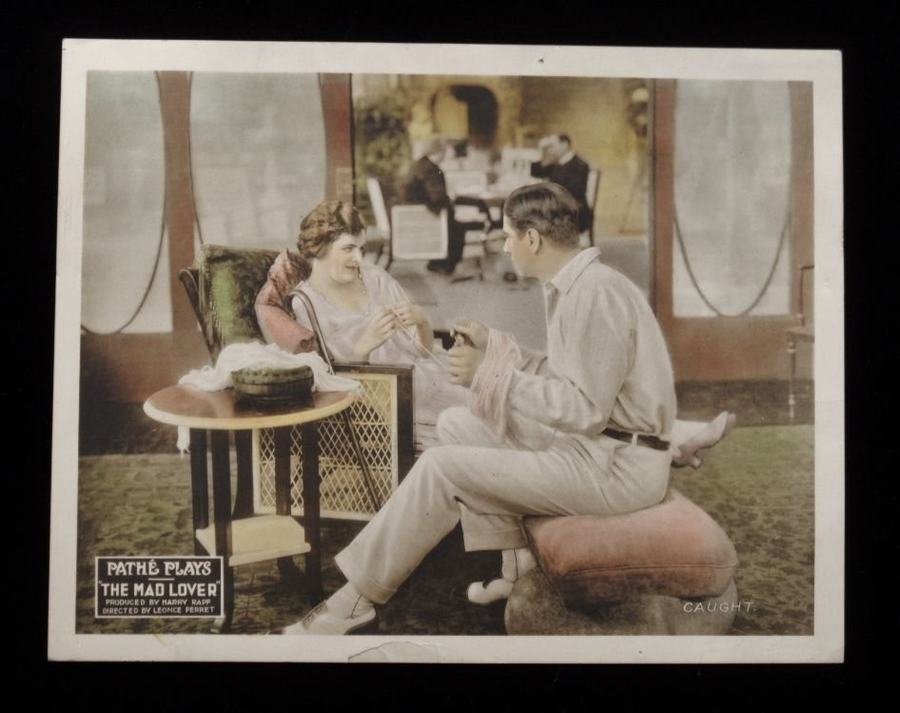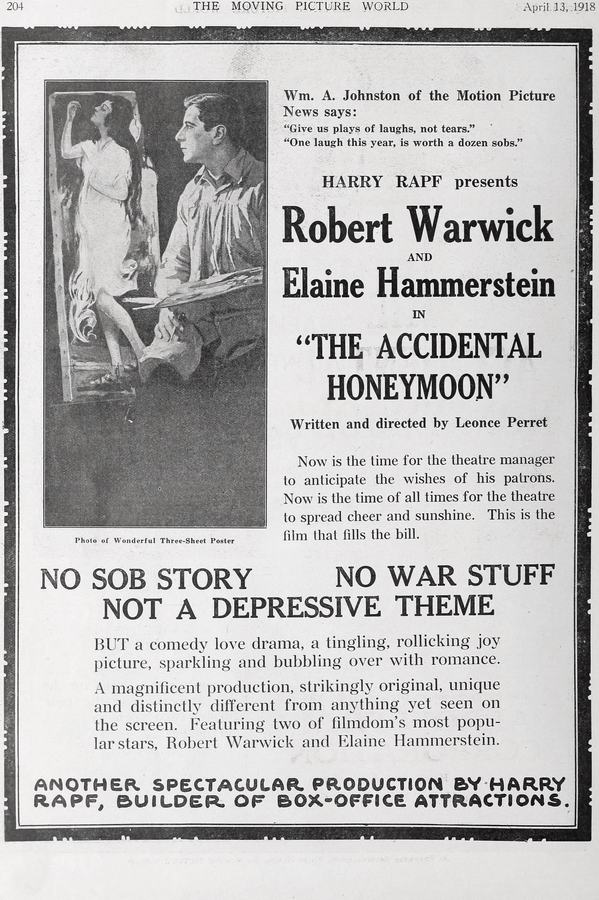
Young Kitty runs away from home to avoid marrying a man she doesn't love. Her car breaks down on a country road and she meets Robert, a young artist who has just been turned down by a woman he loved madly and is about to commit suicide by lying on the railroad tracks.
Léonce Perret, Tom Bret
United States
Léonce Perret’s 1923 one-reel whirlwind, long buried in a Parisian archive, surfaces like a champagne bottle uncorked after a century: effervescent, volatile, faintly dangerous. At a breathless twenty-four minutes, The Accidental Honeymoon distills the entire spectrum of Jazz-Age anxieties—patriarchal property rights...
Comparing the cinematic DNA and archive impact of two defining moments in cult history.
Léonce Perret
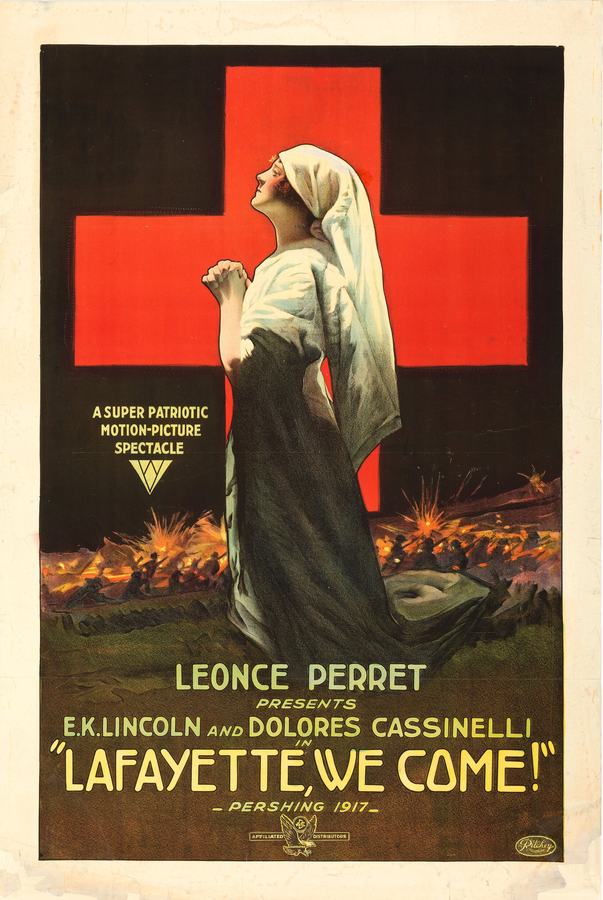
Léonce Perret
Community
Log in to comment.
" Léonce Perret’s 1923 one-reel whirlwind, long buried in a Parisian archive, surfaces like a champagne bottle uncorked after a century: effervescent, volatile, faintly dangerous. At a breathless twenty-four minutes, The Accidental Honeymoon distills the entire spectrum of Jazz-Age anxieties—patriarchal property rights, female bodily autonomy, the artist’s precarious masculinity—into a single moonlit roadside farce. Kitty, played with proto-screwball verve by Elaine Hammerstein, is introduced i..."

Deep dive into the cult classic
Discover similar cinematic experiences
A Directorial Spotlight on Léonce Perret