DbcultAccessing Vault...
6.9/10
Senior Film Conservator
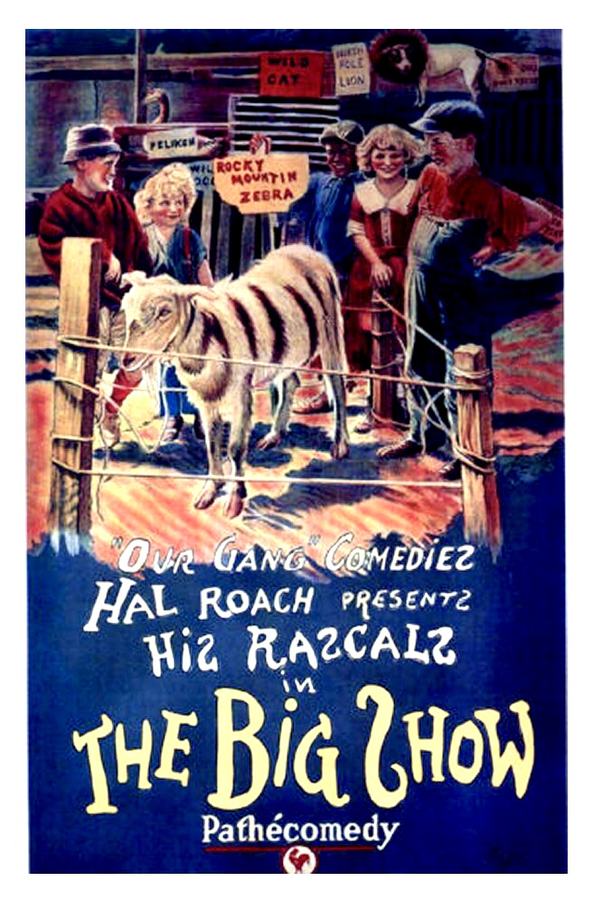
A definitive 6.9/10 rating for a film that redefined the boundaries of cult cinema. The Big Show remains a cornerstone of transgressive art.
When The Big Show unfurls its black‑and‑white frames, the viewer is thrust into a sun‑splashed meadow where a cadre of precocious youngsters has erected a makeshift county fair, a micro‑world that pulses with the same kinetic energy as a modern theme park. The premise, deceptively simple, is a study in collective imagination: a group of children, led by the effervescent Vonda Phelps, commandeer a vacant lot, fashioning wooden rides, painted banners, and a rudimentary stage that will become the crucible for their grandest illusion—a "movie" that is, in fact, a meticulously choreographed stage act.
The narrative architecture of the film is built on a series of escalating set‑pieces, each one more elaborate than the last. Early scenes capture the gang scavenging for materials—scraps of lumber, discarded fabric, and a rusted tin kettle—transforming the detritus of everyday life into carnival attractions. This bricolage mirrors the resourcefulness of early 20th‑century filmmakers, who often repurposed ordinary objects to conjure cinematic wonder. The script, penned by Roach and Walker, is peppered with witty intertitles that echo the self‑referential humor of later meta‑films, inviting the audience to contemplate the artifice of performance even as they are entertained by it.
The cast, a veritable who's who of Hal Roach's juvenile troupe, delivers a performance that feels both spontaneous and meticulously timed. Mary Kornman's expressive eyes convey a mixture of mischief and earnestness, while Jack Davis's lanky gait adds a physical comedy that recalls the slapstick virtuosity of Charlie Chaplin. Allen ‘Farina’ Hoskins, with his trademark grin, provides a counterpoint of innocence that softens the film's more frenetic moments. Each actor inhabits their role with a sincerity that transcends the silent medium, allowing the audience to sense the underlying affection that binds the gang together.
A pivotal sequence unfolds when the children rehearse their "movie" on the makeshift stage. Here, the film becomes a commentary on the very nature of cinema. The gang constructs a faux‑film set, complete with painted backdrops and a hand‑cranked camera prop, and proceeds to act out a melodramatic chase scene that parodies the popular serials of the era. The meta‑layer is heightened when the camera within the film captures the actors' exaggerated gestures, creating a film‑within‑a‑film that blurs the boundaries between diegetic performance and the audience's viewing experience. This clever device anticipates later works such as The Key to Yesterday, which also toys with self‑reflexivity.
Visually, the film is a study in contrast. The black‑and‑white palette is punctuated by the occasional splash of color in the intertitles, a technique that underscores the thematic tension between reality and illusion. The cinematography, while constrained by the technological limits of the 1920s, employs inventive framing: low angles capture the towering wooden roller coaster, while close‑ups isolate the gleam of a child's eye as they watch the "movie" unfold. The editing rhythm accelerates during the climactic chase, with rapid cuts that mimic the frenetic pace of a real film reel, thereby reinforcing the film's central conceit.
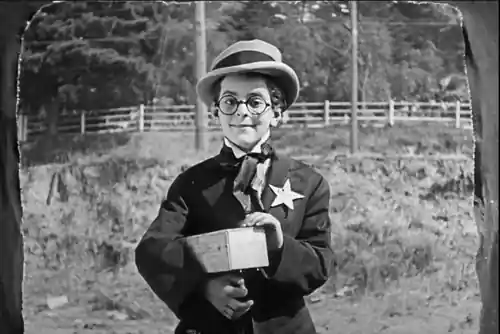
Thematically, The Big Show celebrates the democratizing power of imagination. The gang's ability to conjure an entire fair from scraps mirrors the early film industry's capacity to transform mundane narratives into spectacles that captivate mass audiences. Moreover, the film subtly critiques the commercialism of entertainment; the children's fair is free, communal, and rooted in shared joy, standing in stark contrast to the profit‑driven amusement parks that were beginning to dominate the cultural landscape. This tension resonates with contemporary discussions about the commodification of art, making the film surprisingly relevant to modern viewers.
From a historical perspective, the film occupies a pivotal position in the evolution of child‑centered comedies. It predates and arguably influences later Hal Roach productions such as Fate and Fortune, where the interplay between youthful exuberance and adult oversight is similarly explored. The presence of actors like Mickey Daniels and Joe Cobb, who would later become staples of the Our Gang series, provides a fascinating glimpse into the developmental arc of early Hollywood talent pipelines.
The musical accompaniment, though not captured on the surviving print, would have likely featured a jaunty ragtime score, underscoring the film's buoyant tempo. Contemporary screenings often pair the silent footage with a live piano or organ, a practice that revives the original viewing experience and accentuates the rhythmic slapstick that defines the gang's antics.
In terms of production design, the makeshift fair is a triumph of practical effects. The wooden roller coaster, constructed from planks and rope, creaks and sways with each child’s weight, creating an authentic sense of peril that heightens the comedic stakes. The concession stand, fashioned from an overturned barrel, serves as a backdrop for a series of pratfalls that showcase the troupe's physical comedy chops. These set pieces are not merely decorative; they function as narrative catalysts, propelling the characters into a cascade of mishaps that culminate in the climactic "movie" performance.
The film's pacing is deliberately uneven, mirroring the spontaneous energy of a child’s play. Early scenes linger on the meticulous construction of the fair, allowing the audience to savor the tactile details of the set. Mid‑film, the tempo quickens as the gang rehearses their performance, and the final act erupts into a whirlwind of rapid cuts and exaggerated gestures. This structural ebb and flow keeps the viewer engaged, preventing the novelty of the premise from waning.
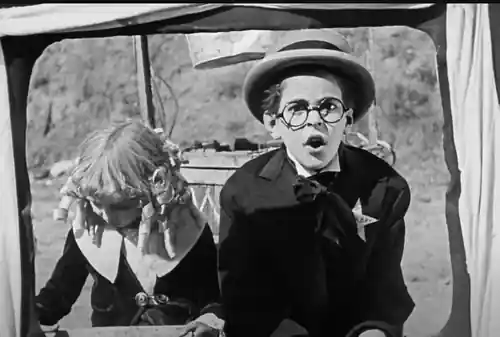
Comparative analysis reveals resonances with European silent comedies such as Die weißen Rosen von Ravensberg and Der kleine Muck, both of which employ child protagonists to explore themes of wonder and resilience. However, The Big Show distinguishes itself through its meta‑cinematic reflexivity, a trait less common in its contemporaries.
The film’s legacy endures not merely as a relic of early comedy but as a testament to the enduring power of collaborative imagination. Its influence can be traced through subsequent decades of family‑oriented cinema, from the slapstick antics of the 1930s Our Gang shorts to the DIY spirit of modern indie films that celebrate grassroots creativity. The notion that a group of children can construct an entire entertainment ecosystem from nothing but ingenuity continues to inspire filmmakers and audiences alike.
For scholars interested in the evolution of self‑referential storytelling, The Big Show offers a fertile case study. Its layered narrative—children creating a fair, then staging a "movie" within that fair—prefigures later postmodern works that interrogate the nature of representation. The film invites viewers to question where performance ends and reality begins, a philosophical inquiry that remains central to contemporary media theory.
In sum, The Big Show is a richly textured artifact that rewards repeated viewings. Its blend of visual inventiveness, thematic depth, and heartfelt performances renders it a cornerstone of silent-era comedy. Whether approached as a historical document, a study in early meta‑cinema, or simply as a joyous romp, the film delivers an experience that is both nostalgic and refreshingly original.
Further viewing suggestions for aficionados of early cinematic ingenuity include Please Help Emily, Ikarus, der fliegende Mensch, and The Girl Who Ran Wild. Each of these titles, like The Big Show, showcases the boundless creativity that defined the silent era and continues to echo through the corridors of film history.
IMDb —
1913
Community
Log in to comment.