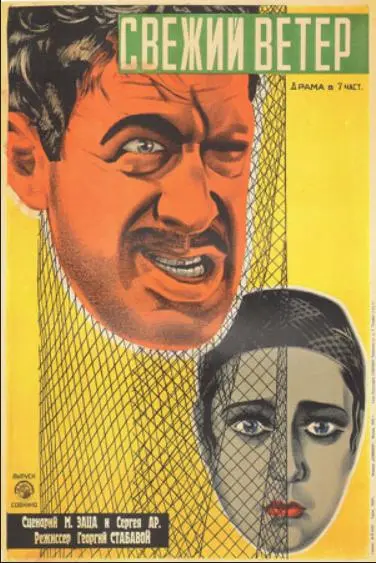
Is Svezhiy veter a forgotten classic deserving of rediscovery, or merely a historical curiosity? Short answer: it's a fascinating, if sometimes didactic, window into a pivotal moment of Soviet history, absolutely worth watching for those interested in early cinema and social realism, but likely to alienate viewers seeking pure entertainment or nuanced character studies.
This film is unequivocally for students of history, silent cinema aficionados, and anyone curious about the foundational narratives of Soviet culture. It is decidedly not for those who demand complex character arcs, subtle storytelling, or escapist fare. Its purpose is clear, its message direct.
A Glimpse into the NEP Era: Thematic Core
Svezhiy veter, often translated as 'Fresh Wind,' blows directly into the tumultuous period of the New Economic Policy (NEP) in the Soviet Union. This brief, complex phase, initiated by Lenin, allowed for a limited return to private enterprise and market mechanisms after the severe War Communism. The film brilliantly – and at times, heavy-handedly – illustrates the ideological friction inherent in such a policy.
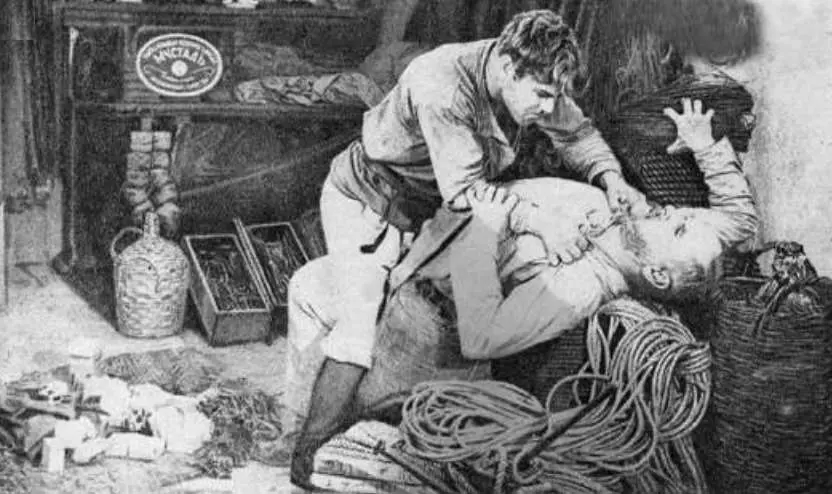
The plot, simple yet potent, centers on the Pomory fishermen, a community whose very existence is tied to the harsh northern seas. Their struggle is not just against nature, but against the human element of exploitation. A private trader, a figure embodying the capitalist 'disease' that NEP briefly permitted, becomes their antagonist, buying their hard-won catch for pennies.
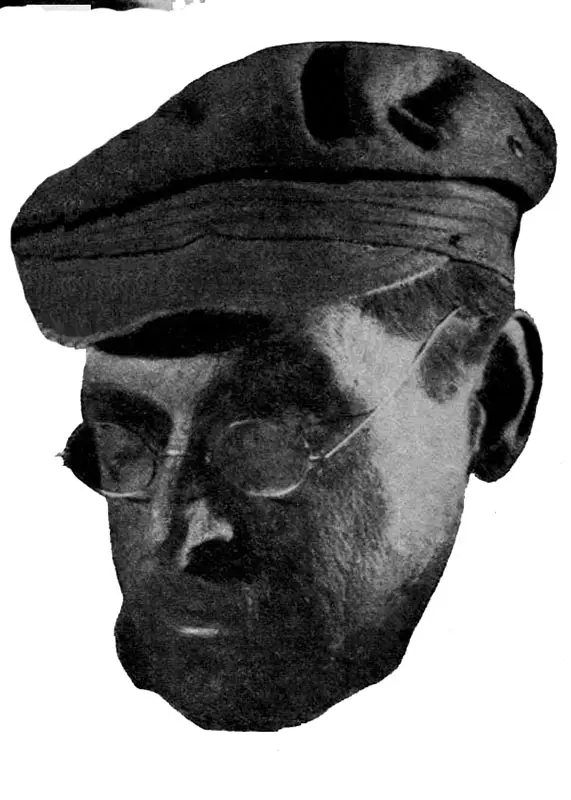
Scene from Svezhiy veter
Cinematic perspective: Exploring the visual vocabulary of Svezhiy veter (1927) through its definitive frames.
This conflict, while overtly political, taps into universal themes of fairness, collective action, and the battle against economic oppression. The film serves as a cinematic sermon, advocating for the nascent socialist ideals over the perceived corrupting influence of individual greed. It’s a battle of wills, but more importantly, a battle of ideologies played out in the unforgiving landscape of the Russian North.
Why Svezhiy veter Works and Where It Stumbles
This film works because: It offers an unparalleled, raw historical document of early Soviet life and propaganda, captured with striking, often beautiful, silent-era cinematography that grounds its ideological struggle in tangible, human terms.
This film fails because: Its unwavering didacticism and one-dimensional portrayal of the antagonist occasionally overshadow genuine human drama, reducing complex social dynamics to simplistic good-versus-evil narratives.
You should watch it if: You are a cinephile fascinated by silent-era techniques, a historian interested in Soviet social realism, or someone who appreciates films that prioritize ideological messaging and atmosphere over subtle character development.
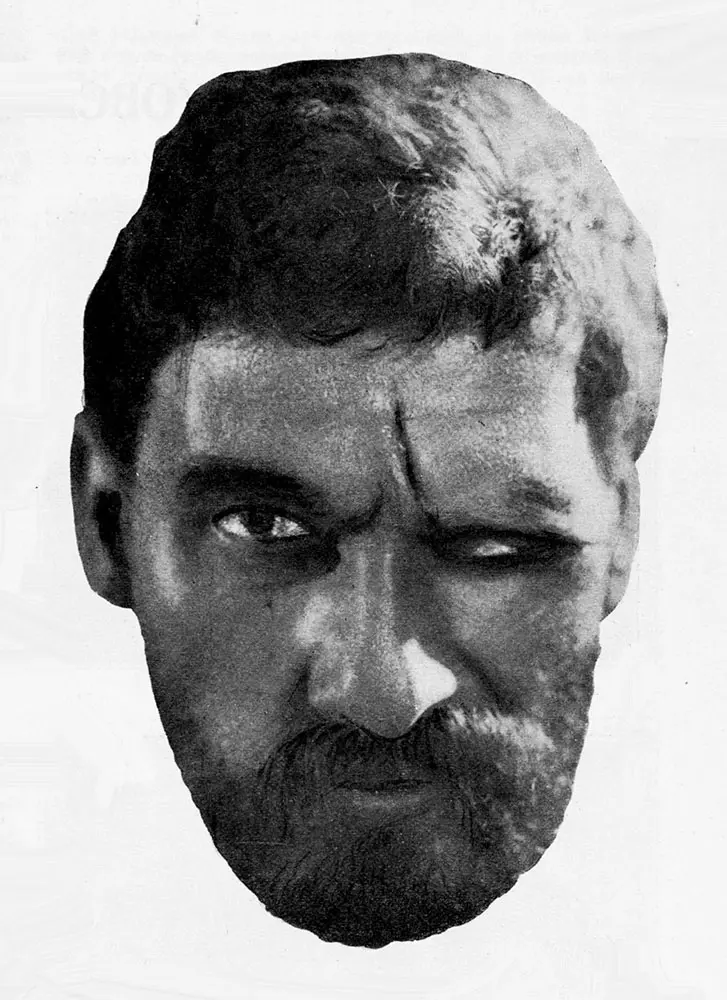
Scene from Svezhiy veter
Cinematic perspective: Exploring the visual vocabulary of Svezhiy veter (1927) through its definitive frames.
Direction and Cinematography: A Harsh Beauty
The directorial hand, shared by Moisei Zats and S. Ar (though Ar's involvement is often less documented), demonstrates a clear vision, even if that vision is deeply rooted in ideological expression. The film is less about individual artistry and more about collective message, a hallmark of much early Soviet cinema. Yet, moments of genuine cinematic power emerge.
The cinematography, particularly the exterior shots of the Pomory region, is arguably the film's strongest asset. There’s a stark, almost documentary-like quality to the depiction of the fishing community. Wide shots of the sea, the rugged coastline, and the fishermen's arduous labor convey an authentic sense of place and struggle.
One memorable sequence involves the fishermen battling a storm at sea. The raw, unvarnished depiction of their small boats against towering waves, even without modern effects, communicates a visceral sense of danger and perseverance. This sequence, captured with a blend of long shots and more intimate close-ups of strained faces, elevates the film beyond mere propaganda, lending it a touch of epic realism. It reminds me of the raw power seen in some sequences of early European realist cinema, like certain moments in Crainquebille (1922), though with a distinctly different ideological lens.
However, the interior scenes often suffer from the limitations of the era's lighting and set design, sometimes feeling static and stagey. The contrast between the expansive, dynamic outdoors and the confined, often less imaginative interiors is noticeable, creating an uneven visual rhythm.
Scene from Svezhiy veter
Cinematic perspective: Exploring the visual vocabulary of Svezhiy veter (1927) through its definitive frames.
Performances: Archetypes of the Era
The cast, featuring names like Teodor Brainin, Aleksandr Chuverov, and Ivan Sizov, delivers performances that are largely in keeping with the silent film tradition: expressive, often theatrical, and designed to convey emotion and character through gesture and facial expression rather than spoken dialogue. Given the film's overt political agenda, many characters function more as archetypes than fully fleshed-out individuals.
Teodor Brainin, as one of the lead fishermen, embodies the steadfast, hardworking collective spirit. His performance, while lacking modern subtlety, effectively communicates the quiet dignity and simmering frustration of the exploited worker. His eyes, in particular, often convey a world of unspoken hardship and resolve.
Conversely, the private trader character is almost comically villainous. His gestures are exaggerated, his expressions avaricious, leaving no doubt as to his moral standing. While this serves the film's clear ideological purpose – to paint private enterprise as inherently exploitative – it does sacrifice nuance. We learn nothing of his motivations beyond greed, making him a caricature rather than a complex antagonist. This black-and-white portrayal is a significant failing if one expects psychological depth, but entirely understandable within the context of early Soviet agitprop cinema.
The ensemble work, particularly among the fishermen, is commendable. There's a tangible sense of camaraderie and shared struggle that grounds the film's message in human relationships. The scenes of community meetings, where grievances are aired and collective action planned, feel genuinely collaborative, even if their ultimate resolution is predetermined by the film's political leanings.
Scene from Svezhiy veter
Cinematic perspective: Exploring the visual vocabulary of Svezhiy veter (1927) through its definitive frames.
Pacing and Tone: A Deliberate March
The pacing of Svezhiy veter is deliberate, almost methodical. It builds its narrative brick by brick, allowing scenes to unfold at a measured pace. This can feel slow by contemporary standards, especially for viewers unaccustomed to silent film conventions. However, this measured tempo also allows for a deeper immersion into the rhythms of the Pomory community's life and work. The long takes of fishermen mending nets or hauling in their catch, for instance, are not merely exposition; they are textural elements that convey the arduous reality of their existence.
The tone is consistently serious, earnest, and deeply committed to its socio-political message. There's little room for levity or personal diversions. Every scene, every interaction, serves to advance the central conflict between the exploited collective and the exploitative individual. This unwavering focus gives the film a powerful, almost relentless drive, but it also contributes to its occasionally heavy-handed feel. It’s a historical document. Not a simple story.
The film’s tone shifts perceptibly in its final act, moving from simmering discontent to an explicit call for solidarity and organized resistance. The transition, while perhaps abrupt to a modern viewer, would have been entirely expected and celebrated by its original audience, who understood the film's function as a tool for political education and mobilization.
Is This Film Worth Watching?
Absolutely, but with significant caveats. Svezhiy veter is not a casual watch. It demands patience and an appreciation for its historical and artistic context. For those willing to engage with it on its own terms, it offers a rich, if ideologically charged, experience.
Scene from Svezhiy veter
Cinematic perspective: Exploring the visual vocabulary of Svezhiy veter (1927) through its definitive frames.
It's a crucial piece of early Soviet cinematic history, illustrating the immediate aftermath of the revolution as it grappled with economic policy. The film serves as a primary source, showing how the new regime attempted to shape public consciousness and navigate the ideological challenges of the NEP.
The power of its visual storytelling, especially in the outdoor sequences, transcends its propaganda elements. It’s a testament to the universal language of cinema, even when employed for specific political ends. You might not agree with its message, but you can certainly appreciate the craft and the historical significance.
However, if you're looking for a film that prioritizes entertainment, escapism, or complex, morally ambiguous characters, this is not it. The film's didactic nature can be off-putting for those unfamiliar with or disinclined towards overt political messaging in art.
Unconventional Observations
One surprising observation for me was how, despite its staunch anti-capitalist stance, the film inadvertently highlights the enduring human instinct for individual gain. The very existence of the private trader, and the initial willingness of some to deal with him, speaks to a deeply ingrained human desire for agency and profit, even within a system striving for collectivism. It suggests that even a 'fresh wind' of ideology can't completely erase older currents of human nature.
Furthermore, the film's portrayal of the Pomory community's struggle, while framed as a triumph of collective spirit, also subtly underscores the immense difficulty of achieving true economic equality in practice. The fishermen's plight is not just against an external exploiter, but also against the structural vulnerabilities that allowed such exploitation to flourish under NEP. It works. But it’s flawed.
Pros and Cons
Pros:
Historical Significance: An invaluable artifact for understanding early Soviet cinema and the NEP era.
Stunning Outdoor Cinematography: The depiction of the Pomory region and the sea is often breathtaking and genuinely artistic.
Authentic Portrayal of Labor: The film captures the arduous nature of fishing with a raw, documentary-like honesty.
Powerful Thematic Clarity: Its message, while direct, is delivered with conviction and emotional weight.
Strong Ensemble Acting: The collective performances of the fishermen convey a believable sense of community.
Cons:
Overt Didacticism: The film's propaganda message can feel heavy-handed and simplistic.
One-Dimensional Antagonist: The private trader is a caricature, lacking any psychological depth.
Slow Pacing: May test the patience of viewers accustomed to modern narrative speeds.
Limited Character Nuance: Most characters serve an ideological function rather than being fully explored individuals.
Uneven Visuals: Interior scenes often lack the dynamism and visual interest of the outdoor shots.
Key Takeaways
Best for: Historians, silent film enthusiasts, and those interested in political cinema.
Not for: Viewers seeking pure entertainment, complex narratives, or subtle character studies.
Standout element: The raw, majestic cinematography of the Pomory region and its fishing life.
Biggest flaw: Its relentless ideological messaging often sacrifices narrative and character depth.
Verdict
Svezhiy veter is more than just a film; it is a time capsule, a powerful piece of social commentary, and an essential document of early Soviet cinema. While its didacticism and simplistic characterizations might feel dated to a contemporary audience, its raw authenticity, stunning location cinematography, and unwavering commitment to its message ensure its enduring relevance.
It’s a challenging watch, certainly, but a rewarding one for those who approach it with an open mind and an appreciation for its historical context. It offers not just a story, but a window into the ideological battles that shaped a nation. It's a film that demands to be seen, discussed, and understood, even if it doesn't always entertain in the conventional sense. A truly unique cinematic experience, highly recommended for the historically curious and silent film devotee.