United States
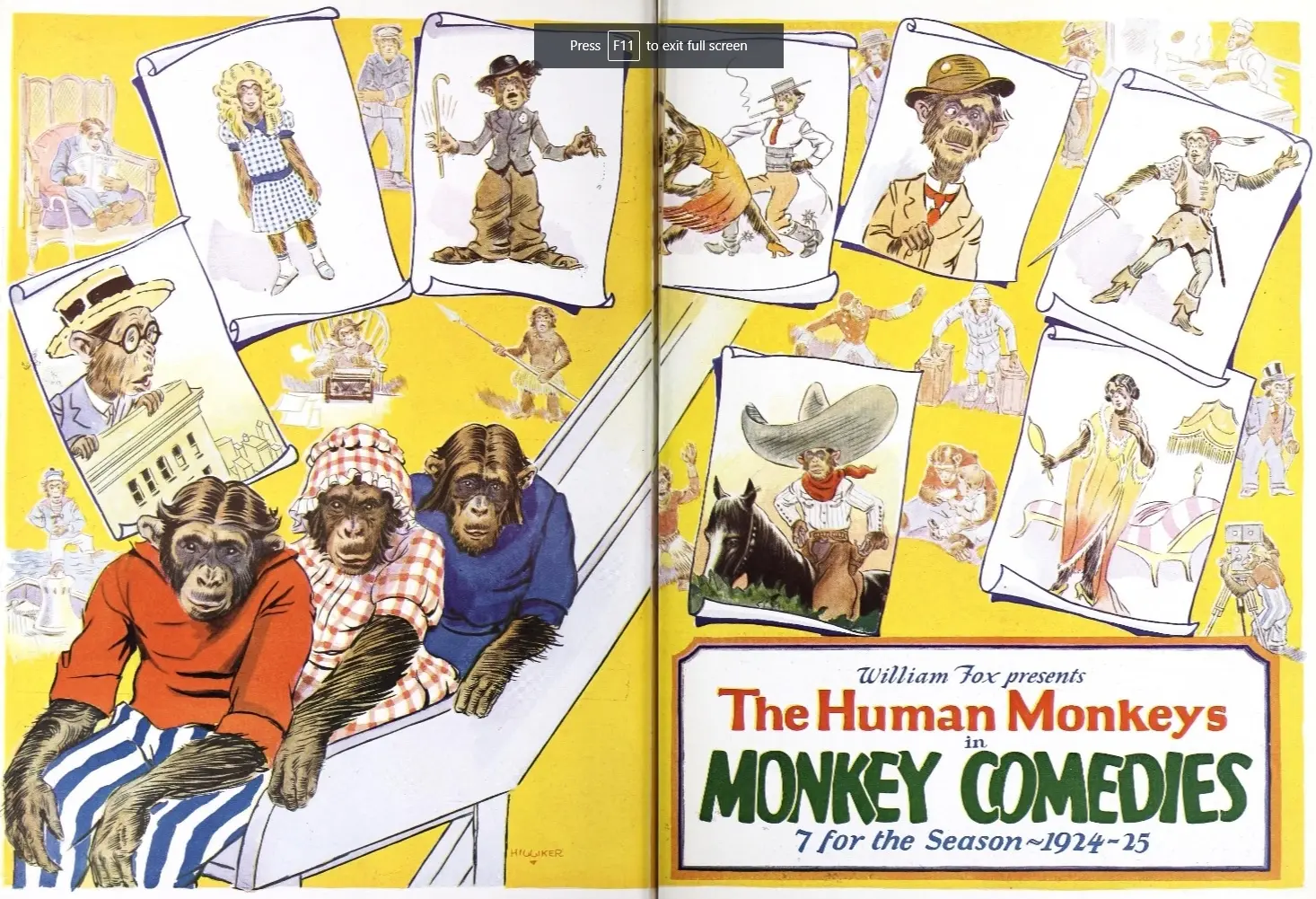
In the vast, often overlooked tapestry of early cinema, there occasionally emerges a work so peculiar, so utterly singular, that it defies easy categorization. Lewis Seiler's 1923 marvel, "The Monkey Romeo", is precisely such a film. While its premise might, at first glance, appear an exercise in whimsica...

behind_the_scenes
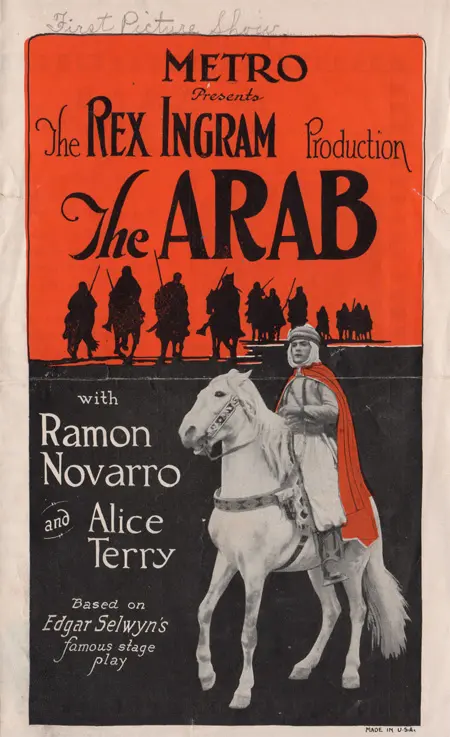

Comparing the cinematic DNA and archive impact of two defining moments in cult history.
Lewis Seiler

Unknown Director
Community
Log in to comment.
" In the vast, often overlooked tapestry of early cinema, there occasionally emerges a work so peculiar, so utterly singular, that it defies easy categorization. Lewis Seiler's 1923 marvel, "The Monkey Romeo", is precisely such a film. While its premise might, at first glance, appear an exercise in whimsical novelty, beneath the surface lies a surprisingly profound exploration of love, freedom, and the intricate, often fraught, relationship between humanity and the natural world. Thi..."
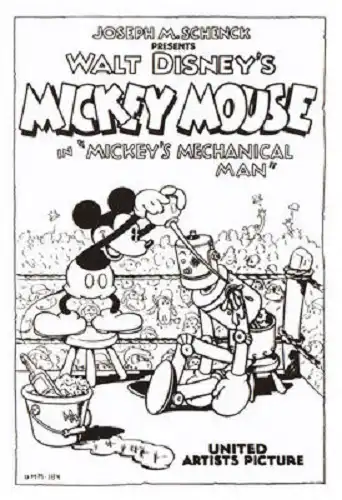

Deep dive into the cult classic
Discover similar cinematic experiences
A Directorial Spotlight on Lewis Seiler