DbcultAccessing Vault...
5/10
Senior Film Conservator
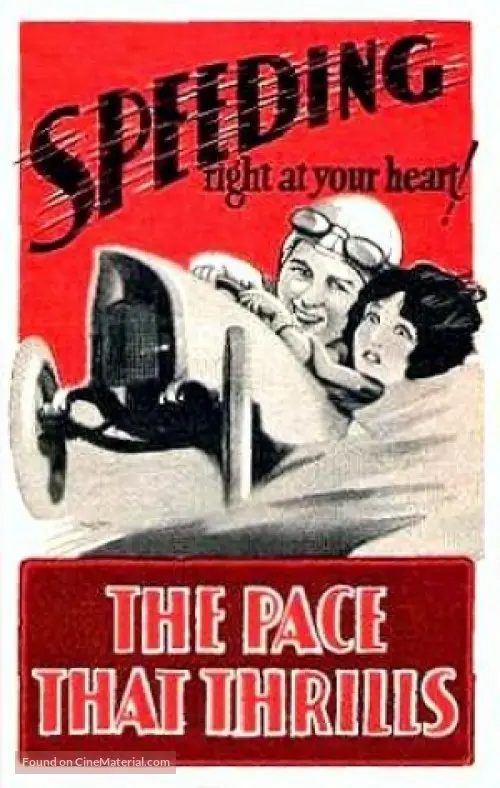
A definitive 5/10 rating for a film that redefined the boundaries of cult cinema. The Pace That Thrills remains a cornerstone of transgressive art.
In the pantheon of 1920s cinema, few titles encapsulate the era's obsession with the collision of high-speed modernity and Victorian melodrama quite like The Pace That Thrills. Released in 1925, this First National production serves as a fascinating specimen of the silent era's narrative dexterity, blending the grit of a domestic tragedy with the adrenaline-fueled spectacle of the burgeoning automobile culture. It is a film that demands we look past its flickering frames to understand the profound anxieties regarding class, justice, and the performative nature of masculinity.
The film opens with a sequence that feels startlingly contemporary in its depiction of domestic volatility. Fritzi Brunette delivers a performance of haunting vulnerability as Paula, a chorus girl who has ascended—or perhaps descended—into the upper echelons of society through marriage to a profligate aristocrat. The narrative doesn't shy away from the toxicity of this union. When her husband, played with a terrifyingly plausible instability by Warner Richmond, threatens their infant son during a drunken stupor, the ensuing struggle is not one of calculated malice, but of frantic survival. The tragedy of Paula is not merely the accidental death of her husband, but the systemic failure that follows. In a manner that echoes the social critiques found in The Italian, the law is depicted as a blunt instrument, incapable of discerning nuance, sentencing her to a life behind bars based on the flimsy scaffolding of circumstantial evidence.
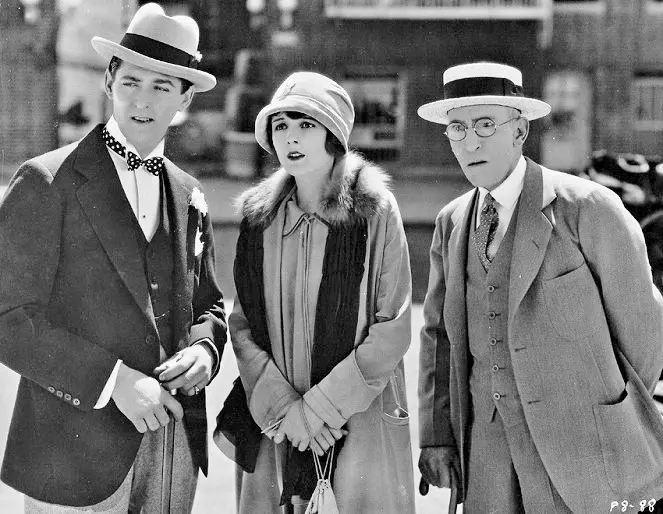
This initial act sets a somber tone, one that contrasts sharply with the second half of the film. The transition from the claustrophobic confines of the prison to the glitz of Hollywood is handled with a sophisticated editorial rhythm. We see Danny, the infant now grown into the dashing Ben Lyon, navigating the artifice of the silver screen. Lyon’s Danny is a man living a double life: a matinee idol to the masses, but a desperate, grieving son in private. Every paycheck is funneled into a legal crusade to exonerate his mother, a detail that adds a layer of tragic irony to his professional success.
The crux of the film’s tension lies in Danny’s refusal to engage in the very stunts that his audience craves. Because his life is the only collateral he has to trade for his mother’s freedom, he becomes risk-averse to a fault. This psychological complexity is where the screenplay by Ray Harris, John W. Krafft, and Byron Morgan truly shines. In an era where the leading man was expected to be a fearless swashbuckler—think of the athletic prowess displayed in The Wildcat—Danny’s caution is misinterpreted as cowardice. The newspapers, those arbiters of public morality, turn against him with a ferocity that feels uncomfortably relevant to our modern age of social media cancellations.
The film masterfully explores the weight of public perception. Unlike the escapist fantasy of Dorothy Vernon of Haddon Hall, The Pace That Thrills anchors its stakes in the visceral reality of reputation. Danny is caught in a pincer movement between his filial duty and his professional survival. Mary Astor, appearing here in the radiant early years of her career, provides the necessary emotional counterpoint as the love interest who must reconcile her feelings for Danny with the whispers of the crowd. Her presence on screen is a reminder of why she became a mainstay of the era, possessing a gravitas that elevates the more conventional romantic subplots.
Everything in the narrative builds toward the climactic automobile race. It is here that the film earns its title. The cinematography during these sequences is nothing short of revolutionary for 1925. The camera, often mounted on moving vehicles, captures the rattling, bone-shaking intensity of early 20th-century racing. There is a raw, unvarnished quality to these shots that puts the viewer in the driver’s seat. While films like The Unholy Three used camera tricks to create atmosphere, The Pace That Thrills relies on the terrifying reality of physics.
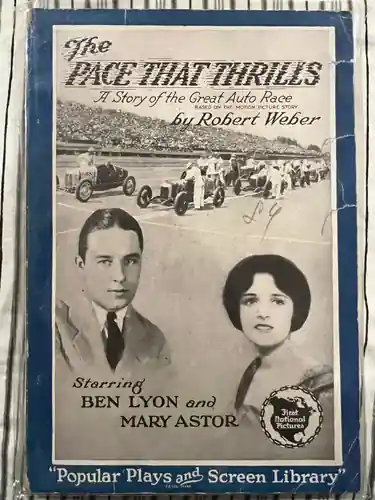
Danny’s decision to race is portrayed not as a sudden burst of bravado, but as a calculated sacrifice. He is finally willing to risk the very thing he has spent years protecting. This thematic resonance is what separates the film from mere B-movie fodder. When he loses the race, it is a subversion of the typical Hollywood ending. In most films of the period, the hero wins the trophy and the girl. Here, Danny loses the race but wins his soul. He proves his manhood not through victory, but through the willingness to face the possibility of defeat and death. This nuanced take on courage reminds me of the psychological depth found in Gefangene Seele, where the internal struggle is far more significant than the external outcome.
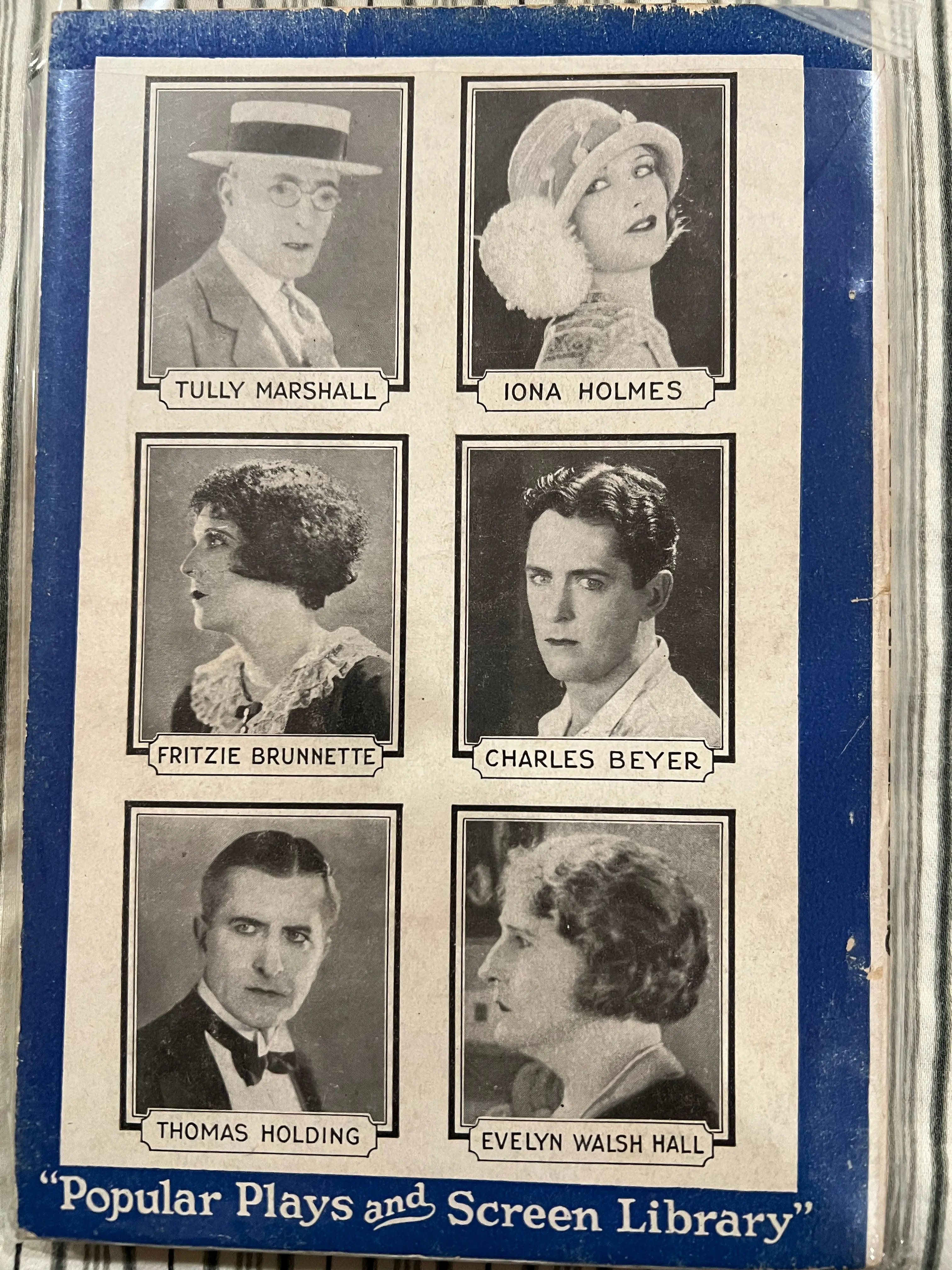
The supporting cast deserves significant praise for grounding the film's more melodramatic impulses. Tully Marshall, a veteran of the silent screen who would later appear in classics like The Cat and the Canary, brings a seasoned presence to the proceedings. The interplay between the veteran actors and the rising stars like Lyon and Astor creates a dynamic energy that propels the story forward, even during its more contemplative moments. The pacing of the film—ironically enough—is impeccable. It avoids the lethargy that often plagues silent dramas of this length, maintaining a sense of urgency that mirrors the revving engines of Danny’s race car.
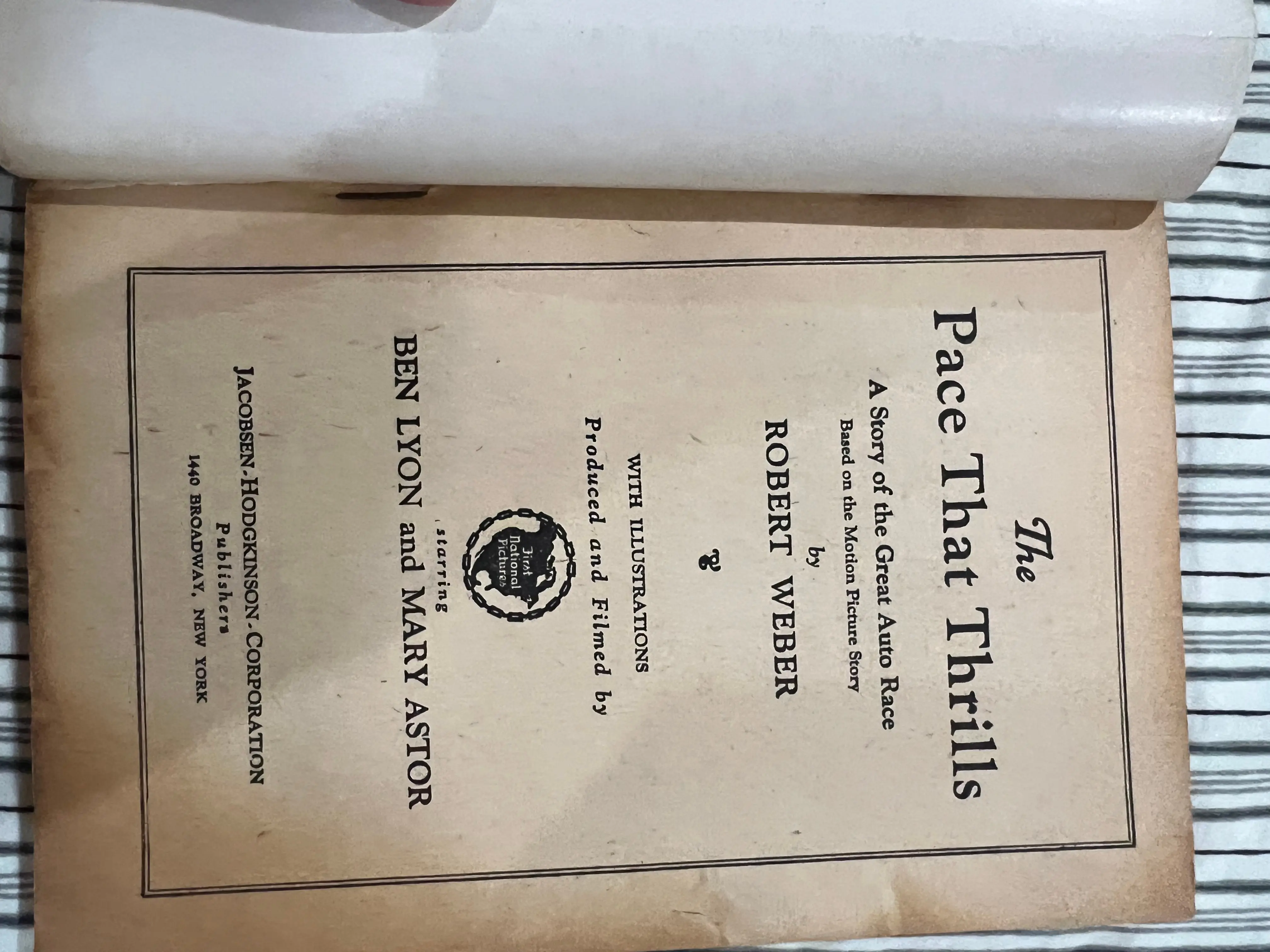
In comparing this work to other contemporary titles, one might look at The Courageous Coward. While both films deal with the reclamation of honor, The Pace That Thrills feels more grounded in the specific anxieties of the Jazz Age. It touches upon the burgeoning power of the media and the fragility of the American Dream, themes that were also explored in a different context in Black Oxen. There is a sense that the world is moving too fast for the old moralities to keep up, and the automobile becomes the perfect metaphor for this runaway progress.
The final scenes, depicting Paula’s release from prison, are handled with a restraint that is rare for the era. There are no over-the-top histrionics; instead, we are given a quiet, poignant reunion that emphasizes the toll the years have taken. The film understands that while the law can release a body, it cannot restore the lost years. This bittersweet ending provides a level of emotional maturity that lingers long after the credits roll. It is a testament to the vision of writers like Byron Morgan, who specialized in stories that combined technical fascination with human heart.
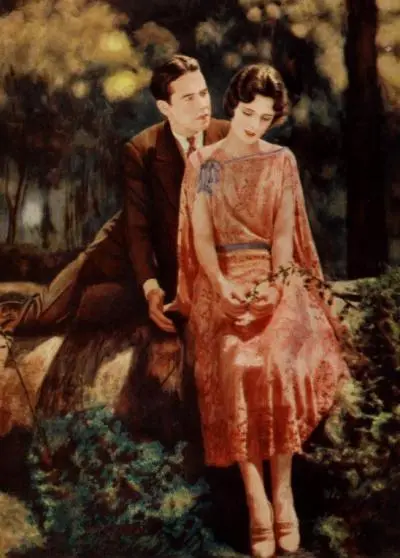
Visually, the film is a masterclass in the use of light and shadow. The prison sequences are drenched in a chiaroscuro that emphasizes Paula’s isolation, while the racing scenes are blown out with the harsh, unforgiving light of the California sun. This visual dichotomy reinforces the film’s central conflict between the past (the dark secret of the prison) and the present (the high-velocity world of fame). The costume design, particularly for Mary Astor and Fritzi Brunette, serves as a subtle indicator of their social standing and emotional states, moving from the flamboyant feathers of the chorus line to the somber, muted tones of the courtroom and the prison.
For those who dismiss silent cinema as a primitive precursor to "real" filmmaking, The Pace That Thrills is a formidable rebuttal. It possesses a narrative complexity and a technical ambition that many modern blockbusters lack. It doesn't just tell a story; it captures a moment in time when the world was changing at a breakneck speed, and the individuals within it were doing their best to keep up without losing their humanity. Whether you are a fan of vintage racing, a student of cinematic history, or simply someone who appreciates a well-told story of redemption, this film remains an essential watch.
In the broader context of 1925, a year that gave us masterpieces like The Big Parade and The Gold Rush, The Pace That Thrills holds its own as a quintessential example of the "thrill drama." It may not have the philosophical weight of a Murnau film, but it has a kinetic energy and a sincerity that are undeniably infectious. It reminds us that even in the silent era, the most powerful sounds were the ones made by the human heart—and the occasional roar of a 120-horsepower engine.
For more explorations of silent era gems, check out our reviews of Always in the Way and the forgotten classic Erlebnisse einer Sekretärin.
IMDb 7.1
1936
Community
Log in to comment.