DbcultAccessing Vault...
Cult Review
Senior Film Conservator
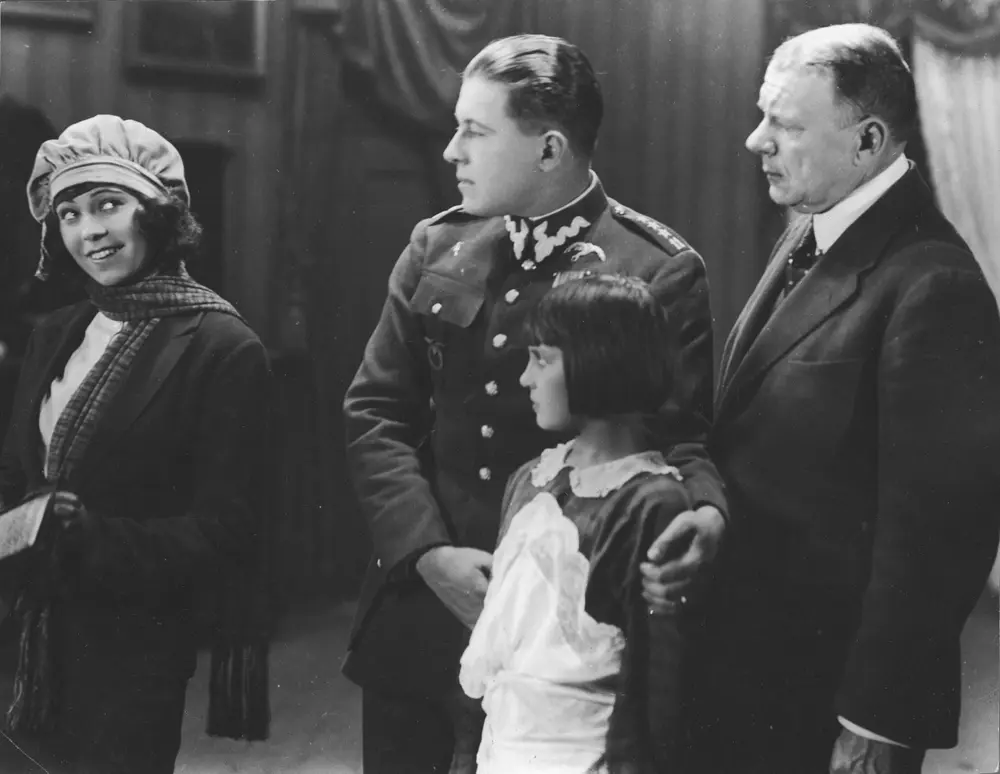
Is Orlę (Eaglet) worth your time a century after its release? Short answer: Only for the cinematic archeologist; it is a fascinating but dusty relic that lacks the punch of its German Expressionist contemporaries.
This film is strictly for historians of Polish cinema or those obsessed with the Janosik legend. It is definitely not for anyone expecting a high-octane adventure or the visual clarity of modern restoration.
1) This film works because it captures the genuine, unpolished atmosphere of the Polish countryside before the total modernization of the industry.
2) This film fails because its narrative structure is frequently interrupted by technical limitations that even for 1922 feel somewhat regressive.
3) You should watch it if you want to see how early European directors attempted to blend the occult with nationalistic myths.
At the heart of Eaglet lies a dynamic that feels surprisingly modern in its cynicism. Oktawian Kaczanowski’s portrayal of the doctor is not one of a healer, but of a scavenger. He represents a specific post-war anxiety: the fear of the educated elite exploiting the 'pure' folk traditions for material gain. When he places the village girl into a trance, the camera lingers on her face with an intensity that borders on the voyeuristic. It is a moment of psychological violation captured in grain and shadow.
Compare this to the more straightforward heroics found in Hands Up. While Western silents were often focused on the external chase, Biegański attempts to turn the camera inward. He wants to find the treasure through the mind, not through the gun. This shift in focus is what keeps Eaglet from being a standard adventure flick. It is, instead, a slow-burn study of greed.
Janosik is to Poland what Robin Hood is to England, but in Eaglet, he is an absence. He is a ghost, a hoard of gold, a memory that refuses to stay buried. The film uses this cultural weight to ground its more experimental spiritualist elements. By invoking Janosik, Biegański taps into a national consciousness that was still being rebuilt in 1922. The treasure isn't just gold; it's the heritage of a nation that had been partitioned for over a century.
However, the film struggles to maintain this thematic gravity. The pacing is like a horse-drawn carriage with a broken wheel. Just as the tension begins to mount during a séance, the film often pivots to static, theatrical wide shots that sap the energy from the room. It is a common flaw in early Polish cinema, which often struggled to break free from the constraints of stage acting. It lacks the fluid, criminal energy found in Söhne der Nacht, 1. Teil: Die Verbrecher-GmbH, which was released only a few years prior.
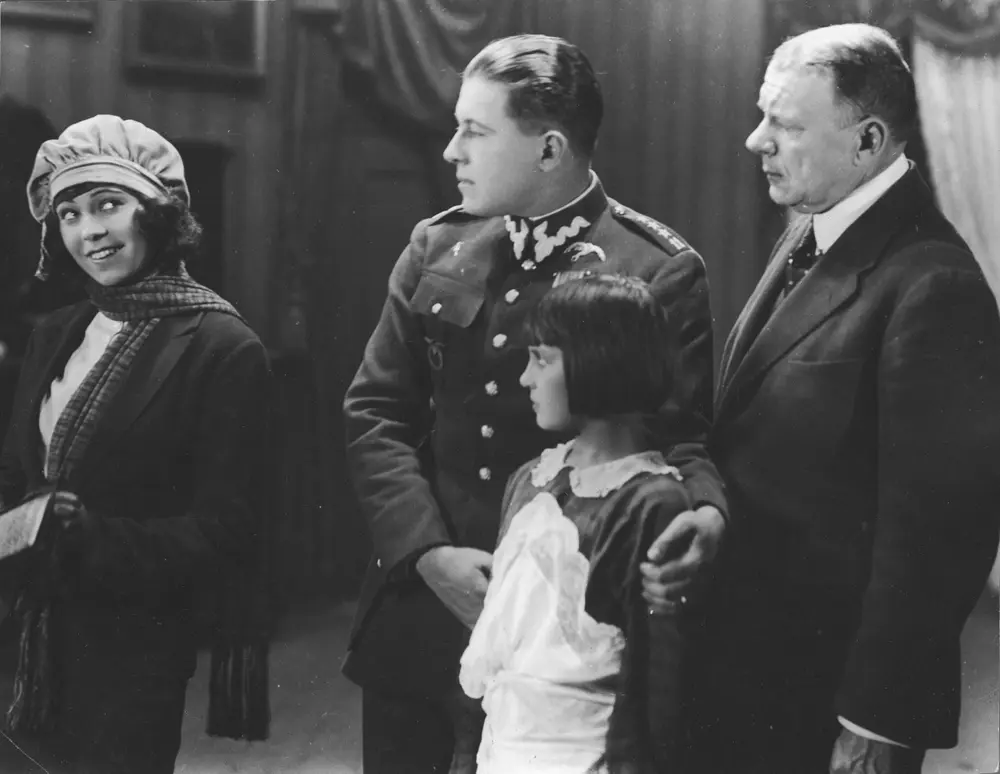
Visually, the film is a mixed bag. There are moments where the natural lighting of the village scenes creates a stark, beautiful realism. You can almost smell the damp earth and the old wood. But then, the interior scenes often feel cramped and poorly lit, even by the standards of the day. The cinematography doesn't have the sweeping, epic feel of God's Country and the Law, which managed to make the landscape a character in its own right.
The editing is equally erratic. Transitions between the doctor’s laboratory and the village huts are often jarring. It feels like two different movies stitched together—one a scientific thriller, the other a folk tragedy. This lack of cohesion is the film’s greatest enemy. It prevents the viewer from ever fully sinking into the atmosphere. It is disjointed. It is frustrating.
Does 'Eaglet' offer a rewarding experience for a modern audience?
No, not in the traditional sense of entertainment. The film is a difficult watch due to its slow pacing and the degraded state of many surviving prints. It serves better as a primary source for students of 1920s European culture than as a weekend movie choice. If you are looking for a story that moves, look elsewhere. If you are looking for a story that haunts through its historical context, it might satisfy.
The film’s greatest strength is its willingness to be weird. In an era where many films were playing it safe with melodrama, Eaglet leans into the uncanny. The use of a medium as a human metal detector is a fantastic, dark premise. It also provides a rare glimpse into the early career of Bolesław Orliński, whose presence adds a layer of gravitas to the proceedings.
The cons are largely technical. The film suffers from 'theatrical hangover,' where the actors move as if they are performing for the back row of a theater rather than a camera lens. Furthermore, the plot regarding Janosik’s treasure is left largely unresolved in a way that feels less like a stylistic choice and more like a failure of scriptwriting. It simply peters out.
Majdrowicz, as the village girl, is the emotional anchor of the film. While the men around her are driven by greed or scientific curiosity, she is the only one who seems to suffer the consequences. Her performance in the trance scenes is genuinely unsettling. She manages to convey a sense of 'absence'—as if her soul has left the room to wander the mountains in search of the gold. It is a subtle performance in a film that is otherwise very loud in its gestures.
Her role reminds me of the vulnerability seen in Northern Lights, where the environment and the men within it conspire against the female lead. In Eaglet, the mountain isn't the enemy; the 'civilized' man is. This reversal of the typical 'man vs. nature' trope is one of the few areas where the film feels truly ahead of its time.
When you look at other films from the same period, like the biographical Bismarck, you see a much more polished approach to history and legend. Eaglet is rougher, dirtier, and more experimental. It doesn't have the budget or the technical finesse of the German or American giants, but it has a specific, regional soul that is hard to find elsewhere. It is a film about the Polish earth, even if it doesn't always know how to film it.
Eaglet is a broken compass. It points toward a fascinating intersection of science, greed, and myth, but it never quite leads the viewer to the treasure. It is a historical curiosity that deserves preservation, but it is far from a hidden masterpiece. The gold stays buried. The medium stays broken. The audience stays slightly confused. It works as a document, but fails as a drama. Watch it for the history, but keep your expectations in the dirt.

IMDb 6.2
1925
Community
Log in to comment.