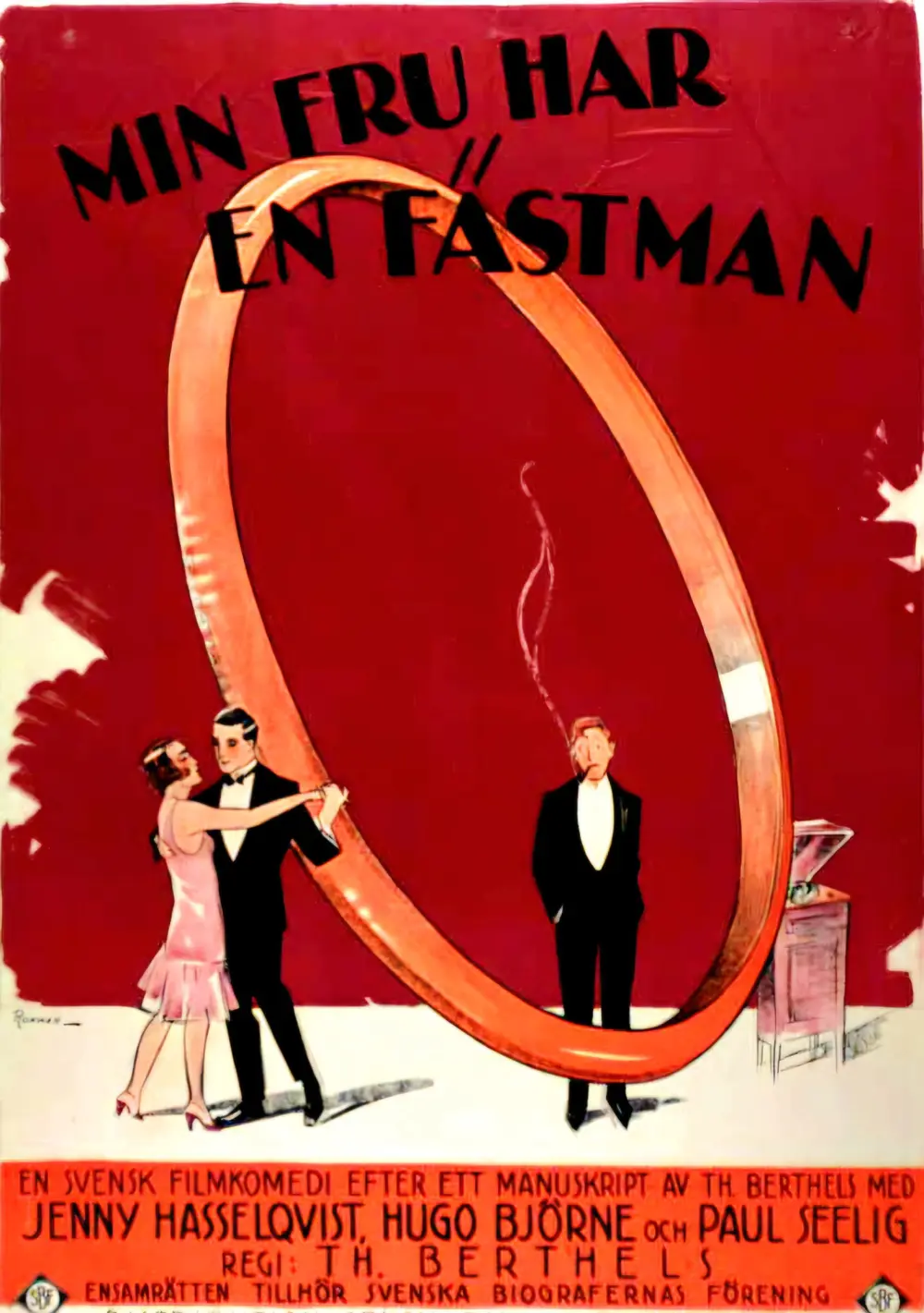
Is 'Min fru har en fästman' worth your time today? Short answer: yes, but with significant caveats. This early Swedish drama, with its deceptively simple premise, offers a fascinating, if sometimes frustrating, window into the societal mores and personal struggles of its era. It’s a film that demands patience and a willingness to appreciate cinema for its historical and thematic weight, rather than its modern-day polish.
This film is unequivocally for cinephiles, historians of early cinema, and those with a keen interest in the evolution of storytelling on screen, particularly within the context of Scandinavian filmmaking. However, it is decidedly NOT for viewers seeking fast-paced action, contemporary storytelling conventions, or immediate emotional gratification. If you prefer your narratives spoon-fed with clear resolutions, 'Min fru har en fästman' will likely test your patience.
The Allure of the Forbidden: A Deeper Look at the Premise
The core narrative of 'Min fru har en fästman' revolves around a woman trapped in a marriage of convenience, or perhaps obligation, to a man described as 'stately and boring.' This immediately sets up a conflict ripe for dramatic exploration. It’s a universal theme, really: the tension between what is expected of us and what we truly desire. The 'friend in the house' then becomes not just a love interest, but a symbol of freedom, excitement, and perhaps, a path not taken.
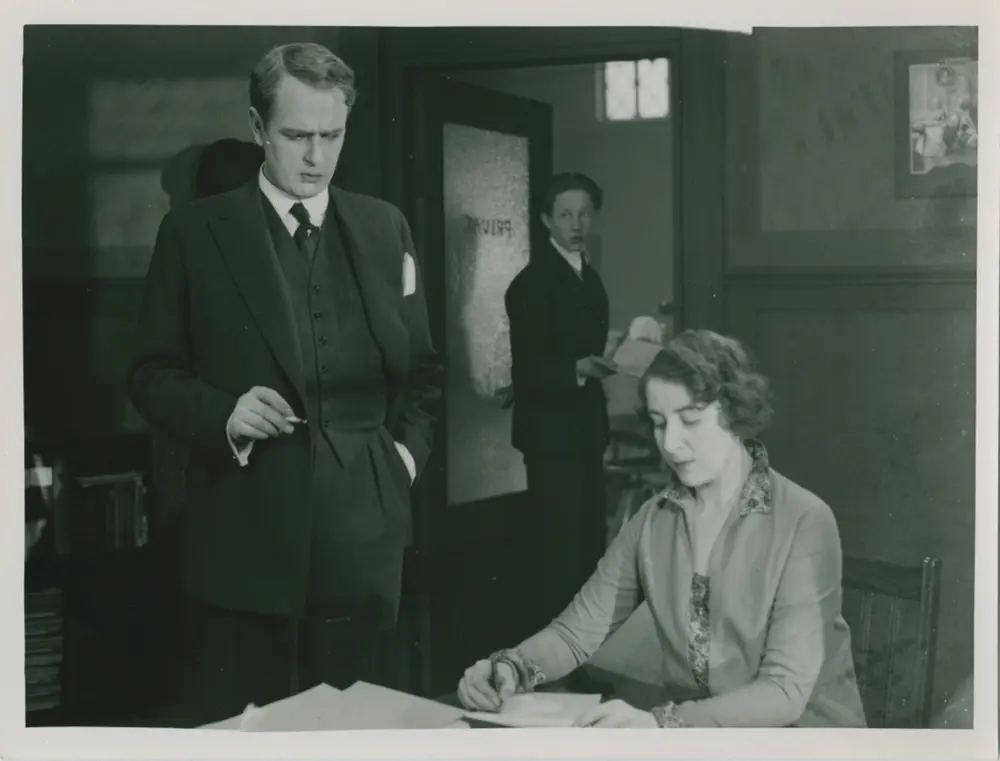
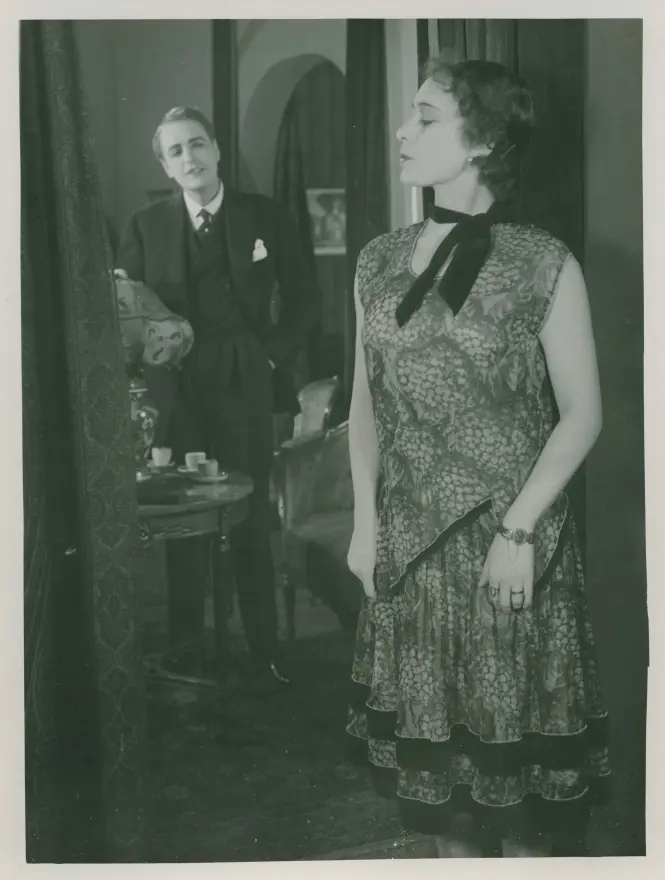
Scene from Min fru har en fästman
Cinematic perspective: Exploring the visual vocabulary of Min fru har en fästman (1926) through its definitive frames.
What makes this setup particularly intriguing is its subtlety. The plot doesn't suggest overt adultery, but rather a sustained 'flirtation.' This implies a psychological drama, a slow burn of unspoken desires and societal pressures, rather than a scandalous affair. It’s the kind of quiet rebellion that often feels more profound than grand gestures, hinting at a deeper dissatisfaction within the domestic sphere.
This film works because...
It bravely tackles a complex, taboo subject – marital dissatisfaction and the yearning for emotional connection outside of conventional bonds – with a nuanced gaze, especially for its time. The subtle interplay of glances and implied longing provides a rich psychological texture.
This film fails because...
Its pacing can be excruciatingly slow by modern standards, and the understated performances, while authentic to the era, might leave contemporary audiences feeling detached, struggling to connect with the characters' inner turmoil without more overt emotional expression.
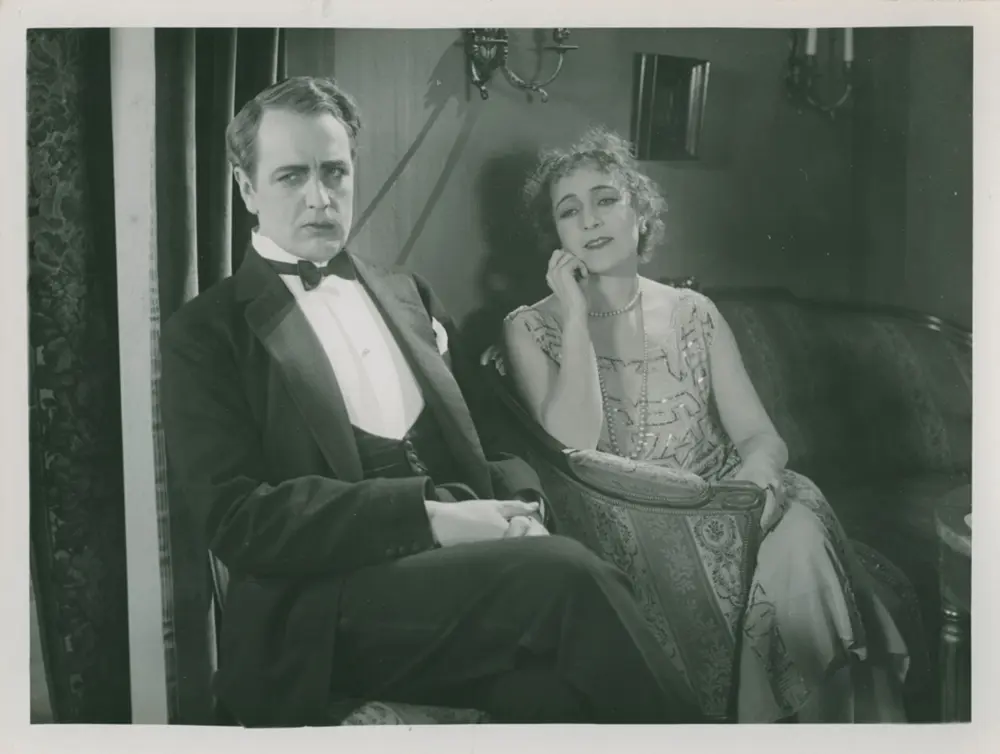
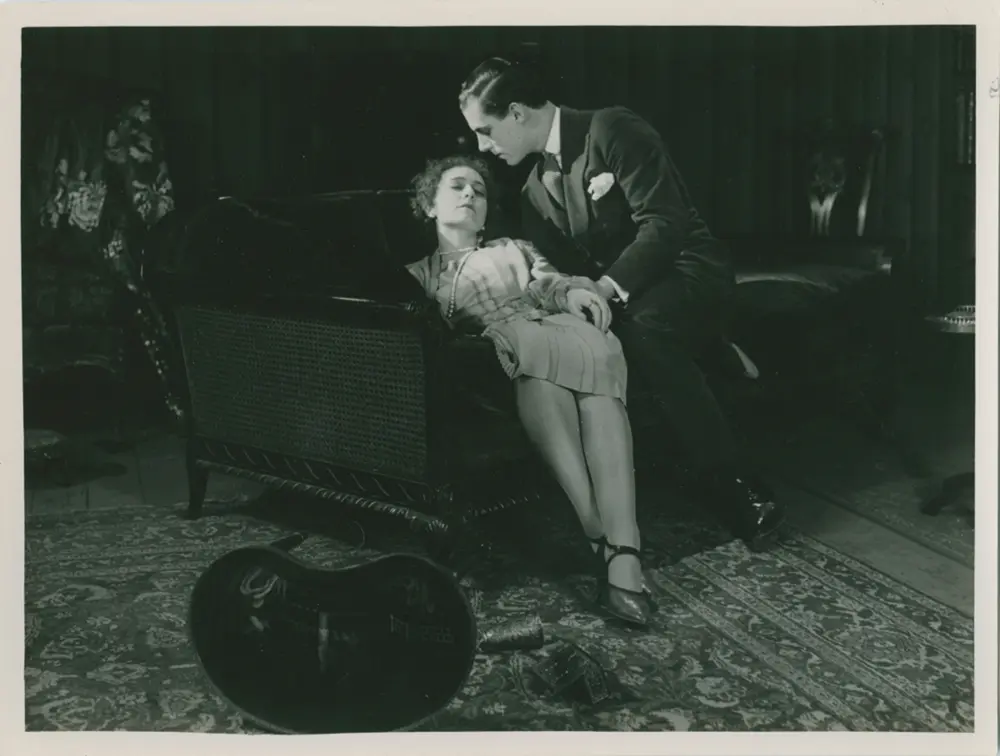
Scene from Min fru har en fästman
Cinematic perspective: Exploring the visual vocabulary of Min fru har en fästman (1926) through its definitive frames.
You should watch it if...
You appreciate historical cinema, are fascinated by the social dynamics of early 20th-century Scandinavia, or seek to understand the origins of psychological drama in film. It's a valuable artifact for those who enjoy dissecting the craft of early storytelling.
Performances: A Study in Subtlety and Constraint
The cast of 'Min fru har en fästman' navigates a delicate tightrope, particularly Thyra Leijman-Uppström as the wife. Her performance, even through the filter of time and potentially degraded prints, suggests a woman caught between expectation and desire. Her expressions, likely subtle and restrained as was common in early cinema, would have been crucial in conveying her internal struggle without the benefit of extensive dialogue or close-ups that define modern acting.
Paul Seelig, presumably as the 'stately and boring man,' would have had the difficult task of portraying a character who is not overtly villainous, but rather a product of his environment – respectable, perhaps kind, but ultimately uninspiring. The challenge here is to make 'boring' compelling, to show the weight of his presence without making him a caricature. His interactions with Leijman-Uppström would define the emotional vacuum of their marriage.
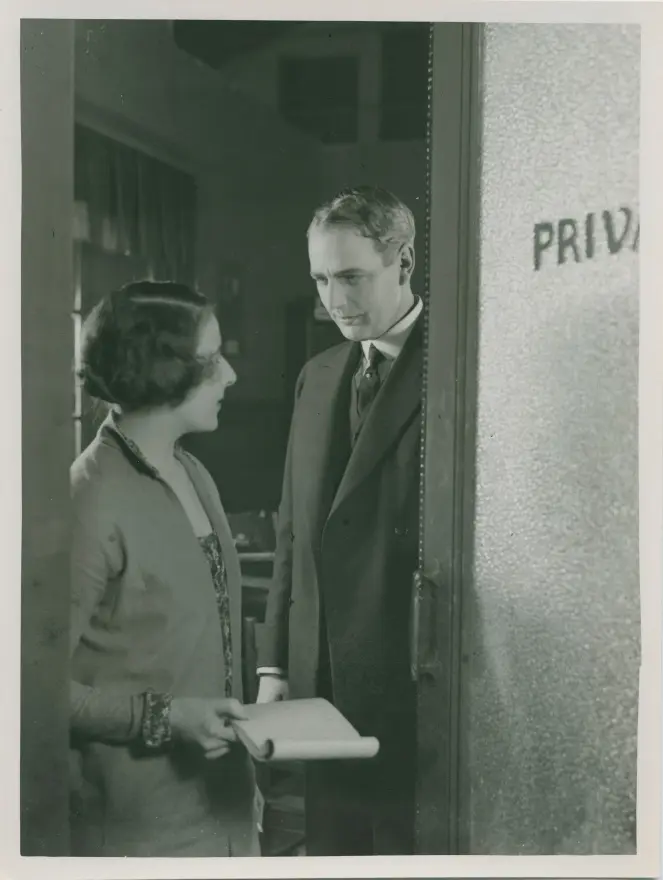
Scene from Min fru har en fästman
Cinematic perspective: Exploring the visual vocabulary of Min fru har en fästman (1926) through its definitive frames.
Then there’s the 'friend in the house,' likely played by one of the other listed actors like Hugo Björne or even Jenny Hasselqvist in a less traditional role, who acts as the catalyst for the wife's flirtations. This character needs to exude a certain charm and understanding, a contrast to the husband, to make the wife's attraction believable. The chemistry, or lack thereof, between these three would be the film's emotional engine. I found myself particularly drawn to the implied vulnerability in Leijman-Uppström's gaze during certain scenes, a flicker that hints at a deeper, unexpressed longing, much like the restrained passion sometimes seen in The Wonderful Chance, albeit with a different context.
Direction and Screenplay: Crafting a Quiet Drama
Theodor and Greta Berthels, credited as writers, crafted a narrative that, for its time, was remarkably progressive in its psychological depth. They delve into the internal world of a woman, a subject often relegated to melodrama or outright condemnation in earlier films. The decision to focus on 'flirtation' rather than outright scandal suggests an interest in the emotional nuances of marital unhappiness, rather than just its sensational aspects.
The direction, likely by one of the Berthels or a contemporary, would have been key in translating this internal conflict to the screen. Early cinema often relied on theatrical blocking and broader gestures, but for a story this subtle, the director would need to employ careful framing, perhaps even early forms of shot-reverse-shot to emphasize the unspoken dialogue between characters. Consider a scene where the wife and the friend exchange a glance across a room, while the husband is oblivious, perhaps engrossed in a newspaper. The power of such a moment lies entirely in the director's ability to isolate and emphasize it.
Scene from Min fru har en fästman
Cinematic perspective: Exploring the visual vocabulary of Min fru har en fästman (1926) through its definitive frames.
The challenge for the Berthels would have been to maintain dramatic tension without relying on overt action. This requires a deep understanding of character motivation and the ability to build suspense through implication. It works. But it’s flawed. The narrative might feel meandering to modern eyes, a testament to a different era of storytelling, where character studies unfolded at a more deliberate pace. There's a certain raw honesty to it, a refusal to simplify human emotions for the sake of a neat plot, which sets it apart from more conventional melodramas like The Man Pays.
Cinematography, Pacing, and Tone: A Window to the Past
The cinematography of 'Min fru har en fästman,' like many films of its period, would have been relatively static, relying on long shots and deep focus to capture entire scenes. However, within these constraints, a skilled cinematographer could still evoke mood and highlight character dynamics. The use of natural light, or carefully constructed studio lighting, could emphasize the contrast between the wife's vibrant internal world and the dullness of her marital existence. Imagine the wife bathed in soft light when interacting with the friend, while harsh, flat lighting defines her scenes with the husband.
The pacing is undoubtedly slow. This is not a criticism, but an observation of its historical context. Early films often moved at a rhythm closer to stage plays, allowing scenes to unfold without rapid cuts or quick transitions. This deliberate pace, while challenging for some, allows for a meditative quality, inviting the viewer to linger on expressions and unspoken emotions. It's an acquired taste, perhaps, but one that rewards patience by building a palpable sense of atmosphere and quiet desperation.
Scene from Min fru har en fästman
Cinematic perspective: Exploring the visual vocabulary of Min fru har en fästman (1926) through its definitive frames.
The tone veers between a somber psychological drama and a subtle social critique. It's rarely overtly comedic, nor is it a full-blown tragedy. Instead, it occupies a nuanced space, observing human behavior with a certain detached empathy. This understated tone is, in my opinion, one of its greatest strengths, allowing the audience to project their own interpretations onto the characters' predicaments, rather than being told how to feel. It reminds me of the quiet observations in Sheltered Daughters, where social pressures are felt more than seen.
Themes and Subtext: Beyond the Surface
Beyond the immediate plot, 'Min fru har en fästman' is rich with thematic potential. It speaks to the societal expectations placed upon women in the early 20th century, particularly concerning marriage and their roles within it. The idea of a 'stately and boring man' suggests that women were often encouraged to marry for status and stability, rather than love or intellectual compatibility. The wife's flirtation, then, becomes a quiet act of defiance against these restrictive norms.
The film also delves into the nature of desire and companionship. What truly constitutes a fulfilling relationship? Is it societal approval, or genuine emotional connection? The 'friend' character represents the latter, a tantalizing alternative to the wife's mundane reality. This exploration of inner life, of the disparity between outward appearance and inner turmoil, is surprisingly modern for a film of its vintage.
Furthermore, there's a strong undercurrent of unspoken communication. In an era where open discussion of such matters was taboo, characters would have relied on subtle cues – a lingering glance, a hesitant smile, a prolonged silence – to convey their true feelings. This makes the film a fascinating study in non-verbal storytelling, forcing the viewer to pay close attention to every gesture and facial expression. It’s a masterclass in implication, a skill often lost in today’s more explicit narratives.
Is This Film Worth Watching Today?
Yes, absolutely, but with a specific mindset. For those interested in the evolution of cinematic storytelling, the societal commentary embedded in early films, and the nuanced portrayal of human emotion, 'Min fru har en fästman' offers considerable value. It's a testament to the enduring power of simple, character-driven drama, even when stripped of modern cinematic flair.
It might not deliver the instant gratification of contemporary blockbusters, but its quiet observations on marriage, desire, and societal constraint resonate even now. It’s a historical artifact that still speaks volumes about the human condition, inviting us to reflect on how much, or how little, has truly changed in the dynamics of relationships.
To truly appreciate it, one must approach it as an academic exercise in cinematic archaeology, or as a patient observer of human nature. It's not a film to passively consume; it's one to actively engage with, to dissect its silent language and infer its deeper meanings.
Key Takeaways
Best for: Historians of Swedish cinema, enthusiasts of early psychological dramas, and patient viewers who appreciate subtle character studies.
Not for: Audiences seeking fast-paced plots, clear-cut resolutions, or overt emotional expression.
Standout element: Its daring, for the era, exploration of a woman's unfulfilled desires within a conventional marriage, conveyed through remarkably understated performances.
Biggest flaw: The extremely slow pacing and reliance on non-verbal cues may be a significant barrier for modern audiences accustomed to more explicit storytelling.
Pros and Cons
Pros:
Historically Significant: Offers a unique perspective on social norms and marital expectations of the early 20th century.
Psychologically Rich: Explores the inner turmoil of its protagonist with surprising depth for its time.
Subtle Acting: Performances, particularly Thyra Leijman-Uppström's, hint at complex emotions beneath a composed exterior.
Thematic Resonance: Deals with universal themes of desire, duty, and personal freedom.
Understated Direction: The Berthels' approach allows for ambiguity and viewer interpretation.
Cons:
Challenging Pacing: Extremely slow, which can be off-putting for contemporary viewers.
Minimal Dialogue: Reliance on silent film conventions might make character motivations less accessible.
Limited Accessibility: May be difficult to find in high-quality prints, impacting the viewing experience.
Lack of Overt Conflict: The 'flirtation' can feel too restrained, preventing a strong dramatic climax for some.
Historical Context Required: Full appreciation often demands an understanding of its era, which not all viewers possess.
Verdict
'Min fru har en fästman' is not a film for everyone, nor does it pretend to be. It is a quiet, contemplative piece of early cinema that rewards a discerning eye and a patient mind. Its strength lies in its audacity to explore internal conflict and societal hypocrisy with a delicate hand, rather than resorting to overt melodrama. While its slow burn and reliance on visual storytelling might alienate some, it stands as a significant, albeit understated, achievement in the history of Swedish film. It's a film that lingers, not because of shocking twists, but because of its honest, albeit muted, portrayal of a woman's yearning for something more than a 'stately and boring' existence. For those willing to engage with its historical context and subtle artistry, it offers a profoundly rewarding, if challenging, viewing experience. It's a vital piece of the cinematic puzzle, demonstrating that even in cinema's nascent years, filmmakers were grappling with the most complex aspects of the human heart. It's a film that deserves to be seen, studied, and discussed, even if it doesn't quite sweep you off your feet in the way a modern production might. It is, in its own quiet way, remarkably powerful.