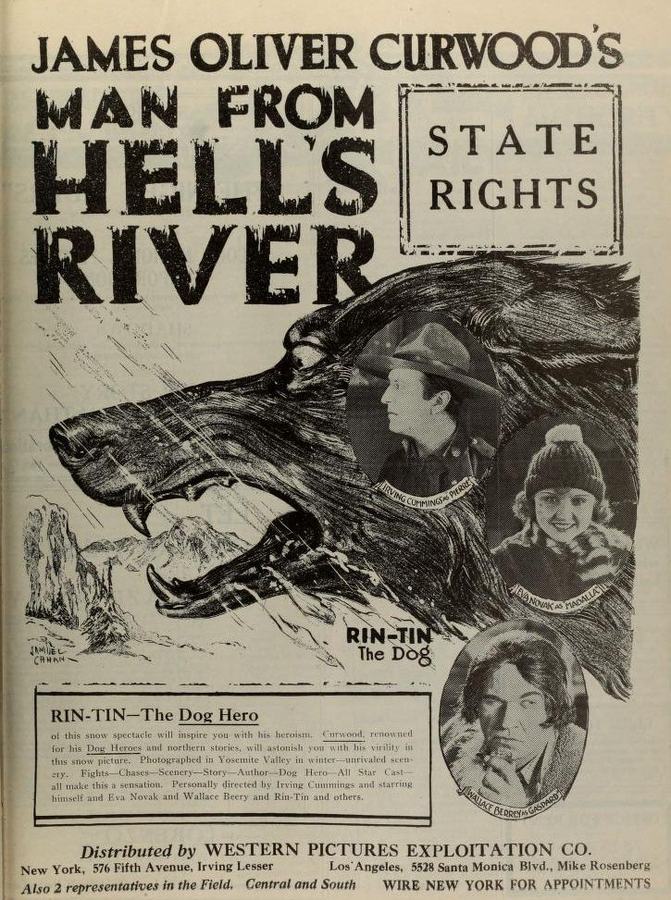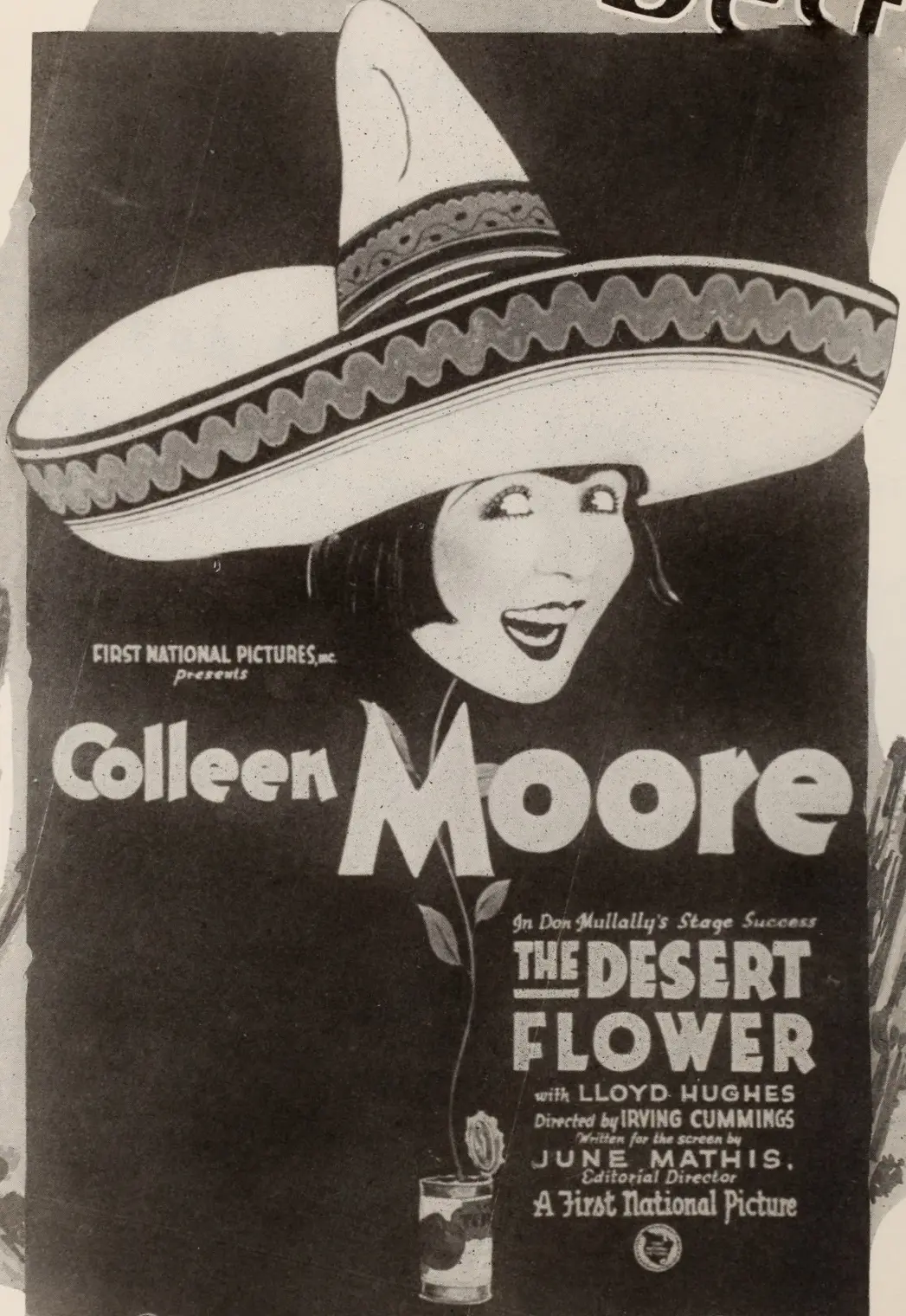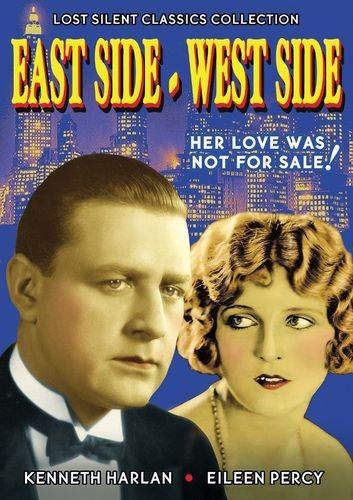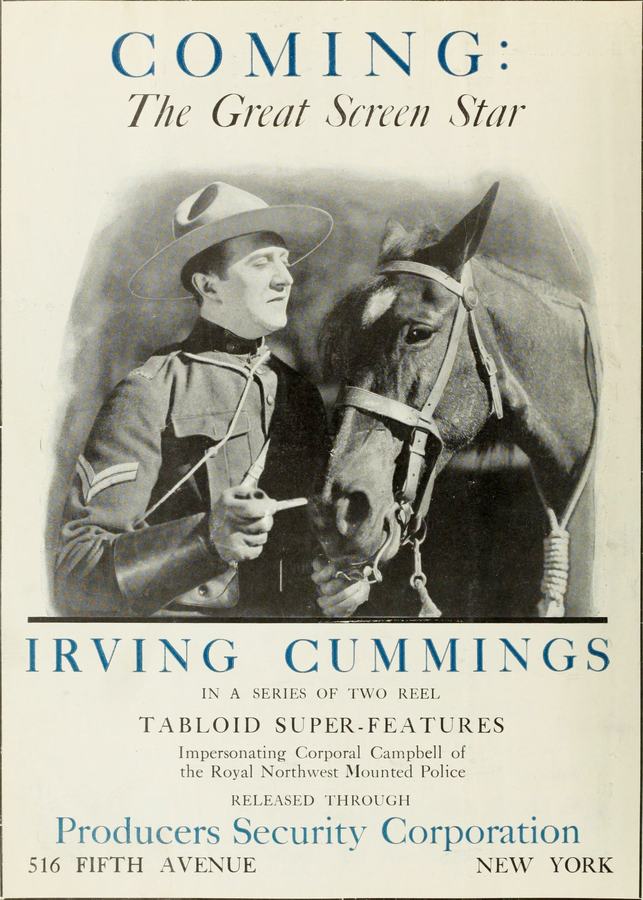
The Visceral Zenith of Early Silent Despair In the burgeoning landscape of 1913 cinema, few films managed to capture the raw, unadulterated friction of human suffering with the same surgical precision as The Rope's End. Starring the formidable Irving Cummings, this piece stands as a monolith of early psychol...
Comparing the cinematic DNA and archive impact of two defining moments in cult history.
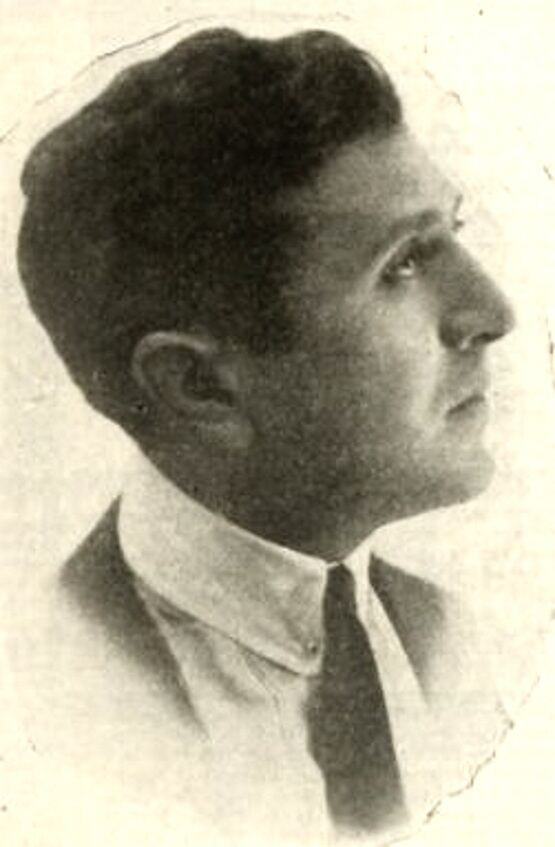
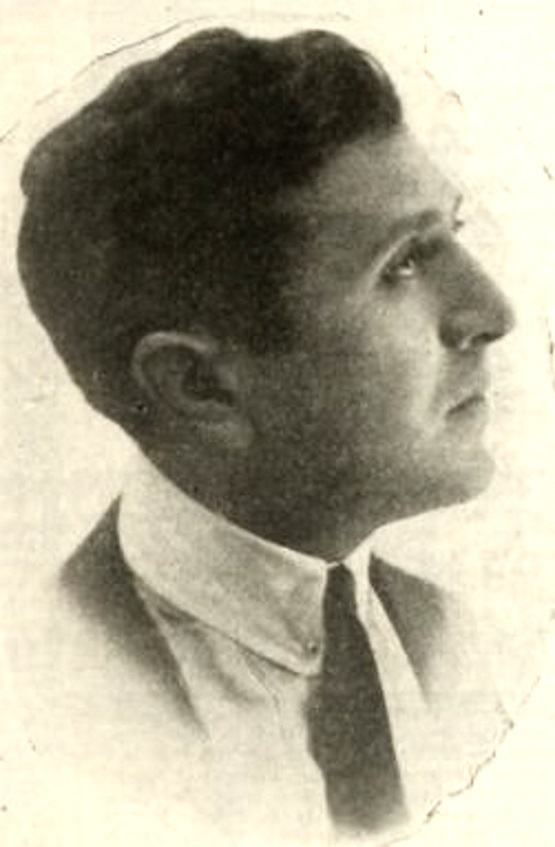
Irving Cummings
Richard Smith
Community
Log in to comment.
" The Visceral Zenith of Early Silent Despair In the burgeoning landscape of 1913 cinema, few films managed to capture the raw, unadulterated friction of human suffering with the same surgical precision as The Rope's End. Starring the formidable Irving Cummings, this piece stands as a monolith of early psychological tension. While many contemporary works like The Dragon leaned heavily into the exoticism of their settings, The Rope's End finds its horror in the mundane, the domestic, and..."