United States
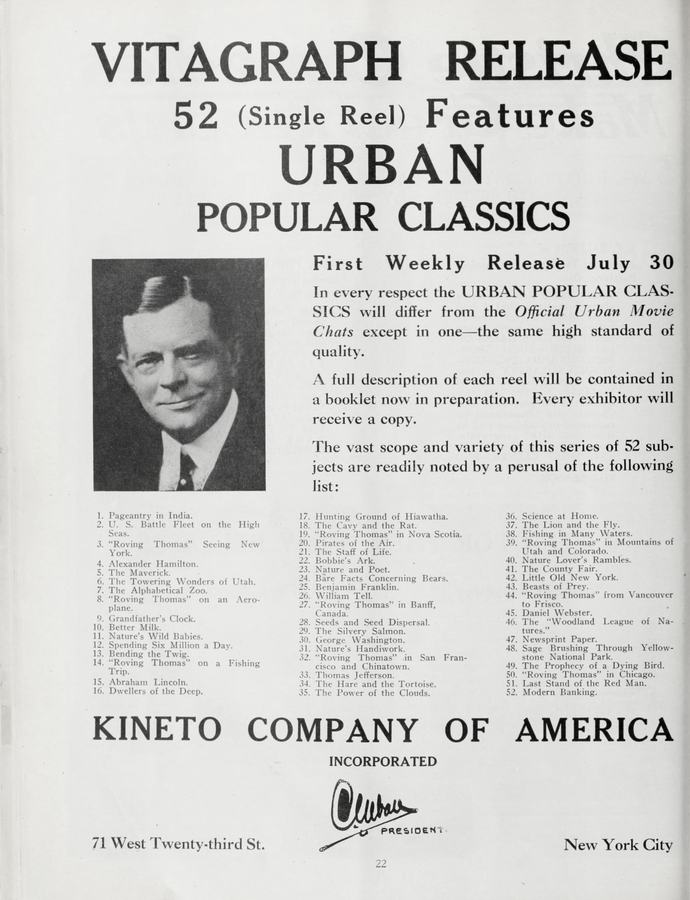
Few artifacts from the silent era possess the harrowing resonance of The Staff of Life. In this 1918 masterpiece, J. Stuart Blackton abandons the whimsical trickery of his earlier career to confront the jagged edges of American industrialism. The film is not merely a story; it is a threnody for the working class, a vis...
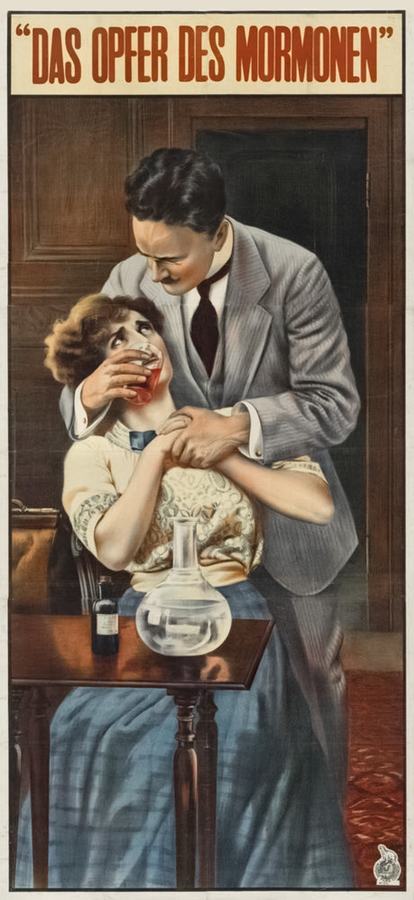
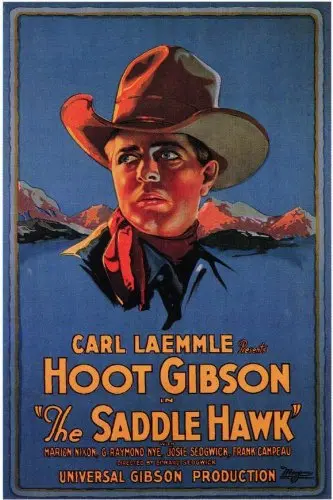
Comparing the cinematic DNA and archive impact of two defining moments in cult history.
Unknown Director
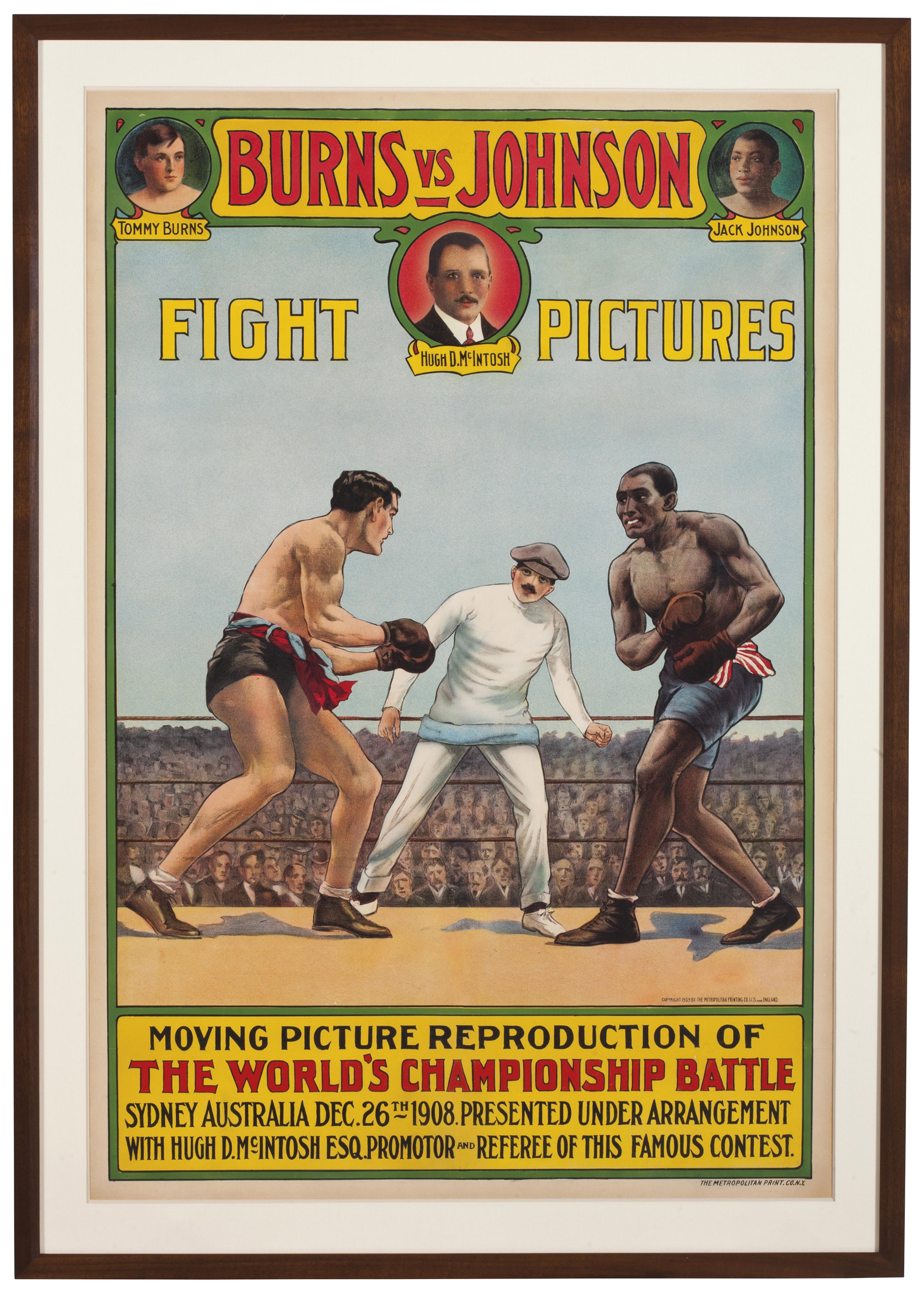
Unknown Director
Community
Log in to comment.
"Few artifacts from the silent era possess the harrowing resonance of The Staff of Life. In this 1918 masterpiece, J. Stuart Blackton abandons the whimsical trickery of his earlier career to confront the jagged edges of American industrialism. The film is not merely a story; it is a threnody for the working class, a visual polemic that utilizes the literal and figurative weight of bread to measure the soul of a nation.The Alchemy of Grain and GreedThe cinematography captures the undulating wheat ..."
1910 · IMDb 5.8
Unknown Director