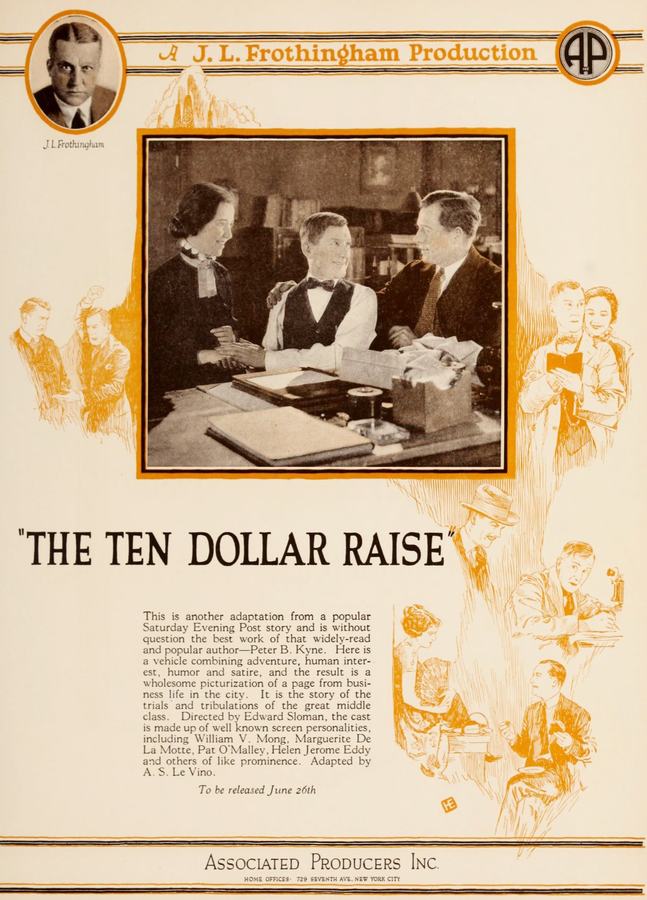
A lowly office worker suffers the abuses of his cruel boss, until fate gives him enough wealth to buy out his boss and reverse their positions..

The 1921 cinematic landscape was often dominated by sprawling epics or slapstick frivolity, yet The Ten Dollar Raise, directed by Edward Sloman, carves out a niche of profound sociological resonance. It is a film that speaks directly to the soul of the white-collar worker, a demographic that, even a century ago, felt...
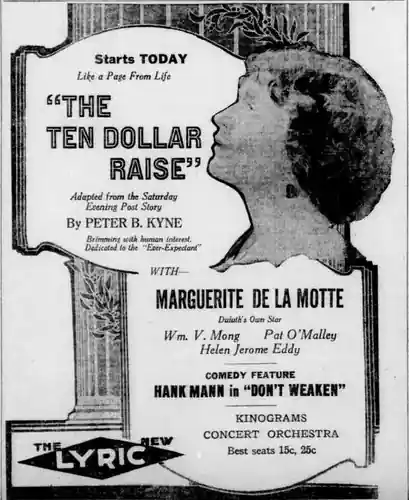
production_art
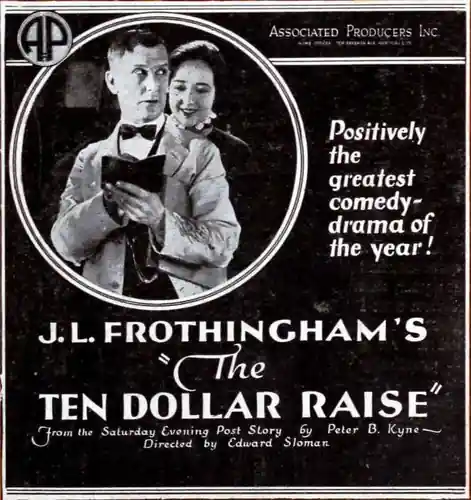
production_art
Comparing the cinematic DNA and archive impact of two defining moments in cult history.
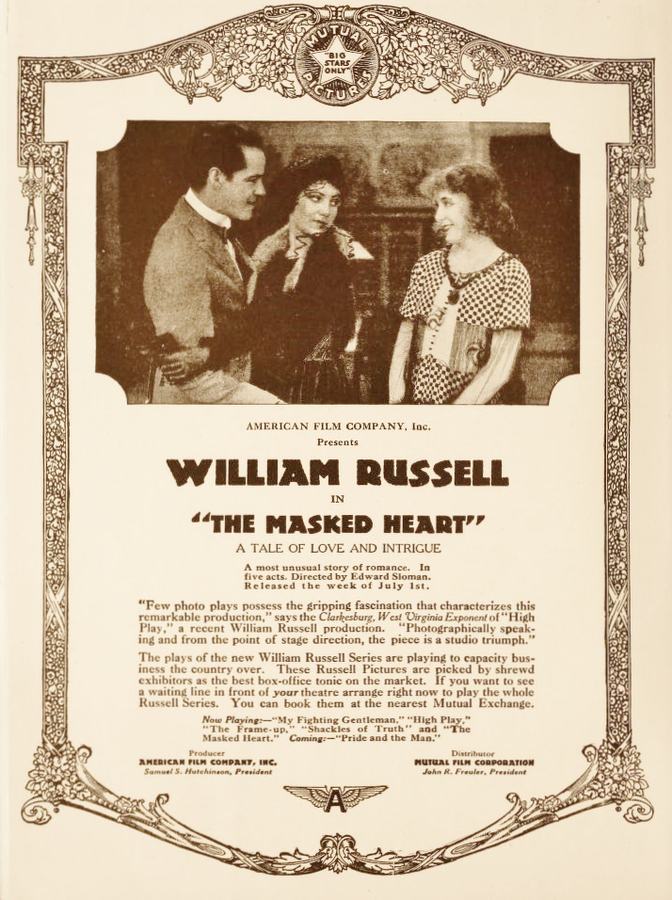
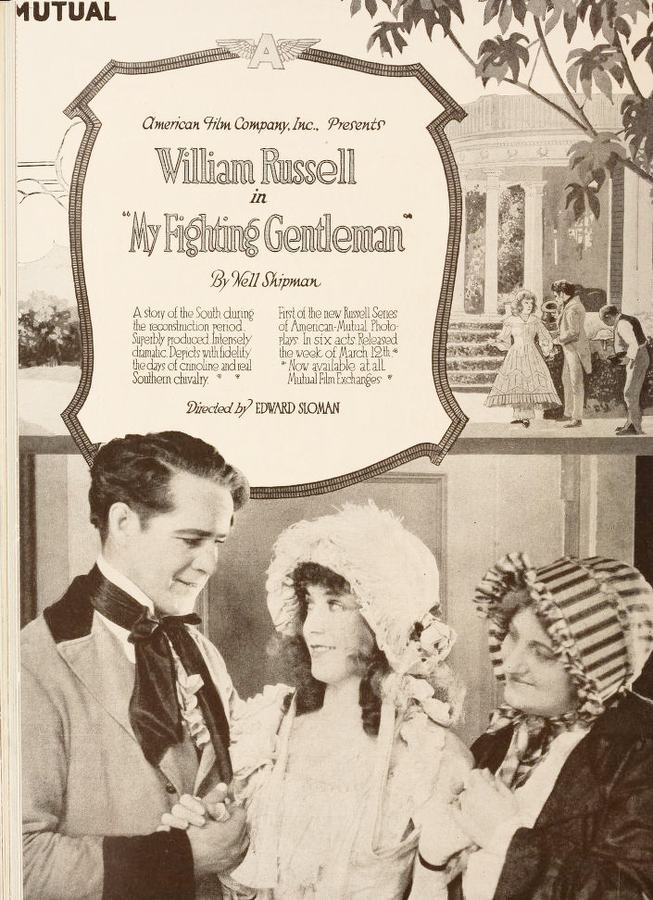
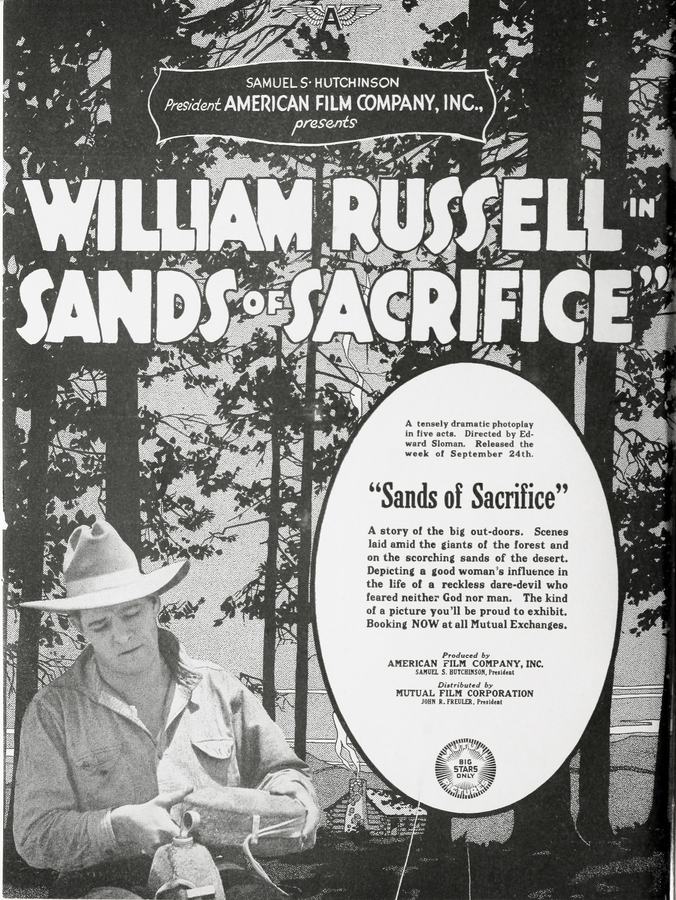
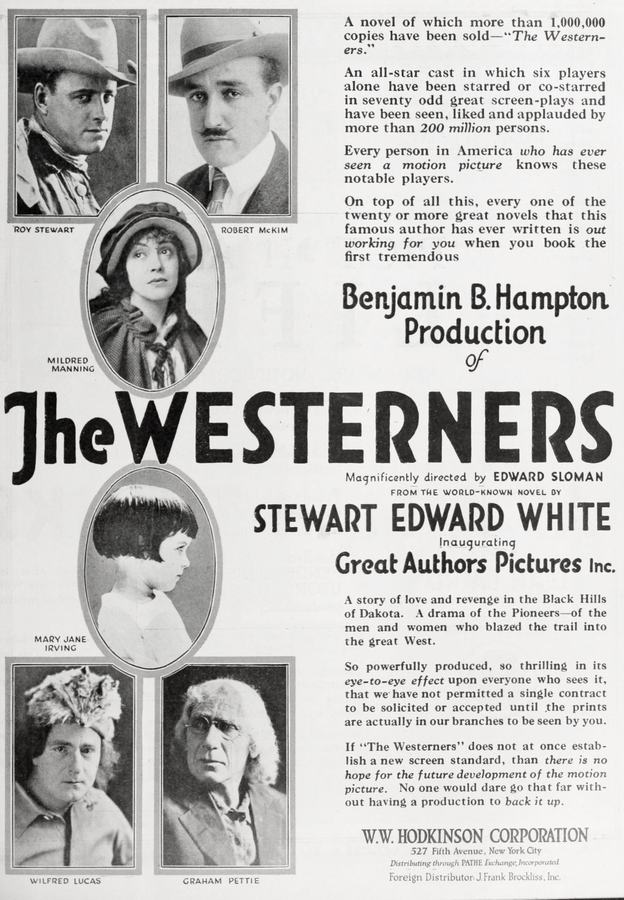
Edward Sloman
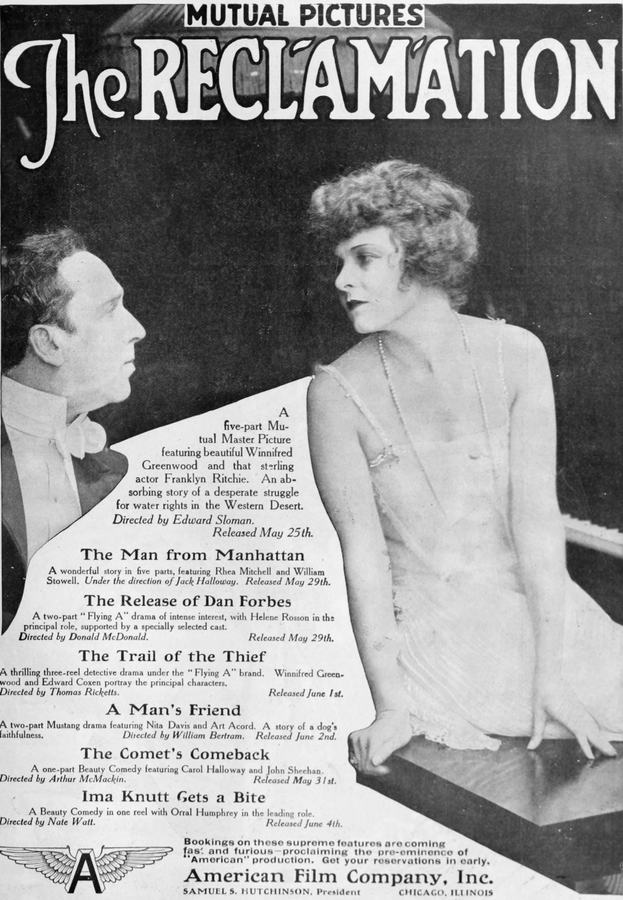
Edward Sloman
Community
Log in to comment.
" The 1921 cinematic landscape was often dominated by sprawling epics or slapstick frivolity, yet The Ten Dollar Raise, directed by Edward Sloman, carves out a niche of profound sociological resonance. It is a film that speaks directly to the soul of the white-collar worker, a demographic that, even a century ago, felt the suffocating squeeze of the industrial machine. At its core, the film is a character study of Wilkins, a man whose spine has been curved by the weight of other men's ledgers. W..."
Albert S. Le Vino, Peter B. Kyne
United States

Deep dive into the cult classic
Discover similar cinematic experiences
A Directorial Spotlight on Edward Sloman