
Should you watch 'Tokai no juso' today? Short answer: yes, but with a significant caveat. This isn't a film for everyone, yet for the right audience, it offers a profoundly resonant experience that lingers long after the credits roll. It is a film crafted for those who appreciate nuanced character studies, slow-burn na...

still_frame

still_frame

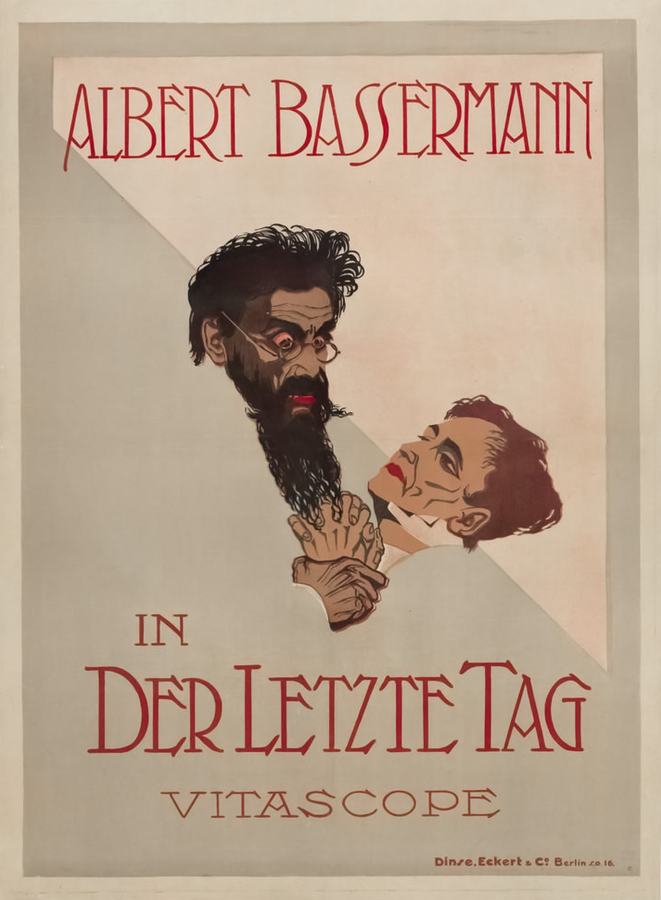
Comparing the cinematic DNA and archive impact of two defining moments in cult history.
Kin'nosuke Ide

Bruno Ziener
Community
Log in to comment.
"Tokai no juso", a poignant character study, meticulously charts the isolating yet strangely magnetic currents of urban existence through the eyes of Akari (Kikyô Tsuyuhara), a young woman grappling with the relentless anonymity and unspoken pressures of metropolitan life. The narrative unfolds not as a grand epic, but as a series of intimate vignettes, each a brushstroke in a larger portrait of quiet desperation and fleeting connection. Akari navigates a labyrinth of mundane routines and unfulfilled aspirations, her internal world often clashing with the bustling indifference of the city around her. We witness her attempts to forge genuine bonds amidst the transactional nature of urban interactions, particularly through her strained relationship with her pragmatic sister, Emi (Shizuko Tatsukawa), and her elusive encounters with a street musician (Hidemichi Ishikawa). The film's strength lies in its unflinching gaze at the emotional weight carried by its inhabitants, culminating in Akari's subtle, yet profound, confrontation with her own sense of belonging – or lack thereof – within the sprawling, unforgiving cityscape.
"Should you watch 'Tokai no juso' today? Short answer: yes, but with a significant caveat. This isn't a film for everyone, yet for the right audience, it offers a profoundly resonant experience that lingers long after the credits roll. It is a film crafted for those who appreciate nuanced character studies, slow-burn narratives, and introspective explorations of the human condition against an urban backdrop. If you seek high-octane drama or clear-cut resolutions, this will likely test your patien..."
Hidemichi Ishikawa
Japan
Edgar Jones
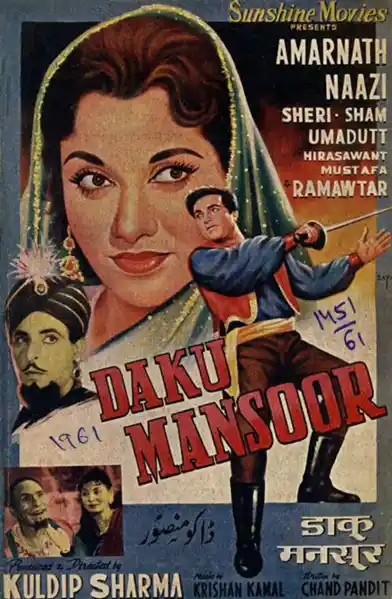

Deep dive into the cult classic
Discover similar cinematic experiences
A Directorial Spotlight on Kin'nosuke Ide