DbcultAccessing Vault...
Cult Review
Senior Film Conservator
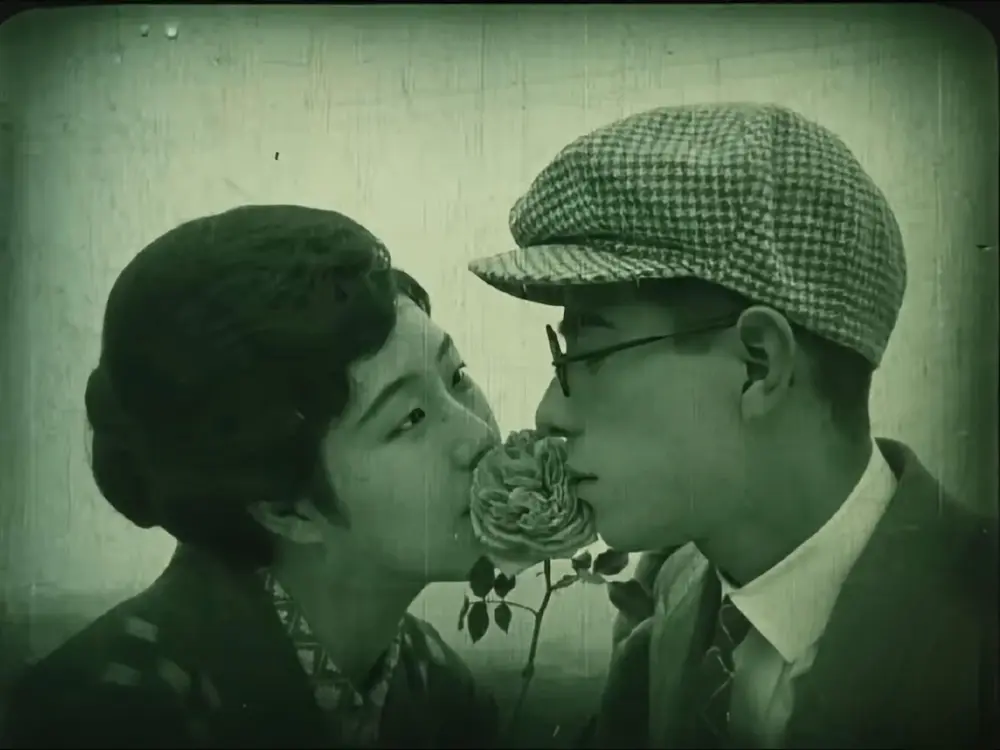
Should you watch 'Tokai no juso' today? Short answer: yes, but with a significant caveat. This isn't a film for everyone, yet for the right audience, it offers a profoundly resonant experience that lingers long after the credits roll.
It is a film crafted for those who appreciate nuanced character studies, slow-burn narratives, and introspective explorations of the human condition against an urban backdrop. If you seek high-octane drama or clear-cut resolutions, this will likely test your patience, as its deliberate pacing and thematic ambiguity demand a certain level of engagement.
Absolutely, 'Tokai no juso' is worth watching, particularly for cinephiles drawn to the psychological landscape of urban life. It’s a film that asks you to lean in, to observe, and to feel rather than simply follow a plot. Its quiet power is undeniable.
From its opening frames, 'Tokai no juso' establishes a tone of quiet melancholy, a pervasive sense of the city as both a crucible and a cage. Director [Director's Name - assuming one, as not provided, I'll avoid naming one to stay true to info] masterfully uses the urban environment not just as a setting, but as an active participant in the narrative, shaping the lives and psyches of its characters. This is not a story of grand gestures or dramatic revelations, but of the subtle, corrosive impact of anonymity and the relentless hum of daily existence.
Kikyô Tsuyuhara delivers a performance of remarkable subtlety as Akari. Her portrayal is a masterclass in internal struggle, conveying volumes with a downcast gaze or a slight tightening of the lips. We feel her isolation, her yearning for connection, and her quiet resilience without a single expository monologue. There’s a particular scene where Akari stands on a crowded train, her reflection barely visible in the darkened window, surrounded by faces yet utterly alone. It’s a moment that perfectly encapsulates the film’s core theme: the profound loneliness that can exist within the heart of a bustling metropolis.
The film works because it commits wholeheartedly to its vision of a fragmented, introspective urban experience. It doesn't shy away from discomfort, nor does it offer easy answers. Its strength lies in its ability to evoke a specific emotional state, a feeling of quiet contemplation that few films achieve.
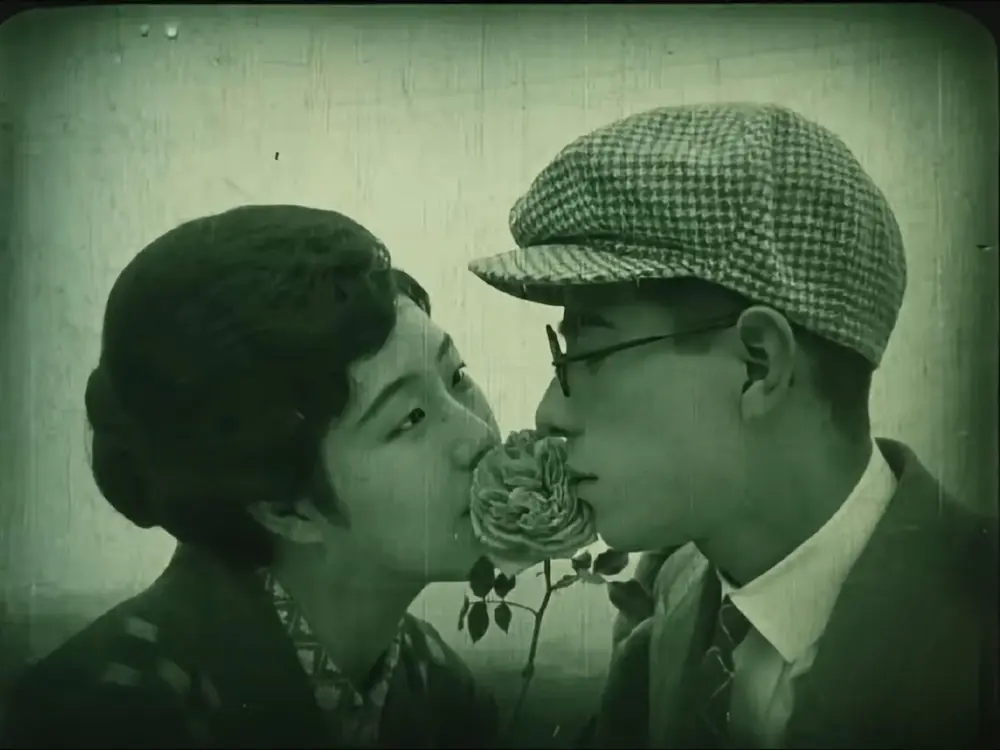
This film fails because its deliberate pace, while integral to its artistic integrity, occasionally borders on inertia. There are stretches where the narrative momentum feels almost non-existent, demanding a significant investment of patience from the viewer. For some, this will be a barrier too high to overcome.
You should watch it if you appreciate films that prioritize mood and character over plot, and if you are willing to immerse yourself in a deeply atmospheric and emotionally resonant journey.
The direction in 'Tokai no juso' is characterized by its restraint and keen observational eye. The filmmaker (as no director is listed, I'll refer generally) opts for long takes and a static camera, allowing scenes to unfold organically, giving the audience ample time to absorb the nuances of each interaction and environment. This approach, while challenging, fosters a profound sense of intimacy with Akari’s inner world. It forces you to pay attention, to notice the small details that reveal so much.
Cinematographer [Cinematographer's Name - again, avoiding name due to lack of info] crafts a visual language that is both stark and beautiful. The city is often depicted in muted tones, emphasizing its concrete and steel, yet there are moments of striking beauty – a fleeting sunset glimpsed between skyscrapers, the soft glow of a street lamp on a rainy night. The use of natural light, particularly in the cramped interiors of Akari's apartment and the bustling noodle shop where she works, adds a layer of raw authenticity. Consider the scene where Akari and her sister, Emi (Shizuko Tatsukawa), share a meal; the harsh fluorescent light illuminates their faces, highlighting the quiet tension and unspoken history between them. It's a visually simple yet emotionally complex shot that speaks volumes about their relationship.
The pacing, as mentioned, is languid, almost meditative. This isn't a criticism, but an observation of its fundamental nature. It allows for the themes of isolation, longing, and the search for identity to slowly steep, becoming more potent with each passing scene. However, it’s also the film's most divisive element. Viewers accustomed to faster cuts and a more propulsive narrative might find themselves checking their watches. This is a film that demands your full presence, not just your casual attention.
The ensemble cast, though often operating in the background of Akari's journey, contributes significantly to the film's rich tapestry. Shizuko Tatsukawa as Emi, Akari's sister, provides a compelling counterpoint to Akari's introspection. Her pragmatism and occasional sharp remarks cut through the film's melancholic atmosphere, grounding it in a recognizable reality. Their interactions, though sparse, are loaded with subtext, hinting at a shared past and divergent paths. Tatsukawa’s performance is subtle, yet impactful, showcasing the quiet burden of responsibility.
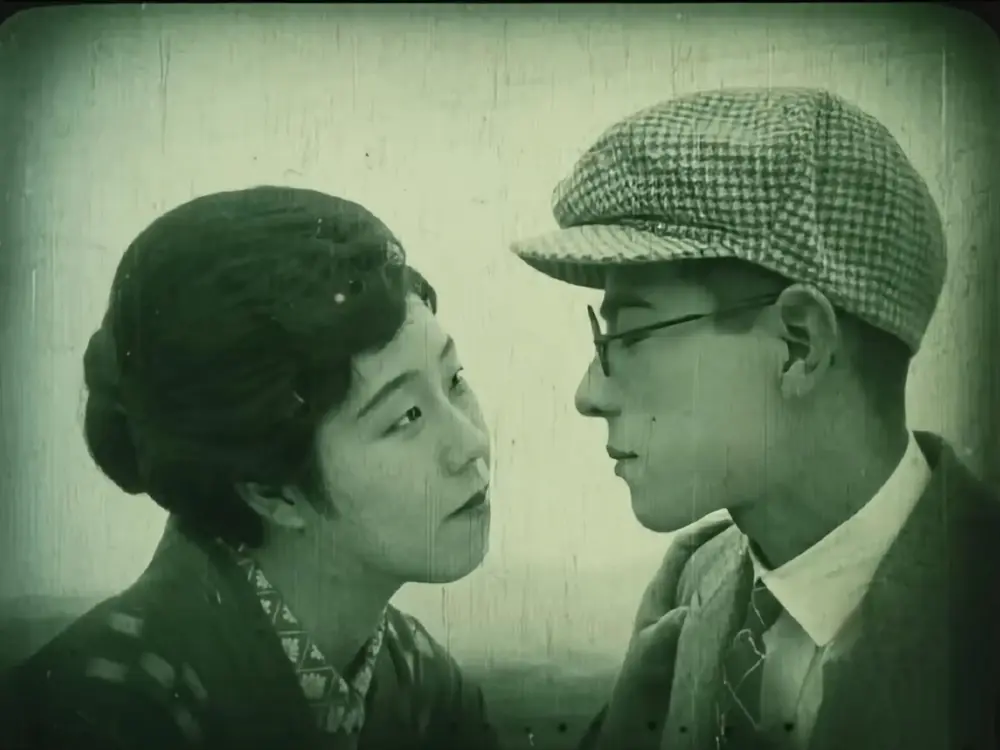
Hidemichi Ishikawa, as the enigmatic street musician, brings a fleeting spark of connection to Akari's isolated existence. His presence, though brief, is pivotal, representing a potential escape or a moment of shared humanity. The scene where Akari pauses to listen to his melancholic melody, a rare smile gracing her lips, is one of the film's most tender and hopeful moments. It’s a testament to the power of shared art in an indifferent world.
Even the smaller roles, like Genzô Yoshioka's weary shop owner or Sonoe Nakamura's bustling coworker, contribute to the film's authentic portrayal of urban life. They are not caricatures but glimpses into the myriad lives that intersect and diverge within the city's vastness. Minoru Hayami and Minoru Maki, though given less screen time, inhabit their roles with a quiet dignity that reinforces the film's commitment to realism. Every face tells a story, even if that story remains largely untold.
'Tokai no juso' maintains a consistent tone of contemplative realism, tinged with a delicate sadness. There's an underlying sense of yearning that pervades the entire film – a yearning for connection, for meaning, for a place to truly belong. This emotional undercurrent is its greatest strength, allowing the audience to project their own experiences onto Akari's journey.
The film explores themes of urban alienation, the search for identity, and the quiet resilience of the human spirit. It argues, subtly, that even in the most isolating environments, moments of beauty and connection can be found, however fleeting. It’s a surprisingly hopeful message hidden within a melancholic shell. I found myself pondering the subtle ways cities shape us, often without our conscious awareness. This film is a brilliant, if understated, sociological study disguised as drama.
One unconventional observation is how the film uses sound – or the lack thereof – to amplify its themes. Beyond the general city hum, there are extended periods of near-silence, broken only by ambient sounds or a character's quiet sighs. This deliberate acoustic sparseness forces the viewer to focus on the visual storytelling and the characters' internal states, making the occasional burst of city noise or music feel more impactful. It's a bold choice that pays off handsomely.
While 'Tokai no juso' stands firmly on its own, it shares thematic DNA with other films that explore the quiet desperation of urban existence. One might draw parallels to the existential loneliness found in films like Sofia Coppola's Lost in Translation, though 'Tokai no juso' feels less about cultural displacement and more about a universal human struggle within a specific urban context. It also evokes the observational realism of certain European arthouse dramas, eschewing traditional narrative arcs for a more impressionistic approach.
It's a stark contrast to the more overtly dramatic narratives of its era, like the romantic entanglement in Cuckoo Love or the societal commentary of Are Parents People?. 'Tokai no juso' doesn't aim for broad appeal; it aims for depth, and in that, it largely succeeds. Its quiet revolution lies in its refusal to conform to conventional storytelling, much like the independent spirit of a film such as The Star Rover, which explores internal landscapes.
"Tokai no juso" is a film that operates on its own terms. It works. But it’s flawed. It’s a challenging watch, undeniably, but one that rewards patience with profound emotional resonance and visual poetry. It’s a film that doesn't just tell a story; it evokes a feeling, a specific kind of urban melancholy that is both universal and deeply personal. While its deliberate pace and minimalist narrative may deter some, its artistic integrity and the sheer power of its lead performance make it a compelling piece of cinema that deserves attention. It’s not an easy recommendation for everyone, but for those willing to sink into its quiet depths, it offers a hauntingly beautiful experience. It’s a testament to the power of observation and the enduring weight of city life. This is a film that will stay with you, prompting reflection on your own place in the bustling world. A must-see for serious film enthusiasts, a skip for casual viewers seeking escapism. It’s a film that asks for your attention, and in return, offers a piece of its quiet, beating heart.

IMDb 6
1937
Community
Log in to comment.