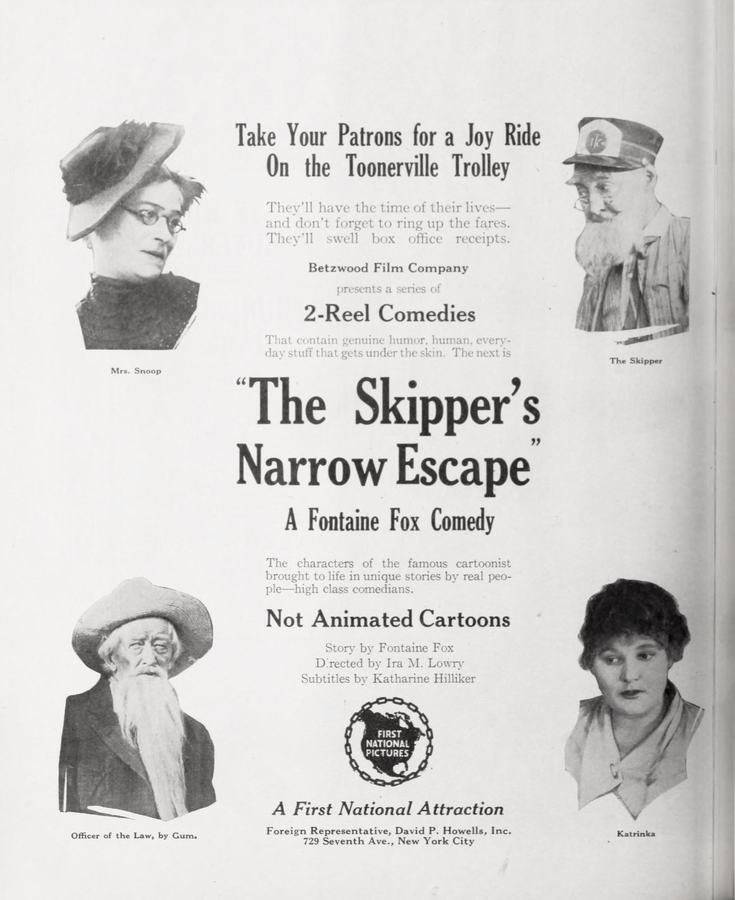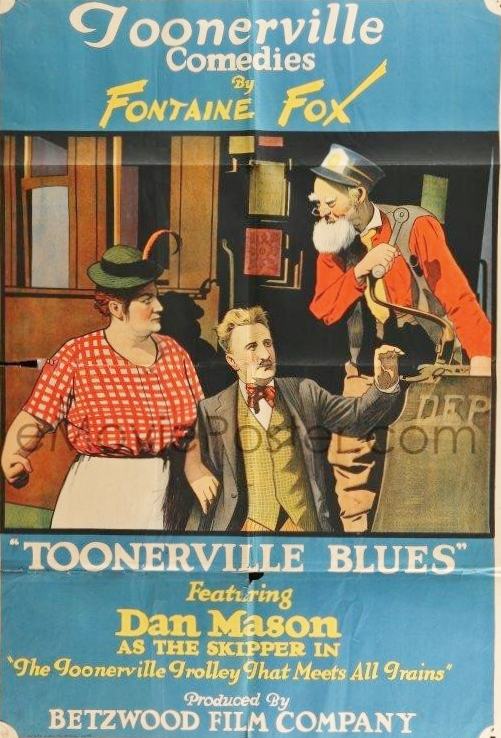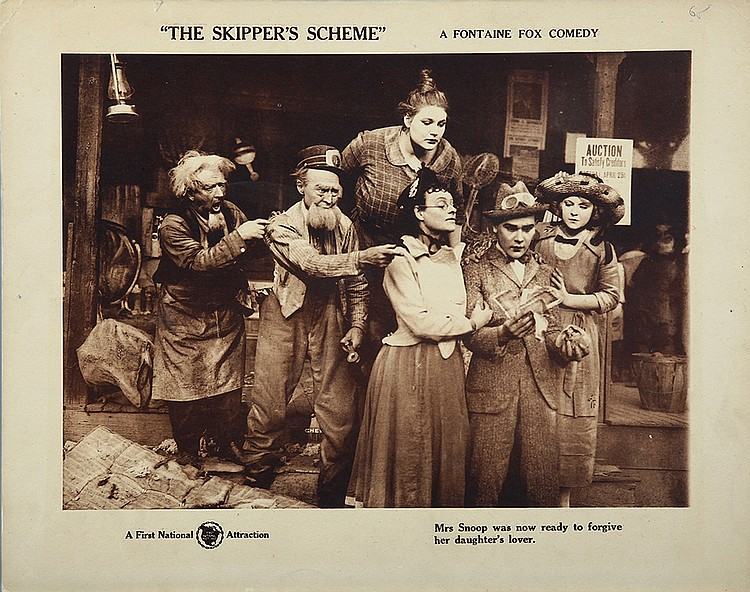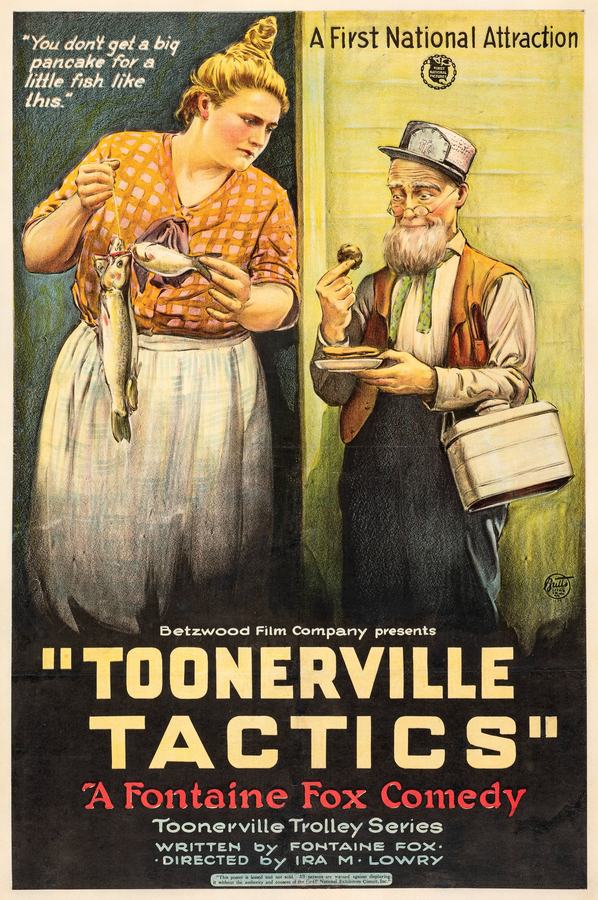
There is a moment, roughly seven minutes into Toonerville Tactics, when the trolley itself appears to blink. It is not stop-motion trickery; rather, the camera lingers on the brass headlamp until the reflected glare of a magnesium flashbulb flares, dims, and flares again—an eyelid of molten brass. In that flicker the...
Comparing the cinematic DNA and archive impact of two defining moments in cult history.
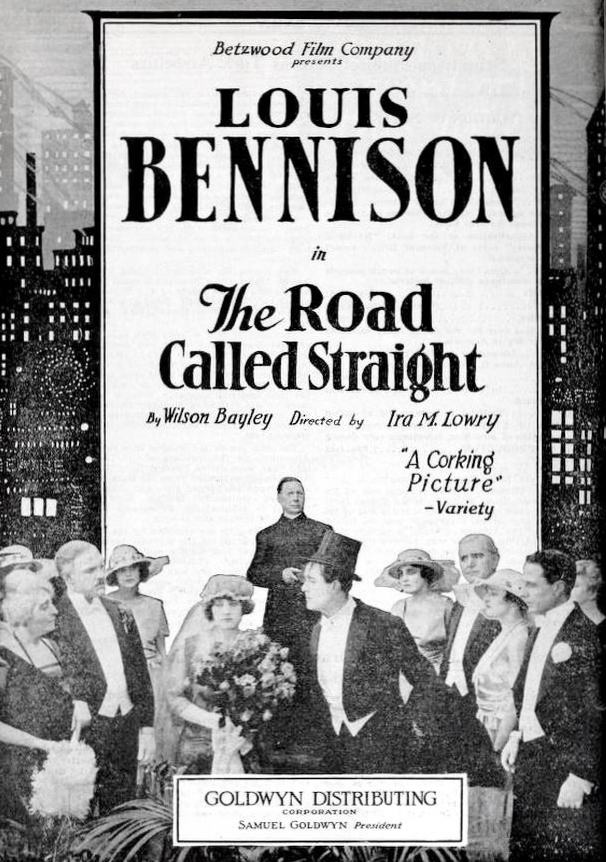
Ira M. Lowry
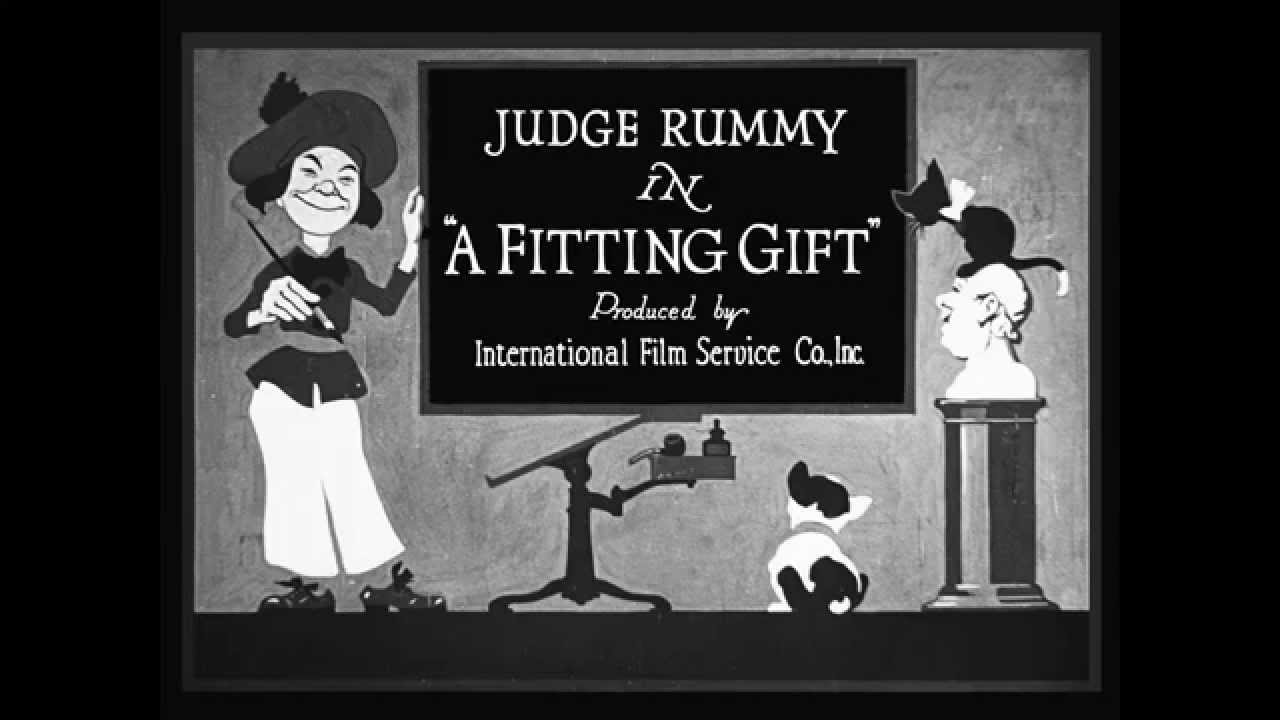
Unknown Director
Community
Log in to comment.
" There is a moment, roughly seven minutes into Toonerville Tactics, when the trolley itself appears to blink. It is not stop-motion trickery; rather, the camera lingers on the brass headlamp until the reflected glare of a magnesium flashbulb flares, dims, and flares again—an eyelid of molten brass. In that flicker the film confesses its own artifice, daring you to care whether the vehicle is wood, ink, or dream. Fox’s screenplay—really a storyboard scrawled on butcher paper and pinned above th..."
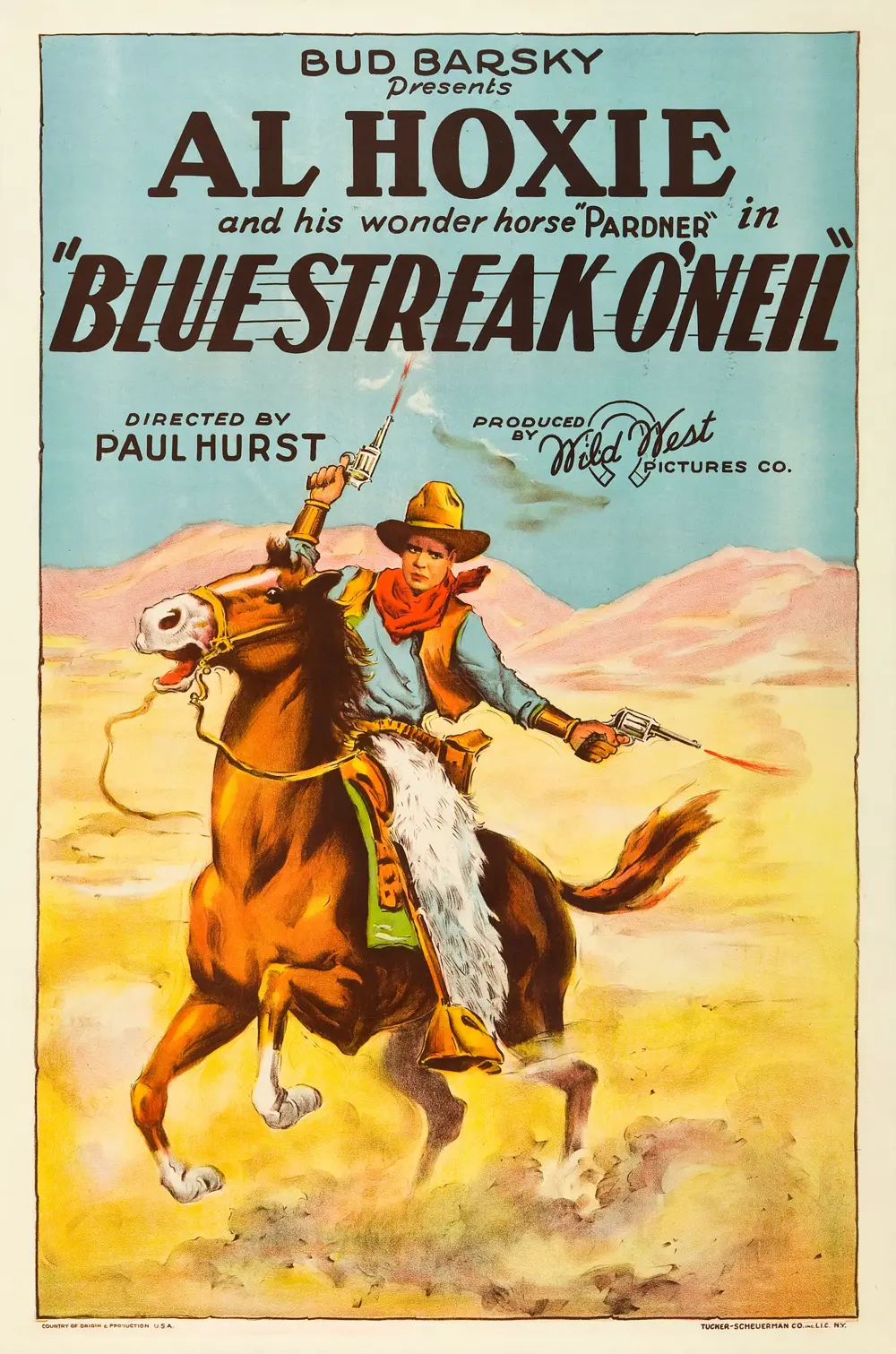
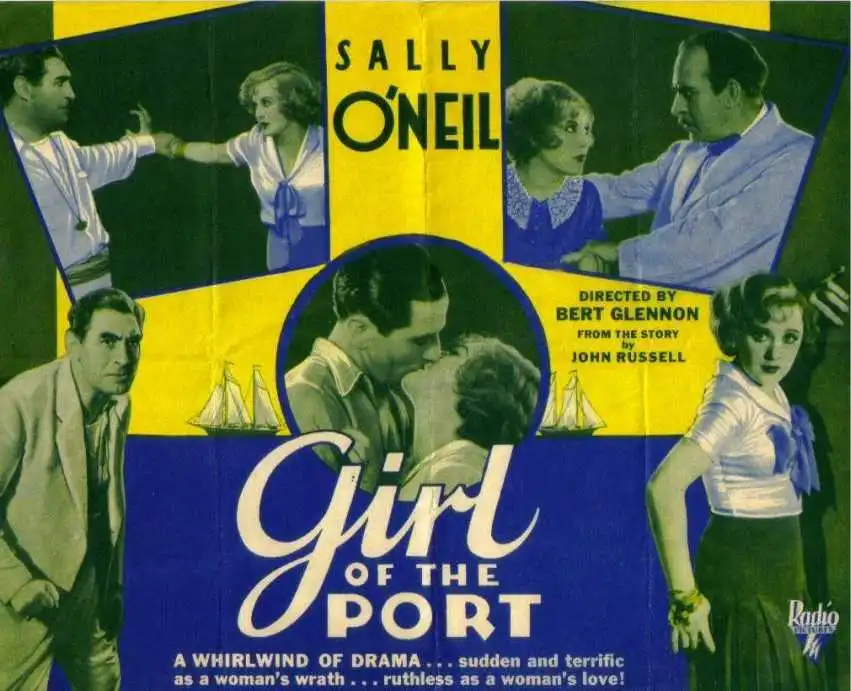
Deep dive into the cult classic
Discover similar cinematic experiences
A Directorial Spotlight on Ira M. Lowry