Summary
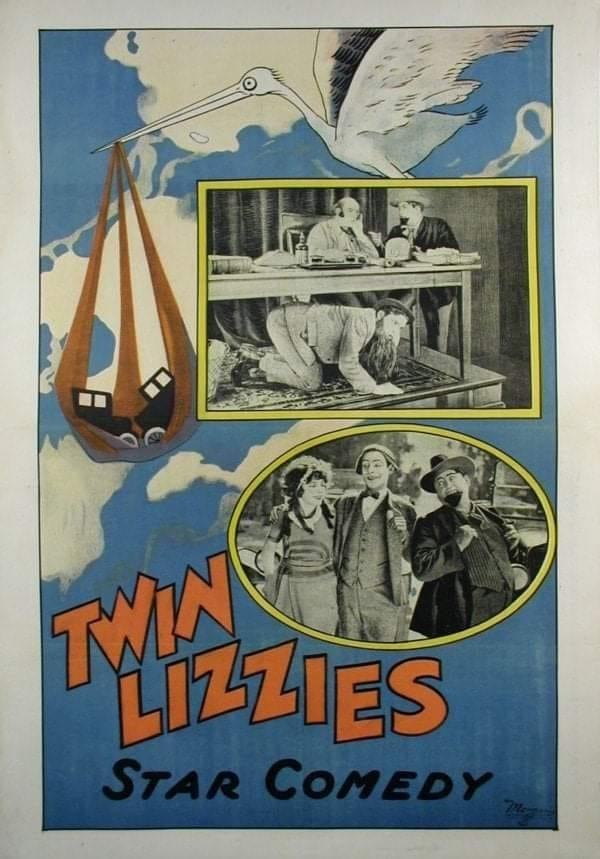
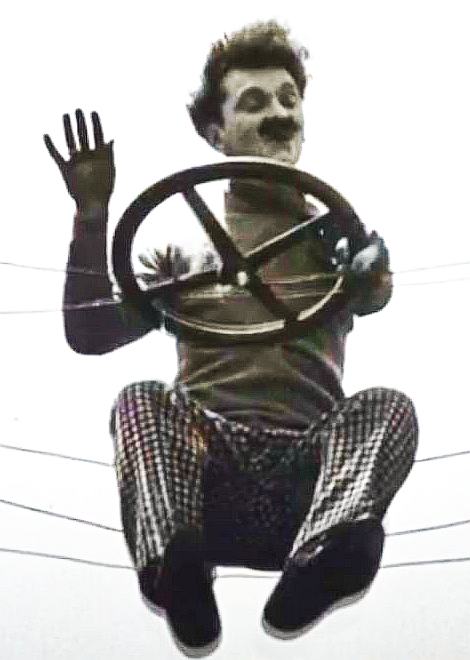
A lone detective, laconic as a burnt-out poet, stalks the gas-lit labyrinth of an unnamed port city where two masked kidnappers—nicknamed the Lizzies for the twin L-shaped scars they carve into ransom notes—have spirited away a banker’s freckled daughter. The abductors communicate only through gramophone records pressed in a disused wax-cylinder factory, each groove a taunt that crackles like frost over a telephone wire. Our sleuth, pockets heavy with pawn-shop cigarettes and a pocket-watch frozen at the hour his own child vanished years earlier, follows a breadcrumb trail of phosphorescent ticket stubs, bootlegger codes, and cabaret song lyrics that double as map coordinates. Every clue peels back another layer of civic rot: opium dens operating beneath temperance coffeehouses, corrupt aldermen who auction city shadows by the square foot, a river so thick with factory dye it reflects moonlight as bruise-colored carnival glass. Mid-hunt he discovers the ransom money is counterfeit—elaborate forgeries etched with microscopic stage directions from a never-produced play titled Twin Lizzies, suggesting the kidnapping itself is merely rehearsal for a grander, bloodier spectacle. In a climactic sequence shot inside a decommissioned lighthouse, the detective trades the child for a suitcase of blank paper, then sets the tower ablaze, letting the kidnappers believe the script demands their deaths. As smoke coils into the silhouette of a double-headed serpent against the dawn, he escorts the girl onto the pier; yet when the camera tilts to his eyes we realize he no longer knows whether he rescued her or cast her as the next pawn in someone else’s unfinished narrative.
The hero is a detective, who trails some kidnappers who have abducted a girl and are holding her for ransom.
Review Excerpt
"
Imagine, if you will, a city whose nocturnal pulse beats inside a rusted gramophone: every hiss and crackle a heartbeat, every skipped needle a gasp. Twin Lizzies—released in the spring of 1923 yet already haunted by the ghosts of futures that never arrived—projects that very heartbeat onto nitrate so volatile you can practically smell the sulfur in the projector’s beam. William Colvin’s detective doesn’t stride through this underworld; he drifts, a man eroded by private grief until his silhoue..."