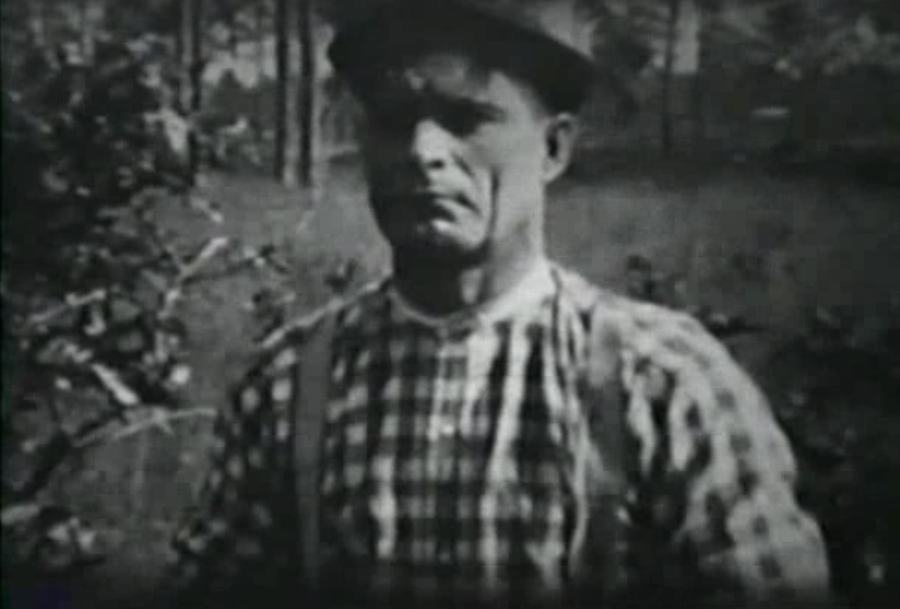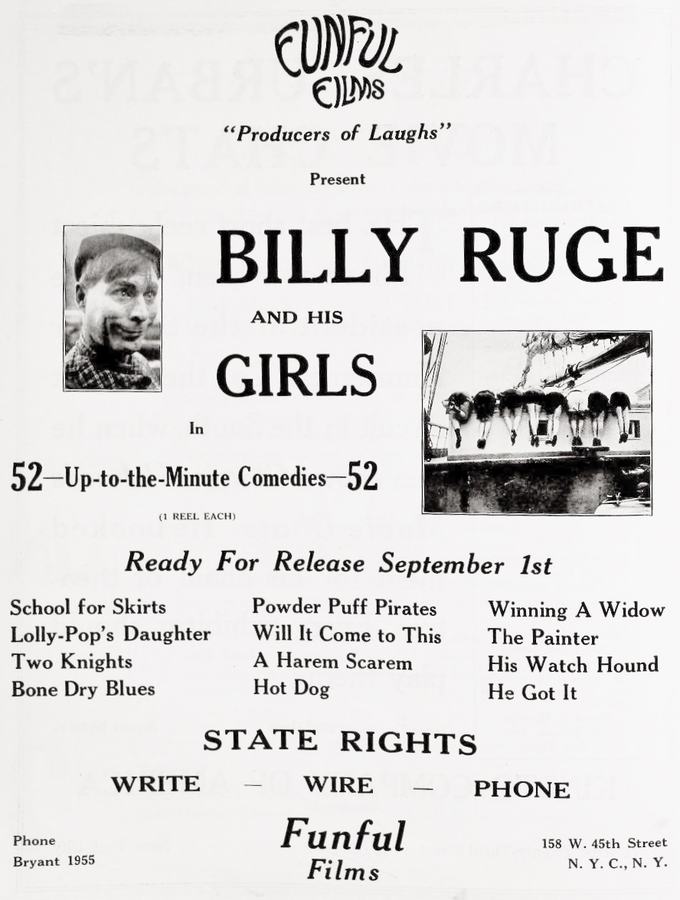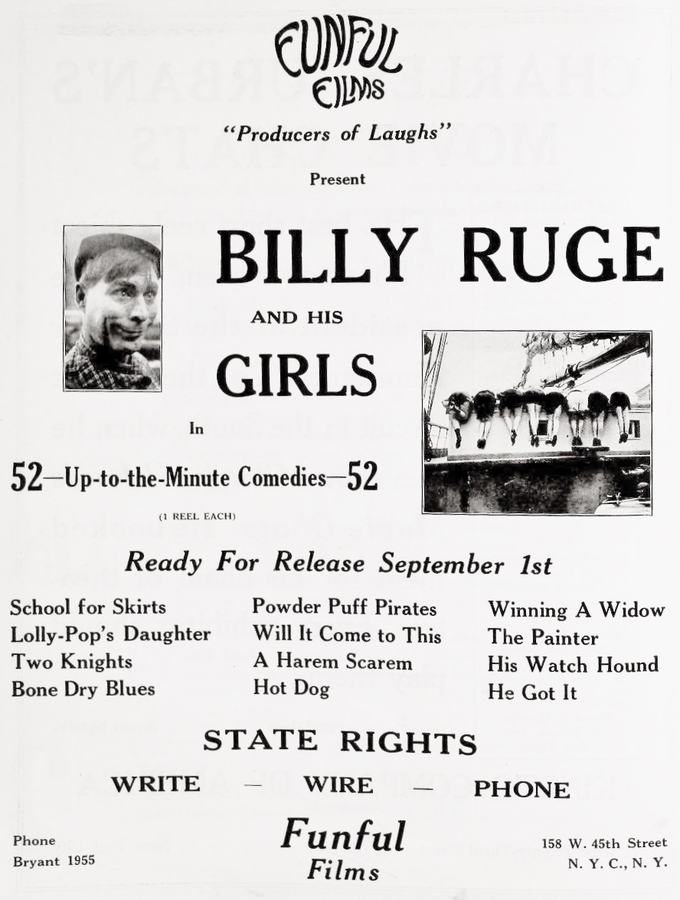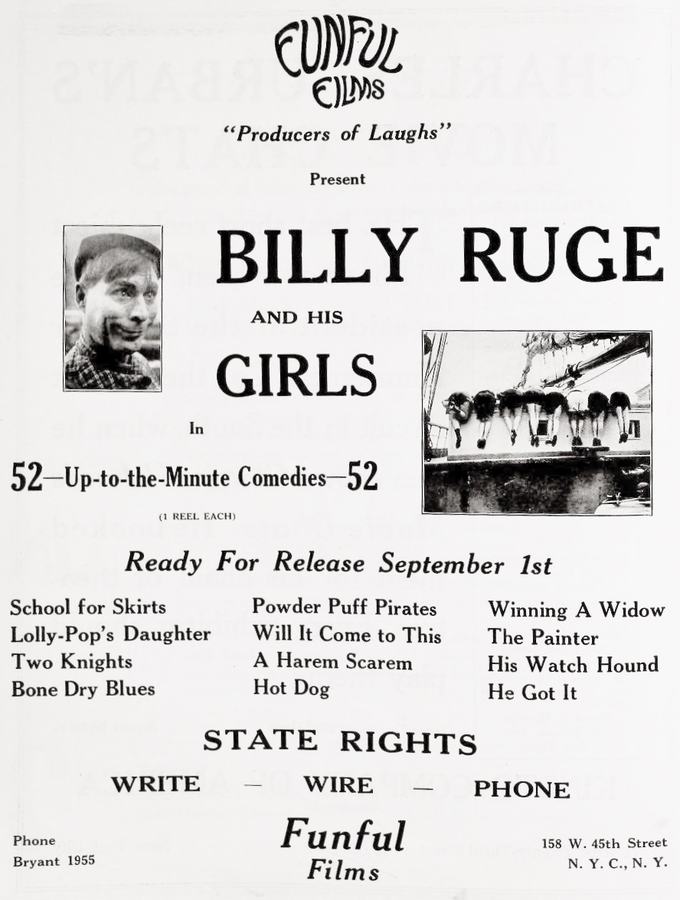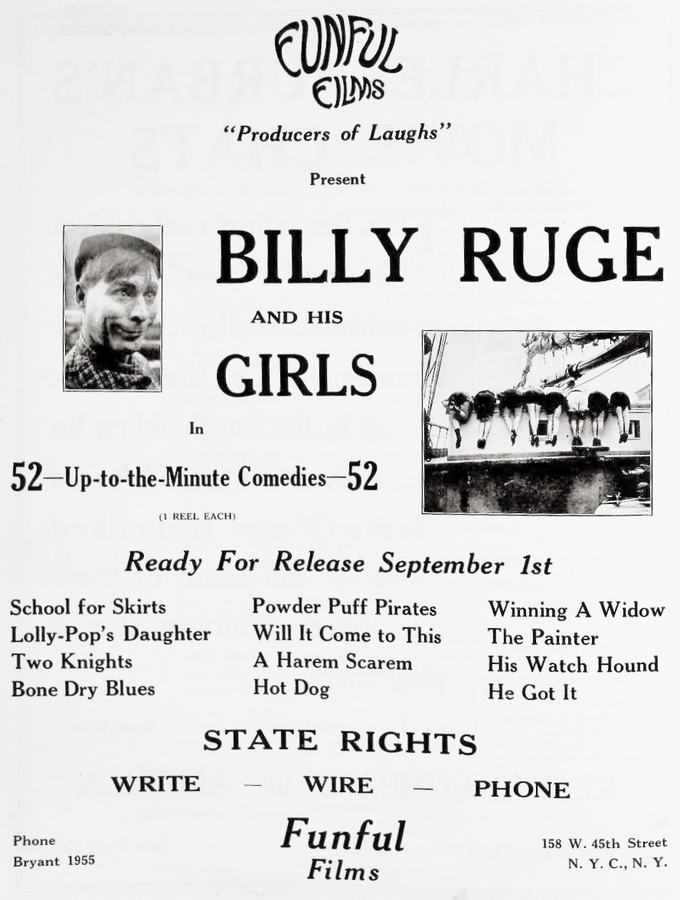
Two Knights does not begin; it exhales. A plume of magnesium-white light blooms across the screen, and suddenly we are ankle-deep in cobblestone slick as a butcher’s block. Billy Ruge’s silhouette—trench-coat collar skewed like a broken raven wing—slides into frame from opposite directions: once as the limping sword-f...
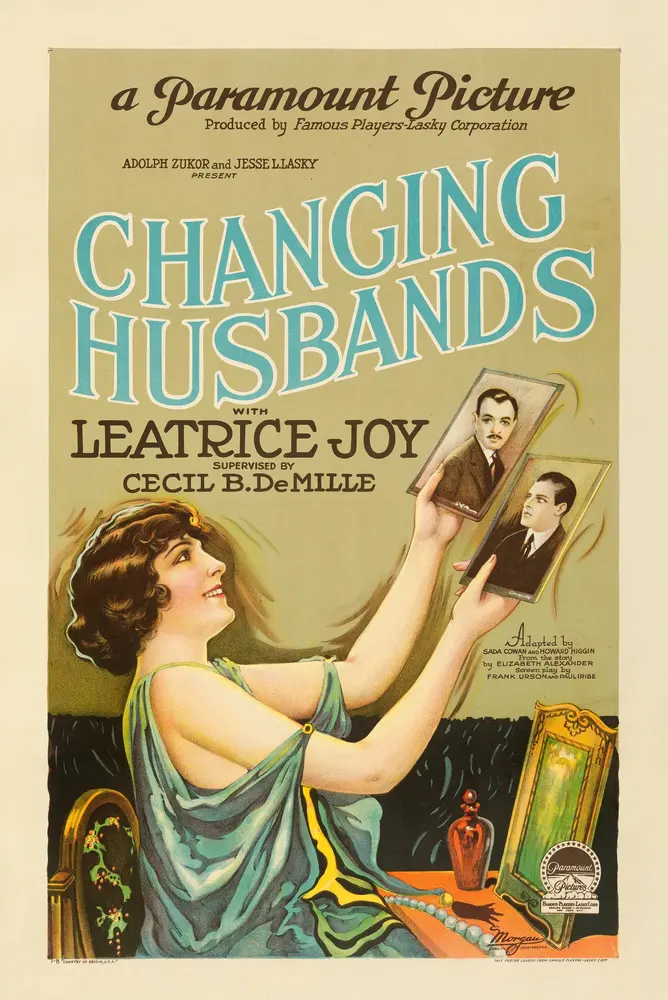
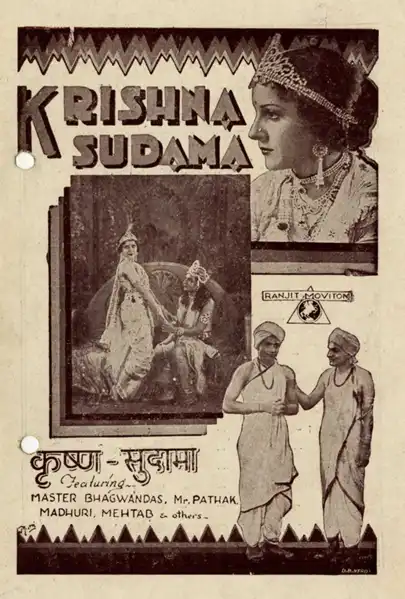
Comparing the cinematic DNA and archive impact of two defining moments in cult history.
Unknown Director
Unknown Director
Community
Log in to comment.
" Two Knights does not begin; it exhales. A plume of magnesium-white light blooms across the screen, and suddenly we are ankle-deep in cobblestone slick as a butcher’s block. Billy Ruge’s silhouette—trench-coat collar skewed like a broken raven wing—slides into frame from opposite directions: once as the limping sword-for-hire Silas Grack, again as the manic street conjurer known only as Finch. The double exposure is so seamless that the gutter between their boots seems to hiss with forbidden sta..."