DbcultAccessing Vault...
6.4/10
Senior Film Conservator
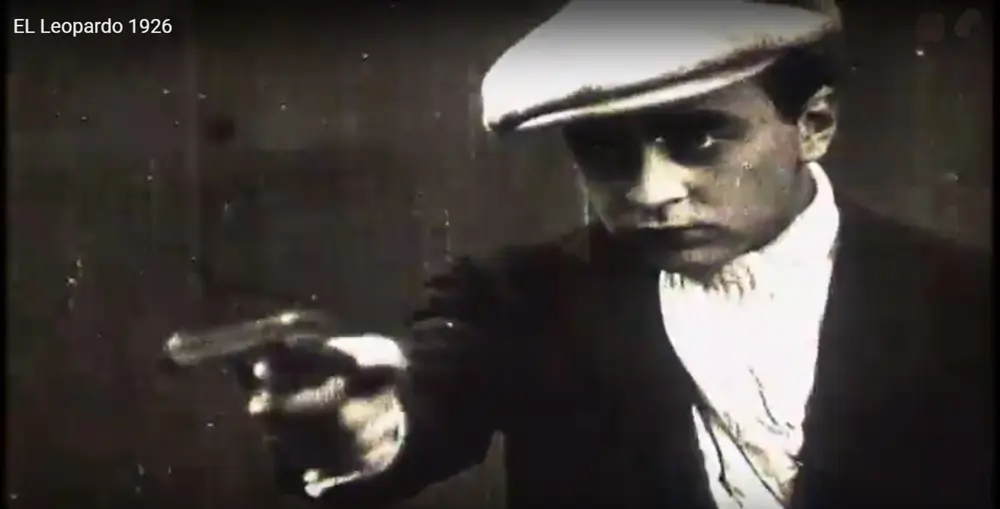
A definitive 6.4/10 rating for a film that redefined the boundaries of cult cinema. El leopardo remains a cornerstone of transgressive art.
Is “El leopardo” worth watching today? Short answer: yes, but with significant caveats that demand a particular kind of viewer. This is not a film for those seeking brisk pacing or clear-cut heroes and villains; rather, it’s a meticulously crafted, deeply melancholic meditation on the inexorable march of time and the painful surrender of an old order.
This film is best for audiences who appreciate richly detailed historical dramas, character studies over plot-driven narratives, and a contemplative pace. If you're drawn to stories of societal transition, the burden of legacy, and the quiet dignity of decline, “El leopardo” will resonate deeply. Conversely, it is decidedly not for viewers who prefer fast-paced action, unambiguous resolutions, or lighthearted entertainment. Those easily frustrated by slow burns, philosophical introspection, or a pervasive sense of elegant despair might find its deliberate rhythm challenging.
This film works because of its unflinching commitment to character and theme, anchored by a towering central performance and a stunning sense of period authenticity.
This film fails because its deliberate pace occasionally veers into languor, and its narrative, while thematically rich, can feel diffuse, lacking a sharp, propulsive through-line.
You should watch it if you are prepared for a profound, beautifully shot elegy to a bygone era, and if you have the patience to allow its quiet power to unfold.
Written by Rojas García and Alfredo Llorente, “El leopardo” is less a story in the conventional sense and more a sustained mood, a prolonged sigh for a world in decline. The film introduces us to Don Carlos Dovhenard, a figure of immense gravitas and an almost geological stillness, who embodies the last vestiges of a fading aristocracy. His ancestral estate, a sprawling, decaying monument to past glories, mirrors his own internal landscape.
The plot, such as it is, revolves around the subtle power struggles and emotional negotiations between Don Carlos and his ambitious nephew, Ernesto Llorente. Ernesto represents the pragmatic future, eager to embrace the opportunities of a new political landscape, even if it means shedding the traditions his uncle holds sacred. This generational conflict isn’t explosive, but rather a slow, agonizing erosion of understanding, played out in hushed tones and loaded silences.
The film’s greatest strength lies in its ability to evoke a palpable sense of loss without resorting to overt sentimentality. It presents the old order not as inherently good or bad, but as a complex, beautiful, and ultimately unsustainable construct. The arrival of Alma Zinska’s enigmatic socialite, Camila, further complicates this dynamic, acting as both catalyst and mirror for the characters’ deepest desires and anxieties. She is a fascinating, almost spectral presence, embodying the allure and the moral ambiguity of the new era.
One might argue that the film’s narrative is too passive, too willing to simply observe rather than propel. However, this deliberate choice feels entirely in keeping with its themes. We are meant to feel the weight of history, the slow, grinding inevitability of change, rather than be rushed through a series of dramatic events. This is a story that breathes, that contemplates, and that trusts its audience to do the same.
The acting in “El leopardo” is uniformly strong, but it is Carlos Dovhenard who truly anchors the film. As the titular 'leopard', he delivers a performance of remarkable internal fortitude and weathered dignity. His most powerful moments are often silent – a lingering glance at an empty ballroom, a subtle tightening of his jaw during a heated debate with his nephew, Manuel Alvarez’s ambitious lawyer, or a quiet, solitary walk through his overgrown gardens. There's a scene where he sits alone, observing a bustling public square from his balcony, his face a mask of profound sorrow and resignation, which speaks volumes more than any dialogue could. It’s a masterclass in controlled emotion.
Ernesto Llorente, as the conflicted nephew, provides a necessary counterpoint. His performance is one of restless ambition tempered by genuine affection and respect for his uncle. We see his internal struggle, the push and pull between loyalty and self-preservation, in every nuanced expression. His portrayal is vital in humanizing the encroaching 'new world' and preventing it from becoming a caricatured villain.
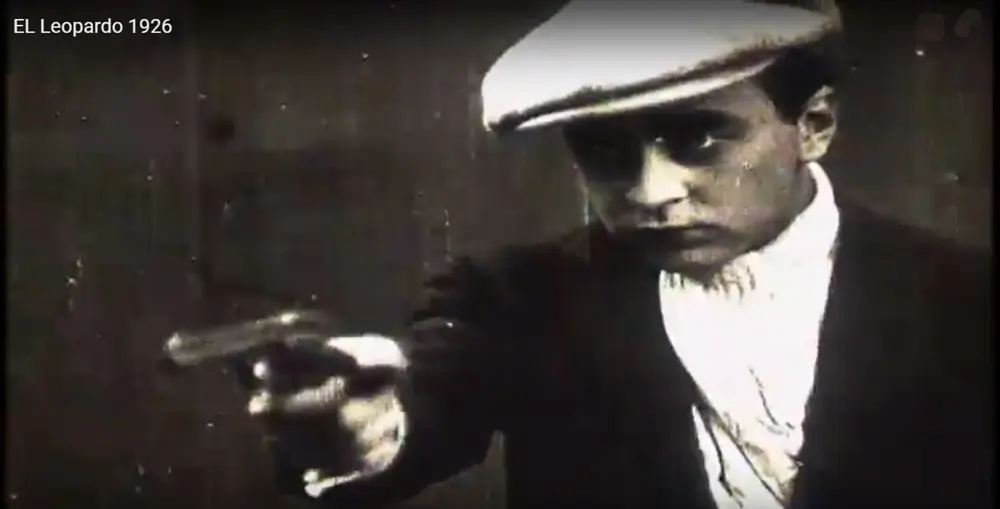
Alma Zinska, as Camila, is utterly captivating. She imbues her character with an alluring mystery and a subtle, almost dangerous intelligence. Camila is not just a love interest or a plot device; she is a symbol of the shifting social landscape, a woman who understands and navigates the new rules with effortless grace. Her scenes with both Dovhenard and Llorente crackle with understated tension, particularly a dinner table exchange where her seemingly innocuous questions subtly challenge Don Carlos's worldview. It's a performance that lingers long after the credits roll, reminiscent of the intriguing women in films like Sandra.
The supporting cast, including Augusto Cassasús, Oriana Camila, and Guillermo Hilliger, provide a rich tapestry of characters who populate this fading world. Each feels authentic, contributing to the film's immersive atmosphere without ever stealing focus from the central drama. Nemesio Martínez and Osvaldo Lois Rojas, in particular, bring a quiet gravitas to their roles as loyal household staff, their faces etched with the unspoken anxieties of their changing circumstances.
The direction in “El leopardo” is nothing short of masterful in its creation of atmosphere. The director, whose vision is clearly articulated through every frame, understands that sometimes, less is more. The film opens with a sweeping, almost mournful drone shot over the decaying grandeur of the Dovhenard estate, its once-pristine gardens now overgrown, a visual metaphor for the family's fading influence. This immediately establishes the film's melancholic tone and its central theme of decay.
Long takes are employed with deliberate purpose, allowing scenes to unfold at a natural, unhurried pace. This gives the audience time to absorb the intricate details of the production design and to truly feel the weight of the characters' internal struggles. A particularly striking example is a scene where Don Carlos slowly walks through a deserted, dust-laden ballroom, his footsteps echoing in the vast emptiness. The camera follows him with a quiet reverence, emphasizing his isolation and the silent grandeur of his dying world. This deliberate pacing ensures that every visual and every gesture carries significant emotional weight, unlike the more frenetic energy of a film like Tyrant Fear.
The cinematography of “El leopardo” is exquisite, employing a palette of rich, muted tones that evoke a sense of nostalgic warmth alongside an underlying melancholy. The use of natural light, especially in the interior shots of the estate, creates a painterly quality, enhancing the feeling of a world caught between past and present. Shadows are used not just for dramatic effect but as a symbolic representation of the encroaching darkness threatening the old order.
The production design is equally impressive, meticulously recreating the opulent yet slightly faded world of the aristocracy. Every antique, every piece of clothing, every architectural detail feels authentic and lived-in. The contrast between the grand, decaying interiors of the Dovhenard mansion and the vibrant, sometimes chaotic street scenes of the burgeoning city outside is stark and effective. This visual juxtaposition powerfully underscores the film’s central conflict between tradition and modernity. Even the sound design contributes to this, with the quiet rustle of silk dresses inside the estate giving way to the distant sounds of protests or street vendors.
The pacing of “El leopardo” is arguably its most divisive element. It is undeniably slow, a deliberate, almost languid rhythm that mirrors the slow, agonizing decline of an era. For some, this will be an immersive, meditative experience. For others, it may test their patience. The film asks you to surrender to its rhythm, to allow the story to unfold rather than demand it accelerate. There are no sudden plot twists or rapid-fire dialogues; instead, the drama is found in the subtle shifts of power, the unspoken emotions, and the weight of history.
The tone is consistently melancholic, tinged with a profound sense of resignation, yet it avoids becoming overtly depressing. There are moments of wry humor, flashes of human connection, and an underlying appreciation for the beauty of what is being lost. It’s a film that finds dignity in decline, and a quiet heroism in simply enduring. This tonal consistency is a testament to the director’s clear vision, maintaining a delicate balance that few films achieve. It works. But it’s flawed.
Yes, for a specific audience. “El leopardo” offers a profound, beautifully rendered exploration of themes that remain timeless: the clash between tradition and progress, the burden of legacy, and the pain of letting go. Its deliberate pace and contemplative nature require patience, but the rewards are significant.
It’s a film that resonates with anyone who has felt the inexorable pull of change or witnessed a beloved era fade away. The performances, particularly Carlos Dovhenard’s, are exceptional. The visual storytelling is rich and evocative, creating a world that feels both grand and intimate. If you appreciate historical dramas that prioritize character and atmosphere over plot mechanics, this film is an essential viewing experience. It stands apart from more conventional period pieces like Penrod and Sam, offering a deeper, more philosophical engagement.
“El leopardo” is a cinematic experience that demands patience and rewards it with profound beauty and emotional resonance. It is not a film for every taste, nor is it without its flaws, particularly its often glacial pacing. However, for those willing to surrender to its deliberate rhythm, it offers a rich, melancholic portrait of a world in transition, anchored by a truly remarkable central performance from Carlos Dovhenard.
This is a film that lingers, a quiet elegy to a bygone era that speaks volumes about the human condition in the face of inevitable change. It is an essential watch for cinephiles and anyone who appreciates historical drama crafted with intelligence and artistic integrity. Despite its challenges, “El leopardo” carves out a unique, unforgettable space in the landscape of period cinema. It’s a film that refuses to compromise its vision, and for that, it deserves respect and an audience willing to meet it on its own terms.
IMDb 5.6
1931
Community
Log in to comment.