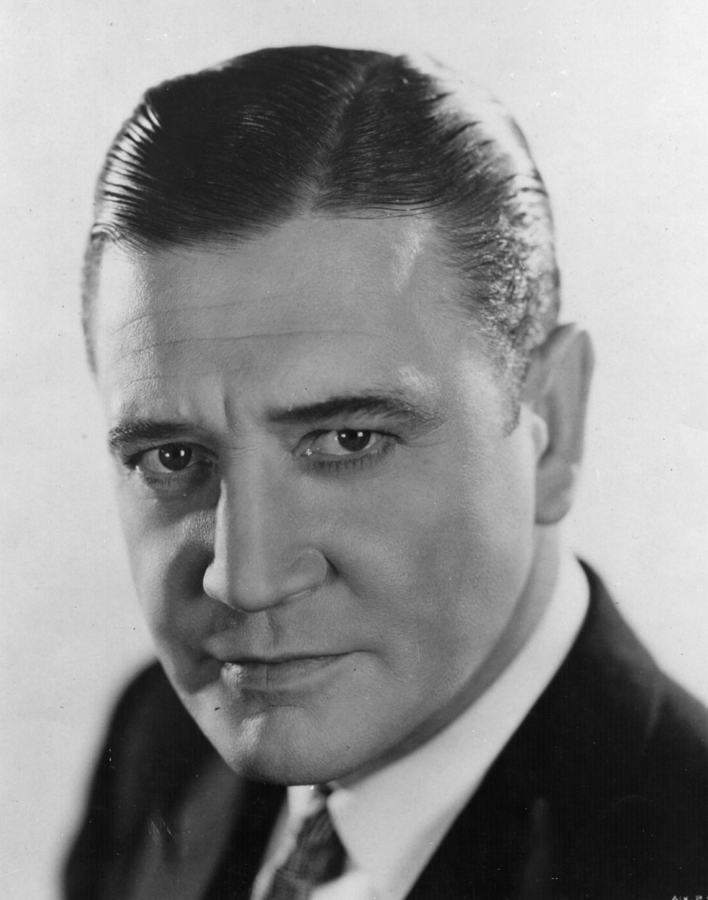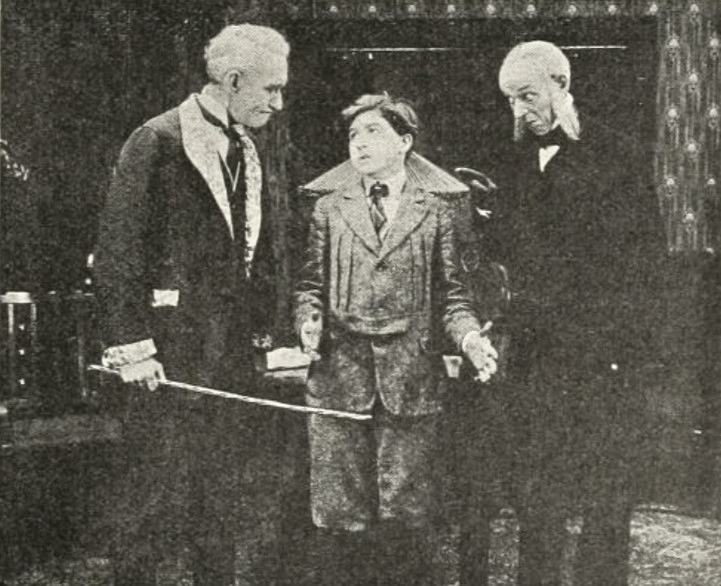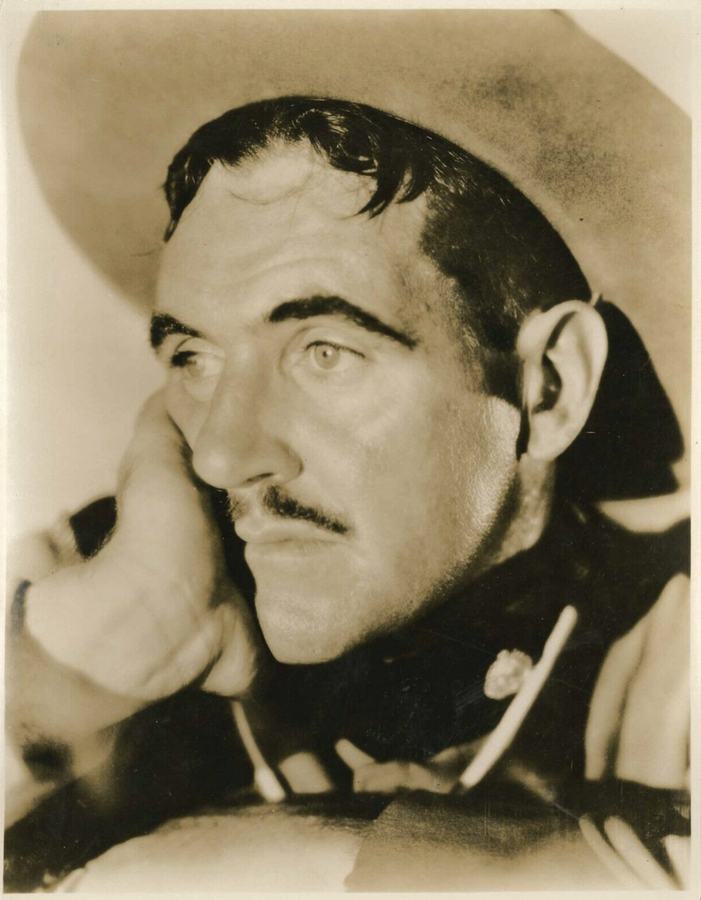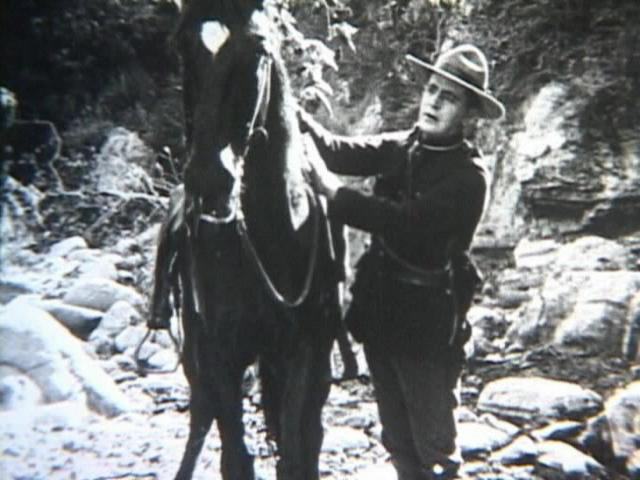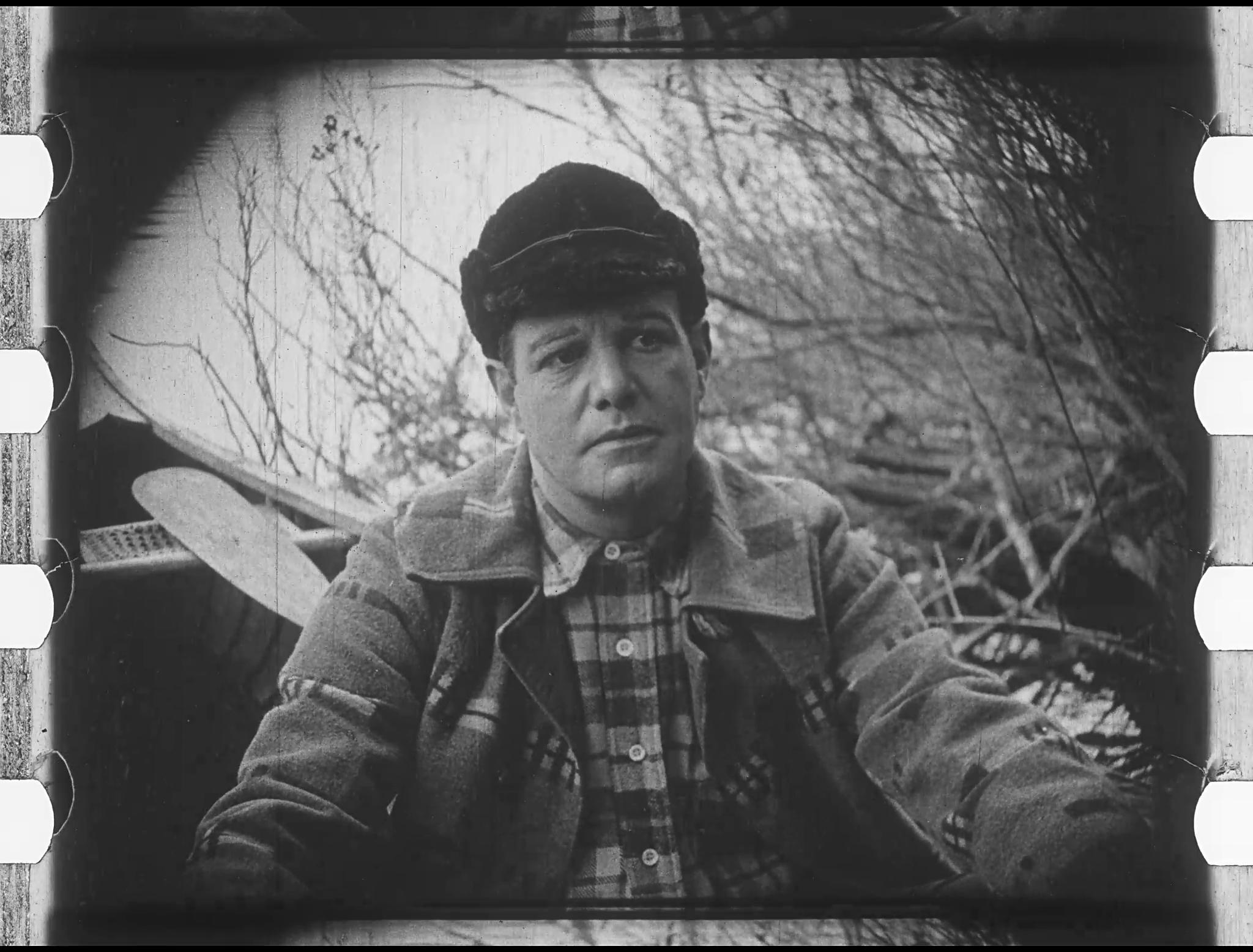
Douglas Albright, a hero just returned from the war, is conscience-stricken over allowing his buddy to die. Taking charge of his future father-in-law's business, he goes to China to gain self-control.
The Haunted Return: A Psychological Landscape There is a peculiar, almost suffocating intimacy in the way 1920s cinema handled the concept of the 'broken soldier.' In Unguarded Women (1924), we aren't presented with the typical swashbuckling heroics often associated with Richard Dix. Instead, we witness the erosion...

production_art

production_art

Comparing the cinematic DNA and archive impact of two defining moments in cult history.
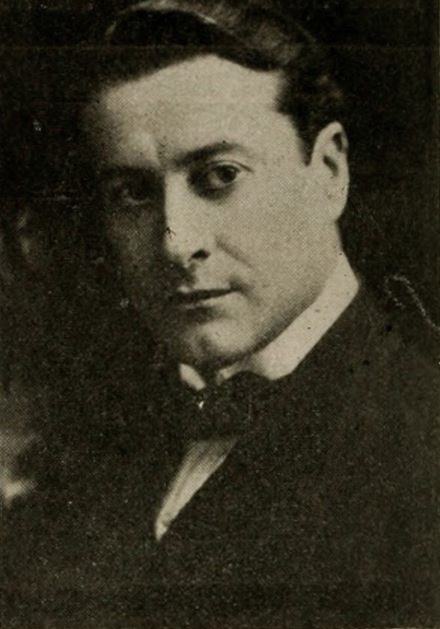
Alan Crosland
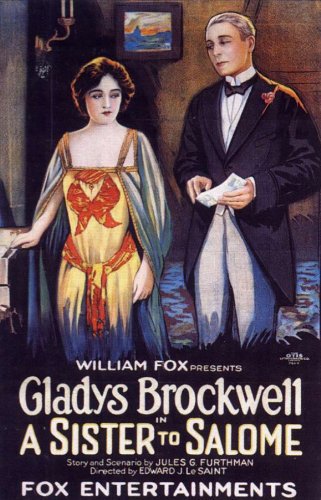
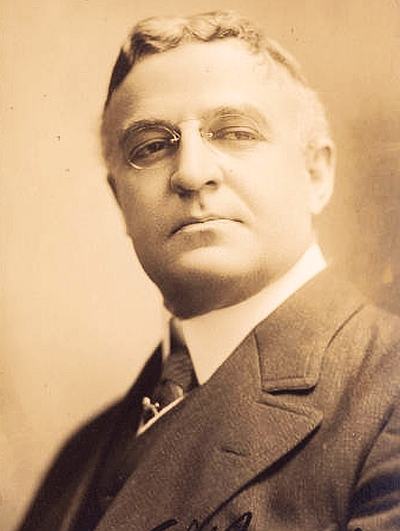
Edward LeSaint
Community
Log in to comment.
" The Haunted Return: A Psychological Landscape There is a peculiar, almost suffocating intimacy in the way 1920s cinema handled the concept of the 'broken soldier.' In Unguarded Women (1924), we aren't presented with the typical swashbuckling heroics often associated with Richard Dix. Instead, we witness the erosion of a man’s soul. Douglas Albright, portrayed with a brooding intensity by Dix, is a vessel for the collective trauma of a generation that survived the trenches only to find the pe..."
Lucy Stone Terrill, James Ashmore Creelman
United States
Deep dive into the cult classic
Discover similar cinematic experiences
A Directorial Spotlight on Alan Crosland