DbcultAccessing Vault...
7.8/10
Senior Film Conservator
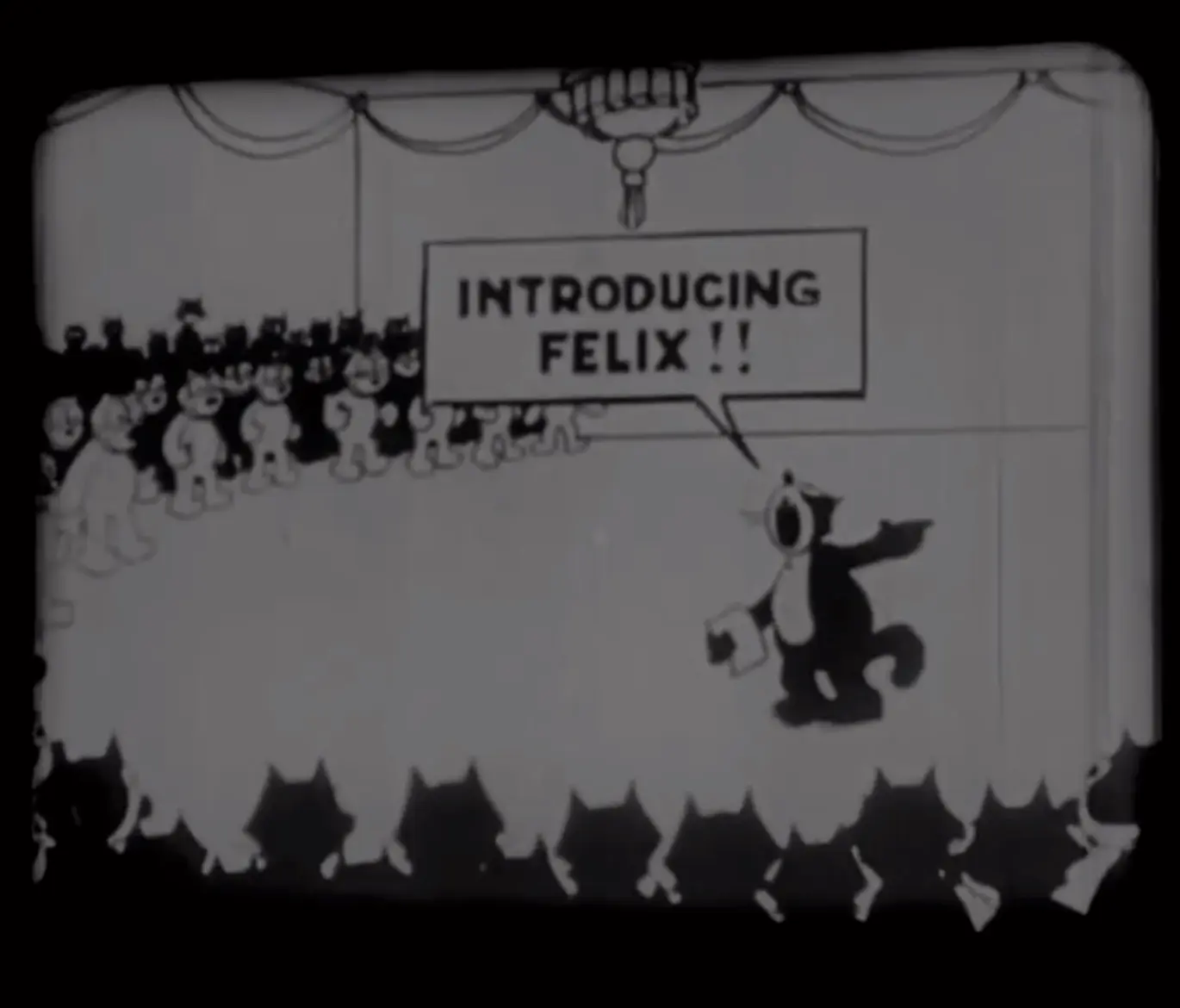
A definitive 7.8/10 rating for a film that redefined the boundaries of cult cinema. Felix Puts It Over remains a cornerstone of transgressive art.
The year 1924 stood as a watershed moment for the medium of animation, a period when the ink-and-paint alchemy of Otto Messmer truly began to transcend the rudimentary gag-structures of its predecessors. In Felix Puts It Over, we witness the feline icon grappling with the crushing weight of social inadequacy, a theme that resonates far more deeply than the whimsical premise might initially suggest. This is not merely a cartoon; it is a visual treatise on the performative nature of class and the volatile intersections of masculinity and fashion in the roaring twenties.
The premise hinges on a concept that would feel right at home in a high-society drama like The White Sister (1923), yet here it is distilled into the minimalist, high-contrast world of black-and-white cel animation. Felix is a leader of a gang, a role that suggests a certain rugged authority, yet he is utterly undone by the "sartorial splendor" of his rival. This antagonist is not merely a villain; he is a manifestation of the dandy, an avatar of the leisure class whose very existence mocks Felix’s threadbare aesthetic. The way Messmer renders the rival’s clothing—crisp, unyielding, and ostentatious—serves as a brilliant foil to Felix’s own fluid, rubbery anatomy.
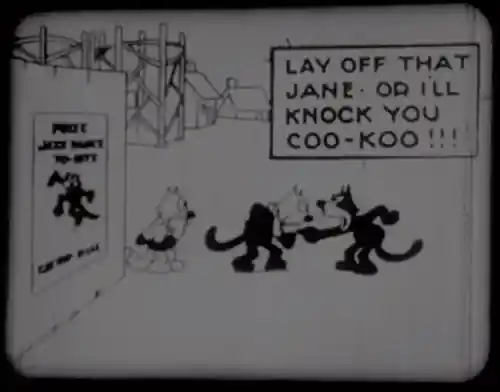
Felix’s "shabbiness" is a crucial narrative device. In the early 20th century, the visual language of cinema often equated moral worth with outward appearance, but Messmer subverts this. Felix’s lack of finery is not a character flaw but a catalyst for his ingenuity. While live-action features of the time, such as The Night Hawk, often relied on gritty realism to portray gang dynamics, Felix Puts It Over leverages the surreal possibilities of the medium to turn a fashion deficit into a comedic odyssey.
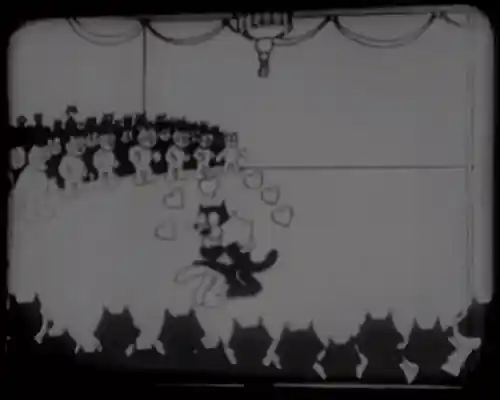
The centerpiece of the film—the dance—is a masterclass in rhythmic pacing. Here, the animation adopts a syncopated energy that mirrors the jazz-age zeitgeist. Felix’s attempts to woo Miss Kitty amidst a crowd of more "refined" revelers provide a poignant look at the outsider looking in. Unlike the somber romantic tensions found in Marooned Hearts, the conflict here is expressed through the elasticity of the characters' bodies. Felix’s tail, that iconic appendage of infinite utility, becomes a barometer of his emotional state—curling in dejection one moment and sharpening into a tool of defiance the next.
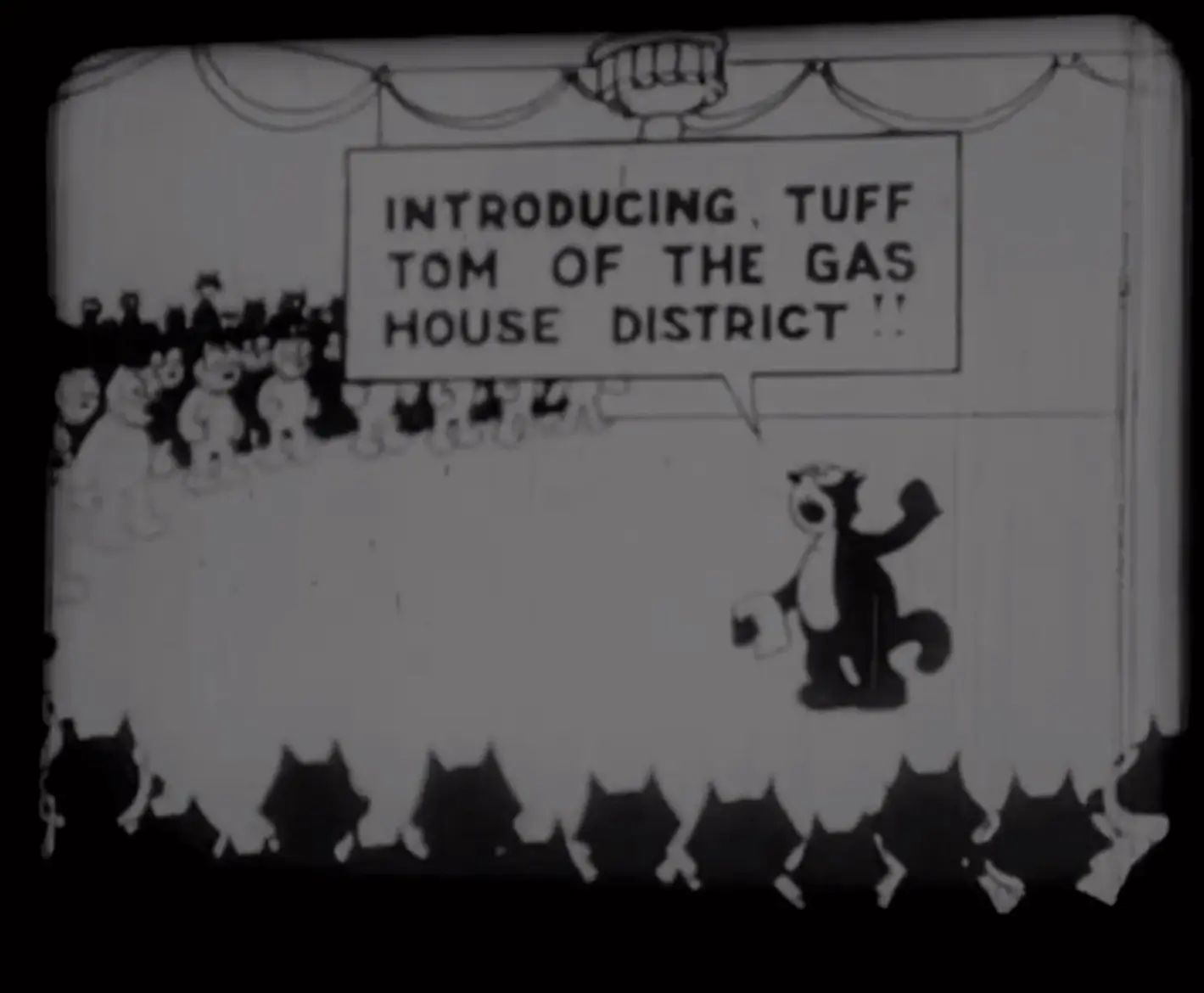
The fluidity of the animation during these sequences is staggering when one considers the technical limitations of 1924. Messmer’s ability to imbue a simple silhouette with such a vast spectrum of longing, jealousy, and eventually, triumph, is why Felix remains a foundational pillar of the art form. The dance is not just a plot point; it is a staging ground for a battle of identities. The rival gang leader uses his clothes as armor, but Felix uses his environment as a weapon. This contrast between static wealth and dynamic poverty is a recurring motif that elevates the short beyond its slapstick roots.
The narrative takes a sharp turn into the territory of the serial cliffhanger when the rival kidnaps Miss Kitty. This shift from social comedy to high-stakes rescue mission allows Messmer to showcase Felix’s physical prowess. In a manner reminiscent of the desperate heroism seen in The Eleventh Hour, Felix must navigate a series of obstacles that test both his resolve and his wit. The kidnapping serves as the ultimate indictment of the rival’s character; his sartorial elegance was merely a mask for a lack of moral substance.
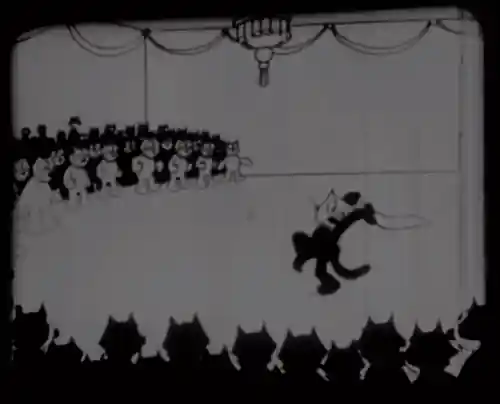
The chase sequence is where the film’s visual ingenuity reaches its zenith. Messmer utilizes the entire frame, playing with perspective and scale in a way that live-action films of the era, such as Up or Down?, simply could not replicate. Felix’s movements are a blur of black ink, a whirlwind of desperation that eventually outpaces the rigid, formal movements of his adversary. This is the moment where Felix "puts it over"—not by becoming the dandy, but by outperforming him in the theater of action.
When examining Felix Puts It Over alongside contemporary works like The High Horse, the sophistication of Messmer’s character work becomes even more apparent. While many shorts of the period were content with repetitive cycles of movement, Messmer was interested in psychology. Felix’s insecurity about his appearance is a humanizing trait that makes his eventual victory feel earned rather than inevitable. Even in the more obscure international productions of the time, such as the Spanish La gitana blanca, the themes of social rivalry and the "outsider" are prevalent, suggesting a global cinematic preoccupation with these issues.
The film also mirrors the structural intensity found in adventure epics like Die Jagd nach dem Tode - 4. Teil, albeit in a condensed, feline-centric format. The stakes feel genuine because Miss Kitty is not just a prize to be won, but a symbol of the domestic stability that Felix, as a gang leader, ostensibly lacks. His desire for her affection is a desire for legitimacy, a theme that echoes through other 1924 releases like The Heart of Youth.
What truly separates this short from the ephemeral dross of early animation is its embrace of the surreal. When Felix is frustrated, his thoughts often manifest as literal objects—question marks that become hooks, or exclamation points that become ladders. This meta-textual awareness is a precursor to the postmodernism we see in modern animation. In Felix Puts It Over, the world is malleable, governed by the logic of the animator’s pen rather than the laws of physics. This creates a sense of wonder that live-action dramas, even those as evocative as Byl první máj, cannot hope to achieve.
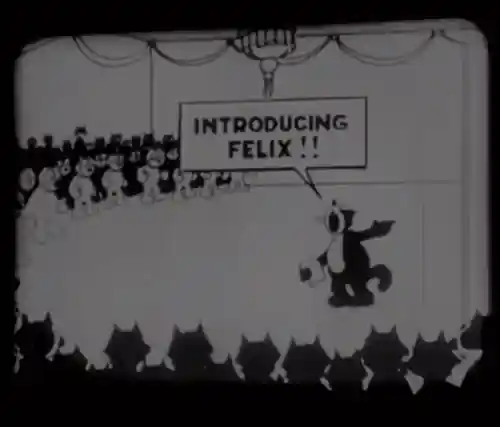
The technical execution of the "sartorial splendor" gag is particularly noteworthy. The rival's suit is depicted with a density of line that suggests weight and stiffness, contrasting with Felix’s own silhouette, which feels light and ethereal. This visual shorthand allows the audience to instantly grasp the power dynamic without a single line of dialogue. It is a testament to the purity of silent storytelling, a craft that was reaching its peak just before the advent of the talkies. The influence of this style can be seen in everything from the early work of Disney to the avant-garde experiments of the mid-century.
As we reflect on the legacy of Felix Puts It Over, it is clear that the film is much more than a historical curiosity. It is a vibrant, breathing piece of art that captures the anxieties and aspirations of its time. Whether Felix is navigating the treacherous waters of a local dance or engaging in the high-stakes heroics seen in The Reed Case or Pieces of Silver, he remains an avatar of the human spirit—indomitable, resourceful, and perpetually slightly out of place.
The final resolution, where Felix successfully thwarts his rival and wins the day, is not just a victory for the protagonist, but a victory for the audience. We see ourselves in Felix’s shabbiness, in his yearning for something better, and in his refusal to be defined by his outward appearance. In a world that often prizes the superficial—much like the hypnotism themes explored in Kärlek och hypnotism—Felix reminds us that substance will always triumph over style. Even a simple fishing trip, like the one in Fishing for Tarpon, becomes a metaphor for the struggle to reel in one's dreams against the tide of social expectation.
Ultimately, Otto Messmer’s creation is a triumph of character-driven storytelling. By imbuing a cartoon cat with the insecurities of a 1920s everyman, he created a universal figure that transcends the boundaries of time and medium. Felix Puts It Over is a essential viewing for anyone seeking to understand the roots of modern visual culture and the enduring power of the underdog. It is a film that wears its heart—and its shabbiness—on its sleeve, and in doing so, it captures something profoundly true about the human experience.
IMDb 3
1921
Community
Log in to comment.